Table of Contents >> Show >> Hide
- Who Is Maria Helgstrand?
- A Copenhagen Home With Personality, Not Clutter
- Why This Home Feels So Danish
- Design Lessons From Maria Helgstrand’s Copenhagen Home
- How to Recreate the Look at Home
- Why Maria Helgstrand’s Style Still Feels Relevant
- 500-Word Experience: What It Feels Like to Learn From This Copenhagen House Call
- Conclusion
Some homes whisper. Some homes politely clear their throat. Maria Helgstrand’s Copenhagen home, however, walks into the room wearing white sneakers, a black blazer, and a flash of neon yellow just to keep everyone awake. The original “House Call: Maria Helgstrand in Copenhagen” spotlight introduced design lovers to the home of a Copenhagen-based stylist and interior designer whose rooms managed to feel minimal, witty, warm, practical, and just mischievous enough to avoid becoming another predictable Scandinavian postcard.
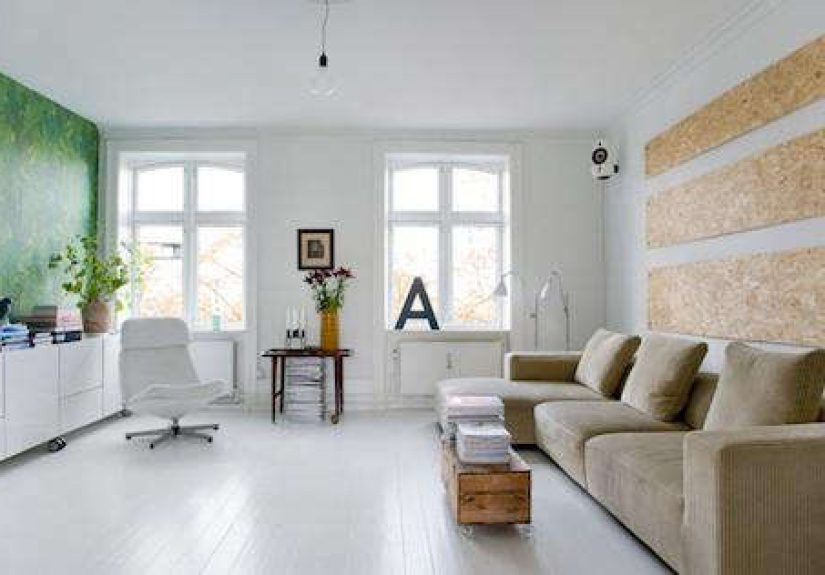
At first glance, the apartment appears to follow the familiar Danish design playbook: white walls, clean lines, daylight, useful furniture, and a strong dislike for visual chaos. But look closer and the personality starts tapping you on the shoulder. Particle boards become wall decor. A single bold wallpapered wall turns a room into a tropical wink. Black accents sharpen the softness. Design magazines stack under a table like evidence of a stylish investigation. The result is not “perfect” in the sterile showroom sense. It is better than that. It feels alive.
This article looks at Maria Helgstrand’s Copenhagen home as both a real interior and a design lesson. It explores how her space reflects Danish design, personal creativity, smart family living, and the kind of visual confidence that says, “Yes, white can be excitingif you stop treating it like a hospital gown.”
Who Is Maria Helgstrand?
Maria Helgstrand is a Copenhagen-based creative, strategic designer, and founder of Wallnut Design Studio. Her work has moved beyond traditional interior styling into design strategy, space planning, workplace concepts, and projects centered on behavior, community, well-being, and human reconnection. That evolution matters because it helps explain why her home is not merely decorated. It is designed to make daily life work better.
Wallnut describes itself as a multidisciplinary creative solutions agency, with Maria’s practice sitting at the intersection of behavior, digitalization, communities, and well-being. In plain English: she thinks about how spaces influence what people do, how they feel, how they gather, and how they reconnect when devices are doing their best to turn everyone into glowing-screen houseplants.
That philosophy can be seen in her own Copenhagen home. Even in the earlier house-call photos, there is a strong sense that each room is built for living, not posing. The spaces are bright and controlled, but they never feel uptight. They make room for family, humor, objects, reading, conversation, and creative messcarefully edited mess, of course, because this is Copenhagen, not a garage sale at 6 a.m.
A Copenhagen Home With Personality, Not Clutter
The most memorable quality of Maria Helgstrand’s home is balance. The apartment combines pristine white surfaces with black contrasts and bright, almost neon color accents. This is an important distinction: the home is not colorful because every wall competes for attention. It is colorful because the few bold moves are disciplined.
That is a classic design lesson. If everything shouts, nothing sings. Maria’s rooms use white as a stage, not as an absence of imagination. White walls reflect light, expand the feeling of space, and create a calm foundation. Then black details add graphic structure, while bright color gives the home rhythm and surprise. It is the interior equivalent of a clean bassline with a trumpet solo.
The White Living Room That Refuses to Be Boring
The living room is described as light, bright, and white-painted. In many homes, that could be the beginning of a nap. Here, it becomes the base for contrast, texture, and personal styling. A white room can look flat when it relies only on paint. Maria’s approach shows how to add dimension without sacrificing calm: mix materials, vary shapes, use books and magazines as lived-in objects, and introduce strong graphic moments.
The room also avoids the common trap of over-accessorizing. Instead of filling every surface, it lets negative space do some of the work. That restraint makes the bold pieces feel intentional. It also makes the home easier to live in. Anyone who has dusted twenty-seven decorative objects on a coffee table understands the spiritual value of restraint.
Particle Boards as Wall Decor
One of the most interesting details from the house call is Maria’s use of a trio of particle boards as wall decor. This is a wonderfully Copenhagen move: humble material, elevated by placement and confidence. Particle board is usually hidden, painted over, or apologized for. Maria puts it on display.
That choice says a lot about her style. It values wit over luxury, composition over cost, and character over convention. In a design culture that often celebrates expensive icons, this gesture feels refreshing. It reminds readers that great interiors are not always about buying the “right” thing. Sometimes they are about seeing an ordinary thing differently.
The Jungle Leaves Wallpaper Moment
A single wall in the home features Cole & Son’s Jungle Leaves print. This is where the apartment’s personality really flares up. Tropical foliage in a Copenhagen home is a charming contradiction, like ordering a piña colada during a snowstorm and somehow making it elegant.
The key is restraint. Maria does not wrap every room in pattern. She gives one wall permission to perform. That creates a focal point without overwhelming the home’s clean structure. For anyone trying to use wallpaper at home, this is a useful lesson: one bold surface can be more powerful than four nervous ones.
Why This Home Feels So Danish
Danish design is often summarized with words like simple, functional, warm, and timeless. Those words are accurate, but they can also make Danish interiors sound like they were assembled by a committee of very tasteful librarians. Maria Helgstrand’s home shows the livelier side of the tradition.
Danish design is not only about minimalism. It is about usefulness, comfort, craftsmanship, and human scale. The best Danish interiors do not demand admiration from across a velvet rope. They invite you to sit down, drink coffee, read something, talk to someone, and maybe move a chair without asking permission from the furniture gods.
Maria’s home carries that spirit. It is functional enough for a family, refined enough for a design feature, and playful enough to feel personal. There is no conflict between beauty and usefulness. In fact, the two seem to help each other.
Light as a Design Material
Copenhagen homes often make the most of available daylight, especially because Northern European light changes dramatically through the seasons. White walls and pale surfaces are not just stylistic choices; they are practical tools. They bounce light around a room and make interiors feel more open during darker months.
Maria’s bright white living room fits this tradition, but she keeps it from becoming cold by layering in contrast, print, texture, and objects with personality. The lesson is simple: light walls do not have to mean lifeless rooms. They can be the clean canvas that allows everything else to matter more.
Function With a Wink
A defining feature of Maria’s style is that it appears highly functional without becoming too serious. The kitchen includes chairs by Gubi, a Danish brand known for design-forward furniture. The choice supports the home’s overall balance: recognizable design, practical use, and visual confidence.
Meanwhile, stacks of design magazines under a side table create a casual, lived-in detail. Are they storage? Decoration? Evidence of excellent taste? Yes. This is the beauty of thoughtful interiors: objects can do more than one job.
Design Lessons From Maria Helgstrand’s Copenhagen Home
Maria’s home is inspiring because it does not require readers to live in Copenhagen, own iconic furniture, or magically develop Nordic cheekbones. The principles are adaptable. Whether you live in a city apartment, a suburban house, or a rental where the walls are painted “landlord beige,” there are practical lessons worth stealingpolitely, of course.
1. Use White as a Tool, Not a Personality
White walls can be beautiful, but they should serve a purpose. In Maria’s home, white creates brightness, calm, and flexibility. It allows black accents, bright colors, books, plants, and patterns to stand out. The takeaway: choose white when you want light and openness, then add personality through objects, art, textiles, and contrast.
2. Add One Bold Moment Per Room
The Jungle Leaves wallpaper works because it has room to breathe. If you want to introduce a strong print, try one accent wall, a large artwork, a dramatic rug, or a colorful chair. A single bold gesture can make a room memorable without turning it into a visual marching band.
3. Let Ordinary Materials Become Art
The particle board wall decor is a reminder that creativity often beats budget. Plywood, cork, pegboard, raw canvas, clipboards, shelves, and even well-arranged magazine covers can become design features. The trick is intention. Hang something casually and it may look forgotten. Hang it with confidence and spacing, and suddenly people call it “installation art.”
4. Mix Clean Lines With Humor
Minimal interiors can become stiff when everything is too perfect. Maria’s home avoids that by adding wit. The colors are surprising. The materials are unexpected. The styling feels human. A room should not look as though it is afraid someone might laugh in it.
5. Design for Real Life
The apartment is a family home, not just a design statement. That matters. Good interior design should support daily habits: cooking, reading, working, playing, relaxing, hosting, and recovering from the emotional journey of assembling flat-pack furniture. Maria’s home feels successful because it looks beautiful while still making space for life.
How to Recreate the Look at Home
You do not need a Copenhagen address to borrow this style. Start with a calm base: white, warm white, pale gray, or a soft neutral. Add a few black accents for structure, such as picture frames, a lamp, chair legs, shelving, or cabinet hardware. Then choose one or two bright colors to use sparingly. Neon pink, citrus yellow, cobalt blue, or fresh green can all work if the rest of the room stays disciplined.
Next, add something unexpected. This could be a raw wood panel, a graphic wallpaper sample framed as art, a stack of favorite magazines, a sculptural chair, or a DIY wall arrangement. The goal is not to copy Maria’s home piece by piece. The goal is to copy the confidence behind it.
Finally, edit. Scandinavian-inspired interiors often fail when people buy too many “Scandi” items and accidentally create a showroom with throw pillows. Maria’s home works because it is personal. Keep what has purpose, beauty, memory, or humor. Remove what only exists because a shopping algorithm got persuasive after midnight.
Why Maria Helgstrand’s Style Still Feels Relevant
The original house call was published years ago, yet the home still feels fresh because it is built on strong principles rather than passing trends. White rooms, black contrast, bright accents, useful furniture, personal objects, and bold-but-contained pattern have lasting appeal. Even more importantly, the home reflects a design mindset that has become increasingly relevant: spaces should support human connection.
Maria’s current work through Wallnut Design Studio focuses on designing environments and experiences that encourage analog breaks, community, movement, and well-being. That makes her earlier home especially interesting in hindsight. The apartment already showed a designer interested in how spaces behavenot just how they photograph.
In an age when many homes are designed to look good on a phone screen, Maria’s approach feels refreshingly grounded. Her rooms suggest that design should bring people back into the room, not merely produce a prettier background for digital life. That idea may be the most modern thing about the entire home.
500-Word Experience: What It Feels Like to Learn From This Copenhagen House Call
Imagine stepping into Maria Helgstrand’s Copenhagen home on a clear morning. The first thing you would probably notice is the light. It would not be dramatic in the Hollywood sense; no orchestral soundtrack, no curtains flying open in slow motion. Instead, it would be soft, practical, and generous, spreading across white walls and making the room feel larger than its actual footprint. Copenhagen light has a way of making ordinary surfaces look considered, and in this home, every surface seems ready for its close-up without begging for attention.
The living room would feel calm, but not silent. That is an important difference. Some minimal homes feel as if you should apologize before sitting down. Maria’s home feels like you could sit, but you would instinctively choose the coaster. The black accents sharpen the room, while the bright flashes of color keep it from slipping into seriousness. You might find yourself studying the particle boards on the wall and thinking, “Wait, why does that work?” Then you would realize the answer is confidence. Design confidence is contagious. It makes you reconsider things you previously ignored.
Walking farther in, the Jungle Leaves wallpaper would likely change the mood instantly. A leafy wall in a Copenhagen apartment feels playful and slightly rebellious, as if the room packed a tropical vacation into its carry-on bag. Yet it does not feel random. Because the rest of the space is controlled, the pattern has permission to be bold. That is one of the best experiences this home offers: it teaches restraint without making restraint feel boring.
The kitchen, with its design-conscious chairs and clean organization, would probably feel like the place where style meets breakfast. This is where Danish design earns its reputation. The furniture is not there only to impress guests. It is there to be used, moved, sat on, wiped down, and pulled into conversation. You can imagine children passing through, coffee being made, someone flipping through a magazine, and a chair scraping gently against the floor. The space is edited, but it is not frozen.
The most valuable experience related to this house call is the realization that personal style does not require visual excess. Maria’s home is personal because of its decisions: the bold wall, the humble boards, the graphic contrasts, the stacks of reading material, the crisp foundation, and the refusal to choose between serenity and fun. Many people assume a memorable home needs more stuff. This Copenhagen home suggests the opposite. It needs better choices.
After studying a space like this, you may look at your own home differently. A blank wall becomes an opportunity. A stack of books becomes a design element. A small accent of color becomes enough. The home encourages experimentation, but not chaos. It says: keep the room breathable, keep the humor visible, and let real life stay in the picture. That may be the best kind of design adviceuseful, stylish, and just cheeky enough to remember.
Conclusion
“House Call: Maria Helgstrand in Copenhagen” remains compelling because it captures a home that is both disciplined and playful. Maria Helgstrand’s apartment shows how Danish interior design can be bright without being bland, minimal without being empty, and personal without becoming cluttered. From the white-painted living room to the particle board wall decor, from bold black accents to tropical wallpaper, the home proves that memorable design often comes from contrast.
It also reminds us that the best interiors are not just collections of beautiful objects. They are environments that shape mood, movement, conversation, and daily rituals. Maria’s Copenhagen home feels stylish because it is thoughtful, but it feels special because it has nerve. It understands the power of white space, the charm of odd materials, and the joy of one unexpected design punch. In other words, it is Danish design with a raised eyebrowand that is exactly why it still works.
Note: This article is written as an original SEO-focused analysis based on verified public information about Maria Helgstrand’s Copenhagen home, her design practice, and broader Danish interior design principles. It is not copied from the original house-call feature.