Table of Contents >> Show >> Hide
- Why This Video and Transcript Still Matter
- From Product-Led Growth to Community-Led Momentum
- How Community Supports the Funnel
- What Notion’s Approach Gets Right
- Where Companies Usually Blow It
- A Smarter Framework for Founders, Marketers, and Product Teams
- Experience Section: What This Looks Like in the Real World
- Conclusion
- SEO Tags
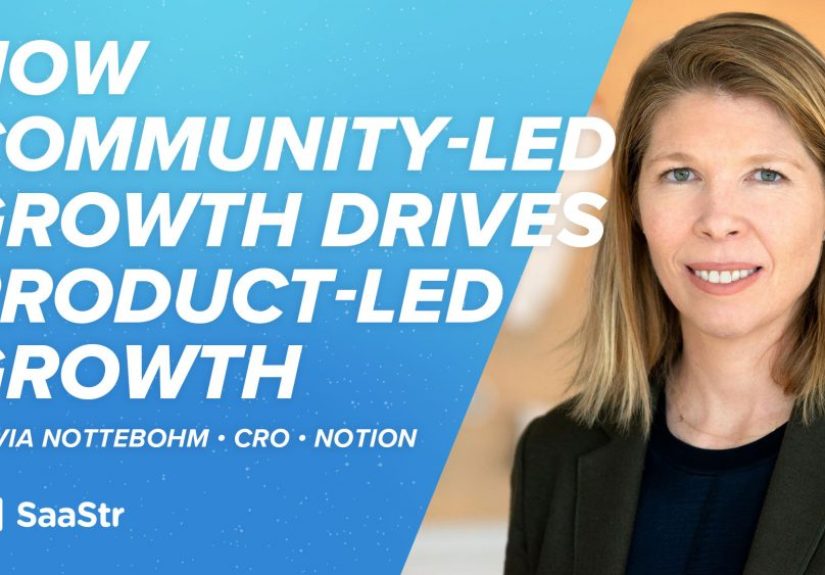
Most software companies say they love their users. Fewer are brave enough to let those users become the marketing department, the education team, the expansion engine, and occasionally the unofficial mayor of the product’s internet neighborhood. That is what makes the original conversation around How Community-Led Growth Drives Product-Led Growth with Notion’s CRO so interesting. It is not just another “community matters” pep talk with a cheerful slide deck and suspiciously perfect screenshots. It is a practical look at how a product-led company can turn customer enthusiasm into a real go-to-market advantage.
At the center of the idea is a simple truth: product-led growth gets people in the door, but community-led growth helps them stay longer, learn faster, tell others, and bring the product into bigger teams. In other words, PLG might light the match, but community keeps the fire from going out when the weather gets weird. And in software, the weather gets weird all the time.
Why This Video and Transcript Still Matter
The reason this topic keeps showing up in boardrooms, startup decks, and LinkedIn posts written with a little too much confidence is simple: the buying journey has changed. Users do not wait patiently for a sales pitch anymore. They try products themselves, watch tutorials made by other users, read reviews, share workflows, join Slack groups, copy templates, and ask peers what actually works. The modern software journey is less like a neat funnel and more like a group project where one very organized person has color-coded the notes.
That is why the original Notion talk still lands. It frames growth in waves. First came the classic top-down model, where executives bought the software and employees were expected to salute and use it. Then came bottom-up adoption, where users chose tools because the product itself was useful. The third wave, and the one this article focuses on, is community-led growth: the moment when the people around the product start multiplying its reach, reducing friction, and creating trust faster than the company could on its own.
From Product-Led Growth to Community-Led Momentum
PLG gets the first “yes”
Product-led growth works because it lowers the cost of belief. Instead of demanding a demo, a meeting, three follow-up emails, and the emotional stamina of a hostage negotiator, PLG lets people experience value quickly. A free workspace, a template, a tutorial, a self-serve flow, or a lightweight onboarding experience can get users to the “aha” moment much faster. When people feel the value for themselves, adoption becomes easier, retention gets stronger, and upsell conversations stop feeling like a surprise attack.
Community makes that “yes” travel
But PLG has a limit when it operates alone. A product can attract users, yet still struggle to educate them, inspire them, or explain why it matters for larger teams. That is where community steps in. Community creates social proof, use cases, momentum, and belonging. It answers the question every user silently asks: “Am I the only one doing this, or is there a smarter way?” The moment users see creators, ambassadors, consultants, and peers building real workflows around a product, the software stops being a tool and starts feeling like a movement.
That is the magic in the Notion story. The company did not merely ship a flexible product. It allowed people to teach it, remix it, package it, share it, and even build businesses around it. Templates did not just showcase the software; they shortened the path to value. Tutorials did not just explain features; they turned complexity into confidence. Consultants did not just offer services; they became a bridge into teams that wanted structure, rollout support, and change management. That is community-led growth at its best: not side content, but a force multiplier for the product itself.
How Community Supports the Funnel
1. Awareness: community tells the story first
At the top of the funnel, community creates awareness that feels more like recommendation than advertising. A student posts a setup video. A creator shares a weekly planning system. An ambassador runs a local event. A power user explains how their team manages product launches. None of that looks like traditional demand generation, yet all of it shapes demand. People trust use cases when they come from other people who seem to have actual skin in the game.
This is especially important for a product like Notion, where the value is not fully visible in one screenshot. The software becomes more compelling when real users show what they built with it. A blank canvas is exciting for some people and mildly terrifying for others. Community closes that gap by turning possibility into examples. Suddenly, the product is not “a flexible workspace.” It is a content system, a CRM, a team wiki, a startup operating system, a class notes hub, or a client dashboard. That shift matters because people rarely buy software categories; they buy relief, clarity, and momentum.
2. Activation: community gets users to value faster
Once a person signs up, the next challenge is activation. This is where many PLG stories quietly fall apart. The homepage was pretty, the signup was easy, and then the user landed inside the product and thought, “Cool. Now what?” If the company fails here, growth leaks everywhere.
Community can dramatically improve activation because users often learn best from other users. A company may publish a polished guide, but a creator’s walkthrough can feel more practical. A template from an experienced operator can cut days of setup time. A YouTube tutorial can translate abstract features into concrete workflows. When users borrow proven systems instead of starting from zero, the path to an “aha” moment shrinks. That is not just content marketing with better lighting. That is onboarding infrastructure.
3. Conversion: community reduces risk
People convert when the product feels useful, but they upgrade when it feels safe. Community lowers perceived risk. It shows that the product has depth, that other users have solved similar problems, and that support exists beyond the help center. The moment prospects see a healthy ecosystem of examples, experts, and successful users, the product appears less like a gamble and more like an investment. That is a big deal, particularly for flexible tools that can serve many teams in many ways.
It also helps that community-generated education tends to sound less corporate and more honest. Users can smell brochure copy from across the internet. They know when a sentence has been over-ironed by brand guidelines. Community content often wins because it sounds human, messy, useful, and earned.
4. Expansion: community helps PLG go upmarket
The most underrated idea in the Notion playbook is that community is not just for the top of the funnel. It also matters when a product starts moving into larger organizations. This is where many people assume the community story ends and the enterprise sales story begins. In reality, the handoff is much more fluid.
Inside larger companies, products often spread because a few champions love them first. Those champions become internal advocates. They answer questions, build systems, persuade teammates, and help navigate the politics of adoption. Around them, consultants can support implementation, training, migrations, and governance. Advisory boards can offer product feedback from sophisticated customers. Suddenly, community is not just driving awareness. It is helping de-risk enterprise rollout and giving sales teams warmer ground to stand on.
What Notion’s Approach Gets Right
It gives users agency
The strongest theme in this topic is agency. Community-led growth works when users feel they are participants, not props. The company does not try to script every interaction or lock every idea into a brand handbook that reads like a parking ticket. Instead, it gives people room to create. That matters because enthusiasm cannot be manufactured at scale. It can only be invited, supported, and respected.
It lets users build businesses on top of the product
This is where Notion was especially sharp. Instead of trying to own every template, every learning path, and every service layer, it allowed creators and consultants to monetize their expertise. That decision looks generous on the surface, but it is also strategically brilliant. When users can build income streams around your product, they have a strong reason to keep teaching it, improving it, and bringing more people into the ecosystem. Community stops being a cost center and becomes a distributed growth network.
It treats education as a shared system
No internal team, no matter how talented, can publish every use case users need. The faster a product grows, the more impossible that becomes. Notion’s broader lesson is that education scales better when the company teaches alongside the community. The official team provides structure, trust, and product context. The community provides variety, relevance, creativity, and speed. Together, they create a learning surface much larger than either could build alone.
Where Companies Usually Blow It
Now for the less glamorous part. Plenty of companies hear “community-led growth” and immediately make one of four mistakes. First, they launch a Slack or Discord and call it strategy. Second, they over-control the people who care most about the product, which is a terrific way to turn enthusiasm into fatigue. Third, they treat community as a marketing channel instead of a value engine. Fourth, they expect instant ROI from something that compounds over time.
Community-led growth is not about opening a digital room and hoping magic happens. It requires listening, curation, recognition, useful scaffolding, and patience. It also requires product quality. A weak product with a cheerful community is still a weak product. People will gather, compare notes, and discover together that the software is annoying. That is not the flywheel you want.
A Smarter Framework for Founders, Marketers, and Product Teams
If you are early and still figuring out product-market fit, community should help you listen. Focus groups, power users, and close feedback loops matter most. If you are growing in SMB or prosumer markets, ambassadors and creators can dramatically increase awareness and time-to-value. If you are moving upmarket, customer advisory boards, champions, and trusted consultants become more important. And if you are already landing larger teams, community should help you scale best practices, education, and internal advocacy across accounts.
That is the real lesson from this topic: the right community motion depends on the stage of the company and the shape of the audience. There is no universal playbook. There is only a better question: Which kind of community helps this product become easier to discover, easier to understand, easier to adopt, and easier to expand? Answer that well, and the rest gets much clearer.
Experience Section: What This Looks Like in the Real World
In practice, teams that try to build community-led growth usually begin with high hopes and low clarity. They know they want “engagement,” which is often executive shorthand for “please make people love us in a measurable way.” Then reality arrives wearing sweatpants. The first event gets modest attendance. The first content push attracts a lot of beginners but not many power users. The forum fills with a mix of good questions, duplicate questions, and one person who somehow wants the product to replace Microsoft Excel, Slack, a CRM, and maybe their therapist. This is normal. Community is messy before it is magical.
The teams that succeed are the ones that stop chasing vanity and start designing usefulness. Instead of obsessing over member counts, they ask better questions. Are users helping each other? Are templates shortening onboarding time? Are creators publishing workflows that the internal team never would have thought to explain? Are consultants making implementation easier for larger customers? Are champions inside accounts becoming more confident and influential? These are the signals that matter. Community becomes powerful when it reduces friction at meaningful moments, not when it produces impressive screenshots for quarterly slides.
Another common experience is discovering that your best community members do not all want the same thing. Some want recognition. Some want access. Some want to teach. Some want to network. Some want to make money. Some just want to nerd out with other people who finally understand why a database view is exciting. Smart companies do not flatten these motivations into one generic “superuser” bucket. They create room for different paths. That is why ecosystems with ambassadors, creators, consultants, and champions tend to scale better than one-size-fits-all community programs.
There is also a leadership lesson buried in all this. Community-led growth works better when executives show up like humans. Users notice when leaders answer questions, join AMAs, listen to feedback, and engage without sounding like they were assembled by a compliance committee. Trust compounds when people feel the company is actually present. It drops fast when community is treated like a stage-managed performance. The fastest way to make a passionate user base suspicious is to appear only when you want promotion and disappear when you owe listening.
Finally, there is the patience factor. Community rarely gives you a neat, instant payoff. It gives you something more valuable: cumulative advantage. One creator video leads to a new use case. One template helps a team get started faster. One local ambassador event sparks a student group. One consultant helps standardize adoption in a growing company. One internal champion unlocks expansion across departments. None of these moments look huge in isolation. Together, they create a product that feels easier to trust, easier to learn, and harder to replace. That is why community-led growth does not compete with product-led growth. It completes it.
Conclusion
The big takeaway from How Community-Led Growth Drives Product-Led Growth with Notion’s CRO is not that community is a nice bonus on top of a good product. It is that community can become one of the most effective ways to make a good product easier to discover, easier to adopt, and easier to expand. PLG gets people into the product. Community helps them understand what is possible, learn faster, trust more deeply, and bring others with them.
That is why the Notion example continues to resonate. It shows that durable growth does not come only from features, funnels, or paid acquisition. Sometimes it comes from giving users enough value, enough freedom, and enough support that they start building the next layer of growth for you. And when that happens, your product stops behaving like software and starts behaving like an ecosystem. That is when things get interesting.