Table of Contents >> Show >> Hide
- What “Hygge” Really Means (And What It Doesn’t)
- The Hygge Foundation: 5 Principles That Work in Any Space
- Room-by-Room Hygge Tips You Can Copy Today
- Hygge on a Budget (And Without Buying a Lot of Stuff)
- Cozy Safety: Candles, Fireplaces, and Common Sense
- Hygge Isn’t Just Decor: Simple Rituals That Make a Home Feel Warm
- Common Hygge Mistakes (And How to Fix Them)
- Conclusion: Your Home, But Softer
- Experiences: 5 Real-World Ways Hygge Shows Up at Home (About )
If your home has ever felt like it’s one more email away from filing for stress leave, it might be time for a
little hygge (roughly pronounced “HOO-gah”). Hygge style isn’t about buying a cart full of beige pillows
and declaring victory. It’s a Danish idea that blends comfort, calm, and togethernessthen sneaks it into your
everyday life through warm light, soft textures, and small rituals that make your space feel like a safe landing
pad instead of a showroom.
The best part: you can add hygge style to any homebig, small, rented, owned, modern, traditional,
or “my furniture is a mix of hand-me-downs and optimistic intentions.” Below are practical hygge decorating ideas,
room-by-room tips, and simple lifestyle tweaks that make your place feel cozy and welcoming without turning it
into a candle-scented obstacle course.
What “Hygge” Really Means (And What It Doesn’t)
Hygge is a feeling first and a decorating approach second. Think: contentment, warmth, and the kind of comfort you
get from soft lighting, a favorite mug, and a blanket that has clearly been promoted to “family member.” In home
design terms, hygge decor usually looks like warm neutrals, natural materials, layered textiles, and lighting that
flatters everyone (including the houseplants).
What hygge is not: perfection. It’s not a rulebook, a minimalist contest, or an excuse to replace
everything you own with Scandinavian chairs and a moral superiority complex. Hygge style is more “make it feel good”
and less “make it look expensive.”
The Hygge Foundation: 5 Principles That Work in Any Space
1) Warm, layered lighting (a.k.a. stop interrogating your living room)
Hygge lighting is gentle and layered: table lamps, floor lamps, wall sconces, and twinkle lights where they make
sense. If your overhead light feels like it belongs in a parking garage, use it for cleaning onlythen switch to
smaller light sources for daily life. Aim for a warm glow that makes the room feel calm instead of clinical.
- Quick win: Put lamps on a timer or smart plug so cozy lighting happens automatically at dusk.
- Small-space trick: Add a lamp in a corner to “stretch” the room and soften shadows.
2) Textures you can feel from across the room
Hygge home decor leans heavily on touch: chunky knits, wool throws, cotton quilts, linen curtains, plush rugs, and
pillows that invite you to sit down and stop scrolling for five minutes. Layering is the secret sauce. One blanket
says “I own fabric.” Two blankets says “stay awhile.”
- Mix a smooth texture (linen, cotton) with a nubby one (bouclé, chunky knit).
- Add one soft rug where bare floors feel coldespecially near the bed or sofa.
3) Natural materials that bring warmth without shouting
Wood, stone, ceramics, rattan, leather, and woven baskets help a room feel grounded. Hygge style often avoids
overly glossy finishes in favor of materials with visible texture and a “real-life” vibe. That doesn’t mean your
home must look rusticjust balanced and human.
4) A calm color palette (with permission for personality)
Many hygge-inspired rooms start with soft neutralswhites, warm grays, sandy beigesthen add depth through texture
and a few earthy accents (olive, rust, caramel, deep blue). The goal is soothing, not boring. If you love color,
keep itjust use it intentionally so the room still feels restful.
5) “Meaningful” beats “more” every time
Hygge decorating ideas work best when you edit what’s around you. A few favorite objectsa photo, a bowl you love,
a candleholder from a trip, a book you actually re-readcreate emotional warmth. Too many random decor items create
visual noise. Hygge is cozy, not cluttered.
Room-by-Room Hygge Tips You Can Copy Today
Living Room: Build a “soft landing” zone
The living room is hygge headquarters because it’s where people gather (or where you dramatically exhale after the
day). Focus on comfort and conversation.
- Layer the seating: add a throw on the sofa, a cushion on the chair, and a rug underfoot.
- Create a reading nook: one chair + one lamp + one small table = instant hygge corner.
- Lower the “visual volume”: corral remotes, chargers, and loose items in a basket or tray.
- Add a “warmth anchor”: a wood coffee table, a textured ottoman, or a woven side table.
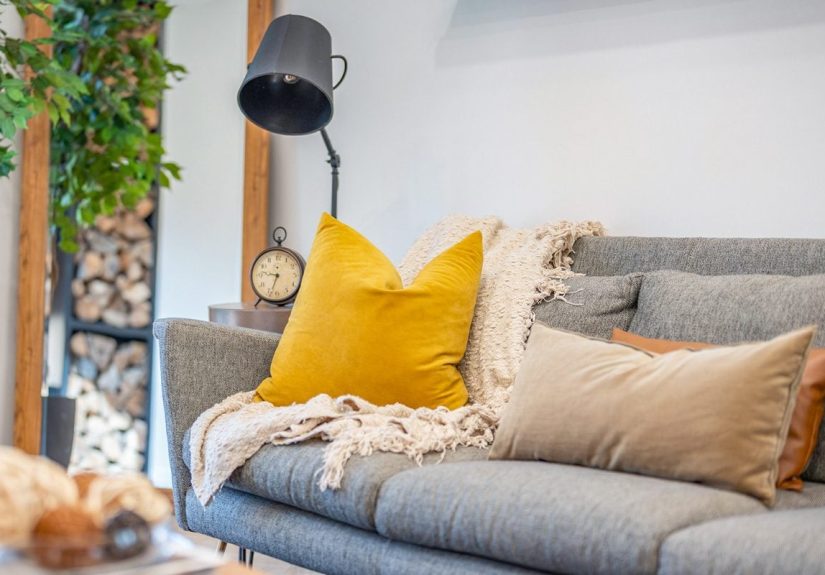
Specific example: If your sofa is neutral, add a caramel throw, a cream knit pillow, and one darker accent pillow
(olive or navy). Suddenly the room feels styledwithout trying too hard.
Bedroom: Make sleep feel like a luxury, not a task
Hygge style in the bedroom is about softness and calm. Start with lighting and bedding, then simplify.
- Swap harsh lighting: use bedside lamps with warm bulbs instead of overhead light at night.
- Upgrade the “touch points”: soft sheets, a quilt, and a throw blanket at the foot of the bed.
- Declutter the nightstand: keep a book, a small dish, and maybe a lampdone.
- Consider “cozy symmetry”: matching lamps aren’t required, but balanced light feels soothing.
Kitchen + Dining: Cozy doesn’t mean complicated
Kitchens can feel busy by nature. Hygge here is less about decor and more about how the space supports everyday
ritualsmorning coffee, simple meals, and relaxed conversation.
- Warm up the table: add placemats, a linen runner, or a wooden board for texture.
- Use open storage carefully: display only the prettiest, most-used items (mugs, bowls).
- Try “soft edges”: a small rug runner (washable), curtains, or a plant by the window.
- Lighting tip: add a small lamp on a counter (yes, really) for evening ambiance.
Bathroom: Mini-spa energy on a normal-person budget
Hygge bathrooms feel warm, clean, and calmnot like a storage closet with a sink. Keep it simple.
- Roll towels in a basket instead of stacking them like a precarious Jenga tower.
- Add one plant (or a realistic faux one if your bathroom gets zero light).
- Use a bath mat with texture and a shower curtain that feels soft, not flimsy.
- Keep surfaces mostly clearstore backups under the sink so your counter can breathe.
Candle note: bathrooms are a common place where items like towels and paper products live. If you use candles, be
extra mindful of safety (or go flameless with LED candles).
Entryway: The “welcome home” moment matters
Hygge begins the second you walk in. Even a tiny entry can feel intentional.
- Add a small tray for keys and sunglasses.
- Use a hook rail or basket system to prevent the “coat pile phenomenon.”
- Place a small lamp or warm light nearby if possibleinstant cozy cue.
- Include one personal touch: a framed photo, a small plant, or a favorite scent.
Home Office: Calm focus beats “hustle bunker”
Hygge style in a work zone is about comfort without distraction. Think: warm lighting, a soft rug, and a chair you
can actually sit in for more than twelve minutes.
- Swap overhead lighting for a desk lamp plus a warm ambient lamp.
- Keep cords tidy with clips or a basketvisual calm helps mental calm.
- Add one cozy element: a throw over the chair or a small cushion behind your back.
Hygge on a Budget (And Without Buying a Lot of Stuff)
The most hygge thing you can do is stop treating coziness like a shopping requirement. In many cases, you’ll get
more hygge by editing, rearranging, and upgrading a few key items rather than replacing everything.
- Shop your home first: move one lamp, steal one throw, relocate one plant.
- Upgrade one “hero” textile: a good throw blanket or an area rug changes the whole room.
- Use secondhand wisely: baskets, solid wood side tables, frames, and lamps are great thrift finds.
- Focus on function: cozy is easier when your space isn’t fighting you (storage solves a lot).
Cozy Safety: Candles, Fireplaces, and Common Sense
Candles and warm light are classic hygge elements, but safety is non-negotiable. Keep flames away from anything
that can burn, never leave them unattended, and use sturdy holders. If you have pets, kids, or a “my sleeves knock
over everything” lifestyle, consider flameless candles or candle warmers designed to avoid open flames.
Hygge Isn’t Just Decor: Simple Rituals That Make a Home Feel Warm
Hygge style comes alive when your home supports the way you want to live. Add small rituals that encourage
presence and comfort.
- The 10-minute reset: a quick tidy at night so mornings feel calmer.
- Tea/coffee corner: keep mugs, tea, or coffee supplies together so the ritual feels special.
- Screen-free pocket: choose one time (even 20 minutes) to read, journal, or stretch.
- Comfort soundtrack: soft music while cooking or cleaning changes the mood fast.
Common Hygge Mistakes (And How to Fix Them)
Mistake: Thinking hygge equals “buy more cozy things”
Fix: choose fewer, better items. One great throw is more hygge than seven mediocre ones that never get used.
Mistake: Overdoing neutrals until the room feels flat
Fix: add depth through texture and one or two darker accents (wood, leather, deep green, navy, charcoal).
Mistake: Keeping harsh overhead lighting as the main light source
Fix: add two smaller light sources in the room (table lamp + floor lamp) and use overhead only when needed.
Mistake: Clutter that cancels the calm
Fix: “contain, don’t scatter.” Baskets, trays, and closed storage create instant visual peace.
Conclusion: Your Home, But Softer
Adding hygge style to any home is less about copying a perfect Scandinavian living room and more about building
comfort on purpose. Warm, layered lighting. Textures that invite you to relax. Natural materials that feel grounded.
Fewer, more meaningful objects. And small rituals that make everyday life feel a little kinder.
Start with one changeswap a bulb, add a throw, clear a surface, create a reading nookand let the feeling guide
the next step. Hygge doesn’t demand a total makeover. It just asks your home to be a place where you can breathe.
Experiences: 5 Real-World Ways Hygge Shows Up at Home (About )
1) The “Lamp Test” Living Room Shift
One homeowner with an open-plan apartment felt like their living room was “fine” but never relaxing. The only light
source was a bright overhead fixture. They tried a simple experiment: two warm lampsone near the sofa and one in a
far cornerplus a small string of twinkle lights behind a plant. The difference was immediate. Even without buying
new furniture, the room stopped feeling like a waiting area. They noticed they watched fewer short, frantic videos
at night and read more, simply because the lighting signaled “slow down.”
2) A Bedroom That Finally Felt Like a Bedroom
Another person realized their bedroom had become a storage unit with a bed in it. Hygge came in through subtraction:
clearing the nightstand, putting laundry in a closed basket, and removing “random piles” that didn’t belong. Then
they added one comfort upgrade: a textured quilt layered over existing bedding and a throw at the foot of the bed.
The result wasn’t fancy, but it felt intentional. Their favorite part wasn’t the lookit was the new habit of
turning on the bedside lamp and reading ten pages before sleep.
3) The 10-Minute Kitchen Cozy Ritual
A busy family wanted hygge without extra chores (a very reasonable request). Their solution was a tiny routine:
after dinner, they did a 10-minute “reset” with musicwipe counters, load the dishwasher, and set out mugs for the
morning. They also added a small lamp on a side counter for evenings. It made the kitchen feel warm after sunset,
and mornings stopped feeling like a chaotic scavenger hunt. The “experience” of the room changed more than the decor
did, which is basically hygge’s whole personality.
4) A Tiny Entryway That Improved Everyone’s Mood
In a small rental, the entryway was a clutter magnet. The hygge fix was practical: hooks for coats, a basket for
shoes, and a tray for keys. But the emotional upgrade came from one cozy detail: a warm bulb in a small lamp on a
narrow table. Coming home felt differentless “drop everything and rush” and more “arrive.” The renter said the
entryway became a mini decompression zone, which is impressive for a space that used to hold mostly backpacks and
regret.
5) A Screen-Free Corner That Actually Got Used
A couple of roommates tried creating a “cozy corner” without banning phones (because realism matters). They placed
one chair by a window, added a soft pillow, a throw blanket, and a small table for tea. They also kept a basket of
magazines and puzzle books nearby. The space became a low-pressure alternative to the couch-and-TV default. Some
evenings they chatted, some evenings they read, and sometimes they just sat there like decorative house cats. The
point was that the home offered a gentle optionand that’s the heart of hygge style.