Table of Contents >> Show >> Hide
- The 10-Minute Mindset: What “Under 10 Minutes” Really Means
- Best Fish for Fast, Flaky Baking
- The #1 Factor: Thickness (Not Weight)
- The Core Method: High-Heat Sheet-Pan Bake (Flaky in 10 Minutes)
- Broiler Shortcut: The “Under 10 Minutes No Matter What” Move
- How to Tell When Fish Is Done (Without Guessing)
- Flavor Without Delay: 4 “Dress-It-Up” Ideas That Don’t Slow You Down
- Common Problems (and How to Fix Them)
- Specific Examples: Realistic 10-Minute Plans
- Food Safety and Storage (Quick but Important)
- of Real-World “Experience” With 10-Minute Baked Fish
- Conclusion
If fish has ever betrayed you, you’re not alone. One minute it’s “I’m basically a seafood chef,” and the next minute your
beautiful fillet turns into dry, sad confetti. The good news: flaky, tender, restaurant-style baked fish in under 10 minutes
is absolutely doableif you cook smart, not long.
The secret isn’t a magical spice blend (although we’ll get to the fun part). It’s high heat + the right thickness + a fast doneness check.
Think of this as the weeknight fish method for people who want dinner now, not an hour-long relationship with their oven.
The 10-Minute Mindset: What “Under 10 Minutes” Really Means
Let’s be honest: preheating your oven can take longer than 10 minutes. When recipes say “cook in 10,” they mean the
fish’s time in the heat. You can still win the speed game by:
- Using very high heat (450°F) or the broiler for intense top heat.
- Choosing quick-cooking cuts (thin fillets, not thick steaks or whole fish).
- Preheating the pan while the oven heats, so the fish starts sizzling immediately.
Best Fish for Fast, Flaky Baking
You want fish that cooks quickly and flakes cleanly. Great options:
Fast, flaky white fish
- Cod (mild, thick enough to stay juicy if you don’t overdo it)
- Tilapia (thin, super fastwatch it closely)
- Pollock (budget-friendly and forgiving)
- Halibut (firmer and pricier; still quick if cut thin)
Rich fish that stays moist
- Salmon (the “I want flaky, but also buttery” champion)
- Arctic char (salmon’s slightly fancier cousin)
- Trout (thin fillets cook lightning-fast)
Skip: extra-thick swordfish steaks, large whole fish, or anything over 1¼ inches thick if speed is the goal.
(Those can be amazingjust not “10-minute amazing.”)
The #1 Factor: Thickness (Not Weight)
Fish time isn’t about ouncesit’s about how far heat has to travel. A 6-ounce fillet can be thin and fast, or thick and slow.
If you remember one rule, make it this:
Plan by thickness: about 4–6 minutes per ½-inch at 450°F, depending on the fish and your oven.
Thin fillets can finish in 6–8 minutes. A 1-inch thick center-cut fillet often lands around 8–10 minutes.
Quick timing guide
| Thickness (thickest part) | 450°F Bake Time | Broil Time (High) | Best for |
|---|---|---|---|
| ¼–½ inch | 5–7 min | 3–5 min | Tilapia, trout, thin cod pieces |
| ¾ inch | 7–9 min | 5–7 min | Most weeknight fillets |
| 1 inch | 8–10 min | 6–8 min | Center-cut salmon, cod, halibut (thin cut) |
Pro move: If your fillet tapers dramatically, fold the thin tail end under itself so the whole piece is closer to one thickness.
That one small tweak can be the difference between juicy and “why is the edge crunchy?”
The Core Method: High-Heat Sheet-Pan Bake (Flaky in 10 Minutes)
What you need
- Fish fillets (ideally ½–1 inch thick)
- Rimmed baking sheet
- Oil or melted butter
- Salt + pepper
- Optional but elite: instant-read thermometer
Step-by-step
- Heat the oven to 450°F. Slide your sheet pan in while it heats. A hot pan = faster cooking and better texture.
- Pat the fish dry. Moisture on the surface makes steam, and steam makes fish cook gently… which is not what we’re doing today.
- Season simply. Brush with oil (or melted butter). Sprinkle with salt and pepper. Keep it basic now; you can get fancy in a minute.
- Carefully place fish on the hot pan. Use tongs or a spatula. Your pan is basically a tiny metal sun.
- Bake 6–10 minutes, depending on thickness. Start checking early. Fish goes from perfect to overcooked faster than a phone battery hits 1%.
- Rest for 1–2 minutes. The fish finishes gently from carryover heat. This helps flaking and keeps juices in place.
Broiler Shortcut: The “Under 10 Minutes No Matter What” Move
If you want the fastest route to browned edges and flaky centers, the broiler is your friend. It’s like an upside-down grill,
and it can cook many fish fillets in 5–8 minutes. Translation: dinner in the time it takes to find the remote.
How to broil fish without chaos
- Position the rack about 5–6 inches from the broiler element (varies by oven).
- Use a rimmed pan and line it for easier cleanup.
- Stay nearby. Broiling is not a “start it and take a shower” situation.
- Check at 4–5 minutes for thin fillets, and 6–7 minutes for thicker pieces.
How to Tell When Fish Is Done (Without Guessing)
Fish is done when it’s opaque, flakes easily, and reaches a safe internal temperature. The most reliable method:
use an instant-read thermometer.
Temperature targets
- 145°F in the thickest part is the widely recommended safe minimum for fin fish.
-
If you prefer salmon slightly softer, some cooks pull it a bit earlier and let carryover heat finish the jobjust understand
you’re choosing texture over the conservative safety target.
No thermometer? Use these cues
- Fork test: Insert a fork and twist gently. The fish should separate into flakes, not resist like rubber.
- Color: Most fish turns from translucent to opaque. Salmon shifts from deep translucent orange to a lighter, opaque tone.
- Edges: Look for the edges turning opaque first; the center should be just opaque by the time you pull it.
Flavor Without Delay: 4 “Dress-It-Up” Ideas That Don’t Slow You Down
You don’t need a complicated marinade to make baked fish taste expensive. You need one strong idea.
Here are four that work especially well at high heat:
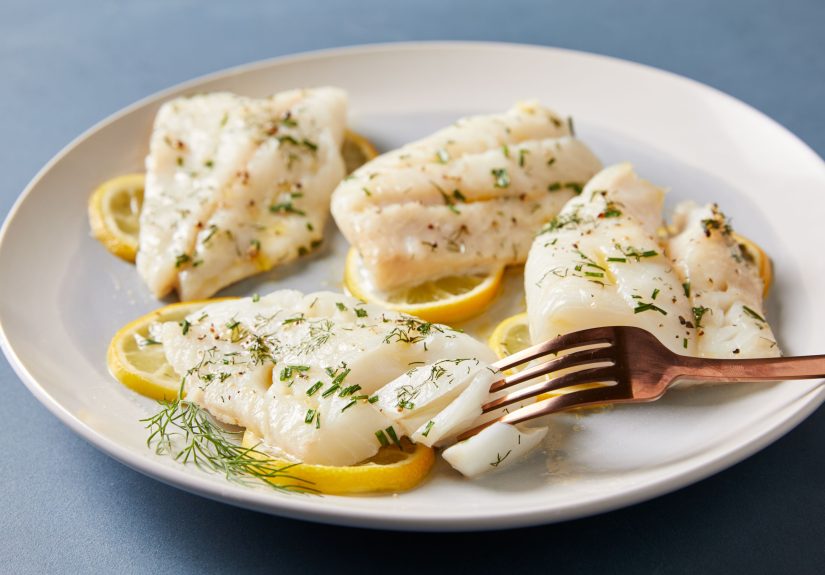
1) Lemon-Herb Butter (classic, bright, foolproof)
Mix melted butter with lemon zest, lemon juice, parsley (or dill), and a pinch of garlic powder.
Brush on before baking. Add lemon slices on top if you want it to look like you tried harder than you did.
2) Dijon + Panko Crunch (crispy top, tender center)
Spread a thin layer of Dijon on the fish. Top with panko mixed with a little oil and pepper. Bake or broil until browned.
This is the “I want texture!” solution.
3) Spicy-Sweet Glaze (weeknight drama, in a good way)
Stir together a spoonful of honey (or maple), a splash of soy sauce, and a pinch of chili flakes.
Brush on during the last 2 minutes so it caramelizes without burning.
4) Mediterranean Quick Topper (fresh, salty, no cooking required)
Bake fish simply with salt and oil. When it comes out, top with chopped tomatoes, olives or capers, a little feta,
and a drizzle of olive oil. Hot fish + cool topping = instant restaurant energy.
Common Problems (and How to Fix Them)
“My fish is dry.”
- You likely overcooked it by 1–3 minutes. Start checking earlier next time.
- Choose slightly thicker fillets or fattier fish (salmon, char) for a wider margin of error.
- Use a topping (butter, panko, sauce) that protects the surface from drying.
“It’s not flakyit’s mushy.”
- The fish may be undercooked, or it may have released a lot of moisture because it wasn’t dried well.
- Pat dry before seasoning. Consider the hot pan trick for better surface heat.
- Give it a 1–2 minute rest; flakes often form more cleanly after a short pause.
“The thin end is overcooked but the thick end isn’t.”
- Fold the thin end under itself to make the piece more even.
- Or: cut the thin section off and cook it for 2–3 fewer minutes.
Specific Examples: Realistic 10-Minute Plans
Example A: ¾-inch cod fillets (family dinner)
- Oven: 450°F
- Season: oil, salt, pepper, lemon zest
- Time: 8 minutes (start checking at 7)
- Finish: squeeze lemon, sprinkle parsley, serve with microwaved steam-in-bag veggies or a quick salad
Example B: thin tilapia (fastest possible)
- Method: broil
- Season: paprika, salt, pepper, drizzle of oil
- Time: 4–5 minutes under the broiler
- Finish: top with salsa or chopped avocado + lime
Example C: center-cut salmon (weeknight “nice”)
- Oven: 450°F, hot pan
- Season: salt, pepper, Dijon + panko topping
- Time: 9–10 minutes
- Finish: serve with rice and a quick cucumber salad
Food Safety and Storage (Quick but Important)
- Refrigerate cooked fish within 2 hours (sooner if it’s sitting in a warm kitchen).
- Store in an airtight container and eat within 3–4 days for best quality.
- Reheat gently (lower oven temp or short microwave bursts) to avoid turning it dry.
of Real-World “Experience” With 10-Minute Baked Fish
The funniest thing about learning to bake fish quickly is that the biggest struggle usually isn’t fishit’s confidence.
Many home cooks approach seafood like it’s a high-stakes exam. They hover, they panic, they keep checking, then they “just add
two more minutes to be safe,” and suddenly the fish is drier than a comedy club on a Tuesday afternoon.
One common experience: the first time you try high-heat fish, it feels almost wrong. You’re used to chicken taking 25–35 minutes,
so your brain says, “There is no way dinner is ready.” But fish is built differently. It’s tender, it’s delicate, and it’s basically
begging you not to treat it like a pork roast. When you finally pull a fillet at the 7–9 minute mark and it flakes cleanly, it feels
like you’ve unlocked a small life cheat code.
Another classic moment is the “thickness surprise.” You buy two fillets, and they look similar in the packagethen you unwrap them
and realize one is a chubby center-cut and the other is a thin little tail piece that would cook in the time it takes you to pour water.
People who get great results consistently tend to do one of two things: fold the thin end under, or cook pieces separately by thickness.
It’s not fancy; it’s just respecting physics.
Then there’s the seasoning learning curve. Early on, many folks either under-season (because fish is “delicate”) or over-season (because
fish is “scary”). The sweet spot is bold but simple: salt plus one main directionlemon-herb, spicy-sweet glaze, crunchy panko, or a fresh
topping afterward. Once you realize fish doesn’t need a 12-ingredient marinade to taste incredible, you stop treating dinner like a project
and start treating it like a win.
The most satisfying experience is when baked fish becomes your reliable “I have no time” meal. You’ll start keeping a few staples around:
frozen fillets, lemons, Dijon, panko, maybe a jar of capers. On tired nights, you can pat fish dry, season, slide it onto a hot pan, and
suddenly you’re eating something that feels like an adult choice (without requiring adult-level energy).
And yeseveryone eventually has a broiler moment. The broiler can deliver gorgeous browning fast, but it also teaches humility. The line
between “beautifully blistered” and “I made fish jerky by accident” is thin. The experienced move isn’t being fearless; it’s being present.
Stay close, check early, and remember: you can always cook fish a little longer, but you cannot un-cook it. Not even with positive thinking.
Conclusion
Baking fish to flaky perfection under 10 minutes isn’t luckit’s a repeatable method. Choose the right thickness, cook hot and fast,
and check doneness early. Once you’ve got the timing down, fish becomes one of the quickest, healthiest, most satisfying dinners you can
make on a busy nightno culinary stress spiral required.