Table of Contents >> Show >> Hide
- Why pressure-cook rice and grains?
- The 4 levers that control everything
- The foolproof method (works for most rice and grains)
- Release methods: the difference between fluffy and “why is it wet?”
- Cheat sheet: rice and grains in a pressure cooker
- Flavor upgrades (because plain rice is sometimes… very honest)
- The pot-in-pot method (tiny grain batches without drama)
- Common problems (and fixes that actually work)
- Food safety for cooked rice and grains (important, not dramatic)
- Quick examples you can use this week
- Real-world experiences: what usually happens when you start cooking grains this way (and how to win)
- Conclusion
If your pressure cooker is mostly being used to “make chili once a year and frighten the cat,” we need to talk. An electric pressure cooker is basically a grain machine: it can crank out fluffy rice, nutty brown rice, tender farro, poppy quinoa, and cozy steel-cut oats with a level of consistency that makes stovetop cooking feel like an improv class.
This guide is built for real kitchens and real schedules. You’ll learn the pressure-cooker logic behind rice and grains (so you can adapt to your model), get a practical cheat sheet, and pick up fixes for the classic “why is this sticky / crunchy / scorched?” momentswithout turning dinner into a science fair.
Why pressure-cook rice and grains?
- Less evaporation = predictable results. A sealed pot loses far less water than an open saucepan, so ratios can be tighter.
- Hands-off cooking. Once it’s locked and running, you’re free to prep the rest of dinner (or stare into the fridge like it owes you money).
- Batch-friendly. Cook once, eat for daysgrain bowls, fried rice, soups, breakfast porridge, and “I swear this is a planned meal.”
- Better texture control. With a few simple adjustments (water, time, release), you can dial in fluffy, chewy, or creamy on purpose.
The 4 levers that control everything
Every rice or grain recipe in a pressure cooker is just these four levers in a trench coat:
- Water ratio (more water = softer; less water = firmer, more separate grains)
- Cook time at pressure (longer = more tender; shorter = more bite)
- Pressure level (some cookers offer low/high; low can be gentler for delicate rice)
- Release method (natural release finishes cooking and helps absorption; quick release stops cooking faster)
The foolproof method (works for most rice and grains)
Use this as your default workflow. Then tweak with the cheat sheet below.
Step 1: Rinse (usually)
Rinsing removes surface starch that can make rice gluey and grains foamy. Rinse rice and most whole grains in a fine-mesh strainer until the water runs clearer. Exception: rolled oats (don’t rinse) and some “quick” grains that are meant to be creamy.
Step 2: Add grain + water + salt (and maybe fat)
Add the rinsed grain to the pot, then water (or broth), plus salt. A small amount of oil or butter can improve separation and reduce foamingespecially helpful for oats.
Step 3: Pressure cook
Lock the lid, set the valve to sealing, and cook according to the grain type. Remember: the cooker needs time to come to pressure before the timer really “starts.” (So yes, your “3-minute rice” will take longer than 3 minutes. Life is cruel.)
Step 4: Release, rest, fluff
For many grains, a 10-minute natural release (then vent) gives more even texture. After opening, fluff rice with a fork or paddle. For grains that are cooked in extra water, drain well and let them steam-dry for a minute before serving.
Release methods: the difference between fluffy and “why is it wet?”
- Natural release (NR): Let pressure drop on its own. Best for rice and grains when you want absorption and even cooking.
- Timed natural release: Wait 10 minutes, then vent. A sweet spot for lots of rice types.
- Quick release (QR): Vent immediately. Useful when you’re cooking grains in extra water you plan to drain, or when you want to stop cooking fast.
If you’re unsure, start with a 10-minute timed natural release. It’s the culinary equivalent of “turn it off and on again.”
Cheat sheet: rice and grains in a pressure cooker
These are practical starting points. Models vary, and so do preferences (some people love firmer grains; others want spoonable comfort). Use the “Texture Tweaks” notes to adjust without panic.
| Grain | Water Ratio (grain:water) | Cook Time at Pressure | Release | Texture Tweaks |
|---|---|---|---|---|
| Long-grain white rice | 1:1 to 1:1.25 | High 3–10 min (or Low 12–15 min, if available) |
10-min NR, then vent | Sticky? Rinse more + reduce water. Too firm? Add 2 Tbsp water per cup and rest 5 min. |
| Jasmine rice | 1:1 to 1:1.25 | High 3–5 min | 10-min NR, then vent | Prefer softer jasmine? Move toward 1:1.25 and keep the 10-min NR. |
| Basmati rice | 1:1 to 1:1.25 | High 4–6 min | 10-min NR, then vent | Want extra separated grains? Use 1:1 water and fluff, then let steam escape 2–3 min. |
| Short-grain / sushi-style rice | 1:1 to 1:1.2 | High 4–6 min | 10–15 min NR | Short grain likes a slightly longer rest; don’t rush the release. |
| Brown rice (long grain) | 1:1 to 1:1.25 | High 15–25 min | 10-min NR (or QR if cooking in extra water you’ll drain) | Chewier? Add 2–3 min. Softer? Increase water slightly (start with +2 Tbsp per cup). |
| Wild rice | 1:2 (often cooked in extra water) | High 20–25 min | 5–10 min NR, then vent | If cooking in extra water, drain well; wild rice varies a lot by brand and age. |
| Quinoa | 1:1 to 1:1.25 | High 1 min | 10-min NR, then vent | Bitter? Rinse thoroughly. Wet? Fluff and let steam escape a few minutes. |
| Farro (whole) | 1:2 to 1:3 (often drained) | High 10–15 min | QR (if draining) or short NR | Like it al dente? Use the shorter end and drain; creamy “risotto vibe”? Use less water and stir after. |
| Pearled barley | 1:2 to 1:2.5 (often drained) | High ~20 min | QR (if draining) | If you want less draining, use a slightly lower water ratio and rest 10 minutes after. |
| Steel-cut oats | 1:3 | High 5–15 min | NR (full or timed) | Foaming? Add a little butter/oil and consider pot-in-pot. Creamier? Go longer within the range. |
| Rolled oats | 1:2 | High ~2 min | NR (timed) | Rolled oats turn fastdon’t overdo time or they’ll go from “breakfast” to “wallpaper paste.” |
Flavor upgrades (because plain rice is sometimes… very honest)
- Swap water for broth (or half broth/half water) for savory grains.
- Add aromatics like smashed garlic cloves, a bay leaf, ginger slices, or scallion whites.
- Use fat wisely: 1–2 teaspoons of oil or butter per cup of dry grain helps separation and mouthfeel.
- Finish bright: lemon zest, lime juice, chopped herbs, toasted nuts, or a drizzle of olive oil after cooking.
The pot-in-pot method (tiny grain batches without drama)
If your cooker tends to scorch small batches, or you want to cook rice while something else cooks underneath, use pot-in-pot:
- Add 1 to 1½ cups of water to the main insert (enough to create steam).
- Put rice/grain + measured water in an oven-safe bowl that fits inside your cooker.
- Set the bowl on a trivet above the water, then pressure cook as usual.
- Use a natural release when possible for best texture.
Pot-in-pot is also great for oats (less foaming) and for keeping grains clean-tasting when the main pot is cooking something strongly flavored.
Common problems (and fixes that actually work)
“Burn” warning or scorching
- Cause: not enough thin liquid, thick sauces sitting on the bottom, or starch settling and scorching.
- Fix: stop the cooker, vent safely, scrape the bottom clean, add a splash of water/broth, and restart.
- Prevention: rinse rice, avoid thick sauces under pressure, and consider pot-in-pot for small batches.
Mushy rice
- Cause: too much water, too long at pressure, or too long on “keep warm.”
- Fix: fluff immediately, then let it steam off uncovered for 3–5 minutes. Next time reduce water by 2 Tbsp per cup.
Crunchy rice
- Cause: not enough water, uneven absorption, or too quick of a release.
- Fix: add 2–3 Tbsp water per cup of cooked rice, close lid, rest 5 minutes (no pressure needed), then fluff.
Gummy or sticky texture
- Cause: surface starch + over-stirring.
- Fix: rinse better, don’t stir before cooking, and fluff gently. For extra separation, spread rice on a tray for 2 minutes to release steam.
Food safety for cooked rice and grains (important, not dramatic)
Cooked rice can become unsafe if it sits warm for too long, because certain bacteria can survive cooking and grow when rice lingers at room temperature. The fix is simple: cool quickly and refrigerate promptly.
- Move cooked rice/grains into shallow containers so they cool faster.
- Refrigerate within 1–2 hours (earlier is better), then keep cold.
- Eat refrigerated rice within 3–5 days (many food-safety references land in this range).
- When reheating, heat until piping hotaim for an internal temperature of 165°F.
Texture tip: add a tablespoon or two of water per cup of rice, cover loosely, and let it steam while reheating.
Quick examples you can use this week
1) Weeknight grain bowls
Cook quinoa or farro with broth, then top with roasted veggies, a protein, something crunchy (nuts/seeds), and a bright sauce. Your pressure cooker just built dinner like a LEGO set.
2) “Restaurant” cilantro-lime rice
Cook long-grain white rice with water + salt. After cooking, fold in lime zest, lime juice, chopped cilantro, and a small pat of butter.
3) Cozy breakfast steel-cut oats
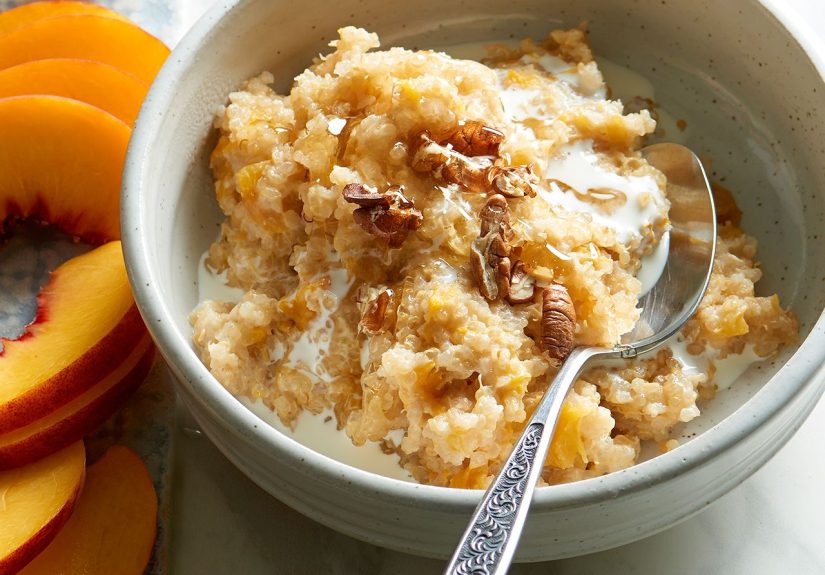
Toast oats in a little butter using sauté, add water + salt, then pressure cook. Finish with maple syrup, fruit, toasted nuts, and a pinch of flaky salt (yes, really).
4) Meal-prep barley for soups
Cook pearled barley in a bit of extra water, drain, then freeze flat in a zip-top bag. Toss frozen barley straight into soup near the end.
5) Fried rice that doesn’t collapse into sadness
Pressure-cook rice using the lower end of the water ratio for firmer grains. Chill it overnight. The next day, it fries like a champ instead of steaming itself into mush.
Real-world experiences: what usually happens when you start cooking grains this way (and how to win)
The first “experience” most people have is emotional, not culinary: you set the timer for three minutes and then watch the cooker spend ten minutes thinking about its life choices before it even starts counting down. That preheat time is normal. It’s also why pressure-cooker rice feels magically hands-off rather than magically instant. The win is that the rice is cooking while you’re doing other thingschopping vegetables, scrambling eggs, or finding the missing measuring cup that has clearly joined a traveling circus.
Experience #2 is discovering that the release is the difference between “wow, fluffy” and “why is this wet?” Many cooks try a quick release because they’re hungry (valid), then wonder why the texture is uneven. A short natural release tends to calm everything down: it lets bubbling subside, finishes the internal cooking, and gives the grains time to absorb the last bit of moisture. When people switch to a 10-minute natural release, the rice suddenly looks like it belongs in a nice bowl instead of a sad ladle.
Experience #3: the “one-cup batch that scorches.” Smaller amounts can be trickier in some cookers because there’s less mass and less wiggle room for moisture. If you’ve ever opened the lid to find a thin toasted layer on the bottom (not the fun kind of toasted), you’re not alone. Two fixes usually solve it: (1) make a larger batch and freeze portions, or (2) use the pot-in-pot method so the grain bowl steams gently above water. Pot-in-pot also becomes your secret weapon when you want rice cooking on the side while the main pot does something boldlike a garlicky stew that would otherwise perfume your rice like a candle shop.
Experience #4: you start treating grains like meal components instead of “a side.” Once you realize you can cook a batch of quinoa or farro and keep it in the fridge, weeknight dinners get suspiciously easy. Leftover grains become salad boosters, soup thickeners, breakfast bases, and “I can’t be bothered” lunches. A common rhythm is: cook grains on Sunday, use them in bowls Monday, fold them into soup Tuesday, toss them into a skillet with veggies Wednesday, and freeze what’s left before it gets old. The pressure cooker doesn’t just cook fasterit makes the habit of eating grains easier.
Experience #5 is the inevitable experimentation phase. People start swapping water for broth, adding bay leaves, tossing in garlic, toasting oats in butter, and trying different rice textures. This is where you learn the best pressure-cooker truth: you don’t need a new recipe every timeyou need a stable method and a small adjustment. Too soft? Less water. Too chewy? More time. Too sticky? Rinse better. The experience feels empowering because it’s repeatable. Once you’ve nailed your favorite white rice texture and your favorite brown rice bite, you’re basically running a tiny grain restaurant out of your kitchen. Tipping is optional, but compliments are encouraged.
Conclusion
Pressure-cooker rice and grains get easier (and better) the moment you stop hunting for “the one perfect time” and start using the four levers: ratio, time, pressure level, and release. Begin with the cheat sheet, adjust by small increments, and you’ll land on your personal “perfect” faster than you think. And if you ever end up with extra rice? Congratulationsyou’re 24 hours away from elite fried rice.