Table of Contents >> Show >> Hide
- Why Nicotine Stains Are So Hard to Remove
- What You’ll Need
- How to Get Rid of Nicotine Stains on Walls: 12 Steps
- Step 1: Ventilate the Room First
- Step 2: Remove Dust and Dry Debris
- Step 3: Protect Floors, Furniture, and Outlets
- Step 4: Mix the Right Cleaning Solution
- Step 5: Test a Small Hidden Spot
- Step 6: Wash in Small Sections From Top to Bottom
- Step 7: Change the Water Often
- Step 8: Treat Stubborn Areas Separately
- Step 9: Rinse the Walls With Clean Water
- Step 10: Let Everything Dry Completely
- Step 11: Prime if Yellowing or Odor Remains
- Step 12: Repaint for a Clean, Finished Look
- When Cleaning Alone Is Not Enough
- Common Mistakes to Avoid
- Best Tips for Keeping Walls Cleaner Afterward
- Real-Life Experiences With Nicotine-Stained Walls
- Conclusion
- SEO Tags
Nicotine stains on walls are the uninvited guests that never seem to leave. They cling, yellow, smell odd, and somehow manage to make a freshly cleaned room look like it still needs an apology. If you have moved into a smoker’s home, inherited a room with years of cigarette residue, or simply noticed that your “eggshell white” wall now looks suspiciously “old receipt beige,” do not panic. You can clean nicotine stains off walls, but the trick is knowing when to wash, when to rinse, and when to admit that primer needs to enter the chat.
This guide walks you through 12 practical steps to remove nicotine stains from walls safely and thoroughly. It also explains why some stains come right off while others keep bleeding through paint like a bad sequel nobody asked for. Whether your walls are painted drywall, plaster, or lightly textured surfaces, these steps will help you clean up sticky smoke residue, reduce lingering odor, and decide when repainting is the smartest move.
Why Nicotine Stains Are So Hard to Remove
Nicotine stains are not just surface dust with a dramatic color palette. Cigarette smoke leaves behind a sticky film made up of tar, oils, and other residue that settles on walls, ceilings, trim, vents, and just about any surface that stands still long enough. Over time, that film attracts more dirt and can soak into paint. That is why smoke-stained walls often look yellow, feel grimy, and still smell unpleasant even after a quick wipe-down.
In mild cases, a careful wash is enough. In heavier cases, cleaning removes the grime but not the discoloration or odor trapped below the surface. That is when a stain-blocking primer becomes the hero of the story.
What You’ll Need
- Rubber gloves
- Safety glasses
- Bucket or two
- Warm water
- Microfiber cloths or soft sponges
- Mild dish soap
- TSP substitute or a wall-washing degreaser
- White vinegar for light odor help
- A step ladder
- Drop cloths or old towels
- Painter’s tape if needed
- Stain-blocking primer and paint for severe cases
Important safety note: Never mix bleach with ammonia or other cleaners. Open windows, wear gloves, and work in a well-ventilated room. Also, if your home is older and the paint may date back to before 1978, avoid aggressive sanding until you rule out lead paint.
How to Get Rid of Nicotine Stains on Walls: 12 Steps
Step 1: Ventilate the Room First
Before you do anything, open windows and doors. Turn on fans if you have them. Cleaning smoke residue can stir up odors and chemical fumes from your cleaning products, so fresh air matters. This step is not glamorous, but it keeps the room more comfortable and helps the walls dry faster later.
Step 2: Remove Dust and Dry Debris
Use a microfiber duster, dry cloth, or vacuum with a soft brush attachment to remove loose dust, cobwebs, and surface debris from the walls. Start at the top and work down. This prevents you from rubbing dry grit into the paint while washing. Think of it as brushing crumbs off the table before you try to mop syrup. Same principle. Less regret.
Step 3: Protect Floors, Furniture, and Outlets
Lay down drop cloths or old towels along the baseboards. Move furniture away from the wall if possible. Remove outlet covers and switch plates so you can clean around them properly. Nicotine residue loves trim, corners, and anything people forget to wipe. Those little plastic covers often stay yellow even when the walls improve, so cleaning or replacing them can make a surprisingly big difference.
Step 4: Mix the Right Cleaning Solution
For most walls, warm water with a small amount of dish soap and a TSP substitute works well. Follow the cleaner’s label instructions instead of guessing like a TV chef. For lighter staining or follow-up deodorizing, a mixture of warm water, white vinegar, and a few drops of dish soap can also help. The goal is to cut grease and smoke film without damaging the wall finish.
If your walls have delicate paint, wallpaper, or a very flat finish, use the gentlest solution possible and do not oversaturate the surface.
Step 5: Test a Small Hidden Spot
Before washing the whole wall, test your solution behind furniture or near the bottom edge of the wall. Some paints soften, streak, or lose sheen when scrubbed too aggressively. A hidden test spot lets you see how the finish reacts before you turn a stain problem into a paint problem.
Step 6: Wash in Small Sections From Top to Bottom
Dampen a sponge or microfiber cloth with your cleaning solution and wring it out well. Clean a small section at a time, starting near the top of the wall and moving downward. Yes, you read that correctly. Top to bottom. This keeps dirty drips from running down over areas you already cleaned.
Use light to moderate pressure. You are trying to lift sticky residue, not audition for a drywall demolition show. On textured walls, dab and wipe carefully so you do not shred the texture or leave fuzzy sponge confetti behind.
Step 7: Change the Water Often
Once the bucket water turns yellow-brown, congratulations: you have proof the grime is leaving the wall. Less exciting news: that water is no longer helping. Replace it often. If you keep washing with dirty water, you may just spread the nicotine film around and create streaks. Fresh solution and clean cloths make the job faster in the long run.
Step 8: Treat Stubborn Areas Separately
Some spots need a second or third pass, especially above vents, near ceilings, around door frames, or in rooms where smoking happened for years. Reapply your cleaner, let it sit briefly if the product label allows, then wipe again. Avoid harsh scrubbing pads unless the surface can handle them.
If a stain is still visible but the surface feels cleaner, that usually means the residue has penetrated the paint. At that point, endless scrubbing is more likely to waste your afternoon than solve the issue.
Step 9: Rinse the Walls With Clean Water
After washing, wipe the area again with a clean cloth dampened with plain water. This removes leftover cleaner residue, which matters more than many DIY guides admit. Soap, degreaser, or TSP substitute left on the wall can interfere with primer and paint adhesion later. In other words, rinse now so your future self does not have to repaint twice.
Step 10: Let Everything Dry Completely
Walls need to dry fully before you decide whether the stains are gone. A damp wall can temporarily hide discoloration and fool you into thinking the cleaning worked better than it did. Give the room several hours, or overnight for heavily washed areas. Once dry, inspect the wall in daylight if possible. That is when the truth reveals itself, usually without mercy.
Step 11: Prime if Yellowing or Odor Remains
If the wall still looks stained or smells smoky after cleaning, use a stain-blocking primer made for smoke and nicotine damage. This is often the turning point in serious cases. Products designed for stain and odor blocking can seal in discoloration and keep it from bleeding through fresh paint.
For heavy nicotine stains, shellac-based or oil-based primers are often recommended. Some modern water-based restoration primers are also made specifically for smoke, nicotine, and odor problems. Read the label carefully and choose one meant for severe staining. Spot-prime small areas if the damage is limited, or prime the full wall if the room has widespread yellowing.
Step 12: Repaint for a Clean, Finished Look
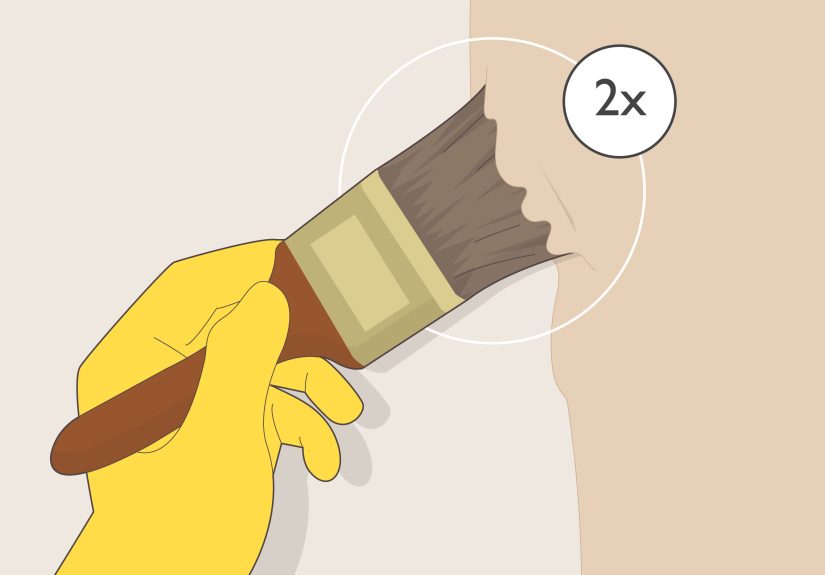
Once the primer dries according to label directions, repaint the wall with your chosen interior paint. In mild cases, you may not need this step. In heavier cases, repainting is what takes the room from “better” to “finally normal.” Use even coats, allow proper drying time, and do not forget the trim, ceiling line, and corners if they were exposed to smoke too.
If odor still lingers after cleaning and repainting, the residue may also be in ceilings, vents, insulation, carpets, curtains, or HVAC components. At that point, cleaning just the walls may not be enough.
When Cleaning Alone Is Not Enough
Sometimes nicotine stains are less of a cleaning task and more of a restoration project wearing a cleaning task’s name tag. Here are signs you may need more than soap and patience:
- The walls still look yellow after they dry
- The smell comes back within a day or two
- Fresh paint develops yellow bleed-through spots
- Ceilings, trim, and vents are also heavily coated
- The room has years of smoke exposure or visible tar drips
In those situations, a stain-blocking primer is not optional. It is part of the fix. And if residue extends into ductwork, insulation, or textured ceilings, professional smoke remediation may save time, money, and sanity.
Common Mistakes to Avoid
- Using too much water: Soaked drywall is nobody’s dream project.
- Skipping the rinse step: Cleaner residue can sabotage paint adhesion.
- Scrubbing too hard: You can burnish paint or damage texture.
- Painting over stains without priming: Yellow stains love a comeback tour.
- Mixing random chemicals: That is how a cleaning day becomes an emergency.
Best Tips for Keeping Walls Cleaner Afterward
Once the walls are clean, the best maintenance strategy is simple: keep smoke out of the room. If smoking indoors continues, the stains will return. Air purifiers can help with particles, but they do not replace cleaning and smoke-free habits. Wiping walls occasionally with a mild solution, cleaning vents, and replacing yellowed outlet covers can help the room stay fresher longer.
Real-Life Experiences With Nicotine-Stained Walls
Anyone who has ever cleaned nicotine stains off walls knows the emotional journey is strangely dramatic. It starts with confidence. You look at the wall, grab a sponge, and think, “How bad could it be?” Then the first wipe happens, and the cloth comes away looking like it survived a barbecue inside a chimney. That is usually the moment the room stops being “a quick refresh” and becomes “an entire weekend.”
One of the most common experiences people describe is surprise at how much residue hides in places that seem clean at first glance. The walls may only look slightly yellow, but the trim, curtain rods, upper corners, and tops of door frames tell the real story. As you clean, you begin to notice color differences everywhere. A patch behind a picture frame suddenly looks bright white compared to the rest of the wall. An outlet cover that once seemed fine now looks the color of old vanilla pudding. It is humbling.
Another common lesson is that nicotine stains are as much about smell as appearance. Many people wash the walls once, step back proudly, and think the problem is solved. Then the room dries, warms up in the afternoon, and that stale smoke odor sneaks back into the air like it pays rent. That experience teaches an important truth: cleaning removes a lot, but deep smoke exposure often needs sealing and repainting too. This is especially true in bedrooms, living rooms, and rental properties where smoking happened indoors for years.
There is also a very specific satisfaction that comes from changing the cleaning water and seeing just how much grime is leaving the wall. Disgusting? Absolutely. Motivating? Also yes. Each bucket of murky water is proof that the wall is improving. It turns the project into a weirdly rewarding before-and-after process. Not glamorous, but deeply convincing.
People also tend to remember the moment they realize that speed is not the goal. Small sections, clean cloths, and patience always work better than racing through the room. The slow-and-steady approach prevents streaks, protects the paint, and gives you a better chance of spotting areas that need primer rather than more scrubbing. In real homes, that distinction matters. It can save hours.
And finally, there is the repainting stage. After all the washing, rinsing, drying, and priming, the first coat of fresh paint feels almost absurdly satisfying. The room stops looking tired and starts looking livable again. Many people say this is when the project finally feels worth it. The walls look brighter, the air feels cleaner, and the room no longer carries that faint “someone smoked here in 2009 and the wall never forgot” energy.
So if you are in the middle of cleaning nicotine stains and wondering whether the mess is normal, it is. If the water is ugly, if the cloths are ruined, and if you are suddenly judging every vent cover in the house, you are doing it right. This is one of those projects where persistence beats perfection. Clean thoroughly, rinse properly, prime when needed, and do not let a stubborn yellow wall convince you it is permanent. It usually is not. It is just obnoxious.
Conclusion
If you want to get rid of nicotine stains on walls, the winning formula is simple: dry clean first, wash with the right solution, rinse well, let the wall dry, and use a stain-blocking primer if discoloration or odor remains. Light staining may come off with careful cleaning alone, but heavier cigarette residue often needs both cleaning and sealing. The key is not brute force. It is smart prep, clean technique, and knowing when the wall needs primer instead of more punishment.
Take your time, work in small sections, and remember: nicotine stains may be stubborn, but they are not magic. They just act like it.