Table of Contents >> Show >> Hide
- Why Beets Belong in Your Garden
- Choose the Right Beet Varieties
- When to Plant Beets
- Soil Prep: Where Great Beets Begin
- How to Plant Beets (Step-by-Step)
- Thinning: The Beet Parenting Moment
- Watering Beets the Right Way
- Fertilizing and Feeding
- Weeding and Mulching
- Growing Beets in Containers
- Common Pests and How to Handle Them
- Common Diseases and Prevention
- Companion Planting and Crop Rotation
- When and How to Harvest Beets
- How to Store Beets (So They Don’t Turn Into Sad Wrinkly Orbs)
- Troubleshooting Beet Problems
- Quick Beet Care Checklist
- Real-Garden Experiences: What Actually Happens When You Grow Beets
- Conclusion
Beets are the rare garden crop that gives you two harvests for the price of one: sweet, earthy roots and
glossy greens that act like spinach’s slightly more dramatic cousin. They’re also a cool-season crop, which means
you can be planting while your summer tomatoes are still taking a victory lapor while your neighbors are still
“waiting for it to warm up.” (Beets do not wait. Beets judge.)
This guide walks you through beet care from seed to storage: choosing varieties, prepping soil, planting, thinning,
watering, feeding, managing pests and diseases, and harvesting roots and greens at peak tendernessplus a longer,
real-life “what actually happens in gardens” section at the end.
Why Beets Belong in Your Garden
They’re efficient, resilient, and surprisingly versatile
Beets tolerate chilly weather, mature quickly (often in about two months, depending on variety and conditions),
and can be succession-planted for steady harvests. Roast them, pickle them, shred them raw into salads, or blend
them into smoothies when you want your breakfast to look like it has secrets.
You get roots and greens
Beet greens are edible and nutritious, especially when young and tender. If you’ve ever bought beets with tops
attached at the store, you already know: the greens aren’t a garnishthey’re dinner.
Choose the Right Beet Varieties
Most gardeners start with “table beets” (also called beetroot). But variety choice can improve flavor, color, and
performance in your climate.
Popular types to consider
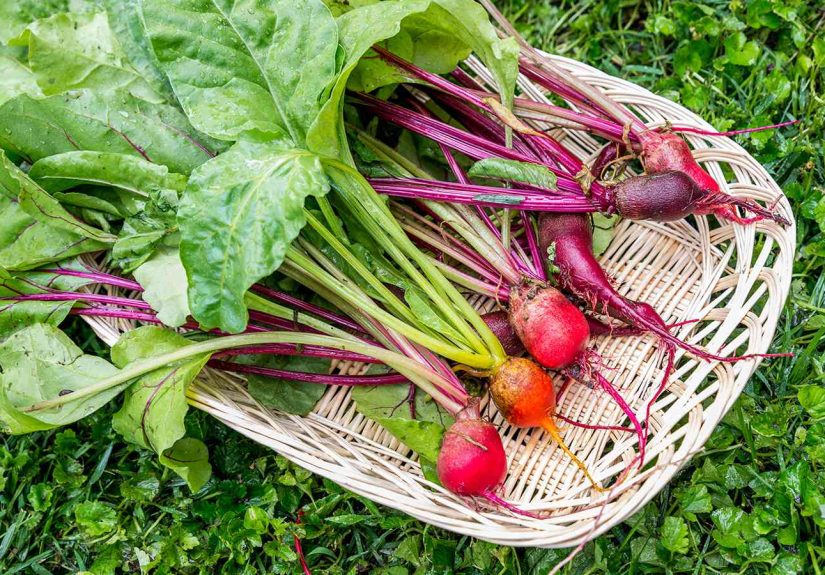
- Classic red beets: dependable flavor and color; great for roasting and pickling.
- Golden beets: milder and less likely to “dye” everything in your kitchen.
- Striped (chioggia) beets: pretty candy-cane ringsbest roasted gently to keep color.
- Baby-leaf focused plantings: varieties bred for abundant greens can be harvested young.
If your summers get hot fast, lean toward quick-maturing types and plan spring and fall plantings. In milder
climates, you may be able to grow beets through winter.
When to Plant Beets
Beets prefer cool weather. Seeds can germinate in cool soil, but they’ll perform best when the soil is workable,
consistently moist, and not baking. Many growers plant in early spring and again in late summer for a fall crop.
Temperature targets (practical, not perfectionist)
- Minimum soil temperature: around the low-to-mid 40s °F for sprouting (they’ll be slower when colder).
- Best germination range: moderate temps; very high heat can reduce germination and stress seedlings.
- Best growing weather: cool to mild; extreme heat can make roots tougher and plants more prone to bolting.
Translation: plant earlier than you think, and don’t let seeds dry out. Beets can forgive many things, but they do
not forgive drought during germination.
Soil Prep: Where Great Beets Begin
Texture and depth matter
Beets form best in loose, well-drained soil. Rocky or compacted ground can cause forked, misshapen roots.
If your soil is heavy clay, improve it with compost and make sure the bed is loosened deeply.
pH and fertility
Aim for a slightly acidic to neutral soil pH (roughly around 6.0–6.8 is a commonly recommended range).
Beets don’t need excessive nitrogen; too much can lead to lush tops and smaller roots. Compost plus a balanced,
modest fertilizer is usually plenty.
A quick word about “beet flavor”
Beet flavor is shaped by variety, soil, and growing conditions. Stressed plants (heat, uneven watering, compacted
soil) tend to produce tougher, more strongly flavored roots. Consistency is your best seasoning.
How to Plant Beets (Step-by-Step)
Beet “seeds” are actually little clusters (botanically, fruits) that can sprout multiple seedlings. That’s why
thinning is non-negotiableunless you want a beet traffic jam underground.
Planting depth and spacing
- Depth: about 1/2 inch is a solid default; slightly deeper in very sandy soil, shallower in fine soils.
- Initial spacing: place seeds about 1–2 inches apart in rows or beds.
- Row spacing: commonly around 12–18 inches (beds can be tighter if you can reach to weed and harvest).
Watering after sowing
Water gently but thoroughly after planting. Keep the seedbed evenly moist (not swampy) until seedlings are up and
established. Dry crusted soil is a classic reason for poor stands.
Succession planting for a steady harvest
For continuous roots, sow a small patch every 2–3 weeks during your cool window. This avoids the “help, I have 40
beets and no plan” moment. (Or embrace it and start pickling like you’re opening a deli.)
Thinning: The Beet Parenting Moment
Once seedlings are a few inches tall, thin them so the remaining plants have room to form proper roots.
Most gardens do well with a final spacing of about 3 inches between plants for standard table beets.
If you want bigger roots, give them a bit more room.
How to thin without heartbreak (or root damage)
- Snip, don’t yank: use scissors to cut extras at soil level to avoid disturbing nearby roots.
- Eat the thinnings: tiny beet greens are tender and great in salads or quick sautés.
- Thin in stages: you can delay the final thinning until the “extras” are baby-beet size and edible.
Watering Beets the Right Way
Consistent moisture is the difference between sweet, tender roots and woody disappointments.
Beets like evenly moist soil, especially during germination and root bulking.
What “consistent” looks like
- Water deeply when the top inch or so begins to dry, then let the bed drain.
- Mulch (straw, shredded leaves, fine bark) to reduce evaporation and temperature swings.
- Avoid big cycles of drought followed by soakingthis can stress roots and affect texture.
Fertilizing and Feeding
Beets generally don’t need heavy feeding if your soil has compost and reasonable fertility.
Overdoing nitrogen encourages big leafy tops and smaller roots.
A sensible feeding approach
- Mix compost into the bed before planting.
- If growth is pale or slow, use a light application of a balanced fertilizer.
- If soil tests show deficiencies, correct them (soil tests are the only “magic fertilizer” worth trusting).
Weeding and Mulching
Beets compete poorly with weeds early on. Keep the bed weed-free until plants are established.
After thinning, mulch helps suppress weeds and stabilize moisturetwo things beets adore.
Growing Beets in Containers
Yes, you can grow beets in pots, and it’s a great option if your native soil is rocky or compacted.
Choose a container at least 10–12 inches deep for standard roots. Use a loose potting mix, keep it
consistently moist, and don’t skip thinning (container beets still hate crowding).
Common Pests and How to Handle Them
Most beet problems are manageable with observation and a few smart habits: crop rotation, clean beds, and watering
that doesn’t create a beet spa for fungi.
Leafminers
Leafminers create squiggly tunnels inside leaves. On root crops like beets, mild damage is often cosmetic.
If pressure is high, remove badly affected leaves and keep plants healthy. Row covers early in the season can help
prevent egg-laying on young plants.
Aphids
Aphids cluster on tender growth and can spread disease. Knock them off with a strong spray of water, encourage
beneficial insects, and avoid over-fertilizing with nitrogen (aphids love lush, soft growth).
Cutworms and seedling nibblers
If seedlings vanish overnight like they’re being abducted, check for cutworms. Use collars around seedlings, keep
weeds down, and inspect at dusk when culprits are active.
Common Diseases and Prevention
Leaf spot and foliar diseases
Leaf spots can appear during humid, wet stretches. Prevention is mostly “boring but effective”:
space plants properly, water at the soil line when possible, rotate crops, and remove heavily infected leaves.
Root issues
Misshapen or cracked roots are often caused by uneven watering, compacted soil, or harvesting too late.
The fix is usually earlier planting, better soil prep, steadier moisture, and harvesting at a tender size.
Companion Planting and Crop Rotation
Beets play well with many garden neighbors. Pair them with quick greens, onions, or lettuces to use space
efficiently. Rotate beets (and their close relatives like chard) to a new bed each year if possible, especially if
you’ve had disease issues. Crop rotation reduces the chance of pests and pathogens building up in the soil.
When and How to Harvest Beets
Harvesting beet greens
You can harvest greens early by thinning, or later by snipping a few outer leaves while the plant continues to grow.
Don’t remove all leaves at oncethose leaves are the plant’s solar panels, and the root is the battery.
Harvesting roots
Many beets are best harvested when roots are roughly 1 1/2 to 3 inches in diameter.
Bigger isn’t always better; large roots can become tough or woody. Loosen soil with a fork and pull gently to avoid
snapping roots (and your patience).
What about “days to maturity”?
Seed packets often list something like 50–60 days, but real gardens vary. Temperature, sunlight, spacing, and
moisture all affect timing. The most reliable method is simple: gently brush soil away and check the root size.
Beets are ready when they look readylike good bread, not like a calendar appointment.
How to Store Beets (So They Don’t Turn Into Sad Wrinkly Orbs)
Beets store beautifully when handled correctly. The goal is cold temperatures and high humidity.
Short-term storage (fridge)
- Twist or cut tops off, leaving about 1 inch of stem to reduce bleeding and moisture loss.
- Don’t wash before storage; brush off excess soil.
- Store in a perforated bag in the refrigerator.
Ideal storage conditions (if you can manage them)
Beets keep best around 32–40°F with very high humidity. If you’ve got a root cellar, a spare fridge,
or a cool basement setup, you can often store beets for weeks to months depending on conditions and variety.
Preserving options
- Pickling: classic, tangy, and keeps well.
- Roast and freeze: roast until tender, peel, cube, then freeze for quick meals.
- Fermenting: for adventurous palates and probiotic bragging rights.
Troubleshooting Beet Problems
“My beets are all tops and no roots.”
Common causes: too much nitrogen, crowding, too much shade, or harvesting too early. Thin to proper spacing,
use balanced fertilizer lightly, and give the bed consistent sun.
“My roots are forked or weirdly shaped.”
Usually compacted soil, rocks, or chunks of undecomposed organic matter. Improve soil texture, remove stones, and
loosen the bed deeply before planting.
“My beets taste extra earthy.”
Some earthiness is beet personality. But stress amplifies it. Grow in cool weather, keep moisture consistent, and
harvest at a tender size.
“My beet leaves look terrible, but the roots seem fine.”
Leaf damage from leafminers or minor spotting often doesn’t ruin the crop, especially for roots. Focus on overall
plant health and prevention for the next planting (row covers early, crop rotation, and avoiding overhead watering).
Quick Beet Care Checklist
- Plant in cool weather; keep soil evenly moist for germination.
- Sow about 1/2 inch deep; expect clusters and plan to thin.
- Thin to around 3 inches apart for good roots.
- Water consistently; mulch after seedlings establish.
- Go easy on nitrogen; prioritize balanced fertility and compost.
- Harvest at 1 1/2–3 inches wide for tenderness.
- Store cold and humid; cut tops back and refrigerate unwashed roots.
Real-Garden Experiences: What Actually Happens When You Grow Beets
Let’s talk about the part gardening books sometimes skip: the tiny dramas that unfold between planting and
harvesting. Beets are generally easy, but they have a few quirks that show up in real backyardsespecially when
life gets busy and you can’t hover over a garden bed like a botanical helicopter parent.
First, there’s the “where are my seedlings?” stage. Beet seeds can take a week or two to emerge, and if the soil
surface dries and forms a crust, they may struggle. In practice, the best trick is boring but effective: water
lightly more often during germination, especially in windy or sunny weather. In raised beds, I’ve seen beets pop
up neatly; in heavier ground, I’ve seen them emerge in uneven waves like a slow-motion parade.
Next comes thinning, the moment every gardener negotiates with their conscience. You plant enthusiastically, then
discover each “seed” is a little multi-plant party. The first time you thin, it feels wronglike you’re breaking a
promise. Then you harvest the thinnings, toss them in olive oil with garlic, and suddenly you understand: thinning
is not cruelty; it’s cuisine. A fun habit is to thin in two passesonce early to stop the worst crowding, then
again later when those extra roots are marble-sized and genuinely delicious.
Watering is where beets reward consistency. In real gardens, the most common pattern is “oops, I forgot” followed
by “I panicked and overwatered.” Beets tolerate occasional mistakes, but steady moisture produces noticeably more
tender roots. A simple mulch layer after thinning changes everything: fewer weeds, less drying, and fewer moments
of standing in your yard thinking, “Is this soil damp… or is it just optimistic?”
Then there’s the harvest timing game. Many gardeners leave beets in too long because bigger feels like winning.
But the sweetest, most pleasant texture usually comes from roots in the smaller-to-medium range. A practical
approach is to harvest a few “test beets” as soon as the shoulders show at the surface. If they’re tender, you’re
officially in the harvest window. And yes: beets can stain hands, cutting boards, and your sense of innocence.
Wear gloves if you care about looking like you didn’t just solve a tiny garden mystery.
Storage is another real-life lesson. The first time you store beets with tops attached, they shrivel faster, because
the greens keep pulling moisture. Cutting tops back (leaving a short stub) and storing roots unwashed in a bag in
the fridge makes an immediate difference. If you grow fall beets, they can become the quiet hero of winter meals:
roast pan vegetables, quick pickles, or grated raw beets in slaw when you’re craving something crisp and bright.
Finally, the most underrated “experience” is how beets change your cooking habits. Once you have a steady supply,
you stop treating them like a special-occasion ingredient. You start tossing roasted beets into grain bowls, adding
beet greens to pasta, and casually offering friends pickled beets like you’re running a tiny deli out of your
kitchen. That’s the real win: beets don’t just grow wellthey make you feel like the kind of person who has their
life together (even if your sock drawer says otherwise).
Conclusion
Beets are a high-reward, low-drama croponce you respect their three main demands: cool weather, consistent
moisture, and proper thinning. Give them loose soil, moderate feeding, and timely harvesting, and they’ll pay you
back with sweet roots, generous greens, and enough color to make every meal look like modern art.