Table of Contents >> Show >> Hide
- What Is a Volcano, Really?
- Inside the Earth: Where Volcanoes Begin
- How Plate Boundaries Build Volcanoes
- Hotspots: Volcanoes in the “Wrong” Places
- Types of Volcanoes and How They Grow
- The Anatomy and Life Cycle of a Volcano
- Real-World Examples of Volcano Formation
- Facts About Volcanoes You Should Know
- Volcanic Hazards (and Why Preparedness Matters)
- How Scientists Study and Monitor Volcanoes
- Putting It All Together: How Volcanoes Are Formed
- Real-World Experiences & Ways to Connect with Volcanoes
- Conclusion
If you’ve ever watched a video of glowing lava pouring down a mountainside and thought, “Wow, the Earth is having a dramatic day,” you’re not wrong. Volcanoes are one of the loudest ways our planet vents its stress. But how are volcanoes formed in the first place, and why do they pop up in some places and not others? Let’s take a deep, magma-filled dive into the science and surprising facts behind volcanoes.
What Is a Volcano, Really?
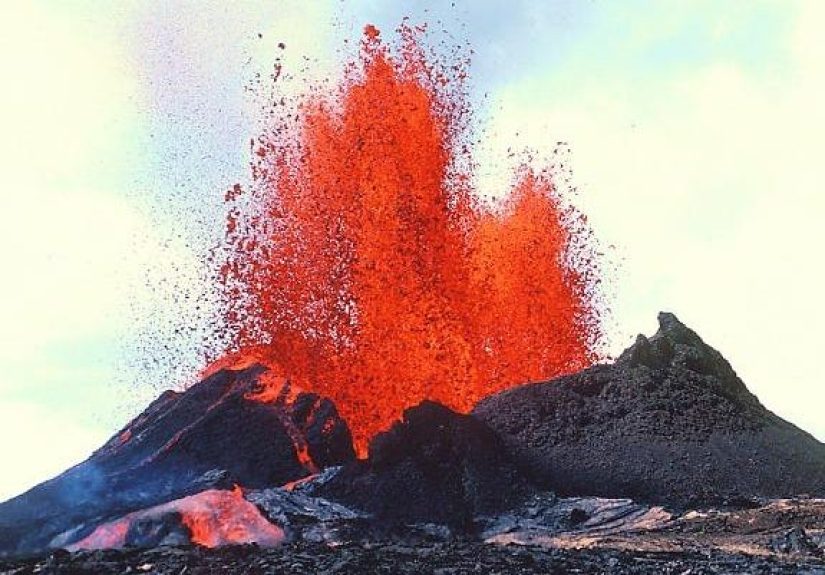
At its core, a volcano is simply an opening in the Earth’s crust where molten rock (called magma when it’s underground and lava when it reaches the surface), gas, ash, and rock fragments escape. Think of the crust as the planet’s outer “skin” and volcanoes as pressure valves that let the interior release heat and material.
Volcanoes can look very different from one another. Some are tall, classic cone-shaped mountains; others are broad and gently sloping, and some are just low bumps or even hidden underwater. But every volcano is part of the same big story: how Earth continually reshapes itself from the inside out.
Inside the Earth: Where Volcanoes Begin
To understand how volcanoes form, we need a quick tour of Earth’s interior. Beneath the crust lies the mantle, a thick layer of hot, mostly solid rock. It’s not a sea of liquid magma, but under the right conditions, parts of it can melt.
Heat, Pressure, and Melting Rock
Rock in the mantle can begin to melt and form magma when:
- Pressure decreases as rock rises toward the surface.
- Water or other volatiles are added, which lowers the melting point (this often happens when one tectonic plate slides beneath another).
- Additional heat is supplied from deeper within the Earth.
Once magma forms, it’s usually less dense than the solid rock around it, so it starts to rise, squeezing into cracks and fractures in the crust. If it finds a pathway all the way to the surface, congratulationsyou’ve got the beginnings of a volcano.
Plate Tectonics: The Secret Engine Behind Volcanoes
The Earth’s outer shell is broken into huge, interlocking pieces called tectonic plates. These plates move very slowlyabout as fast as your fingernails grow. Where they collide, pull apart, or slide past each other, the crust is stressed, cracked, and often thinned. Those zones are where volcanoes love to form.
Most of the world’s active volcanoes sit along plate boundaries, especially around the Pacific Ocean in a horseshoe-shaped belt known as the Ring of Fire. This region is packed with subduction zones and other tectonic drama, which is why it’s so volcanically active.
How Plate Boundaries Build Volcanoes
1. Convergent Boundaries: Subduction Zone Volcanoes
At a convergent boundary, plates move toward each other. When an oceanic plate collides with either another oceanic plate or a continental plate, the denser oceanic plate usually sinks beneath the other in a process called subduction.
As the subducting plate sinks deeper, it heats up and releases water into the overlying mantle. This added water lowers the melting point of the mantle rock, causing it to partially melt and form magma. That magma rises, feeding chains of volcanoes that often line up parallel to the plate boundary.
Famous examples of subduction-related volcano chains include:
- The Cascade Range in the western United States (Mount St. Helens, Mount Rainier).
- The Andes in South America.
- The many island arcs of the Pacific Ring of Fire, such as Japan and Indonesia.
2. Divergent Boundaries: Volcanoes Where Plates Pull Apart
At a divergent boundary, plates move away from each other. As they separate, the pressure on the underlying mantle decreases, allowing it to melt. Magma rises to fill the gap, creating new crust.
This happens mostly under the oceans along mid-ocean ridges, but it can also occur on land. Iceland, for example, sits atop a divergent boundary and is essentially a giant volcanic experiment in progress.
3. Transform Boundaries: The Quiet Ones (Usually)
At transform boundaries, plates slide past each other horizontally. These boundaries are better known for earthquakes than for volcanoes. While volcanic activity is less common here, the crust can still be fractured enough to allow magma to leak upward in some complex regions.
Hotspots: Volcanoes in the “Wrong” Places
Not all volcanoes form at plate boundaries. Some rise above hotspotslocalized plumes of very hot mantle material that rise toward the surface like blobs in a lava lamp.
As a tectonic plate moves over a hotspot, magma punches through the crust again and again, creating a chain of volcanoes. Over millions of years, this process can build entire island chains. The Hawaiian Islands are a textbook example: the Big Island is above the current hotspot, while the older islands mark where the plate used to sit.
New volcanoes can also form underwater over hotspots as seamounts. Some grow tall enough to break the surface and become volcanic islands.
Types of Volcanoes and How They Grow
Volcanoes aren’t all built the same way. Their shapes and eruption styles depend largely on the type of magma involvedespecially how sticky (viscous) it is and how much gas it contains.
Shield Volcanoes
Shield volcanoes are broad, gently sloping mountains built from thin, fluid lava that can flow long distances. Imagine a warrior’s shield laid on the groundthat’s the basic shape. Eruptions here are often frequent but relatively gentle (as far as volcanoes go).
Examples include the Hawaiian volcanoes like Mauna Loa and Kīlauea. These eruptions may not be explosively dramatic, but they can produce huge lava fields and reshape landscapes over time.
Composite Volcanoes (Stratovolcanoes)
Composite volcanoes, also called stratovolcanoes, are the classic steep-sided cones you see in movies. They’re built from alternating layers of lava flows, ash, and rock fragments. Their magma is usually thicker and gas-rich, which makes eruptions more explosive.
Mount St. Helens, Mount Rainier, and Japan’s Mount Fuji are all composite volcanoes. These volcanoes can produce towering ash plumes, pyroclastic flows (fast-moving avalanches of hot gas and debris), and lahars (volcanic mudflows).
Cinder Cone Volcanoes
Cinder cones are smaller, steep-sided cones built mostly from loose volcanic fragments like ash, cinders, and small rocks that erupt from a single vent and fall back around it. They often form quicklysometimes in just a few yearsand may erupt only once or a few times.
Many cinder cones dot volcanic fields across the western United States and Mexico. One of the most famous is Paricutín in Mexico, which literally grew out of a farmer’s cornfield in 1943 and reached hundreds of feet high within a year.
The Anatomy and Life Cycle of a Volcano
A typical volcano includes:
- A magma chamber where molten rock collects underground.
- Conduits and vents that act as plumbing for magma and gases.
- A crater or sometimes a larger caldera at the summit.
- Layers of hardened lava, ash, and debris that build the cone.
Volcanoes have “life stages,” too:
- Active: Currently erupting or showing signs it could erupt again.
- Dormant: Quiet for now, but could wake up in the future.
- Extinct: Not expected to erupt again because its magma source has moved or shut off.
Real-World Examples of Volcano Formation
We can see volcano formation in action all over the world:
- Capulin Volcano in New Mexico is a textbook cinder cone that rose about 1,000 feet above its surroundings, formed during a geologically recent volcanic episode in its region.
- The ongoing construction of islands in Hawaii shows hotspot volcanism creating new land as lava flows pour into the ocean.
- The 1883 eruption of Krakatau in Indonesia dramatically reshaped the caldera and later allowed a new cone, Anak Krakatau (“Child of Krakatau”), to rise in its place.
These examples highlight a key truth: volcanoes constantly build, destroy, and rebuild Earth’s surface.
Facts About Volcanoes You Should Know
- There are roughly 1,500 potentially active volcanoes on land worldwide (plus many more on the ocean floor).
- Over a third of known active land volcanoes lie around the Pacific Ring of Fire.
- Countries like Indonesia, Japan, the United States, and Chile rank among those with the most historically active volcanoes.
- Volcanic eruptions can be tiny, short-lived bursts or massive events that affect global climate by sending ash and gases high into the atmosphere.
- Volcanoes don’t just destroythey also create fertile soils, new land, and even valuable mineral deposits.
Volcanic Hazards (and Why Preparedness Matters)
We tend to picture lava when we think of volcanic danger, but many of the most serious hazards are less obvious:
- Ash falls can blanket towns, damage engines, contaminate water, and cause breathing problems.
- Laharsfast-moving slurries of water, mud, and volcanic debriscan race down valleys and destroy communities even without a fresh eruption.
- Pyroclastic flows are scorching clouds of gas and ash that can move faster than a car and are almost always deadly in their path.
- Volcanic gases like sulfur dioxide can irritate lungs, acidify lakes, and contribute to atmospheric changes.
Communities near active volcanoes often practice evacuation drills, monitor warning systems, and have hazard maps showing which areas are at greatest risk. It’s like living near the ocean and knowing where the flood zones areonly with more lava and less beach.
How Scientists Study and Monitor Volcanoes
Volcano monitoring is part science, part detective work. Scientists track:
- Earthquakes that indicate magma is moving underground.
- Ground deformation measured with GPS and satellites, which shows the land inflating or deflating as magma rises or drains.
- Gas emissions from vents and fumaroles, especially sulfur dioxide and carbon dioxide.
- Thermal changes captured by infrared imagery, indicating hotter areas at the surface.
International databases and organizations catalog eruptions, track active volcanoes, and share information globally. This helps scientists better understand volcanic patterns and improve early-warning systems.
Putting It All Together: How Volcanoes Are Formed
In short, volcanoes form when:
- Heat and pressure inside Earth cause parts of the mantle or crust to melt and form magma.
- Tectonic plate movementsespecially at convergent and divergent boundaries, or above hotspotscreate cracks and weak zones that give magma a path to rise.
- Magma collects in underground chambers, then pushes upward through vents.
- When the pressure becomes too great, magma and gas erupt at the surface, building volcanic landforms over time.
Every volcano is a dynamic system, shaped by the dance between Earth’s interior heat and the shifting puzzle pieces of its crust. Whether they erupt quietly with slow lava flows or explosively with ash and thunder, volcanoes are one of the clearest windows we have into the workings of our planet.
Real-World Experiences & Ways to Connect with Volcanoes
You don’t need to stand next to an erupting crater (please don’t) to appreciate how volcanoes are formed. There are plenty of ways to experience volcanic landscapes and learn from them safely.
1. Visiting Volcanic National Parks
Many U.S. national parks protect volcanic landscapes, from sleeping giants to still-active systems. Walking or driving through these parks lets you see the long-term results of eruptions that happened thousandsor even millionsof years ago.
- Mount Rainier National Park in Washington showcases a massive stratovolcano wrapped in glaciers. The valleys carved by ancient lahars demonstrate how far volcanic mudflows can travel.
- Capulin Volcano National Monument in New Mexico lets visitors drive to the rim of a near-perfect cinder cone and look down into the crater. Standing there, it’s easier to imagine glowing cinders piling up around a vent to build the cone.
- Other parks with volcanic featureslike Crater Lake, Lassen Volcanic, or Hawai‘i Volcanoesoffer trails, lava fields, and overlooks where you can literally walk on the products of eruptions.
Rangers often run programs explaining how these volcanoes formed, what types they are, and what hazards they pose. It’s like a live geology class, only with better scenery.
2. Museum Exhibits and Science Centers
Natural history museums and science centers frequently host exhibits about volcanoes and plate tectonics. You might find:
- Cross-sectional models showing magma chambers, vents, and layers inside a volcano.
- Interactive simulations that let you “dial in” different magma types or gas contents to see how eruption style changes.
- Samples of volcanic rockslike basalt, andesite, or pumicethat you can touch and compare.
These experiences help you connect the textbook idea of “molten rock” with real, solid evidence you can hold in your hand.
3. Classroom (and Kitchen) Volcano Experiments
Of course, no discussion of volcano learning experiences is complete without mentioning the classic baking soda–and–vinegar volcano. While it doesn’t capture the physics of magma and gas pressure perfectly, it does illustrate an important idea: when gas and fluid are trapped and suddenly released, you get an eruption.
More advanced classroom activities might use clay, sand, and water to show how lahars move down valleys, or modeling clay and cardboard to represent shifting plates at convergent and divergent boundaries. These small-scale experiments make big geologic processes feel more intuitive.
4. Remote Journeys via Satellite and Video
If you’re not heading to a volcano anytime soon, satellite imagery and live webcams bring the action to you. Many active volcanoes are monitored with cameras that stream real-time views of craters, lava flows, or steam vents. Satellite-based animations show ash plumes drifting across the atmosphere or new land forming at underwater eruption sites.
Watching these real-time changes helps you visualize how quickly landscapes can shift when a volcano enters an eruptive phaseand how the underlying tectonic and magmatic processes are always at work, even when the surface seems quiet.
5. Living with Volcanoes: Local Perspectives
People who live near volcanoes develop a unique relationship with them. Volcanic soils can be incredibly fertile, supporting farms, forests, and vineyards. At the same time, residents must stay informed about hazards, evacuation routes, and warning systems.
Hearing stories from local communitieswhether in the Pacific Northwest, Hawaii, Alaska, or other volcanic regionsadds a human dimension to all the science. For them, volcanoes aren’t just geological features; they’re neighbors that require both respect and preparation.
When you combine firsthand experiences, scientific explanations, and real-world monitoring, the story of how volcanoes are formed becomes more than a diagram in a textbook. It becomes a living, evolving narrative of our restless planet.
Conclusion
Volcanoes are Earth’s dramatic way of reminding us that the planet is still very much alive. They form where heat, pressure, and plate movements allow rock to melt and magma to rise, whether along plate boundaries or over hotspots. Over time, successive eruptions build volcanic landforms, carve landscapes, and even create new islands.
Yes, volcanoes can be dangerous, but they’re also responsible for fertile soils, spectacular scenery, and many of the rocks beneath our feet. Understanding how volcanoes are formed doesn’t just satisfy curiosityit also helps us live more safely with them and appreciate the powerful processes that sculpt our world.