Table of Contents >> Show >> Hide
- What Is Iceberg Lettuce, Exactly?
- Why Iceberg Lettuce Can Be Tricky
- Best Conditions for Growing Iceberg Lettuce
- When to Plant Iceberg Lettuce
- How to Plant Iceberg Lettuce
- Step-by-Step Guide to Growing Iceberg Lettuce
- How to Care for Iceberg Lettuce
- Common Problems and How to Fix Them
- Can You Grow Iceberg Lettuce in Containers?
- When and How to Harvest Iceberg Lettuce
- Real-World Experiences Growing Iceberg Lettuce
- Conclusion
Iceberg lettuce gets teased a lot. People call it bland, watery, and the “introvert of the salad bowl.” Rude. Because when it is grown well, iceberg lettuce is crisp, refreshing, sweet in a mild way, and absolutely perfect for burgers, wedge salads, tacos, and sandwiches that deserve more than sad, floppy leaves. The catch is that iceberg can be a little fussier than loose-leaf lettuce. It wants cool weather, steady moisture, and just enough patience to form those tight, satisfying heads.
If you have ever tossed lettuce seeds into the garden and hoped for the best, only to end up with bitter leaves, lanky plants, or heads that never quite head up, you are not alone. Iceberg lettuce is one of those crops that rewards a little strategy. The good news is that once you understand its preferences, it becomes much easier to grow.
This guide walks you through everything you need to know, from planting time and spacing to watering, harvesting, and troubleshooting. By the end, you will know how to grow iceberg lettuce that looks like it actually has its life together.
What Is Iceberg Lettuce, Exactly?
Iceberg lettuce is a type of crisphead lettuce. Unlike leaf lettuce, which stays loose and open, iceberg is grown for its compact, rounded head. That classic crunch is the entire point. It is less about bold flavor and more about texture, freshness, and clean, cool bite.
Because it needs time and the right conditions to form a dense head, iceberg is usually a bit more demanding than leaf lettuce. It does best in cool seasons, especially spring and fall. When temperatures climb too high, it can bolt, turn bitter, or refuse to make a tight head at all. In gardening terms, that means iceberg is not dramatic, but it is very particular.
Why Iceberg Lettuce Can Be Tricky
If leaf lettuce is the easygoing friend who shows up early and never complains, iceberg is the polished guest who needs the right chair, correct lighting, and perfect room temperature. Iceberg lettuce needs cool air, cool soil, and consistent growth. Any major stress, such as heat, drought, crowding, or uneven watering, can mess with head formation.
That does not mean it is hard to grow. It just means you should not treat it like a wild child crop. Give it fertile soil, regular moisture, and a good planting window, and it will reward you with heads that are crisp enough to make a very satisfying chopping sound on the cutting board.
Best Conditions for Growing Iceberg Lettuce
Cool Temperatures Matter
Iceberg lettuce grows best in cool weather. It thrives when daytime temperatures are mild and nights stay cool. This is why spring and fall are the sweet spots in most regions. If you try to grow it in the peak heat of summer, it may bolt, become bitter, or develop loose, disappointing heads.
In warm climates, fall, winter, and early spring are often better than late spring and summer. In colder climates, you can plant as soon as the soil is workable in spring and then again for a fall harvest.
Sunlight: Yes, But Not Brutal Summer Sun
Iceberg lettuce likes full sun in cool weather, usually around six hours a day or more. But once temperatures start rising, afternoon shade can help keep plants from overheating. In hot regions, a little protection from intense afternoon sun can make the difference between sweet lettuce and bitter rebellion.
Soil: Loose, Fertile, and Well-Drained
Lettuce is not interested in battling compacted dirt. It prefers loose, fertile, well-drained soil rich in organic matter. Mix compost into the bed before planting to improve texture, drainage, and nutrient availability. A soil pH in the slightly acidic to neutral range is usually ideal.
If the soil is heavy and crusts over after watering, seedlings may struggle to emerge. If the soil drains too quickly, the roots can dry out. Iceberg wants the gardening version of a comfortable mattress: soft, supportive, and not weirdly soggy.
When to Plant Iceberg Lettuce
The timing depends on your climate, but the basic rule is simple: plant so the crop matures in cool weather.
For a Spring Crop
Start seeds indoors about four to six weeks before your last expected spring frost if you want a head start. You can also direct sow outdoors two to three weeks before the last frost, as long as the soil can be worked. Lettuce tolerates cool conditions much better than heat.
For a Fall Crop
Fall is often the better season for iceberg lettuce. Start seeds indoors in midsummer for transplanting later, or direct sow in late summer when the worst heat begins to fade. The goal is to have heads develop during the cooler days of early fall.
Succession planting is a smart move. Instead of planting everything at once, sow a small batch every 7 to 10 days for a longer harvest window. That way, you do not end up with twelve heads maturing at the exact same moment while you panic-eat salad for a week.
How to Plant Iceberg Lettuce
Starting from Seed
Iceberg lettuce can be direct sown or started indoors. Seeds should be planted shallowly, about 1/4 to 1/2 inch deep. Lettuce seeds are small and do not need a dramatic burial. This is not treasure hunting.
Keep the seedbed evenly moist during germination. In cool conditions, seeds germinate quickly, but hot soil can slow or even stop germination. If you are sowing in warm weather for a fall crop, water the area well and consider planting later in the day or using light shade to cool the soil surface.
Using Transplants
Transplants are often the easier option for iceberg lettuce because they give you a head start and make spacing simpler. Harden off indoor-grown seedlings before moving them into the garden. That means gradually exposing them to outdoor conditions over several days so they do not react like they have been teleported to another planet.
Spacing for Proper Heads
Spacing matters more with iceberg than with leaf lettuce. Crowded plants compete for light, water, and nutrients, and they usually produce smaller or looser heads. A good rule is to space head lettuce about 8 to 12 inches apart, with rows about 12 to 18 inches apart. Some gardeners give even more room depending on variety and climate.
If you direct sow thickly, thin the seedlings once they are up. Yes, thinning feels ruthless. Yes, it is still necessary.
Step-by-Step Guide to Growing Iceberg Lettuce
- Choose the right season. Plan for spring or fall so heads mature in cool weather.
- Prepare the bed. Work compost into loose, well-drained soil and remove weeds.
- Sow seeds shallowly. Plant seeds 1/4 to 1/2 inch deep, or set out sturdy transplants.
- Space correctly. Give each plant enough room to form a full head.
- Water consistently. Keep the soil evenly moist, not soggy and not bone-dry.
- Mulch lightly. A thin layer of mulch helps conserve moisture and moderate soil temperature.
- Feed for steady growth. Lettuce likes fertile soil and benefits from balanced nutrition, especially when grown quickly.
- Watch the weather. Use shade cloth during warm spells if needed.
- Protect from pests. Check leaves often for aphids, slugs, and chewing damage.
- Harvest at the right time. Cut heads when they feel firm and well formed.
How to Care for Iceberg Lettuce
Watering
Consistent watering is one of the most important parts of growing iceberg lettuce. Lettuce has shallow roots, so it dries out faster than deeper-rooted crops. Uneven watering can lead to slow growth, bitterness, loose heads, and physiological issues like tipburn.
The goal is evenly moist soil. Not swampy. Not dusty. Just steadily moist. Water deeply enough to keep the root zone from drying out, especially during dry or windy weather. Mulch can help reduce evaporation and stabilize soil moisture.
Fertilizing
Iceberg grows best when it grows steadily and quickly. Rich soil amended with compost often does a lot of the work, but lettuce can also benefit from a light feeding if the soil is poor. Avoid overdoing nitrogen late in growth, but make sure plants are not starving. A balanced vegetable fertilizer applied according to label directions is usually enough.
Weeding
Because lettuce has shallow roots, aggressive weeding can do more harm than good if you stab around like you are excavating a fossil. Weed gently and early. Mulch helps here, too.
Common Problems and How to Fix Them
Bolting
Bolting is what happens when lettuce decides it is done making edible leaves and would rather send up a flower stalk. Heat, long days, and stress can trigger it. Once iceberg bolts, the leaves often become bitter and the head quality drops fast.
To reduce bolting, plant at the right time, keep soil moisture steady, and use afternoon shade or shade cloth when warm weather hits unexpectedly.
Loose or Small Heads
If your iceberg lettuce never forms a tight head, the most likely culprits are heat, crowding, inconsistent watering, or poor fertility. Check your spacing first. Then check your watering habits. Then have a gentle conversation with the weather, even though it will ignore you.
Tipburn
Tipburn shows up as brown, dry edges on the leaves. It is often linked to irregular moisture and rapid changes in growing conditions. Keeping soil moisture even helps prevent it. Damaged edges can be trimmed away if the rest of the leaf is sound.
Aphids, Slugs, and Other Pests
Aphids like to hide on the undersides of leaves and can cause curling and distortion. A strong stream of water, insecticidal soap, or close monitoring can help manage them. Slugs and snails chew holes in leaves and thrive in damp, sheltered conditions. Traps, hand-picking, and iron phosphate bait can help where needed.
Good airflow, crop rotation, and avoiding overcrowding also help reduce disease issues. If one bed has recurring problems, do not plant lettuce there every season like nothing happened.
Can You Grow Iceberg Lettuce in Containers?
Yes, but choose the container wisely. Iceberg lettuce can grow in containers if the pot is wide enough, deep enough, and filled with fertile, well-draining mix. A container that is too cramped will not support full head development. One plant per roomy container, or several in a larger planter with proper spacing, works best.
Container-grown lettuce dries out faster than garden beds, so you will need to water more often. The upside is that containers are easier to move into partial shade during heat waves, which can save your crop.
When and How to Harvest Iceberg Lettuce
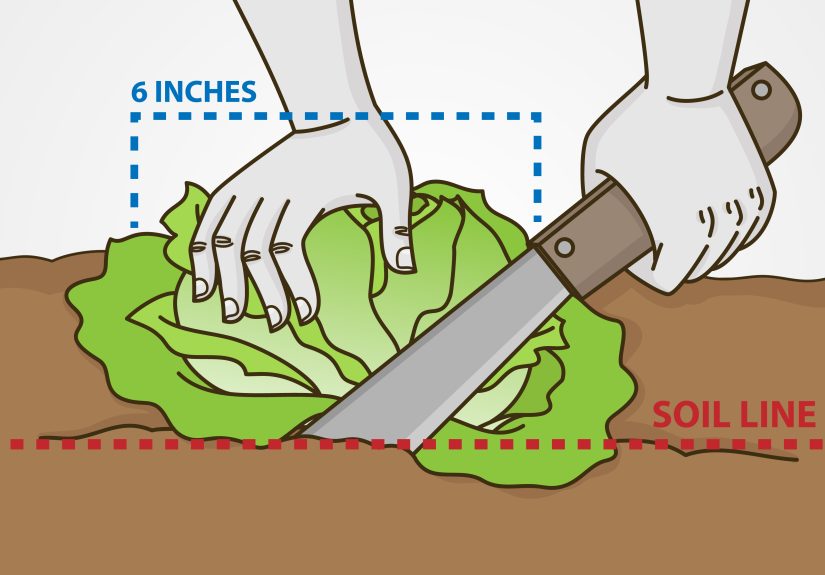
Harvest iceberg lettuce when the head feels firm and well formed. If you wait too long, especially in warming weather, the plant may split or bolt. Use a clean knife and cut the head at the base.
Remove any damaged outer leaves, then chill the head promptly. Iceberg is at its crisp best when kept cold. Wash it before use unless you are storing it first, in which case many gardeners prefer to wait until just before eating. Either way, handle it gently so you do not bruise those beautiful crunchy leaves you worked so hard to grow.
Real-World Experiences Growing Iceberg Lettuce
One of the most common experiences gardeners have with iceberg lettuce is realizing that it is not hard in the dramatic sense, but it is very honest. It tells you exactly how your garden is doing. If the weather is too hot, it complains. If the soil dries out, it complains. If it is crowded, it absolutely complains. But when conditions are right, it grows with surprising elegance.
Many people start out assuming all lettuce behaves the same way. They plant iceberg the way they plant leaf lettuce, then wonder why they get a loose tuft of leaves instead of a tidy supermarket-style head. That first lesson usually changes everything. Once gardeners begin giving iceberg proper spacing and consistent moisture, the results improve fast. The heads may not all look identical, but they become denser, sweeter, and much more satisfying.
Another real-world lesson is that timing matters more than enthusiasm. Plenty of gardeners get excited by the first warm spell of the year and either plant too late in spring or try to push iceberg through rising summer heat. The plants often respond by bolting or turning bitter just as they start looking promising. After that happens once, most gardeners become much more loyal to spring and fall planting windows.
There is also the very specific joy of checking a lettuce bed one morning and noticing that the center is finally beginning to fold in and firm up. It is a quiet kind of triumph. No fireworks. No dramatic vines taking over the fence. Just a calm, cool vegetable deciding it is ready to become a proper head. It feels oddly professional, like your garden just put on a blazer.
Gardeners who grow iceberg in raised beds often report the best luck when the soil is fluffy and compost-rich. Those who grow it in containers usually learn quickly that container lettuce needs closer attention, especially with watering. Miss a hot day, and the plants sulk. Keep the moisture steady, though, and container-grown iceberg can do surprisingly well.
Perhaps the most rewarding experience comes at harvest. Store-bought iceberg is fine, but homegrown iceberg has a freshness and crispness that feels completely different. The leaves snap more cleanly, the flavor is sweeter and less flat, and the texture makes even a basic sandwich feel upgraded. It is one of those crops that can make a gardener feel smug in the most wholesome possible way.
In the end, growing iceberg lettuce teaches patience, observation, and timing. It is not the loudest star in the garden, but it is dependable when you learn its rhythm. And once you cut your first truly firm, homegrown head, you may never look at grocery store lettuce the same way again.
Conclusion
If you want crisp, refreshing lettuce with classic crunch, iceberg is worth the effort. The secret is not magic fertilizer or a mysterious gardener’s trick. It is simply giving the plant what it wants: cool weather, fertile soil, enough space, and regular moisture. Plant it in spring or fall, protect it from heat stress, and do not skimp on care during head formation.
Iceberg lettuce may have a reputation for being plain, but growing it well is surprisingly satisfying. It is one of those crops that proves simple food can still be deeply rewarding. And when your first tight head lands on the kitchen counter, cold and crisp and ridiculously good, you will know the garden has delivered.