Table of Contents >> Show >> Hide
- Why Growing Plants from Cuttings Is Such a Smart Trick
- Best Plants to Grow from Cuttings
- What You Need Before You Start
- How to Grow Plants from Cuttings: Step by Step
- 1. Choose a Healthy Parent Plant
- 2. Take the Right Cutting
- 3. Remove Lower Leaves
- 4. Use Rooting Hormone If Needed
- 5. Place the Cutting in Water or Rooting Medium
- 6. Give It Humidity, Warmth, and Bright Indirect Light
- 7. Keep the Medium Moist, Not Soggy
- 8. Wait Patiently and Check for Roots
- 9. Pot Up Once Roots Are Ready
- Water Propagation vs. Soil Propagation
- Common Mistakes That Ruin Plant Cuttings
- How to Fill More Pots Fast Without Wasting Cuttings
- Real-World Experience: What Gardeners Usually Learn After Their First Big Propagation Round
- Conclusion
- SEO Tags
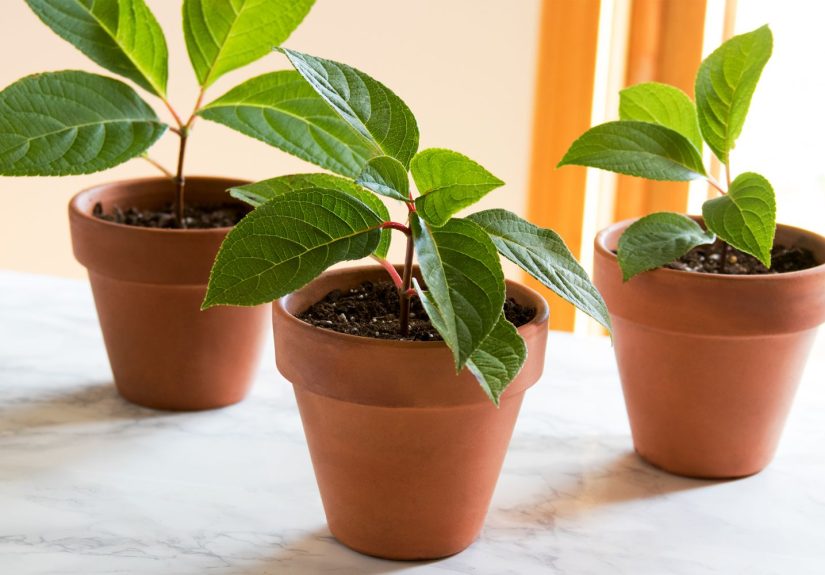
There are few thrills in gardening quite like turning one healthy plant into five, ten, or fifteen new ones without spending another dime. It feels a little illegal, honestly. One minute you have a happy pothos, coleus, geranium, rosemary, or philodendron. The next minute you have an entire lineup of baby plants waiting for pots, shelves, windowsills, and any other flat surface your household hasn’t already claimed.
If you’ve ever wanted to fill more pots for free, plant cuttings are one of the easiest and most satisfying ways to do it. You’re not starting from seed and waiting forever while tiny seedlings debate whether they feel like becoming real plants. You’re cloning a piece of an existing plant, which means the new one can grow faster and look just like the parent. That’s the magic of propagation by cuttings: cheap, practical, beginner-friendly, and delightfully addictive.
In this guide, you’ll learn how to grow plants from cuttings step by step, which plants are easiest to propagate, whether water or soil is better, what mistakes to avoid, and how to turn a single plant into enough extras to fill your home, patio, or gift list. Because buying one plant is nice, but multiplying it like a leafy overachiever is even better.
Why Growing Plants from Cuttings Is Such a Smart Trick
Propagation from cuttings is popular for one simple reason: it works. Instead of waiting for seeds to germinate and develop into mature plants, you take a stem, leaf, or tip cutting from a healthy parent plant and encourage it to make roots. Once it roots, it becomes a brand-new plant with the same traits as the original.
That makes cuttings especially useful when you want more of a plant you already love. Maybe your pothos is trailing beautifully and you want another pot for the office. Maybe your coleus survived the season and you’d like to refill your planters next spring. Maybe your rosemary is finally happy and you’re not about to risk that streak by buying another mystery herb from the clearance rack.
Learning how to propagate plants from cuttings also saves money, helps you refresh leggy plants, and gives you backup plants in case one of your favorites decides to be dramatic. And let’s be honest: gardening always feels more satisfying when the words “for free” appear in the plan.
Best Plants to Grow from Cuttings
Not every plant roots from cuttings equally well, but many common houseplants, patio plants, and tender perennials do. Beginners usually get the fastest wins from soft, flexible stems and vigorous growers.
Easy Houseplants for Cuttings
- Pothos
- Heartleaf philodendron
- Tradescantia
- Monstera (with a node)
- Jade plant
- Peperomia
- Begonia
- African violet
Easy Outdoor and Container Plants for Cuttings
- Coleus
- Geranium
- Impatiens
- Rosemary
- Hydrangea
- Lavender
- Fuchsia
- Sweet potato vine
Some plants root best from stem cuttings, while others can be propagated from leaf cuttings or plantlets. Spider plants, for example, often make baby offsets that are basically begging to become their own plants. Snake plants can be multiplied from leaf sections or division. Monstera, on the other hand, needs a node on the cutting. A pretty leaf without a node may stay green for a while, but it won’t become a full new plant. In other words, a leaf alone can look hopeful while secretly accomplishing absolutely nothing.
What You Need Before You Start
You do not need a greenhouse, a lab coat, or a soundtrack from a gardening reality show. A simple setup is enough for most propagation projects.
- A healthy parent plant
- Clean scissors, pruners, or a sharp knife
- Small pots, trays, or jars
- A rooting medium such as perlite, vermiculite, or a light soilless potting mix
- Water
- Optional rooting hormone
- A clear plastic bag, dome, or humidity cover
- Bright indirect light
The most important thing is cleanliness. Use clean tools and clean containers. Fresh cuttings are vulnerable to rot, and dirty equipment gives fungus and bacteria a free invitation to the party.
How to Grow Plants from Cuttings: Step by Step
1. Choose a Healthy Parent Plant
Start with a plant that is actively growing and looks healthy. Avoid stems with pests, disease, flower buds, or obvious stress. A cutting taken from a struggling plant usually gives you a struggling clone. That’s not propagation; that’s just copying the problem.
2. Take the Right Cutting
For most common stem cuttings, snip a piece about 3 to 6 inches long. Make the cut just below a node, which is the point on the stem where leaves or buds emerge. Nodes matter because that’s where roots often form. If you’re working with soft plants like coleus, pothos, or philodendron, this is usually very straightforward. For semi-woody plants like rosemary or hydrangea, choose non-flowering stems that are firm but not old and brittle.
3. Remove Lower Leaves
Strip off the leaves on the lower half of the cutting so no foliage sits below the water line or beneath the rooting medium. Buried leaves rot, and rotting leaves are excellent at turning an exciting propagation project into plant soup.
4. Use Rooting Hormone If Needed
Rooting hormone is optional for many easy plants, but it can help tougher or slower cuttings root more evenly and quickly. Dip the cut end lightly and tap off the excess. More is not better. This is one of those rare gardening moments where restraint is actually helpful.
5. Place the Cutting in Water or Rooting Medium
You have two common options:
Water propagation: Great for beginner-friendly plants like pothos, philodendron, tradescantia, and some herbs. Put the node in water, keep the leaves above water, and change the water regularly.
Soil or soilless propagation: Usually better for long-term success because the cutting forms roots directly in a growing medium. Use moist perlite, vermiculite, or a light propagation mix. Make a hole first with a pencil or dibber, then insert the cutting so you don’t scrape off the hormone or damage the stem.
6. Give It Humidity, Warmth, and Bright Indirect Light
Cuttings do not have roots yet, so they lose moisture faster than they can replace it. That’s why high humidity matters. Cover the pot loosely with a clear plastic bag or use a dome, keeping the plastic from pressing directly onto the leaves if possible. Place the cuttings in bright indirect light, not harsh direct sun. Warm conditions speed rooting, while cold windowsills and blazing afternoon sun can slow things down or cook the leaves like tiny green chips.
7. Keep the Medium Moist, Not Soggy
This is the balancing act. The rooting medium should stay lightly moist, but not waterlogged. Overwatering is one of the most common reasons cuttings fail because roots need oxygen too. If the mix stays soggy, stems rot before they have a chance to root.
8. Wait Patiently and Check for Roots
Some easy plants root in two to three weeks. Others take four to six weeks or longer. Resist the urge to keep tugging on the cutting every 12 minutes. A gentle tug after a few weeks can tell you whether roots are forming. If it resists slightly, that’s a good sign. If it slides out like a sad drinking straw, give it more time.
9. Pot Up Once Roots Are Ready
When roots are about 1 to 2 inches long in water, or when a soil-rooted cutting holds firmly in the medium, it’s time to pot it into a regular well-drained potting mix. Water it in, keep it in bright indirect light at first, and let it adjust before moving it to stronger conditions.
Water Propagation vs. Soil Propagation
If you search plant propagation tips online, you’ll see jars of cuttings on sunny windowsills everywhere. Water propagation is fun, easy to monitor, and very satisfying because you can actually watch roots appear. It’s excellent for beginners and for species that root readily in water.
But rooting directly in a soilless medium often creates sturdier roots that adapt better after potting. Some cuttings also experience a little transplant shock when moved from water to potting mix. So if your goal is simply to multiply plants fast and fill more pots, direct rooting in a moist, airy medium often has the edge.
The best approach depends on the plant. If you want a clear visual and easy progress checks, start with water. If you want a more direct route to potted plants, use perlite, vermiculite, or propagation mix. Many gardeners eventually do both because apparently we all enjoy turning our homes into small unofficial nurseries.
Common Mistakes That Ruin Plant Cuttings
Taking Cuttings Without Nodes
For many stem-propagated plants, no node means no real chance of producing a new growing plant. Always identify where leaves meet the stem before cutting.
Using Heavy Potting Soil
Dense soil stays too wet and doesn’t provide enough air. A lighter propagation medium improves drainage and oxygen around the cutting base.
Giving Too Much Sun
Cuttings need light, but direct sun can stress or scorch them before they root. Bright indirect light is the sweet spot.
Keeping Them Too Wet
Moist is good. Soggy is a rot invitation. If your cuttings repeatedly turn mushy, your medium is likely too wet or not airy enough.
Trying to Propagate Weak Material
A yellowing, bug-bitten, exhausted stem is not a strong candidate. Healthy parent plants make better cuttings and faster rooting.
Potting Up Too Soon
Tiny roots are delicate. Give the cutting enough time to build a decent root system before moving it into a larger pot.
How to Fill More Pots Fast Without Wasting Cuttings
If your goal is to create a fuller display rather than just one backup plant, take several cuttings at once. Instead of planting a single rooted cutting into one pot and waiting months for it to bulk up, group multiple rooted cuttings together in the same container. This works especially well for pothos, philodendron, tradescantia, coleus, and herbs.
You can also use propagation as a pruning strategy. When a houseplant gets leggy, trim it back and root the cut pieces. Then replant the rooted cuttings into the original pot to make the plant fuller. That means one haircut can become both maintenance and a population boom.
For patio containers, take end-of-season cuttings from favorites like coleus, geranium, or sweet potato vine before frost arrives. Root them indoors over winter, then use them to fill spring planters without buying replacements. That’s the kind of budget move that deserves a slow clap.
Real-World Experience: What Gardeners Usually Learn After Their First Big Propagation Round
The funny thing about learning how to grow plants from cuttings is that the first success tends to change your entire gardening personality. You start with one harmless experiment, maybe a pothos vine in a glass of water. Then roots appear, and suddenly every plant in the house looks like an opportunity. You begin eyeing stems the way a baker eyes extra butter: with plans.
Most gardeners discover quickly that easy plants create confidence fast. Pothos, coleus, tradescantia, and philodendron often reward even clumsy first attempts. That early success is useful because it teaches the core lesson of propagation: the cutting doesn’t need pampering so much as the right conditions. Warmth, humidity, clean cuts, and patience usually matter more than fancy gear.
Another common experience is realizing that not all cuttings behave the same way. Some root like they have something to prove. Others sit there for weeks doing absolutely nothing visible, forcing you into a strange emotional relationship with a plastic pot full of hope. Gardeners often assume nothing is happening, toss the cutting too soon, and later learn that patience was the missing ingredient.
People also learn that water propagation is charming but slightly misleading. Seeing roots in a jar feels wonderfully productive, and it is. But many gardeners notice that the real test comes after potting up. A cutting that rooted beautifully in water may sulk for a week or two after moving into potting mix. It usually recovers, but that moment teaches an important lesson: roots are not the finish line. Establishment is.
There’s also the humidity lesson, which tends to arrive after one crispy failure. New propagators often place fresh cuttings near a sunny window and assume nature will handle the rest. Then the leaves droop like they’ve heard terrible news. After that, the value of a clear plastic cover becomes obvious. Cuttings without roots lose moisture quickly, and a simple humidity tent can make the difference between limp tragedy and actual success.
One of the best experiences gardeners report is using cuttings to rescue a plant that has become awkward or leggy. Instead of mourning a long, bare stem with three leaves at the top, they cut it back, root the tip sections, and replant them into the same pot. A tired plant becomes lush again, and the grower suddenly feels like some kind of botanical stylist.
Perhaps the most practical lesson is that taking several cuttings at once is smarter than babying a single stem. Not every cutting will root, and even easy plants can surprise you. But when you start with a small batch, your odds improve, your pots fill faster, and your final display looks fuller right away.
Over time, gardeners also get better at matching plant type to propagation method. They learn which plants like water, which prefer a loose medium, which need a node, and which are easier by division instead. That experience turns propagation from guesswork into instinct. And once that happens, you stop seeing cuttings as experiments and start seeing them as part of normal plant care. Trim, root, pot up, repeat. It becomes less of a project and more of a useful little superpower.
Conclusion
If you want to fill more pots for free, growing plants from cuttings is one of the best gardening skills to learn. It’s simple, budget-friendly, and surprisingly fun once you get the hang of it. Start with easy plants, use clean cuts, include the right nodes, keep the medium airy and lightly moist, and give your cuttings bright indirect light with plenty of humidity. Do that, and one healthy plant can become a whole collection.
Propagation does take patience, but it pays off in fuller pots, more plants to share, and a gardening habit that stretches your budget in the nicest possible way. Once you see that first cluster of roots, you may never look at a trailing vine or leggy stem the same way again. Consider yourself warned.