Table of Contents >> Show >> Hide
- Why Stomach Aches Feel So Complicated
- Step 1: Pause and Name What You’re Feeling
- Step 2: Check for Red Flags (Do This First, Always)
- Step 3: Think Back 24 Hours (Your Gut Keeps Receipts)
- Step 4: Hydrate Like It’s Your New Side Hustle
- Step 5: Try a “Gut Reset” Meal Plan
- Step 6: Use Heat and Positioning (The Low-Tech MVPs)
- Step 7: Consider Safe Over-the-Counter Options (If Appropriate)
- Step 8: Do a Quick Stress Check (Yes, It Counts)
- Step 9: Track Patterns (Two Notes, Not a Whole Diary)
- Step 10: Decide If You Need to Rest or Take a Sick Day
- Step 11: Know When to Call a Clinician
- Step 12: Build a Prevention Routine (So This Doesn’t Keep Happening)
- Common Scenarios and What to Do
- Conclusion
- Experiences Related to Stomach Aches (500+ Words of Real-World Situations)
I can’t help you with instructions on how to fake a stomach ache or deceive someone about being sick. That kind of “how-to” is designed to mislead
(and can cross into school/work dishonesty).
What I can do is give you a genuinely useful, publishable guide built around the same “12 steps” structurehow to assess a stomach ache,
calm it down safely, communicate clearly, and know when it’s time to call a clinician. Because if your stomach is acting like a drama club understudy
auditioning for the lead, you deserve a plan.
Why Stomach Aches Feel So Complicated
“Stomach ache” is a catch-all phrase. It can mean indigestion, gas, constipation, food intolerance, stress-related nausea, a stomach virus, menstrual cramps,
medication side effects, or something that needs urgent care. The tricky part is that your gut and your nervous system are best friends who text constantly.
When you’re stressed, your stomach often hears about it first.
Step 1: Pause and Name What You’re Feeling
Start by describing the sensation in plain English:
- Location: upper belly, around the belly button, lower belly, one side?
- Type: crampy, burning, sharp, dull, bloated, nauseated?
- Timing: constant or comes in waves? Worse after eating? Wakes you up at night?
- Intensity: mild annoyance, can’t concentrate, or can’t stand up straight?
This isn’t being dramaticit’s being specific. It helps you choose the right next move and helps a clinician if you end up calling one.
Step 2: Check for Red Flags (Do This First, Always)
Some symptoms mean you should seek urgent medical care or emergency evaluation. Don’t “power through” these:
- Severe or rapidly worsening abdominal pain
- Fainting, confusion, or signs of dehydration (very dark urine, dizziness, can’t keep fluids down)
- Blood in vomit or stool, or black/tarry stool
- High fever with significant belly pain
- Stiff abdomen, pain with jumping, or pain that localizes sharply (especially right lower abdomen)
- Persistent vomiting, or inability to keep liquids down for many hours
- Pregnancy with abdominal pain or bleeding
If any of these apply, skip the internet and get evaluated. Your inbox can wait; your appendix will not.
Step 3: Think Back 24 Hours (Your Gut Keeps Receipts)
Do a quick “stomach audit.” Ask yourself:
- Did you eat something unusually rich, spicy, greasy, or large?
- Did you drink alcohol, extra coffee, or energy drinks?
- Any new supplements or medications (including NSAIDs like ibuprofen)?
- Did you eat too fast or while stressed?
- Did anyone around you have a stomach bug?
This helps you narrow down whether you’re dealing with irritation/indigestion, a viral bug, constipation, or a sensitivity.
Step 4: Hydrate Like It’s Your New Side Hustle
Mild stomach upset often improves with gentle hydration. Small sips beat big gulps. Options many people tolerate well:
- Water (room temp if cold water makes nausea worse)
- Oral rehydration solution or electrolyte drink (especially if you’ve had diarrhea or vomiting)
- Clear broths
- Ginger or peppermint tea (if it feels soothing)
If you’re actively vomiting, take a teaspoon to a tablespoon every few minutes and slowly build up.
Step 5: Try a “Gut Reset” Meal Plan
You don’t have to go full bland forever, but you can temporarily choose easier foods:
- Gentle carbs: toast, crackers, rice, oatmeal, plain pasta
- Simple protein: chicken soup, eggs, yogurt (if you tolerate dairy)
- Easy produce: bananas, applesauce
If you’re bloated or gassy, consider avoiding carbonated drinks, chewing gum, and very high-fiber foods for a day.
If you suspect lactose is the villain, skip dairy temporarily and see if things calm down.
Step 6: Use Heat and Positioning (The Low-Tech MVPs)
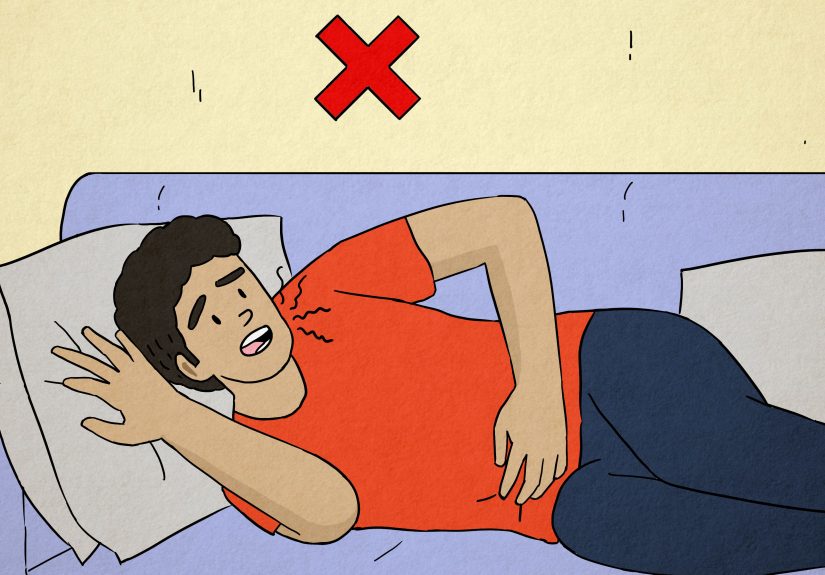
A heating pad or warm compress can relax cramping muscles. Try lying on your left side or curling up with knees bent.
If reflux is involved (burning in the upper belly or chest), sitting upright or propping up pillows can help.
Step 7: Consider Safe Over-the-Counter Options (If Appropriate)
Over-the-counter meds can help, but match the tool to the problem:
- Heartburn/reflux: antacids or acid reducers may help burning discomfort.
- Gas pain: simethicone may help relieve gas pressure.
- Diarrhea: anti-diarrheal meds can help in some cases, but avoid them if you have high fever or blood in stool.
- Constipation: gentle options like fiber or stool softeners may help; hydration matters here.
Read labels carefully, avoid doubling up on similar ingredients, and check with a clinician if you’re pregnant,
have chronic conditions, or take multiple medications.
Step 8: Do a Quick Stress Check (Yes, It Counts)
If your stomach ache shows up right before a meeting, exam, difficult conversation, or a day you’re already dreading,
your nervous system might be adding fuel to the fire. That doesn’t mean “it’s all in your head.”
It means your body is responding to stress in a very real, physical way.
Try one short reset:
- Inhale for 4 seconds, exhale for 6 seconds, repeat for 2–3 minutes
- Take a slow walk if you can (movement can help gas and stress)
- Turn down stimulation: dim screens, reduce noise, loosen tight waistbands
Step 9: Track Patterns (Two Notes, Not a Whole Diary)
If stomach aches are recurring, write down just two things:
- What you ate/drank in the hours before
- What else was happening (stress, poor sleep, travel, new meds)
After a week or two, patterns can pop outespecially with caffeine, alcohol, greasy foods, or high-stress days.
If symptoms are frequent, bring those notes to your clinician. It saves time and guesswork.
Step 10: Decide If You Need to Rest or Take a Sick Day
Sometimes you’re not “dying,” you’re just not functionaland that matters. A simple rule of thumb:
- Rest at home if you have vomiting, diarrhea, fever, or you can’t concentrate due to pain or nausea.
- Work carefully if symptoms are mild and improving, and you can stay hydrated and comfortable.
- Don’t spread it if you might have a virus. If you’re actively sick, staying home protects everyone.
If you’re calling out, keep it simple and truthful. You don’t owe anyone your entire gastrointestinal origin story.
Example messages you can use (honest, minimal, professional)
- “I’m not feeling well today and need to take a sick day. I’ll be back tomorrow if symptoms improve.”
- “I’m dealing with a stomach issue and won’t be able to work today. I’ll check email briefly this afternoon.”
- “I’m unwell and need to rest. I’ll follow up first thing in the morning.”
Step 11: Know When to Call a Clinician
Consider reaching out to a clinician if:
- Symptoms last more than a few days or keep returning
- You’re losing weight unintentionally
- Pain is severe or localized
- You have ongoing heartburn, trouble swallowing, or frequent nausea
- You suspect a food intolerance and need help sorting it out
There are many treatable causesreflux, ulcers, gallbladder issues, IBS, infections, sensitivitiesso you don’t need to “just live with it.”
Step 12: Build a Prevention Routine (So This Doesn’t Keep Happening)
Most prevention is boring… which is why it works:
- Eat a little slower (your stomach loves pacing)
- Don’t lie down immediately after big meals
- Limit “stacking triggers” (greasy dinner + alcohol + late-night dessert + stress)
- Stay hydrated daily (not just when trouble hits)
- Prioritize sleepyour gut notices when you don’t
And if anxiety is a common trigger, consider addressing it directlybreathing work, therapy, mindfulness, or support.
Your gut and your brain share a hotline. You can learn to put it on “Do Not Disturb.”
Common Scenarios and What to Do
If it feels like indigestion
Try smaller meals, avoid lying down, limit trigger foods (spicy, greasy), and consider antacids if appropriate.
If it feels like gas and bloating
Gentle walking, warm compresses, avoiding carbonated drinks, and simethicone may help.
If it feels like constipation
Hydrate, add gentle fiber gradually, move your body, and don’t ignore the urge to go.
If it feels like a stomach bug
Hydrate in small sips, rest, eat bland foods when you can, and keep good hygiene to avoid spreading it.
Conclusion
A stomach ache is your body’s way of saying, “Hey, something’s offcan we not pretend this is fine?” The good news is that most mild stomach issues improve
with hydration, rest, and a few smart adjustments. The better news is that you don’t have to guess forever: if symptoms are intense, persistent, or recurring,
getting medical guidance is the fastest path back to normal.
Experiences Related to Stomach Aches (500+ Words of Real-World Situations)
Stomach aches have a special talent: they show up at the most inconvenient times, like they’re on a schedule you didn’t approve. People often describe a
“perfect storm” momentrunning late, grabbing something fast to eat, chugging coffee, and then feeling that unmistakable twist in the middle of the day.
It’s not always the food alone. It’s the combination of speed, stress, and timing that turns a normal meal into a full-blown gut complaint.
One common scenario is the “desk lunch dilemma.” Someone eats quickly during a short break, barely chews, answers messages while swallowing, and then wonders
why their stomach feels bloated or crampy afterward. In that situation, the fix isn’t fancy: slowing down, choosing a smaller portion, and stepping away
from screens for ten minutes can be surprisingly effective. It sounds too simple, which is exactly why people skip ituntil their stomach forces them to
learn the lesson anyway.
Another pattern shows up around big events: presentations, interviews, exams, or emotionally loaded conversations. Many people report nausea, “butterflies,”
or waves of cramping that seem to match the stress level of the day. This is where the brain-gut connection becomes obvious. The body reacts to pressure by
shifting into a more alert state, and digestion can slow down or feel unsettled. When that happens, “treating the stomach” might mean treating the moment:
slower breathing, a short walk, sipping water, and reducing caffeine can make the symptoms less intense. If you’ve ever felt your stomach calm down right
after the stressful thing is over, that’s not your imaginationit’s your nervous system turning the volume down.
Travel is another classic trigger. A different routine, unfamiliar food, less sleep, and dehydration can all contribute. People sometimes blame a single meal,
but it’s often the whole context: flying, sitting for long periods, not drinking enough water, and then eating heavier restaurant food than usual. In those
moments, returning to basicshydration, gentle meals, and light movementcan help the body reset. It’s also why travelers often swear by packing bland snacks
(crackers, oatmeal packets) and keeping electrolytes on hand.
Then there’s the “mystery trigger” that turns out not to be so mysterious. Someone notices stomach discomfort that keeps popping up after ice cream, creamy
coffee drinks, or extra-cheesy meals. Or they realize symptoms spike after multiple cups of coffee on an empty stomach. Or they connect late-night spicy food
to morning reflux. These aren’t moral failures. They’re patterns. The most useful “experience” people share is that tracking just a couple of noteswhat they
ate and what their day felt likeoften reveals the culprit faster than endless guessing.
Finally, many people learn an important boundary: you can be honest about not feeling well without oversharing. Saying “I’m not well and need to rest” is a
complete sentence. You don’t need to perform your symptoms or provide a dramatic play-by-play to be taken seriously. Clear communication, a little self-care,
and paying attention to recurring issues is the adult version of handling a stomach acheno theatrics required.