Table of Contents >> Show >> Hide
- Why Plant-Eating Animals Love Your Garden
- Step One: Identify the Culprit Before You React
- The Most Reliable Defense: Physical Barriers
- Repellents: Useful, But Not Magic
- Choose Plants Animals Usually Avoid
- Make Your Yard Less Comfortable for Browsers
- Protect Plants by Season
- Humane and Legal Wildlife Management
- A Practical Garden Protection Plan
- Common Mistakes That Invite Animal Damage
- Extra Field Notes: Real-World Experience Keeping Plant-Eating Animals at Bay
- Conclusion
Note: This article is written for web publishing and synthesizes practical, humane guidance from reputable U.S. university extension and integrated pest management resources.
Every gardener eventually meets the local salad committee. Deer arrive at dusk like polite dinner guests, rabbits trim seedlings with the precision of tiny landscapers, squirrels perform suspicious excavation projects, and groundhogs treat vegetable beds like an all-you-can-eat buffet with better lighting. If you have ever walked outside to admire your lettuce only to find a row of green stubble and one smug footprint, welcome to the ancient club of people trying to keep plant-eating animals at bay.
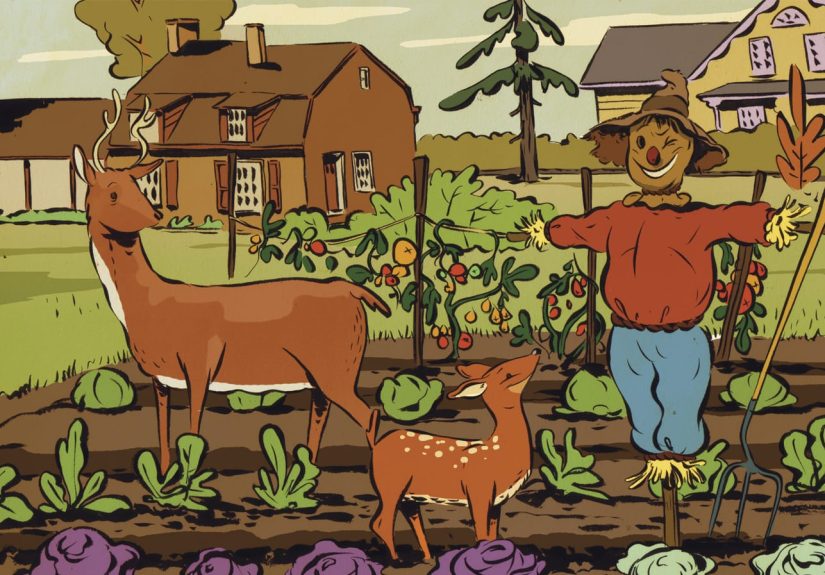
The good news is that you do not need to declare war on wildlife. Most garden damage can be reduced with smart planning, physical barriers, habitat management, repellent rotation, and plant choices that make your yard less tempting. The best strategy is not one magic spray or one heroic scarecrow named Gary. It is a layered system: identify the animal, protect the most vulnerable plants, remove easy hiding spots, and make your garden slightly less convenient than the neighbor’s buffet. Ethical, practical, and effectivethat is the goal.
Why Plant-Eating Animals Love Your Garden
Gardens are basically luxury grocery stores for herbivores. They offer tender new growth, watered soil, fresh vegetables, young bark, flower buds, fruit, and cover. Wildlife does not see your tomato plant as “a carefully nurtured heirloom variety.” It sees dinner with excellent customer service.
Animals are especially attracted to gardens during spring, drought, late summer, and winter. In spring, seedlings are soft and easy to eat. In dry weather, irrigated gardens stay green when wild food gets crispy. In late summer and fall, fruit and vegetables become high-value snacks. During winter, deer, rabbits, voles, and rodents may browse bark, twigs, and evergreen shrubs because other food is limited.
Keeping animals away begins with understanding motivation. A hungry deer will ignore tricks that might scare a casual browser. Rabbits will keep returning if they have cover nearby. Groundhogs may dig under weak fencing because, frankly, they are built like determined furry bulldozers. Your defense plan should match the animal and the pressure level.
Step One: Identify the Culprit Before You React
Before buying fencing, spraying repellents, or glaring at every squirrel in the county, study the damage. Different animals leave different calling cards.
Deer Damage
Deer usually leave torn, ragged edges on leaves and stems because they do not have upper front incisors the way rabbits do. Damage can occur several feet above the ground. Deer often browse hostas, roses, daylilies, beans, lettuce, fruit trees, shrubs, and tender landscape plants. Bucks may also rub antlers on young trees, scraping bark and damaging trunks.
Rabbit Damage
Rabbits make clean, angled cuts close to the ground, almost like someone used small garden pruners and had no respect for your weekend plans. They love peas, beans, lettuce, beets, young perennials, tender shrubs, and tree bark in winter. If damage is mostly below two feet, rabbits are high on the suspect list.
Groundhog Damage
Groundhogs, also called woodchucks, can remove large portions of vegetable plants. They often feed during the day and may leave wide burrow entrances near fences, sheds, brush piles, or garden edges. A groundhog can turn a lush vegetable patch into a minimalist art installation surprisingly fast.
Voles, Gophers, Squirrels, and Birds
Voles may chew bark near the soil line or damage roots. Pocket gophers can pull plants downward or injure roots from below. Squirrels and chipmunks often dig in beds, disturb bulbs, steal fruit, or take exploratory bites from tomatoes as if conducting quality control. Birds may peck seedlings, berries, or ripening fruit. The solution changes depending on whether the problem is above ground, below ground, seasonal, or constant.
The Most Reliable Defense: Physical Barriers
If there is one rule for keeping plant-eating animals at bay, it is this: barriers beat wishful thinking. Repellents can help, scare tactics may work briefly, and plant selection reduces risk, but fencing, cages, netting, and row covers provide the most consistent protection.
Use Deer Fencing for Serious Deer Pressure
For deer, a tall fence is the gold standard. In many home gardens, an eight-foot fence is considered an effective height because deer are powerful jumpers. If the protected space is very small, a shorter fence may sometimes work because deer dislike jumping into tight enclosed areas. However, if deer pressure is heavy, taller fencing is safer.
Deer fencing can be made from woven wire, polypropylene mesh, electric fencing, or a double-fence design. A double fence works because deer have poor depth perception and are reluctant to jump into a narrow space between two barriers. For vegetable gardens, install the fence before planting if deer are common in your area. Waiting until after they discover your beans is like installing a bank vault after the raccoon has already opened an account.
Install Rabbit Fencing Low and Tight
Rabbit fencing does not need to be skyscraper tall, but it must be tight near the ground. Use chicken wire or hardware cloth with small openings. A fence around 18 to 24 inches high can protect many vegetable beds, but taller fencing may be needed in snowy climates because rabbits can stand on snowdrifts and browse higher than expected.
The bottom edge matters most. Secure it firmly to the ground or bury it a few inches below the soil surface. For young trees and shrubs, wrap trunks with hardware cloth cylinders, leaving enough space for trunk growth and checking regularly so the guard does not restrict the plant.
Build a Groundhog-Resistant Fence
Groundhogs require sturdier protection. A strong fence about four feet tall, with the lower edge buried deep enough to discourage digging, is commonly recommended. Bending the buried portion outward in an L-shape can make burrowing under the fence more difficult. Since groundhogs can climb, some gardeners bend the top of the fence outward as well.
If you have groundhogs, inspect fence lines often. Look for digging, gaps under gates, loose corners, and weak spots. A garden gate with a three-inch gap is not a gate to a groundhog. It is an invitation printed in bold letters.
Use Netting, Cages, and Row Covers for Smaller Crops
For berries, lettuce, brassicas, seedlings, and young transplants, lightweight protection can be extremely useful. Floating row covers protect plants from wind, some insects, and certain animal damage while still allowing light and water through. Bird netting can protect berries and fruit, but it should be installed carefully so animals do not become tangled. Secure netting tightly, lift it for harvest, and remove it when it is no longer needed.
Individual wire cages work well for young fruit bushes, newly planted shrubs, and high-value vegetables. If you only have one blueberry bush and the deer have already added it to their seasonal menu, a cage may be faster and cheaper than fencing the entire yard.
Repellents: Useful, But Not Magic
Animal repellents can reduce browsing, especially when pressure is light to moderate. They work by making plants smell bad, taste bad, or seem risky to eat. Common repellent ingredients may include putrescent egg solids, garlic, capsaicin, blood meal, or predator scent. Some are designed for deer, others for rabbits, and some for multiple animals.
However, repellents have limits. Rain can wash them away. New plant growth may be unprotected. Animals may get used to the smell. Very hungry wildlife may ignore repellents completely. Repellents also need to be safe for the plant and approved for the way you use them, especially around edible crops.
How to Use Repellents More Effectively
Apply repellents before damage becomes severe. Reapply after rain, irrigation, or as directed on the product label. Rotate between different products so animals do not become too familiar with one scent or taste. Test sprays on a small part of a plant first if the label suggests it, because some products can damage sensitive foliage.
Never assume that homemade remedies are automatically safe or effective. Strong-smelling items such as mothballs should not be scattered in gardens; they are pesticides and can be hazardous when misused. Human hair, soap bars, and other folk methods may have mixed results at best. The more valuable the plant, the less you should rely on garden mythology and good vibes alone.
Choose Plants Animals Usually Avoid
No plant is completely deer-proof or rabbit-proof. A starving animal may sample almost anything, including plants listed as resistant. Still, smart plant selection can lower the odds of damage. Many herbivores avoid plants with strong scents, fuzzy leaves, thick textures, bitter sap, thorns, or toxic compounds.
Deer and rabbits often avoid aromatic herbs such as lavender, rosemary, sage, thyme, mint, and oregano. Many ornamental salvias, alliums, daffodils, yarrow, catmint, bee balm, Russian sage, ornamental grasses, and some ferns are less appealing than tender favorites like hostas, tulips, daylilies, roses, pansies, lettuce, beans, and young fruit trees.
Use resistant plants as a border around tastier crops, but do not expect them to create an invisible force field. A ring of lavender around lettuce may help slightly, but a hungry rabbit is not going to stop and say, “Ah yes, a botanical boundary. I respect the design.” Combine resistant planting with fencing for the best results.
Make Your Yard Less Comfortable for Browsers
Many plant-eating animals return because the area offers food plus shelter. Rabbits like brush piles, tall grass, dense weeds, low decks, and overgrown edges. Groundhogs favor areas near sheds, fence lines, stone walls, and brushy cover. Voles thrive in thick mulch, tall grass, and weedy ground cover.
Good cleanup can reduce the problem. Keep grass trimmed around gardens. Remove brush piles near vegetable beds. Clean up fallen fruit. Avoid leaving pet food outdoors. Thin dense vegetation where rabbits hide. Keep compost managed and covered if it attracts wildlife. These steps will not eliminate every visitor, but they make your garden less convenient.
Protect Plants by Season
Spring: Guard Seedlings Early
Spring is when young plants are most vulnerable. Use row covers, cloches, small cages, or temporary fencing as soon as seedlings go into the ground. Do not wait until the first nibble, because the first nibble may involve an entire row of beans.
Summer: Watch Fruit and Watered Beds
During hot, dry weather, irrigated gardens become especially attractive. Tomatoes, melons, berries, beans, and leafy crops may need extra protection. Harvest ripe fruit promptly, repair fence gaps, and reapply repellents after storms.
Fall: Prepare for Deer and Tree Rubbing
In fall, deer browsing may increase, and bucks may rub antlers on young trees. Protect trunks with guards or wire cylinders. Fence young trees and shrubs before damage happens, not after the bark looks like it lost a wrestling match.
Winter: Protect Bark and Evergreens
Winter can be brutal on woody plants. Rabbits, voles, and deer may browse bark, twigs, and evergreen foliage. Install hardware cloth around trunks, keep mulch a few inches away from bark, and make sure fencing remains high enough above snow level.
Humane and Legal Wildlife Management
Wild animals are part of the landscape, and many are protected by state or local rules. The goal is to prevent damage, not punish animals for being hungry. Use exclusion, habitat modification, and legal repellents first. If an animal is trapped, injured, unusually aggressive, or living in a structure, contact your local extension office, wildlife agency, or licensed wildlife professional for guidance.
Avoid unsafe shortcuts. Do not use poisons in gardens to deal with plant-eating wildlife. They can harm pets, children, beneficial animals, and predators such as owls and hawks. They also rarely solve the root problem: your garden is still delicious and accessible.
A Practical Garden Protection Plan
Here is a simple approach that works for most home gardens:
- Identify the animal. Look at bite marks, tracks, droppings, burrows, timing, and damage height.
- Protect high-value plants first. Fence vegetables, young trees, berries, and favorite ornamentals.
- Use the right barrier. Tall fencing for deer, tight low fencing for rabbits, buried sturdy fencing for groundhogs, and cages or netting for fruit.
- Reduce cover. Remove brush piles, tall weeds, and hiding spots near garden beds.
- Add repellents as backup. Use labeled products correctly, rotate them, and reapply as needed.
- Plant strategically. Place less-preferred plants around vulnerable areas and choose resistant varieties where damage is common.
- Inspect weekly. A small gap in April can become a full salad invasion by June.
Common Mistakes That Invite Animal Damage
One major mistake is building a fence that is almost good enough. Wildlife specializes in almost. A rabbit can slip under a loose bottom edge. A groundhog can dig below a shallow fence. Deer can jump a low barrier or push through a weak one. Gates are another weak point; they should close tightly and meet the ground well.
Another mistake is relying only on repellents. Sprays can be helpful, but they are not permanent armor. They work best as part of a broader plan. Gardeners also forget to protect new growth. If a repellent was applied two weeks ago and the plant has grown six inches since then, the new leaves may be completely unprotected.
Finally, some gardeners unintentionally create wildlife hotels. Tall grass, fallen fruit, open compost, brush piles, and cozy spaces under sheds can encourage repeated visits. A cleaner garden edge often reduces browsing pressure without costing anything except a little sweat and possibly one dramatic conversation with a stubborn pile of weeds.
Extra Field Notes: Real-World Experience Keeping Plant-Eating Animals at Bay
After dealing with garden pests for more than one growing season, one lesson becomes clear: animals are excellent at finding the one thing you forgot. You can build a fence, tuck in the bottom edge, spray a repellent, and feel like a genius. Then a rabbit discovers the gap beside the gate and turns your kale into modern art. The best gardeners are not the ones who never have damage. They are the ones who inspect, adjust, and refuse to take plant crimes personally.
In a small vegetable garden, the easiest win is usually a simple perimeter fence with extra attention paid to the lower twelve inches. Many beginners focus on height because deer are dramatic, but rabbits and groundhogs often do more damage at ground level. A fence that is high enough but loose at the bottom is like a locked door with a welcome mat-sized hole in it. Use landscape staples, buried mesh, boards, or soil contact to close the lower edge. Walk the fence after heavy rain, mowing, and storms because soil shifts and animals test weak spots.
For raised beds, wire hoops with row cover or insect netting can be a game changer. They protect seedlings during the fragile early weeks, when one night of feeding can erase an entire planting. Once plants are larger and tougher, you can remove the cover or switch to taller supports. This works especially well for lettuce, spinach, cabbage family crops, beans, and young herbs. Just remember to secure the fabric with clips, boards, or pins. A row cover flapping in the wind is not protection; it is a tiny garden flag announcing, “Something went wrong here.”
Fruit plants need special attention. Blueberries, strawberries, grapes, and young fruit trees attract multiple visitors, including birds, deer, squirrels, rabbits, and curious humans who claim they are “just checking ripeness.” For berries, netting should be tight and well-supported so it does not trap birds or sag onto the fruit. For young trees, trunk guards and individual cages are worth the effort. A tree can recover from losing a few leaves, but serious bark damage can threaten its survival.
Repellents are best treated like sunscreen: useful, but only when applied correctly and reapplied when conditions change. Gardeners often spray once, forget about it, and then blame the product after three thunderstorms and two weeks of new growth. Read the label, avoid using products on edible crops unless they are approved for that purpose, and rotate scents or tastes. In low-pressure areas, repellents may save ornamentals. In high-pressure deer country, repellents without fencing are usually a polite suggestion, and deer are not famous for obeying polite suggestions.
Plant choice also matters more than many people think. A front yard filled with hostas, tulips, pansies, and tender roses is basically a dessert cart for deer and rabbits. Mixing in aromatic herbs, ornamental grasses, alliums, daffodils, salvias, yarrow, catmint, and other less-preferred plants can reduce browsing. It will not create a perfect shield, but it changes the menu. The goal is to make your garden less attractive, less accessible, and less predictable.
The most successful strategy is patient layering. Start with barriers for the crops you care about most. Add cleanup around the edges. Use repellents where appropriate. Choose tougher plants in high-risk areas. Inspect regularly. Accept that wildlife will always be nearby, because a living landscape includes living creatures. Your job is not to remove nature from the garden. Your job is to stop nature from eating the entire garden before breakfast.
Conclusion
Keeping plant-eating animals at bay is not about one miracle trick. It is about combining smart defenses: identify the animal, install the right barrier, protect plants before damage begins, reduce hiding places, use repellents realistically, and choose plants that are less likely to become wildlife snacks. Deer, rabbits, groundhogs, voles, gophers, squirrels, and birds all behave differently, so the best garden defense is specific rather than random.
If your garden has become the neighborhood buffet, start with the basics: fence the most valuable areas, secure the bottom edge, protect young trees and seedlings, and inspect often. Then add repellents and resistant plants as supporting players. With a little planning, your plants can finally grow without starring in the local wildlife dinner theater.