Table of Contents >> Show >> Hide
- Why Weight Loss After 60 Feels Different
- The Golden Rule: Protect Muscle While You Lose Fat
- Nutrition That Works After 60 (Without Living on Lettuce)
- Exercise After 60: The Smart Mix That Burns Fat and Builds Strength
- Sleep and Stress: The “Hidden Levers” of Weight Loss
- Important Considerations After 60 (Safety = Success)
- A Simple 4-Week Starter Plan (No Drama, Just Progress)
- Common Mistakes That Stall Weight Loss After 60
- Conclusion: The Goal Isn’t Just a Smaller BodyIt’s a Stronger One
- Experiences After 60: What It Really Feels Like (and What Usually Works)
Losing weight after 60 can feel like trying to update your phone… with reading glasses… in a dark room… while it’s asking for a password you definitely
didn’t set. The good news: your body hasn’t “given up.” The rules just changed a littleand once you play the new game, results still happen.
This guide covers practical, evidence-based strategies for weight loss after 60 that protect your strength, support your health, and don’t
require you to live on celery sticks. You’ll get a clear plan for food, movement, sleep, and mindsetplus real-world “this is what it actually feels like”
experiences at the end.
Quick note: If you have diabetes, heart disease, kidney disease, a history of falls, or you take medications that affect appetite or blood sugar,
talk with your clinician before making big changes. After 60, “safe and steady” beats “fast and frantic.”
Why Weight Loss After 60 Feels Different
First, let’s validate the obvious: you are not imagining it. Many people notice that weight comes on easier and leaves slower in their 60s. Several things
can contribute:
-
Natural shifts in metabolism: As we age, daily energy needs often decrease. That doesn’t mean your metabolism is “broken”it means your
body is efficient (like a hybrid car that’s great for the planet and mildly inconvenient for your snack habits). -
Muscle loss (sarcopenia): Without regular strength work, we tend to lose muscle with age. Less muscle can mean fewer calories burned at
rest and more difficulty maintaining function. - Hormones, stress, and sleep: Sleep changes and stress can affect appetite, cravings, and energy.
-
Joint discomfort and mobility limits: When knees or hips complain, people move lessoften without realizing how much that reduces daily
calorie burn. - Medication effects: Some common prescriptions can influence appetite, fluid retention, and blood sugar.
Here’s the key insight: the most successful senior weight loss plans focus less on “eat less, move more” (too vague) and more on
protecting muscle, managing appetite, and building consistent movement.
The Golden Rule: Protect Muscle While You Lose Fat
If there’s one strategy that deserves a gold medal (and maybe a small parade), it’s this:
Lose fat while keepingor even buildingmuscle.
Why? Because muscle supports strength, balance, independence, and metabolic health. And the older you are, the more valuable muscle becomeslike a good
neighbor or a reliable can opener.
Two non-negotiables: protein + strength training
Protein helps support muscle maintenance, especially when paired with resistance training. You don’t need to chug mystery powder (unless
you enjoy it). You just need a protein plan that fits your appetite and preferences.
Strength training (using weights, machines, resistance bands, or bodyweight) is one of the most effective tools for changing body
composition after 60. Even two days a week makes a difference when you’re consistent.
Nutrition That Works After 60 (Without Living on Lettuce)
Weight loss comes from a calorie deficit, yesbut after 60, how you create that deficit matters. The goal is to reduce calories while
still getting enough protein, fiber, and micronutrients to protect muscle and energy.
Use the “3-Part Plate” to make meals easier
At most meals, aim for:
- Protein (helps fullness + muscle): chicken, fish, eggs, Greek yogurt, tofu, beans, lean beef, cottage cheese.
- High-volume plants (helps fullness): vegetables, salad, berries, citrus, tomatoes, soups with lots of veggies.
- Smart carbs and fats (supports energy + satisfaction): oats, brown rice, potatoes, fruit, olive oil, nuts, avocado.
This approach naturally supports portion control while keeping meals satisfying. It’s also flexible: you can do it with Mediterranean,
DASH, higher-protein, or “whatever keeps me sane” eating styles.
Fiber is your appetite’s best friend
Fiber slows digestion and increases fullness. Practical ways to raise fiber without turning your kitchen into a bean-only experimental lab:
- Swap white bread for whole grain or sprouted grain.
- Add berries or a sliced apple to breakfast.
- Include beans or lentils a few times per week (soups, chili, salads).
- Make half your plate non-starchy vegetables at lunch and dinner.
If you’re not used to higher fiber, increase gradually and drink more water to avoid the “why is my stomach writing angry emails?” situation.
Create a small, steady calorie deficit
A modest deficit (often 250–500 calories per day) is typically more sustainable than aggressive restrictionespecially after 60, when under-eating can
backfire by reducing energy, protein intake, and activity.
Try these “invisible deficit” moves first:
- Upgrade breakfast: add protein (eggs, yogurt, cottage cheese) and reduce pastries/sugary cereal frequency.
- Downsize liquid calories: sweet drinks, fancy coffee add-ons, and “it’s basically dessert” smoothies.
- Use a smaller plate a few nights a week (yes, it sounds silly; yes, it helps).
- Plan one snack (protein + fiber), instead of grazing all afternoon.
Don’t forget hydration (and be honest about alcohol)
Thirst can masquerade as hunger, and mild dehydration can make you feel tiredoften mistaken for “I need a snack.” Aim for water throughout the day,
especially around walks or workouts.
Alcohol can also slow progress: it’s calorie-dense, can reduce sleep quality, and tends to lower “I’ll make a good choice” willpower at 9:30 p.m. If you
drink, consider fewer days per week, smaller pours, or alternating with sparkling water.
Exercise After 60: The Smart Mix That Burns Fat and Builds Strength
The most effective plan combines aerobic activity, strength training, and balance/mobility. You don’t
have to run. You do have to move.
Aerobic activity: think “brisk enough to talk, not sing”
A strong target is about 150 minutes per week of moderate-intensity aerobic activity (or the vigorous equivalent), spread across the week.
Walking countsespecially brisk walking. Cycling, swimming, low-impact classes, and water aerobics count too.
If you’re starting from zero, begin with what you can do consistently: 10 minutes after two meals per day is already a big win.
Strength training: 2–3 days a week, full body
Strength training protects muscle, supports bone health, and makes everyday life easier (carrying groceries shouldn’t feel like an Olympic event). Aim for
2–3 sessions weekly, working major muscle groups.
Simple beginner routine (2 days/week):
- Chair squat or sit-to-stand: 2–3 sets of 8–12
- Wall push-ups or incline push-ups: 2–3 sets of 8–12
- Seated row (band) or machine row: 2–3 sets of 8–12
- Hip hinge (light dumbbells) or glute bridge: 2–3 sets of 8–12
- Farmer carry (light weights) or suitcase carry: 2–3 rounds of 20–40 seconds
Rule of thumb: the last 2–3 reps should feel challenging but safe. If form breaks down, reduce the weight or reps. Consistency beats intensity every time.
Balance and mobility: the underrated secret weapon
Balance work reduces fall risk and improves confidence in movement. Add 5–10 minutes, 3+ times per week:
- Heel-to-toe walking
- Single-leg stands while holding a counter
- Tai chi or gentle yoga
- Calf raises and step-ups
Here’s the fun part: as balance improves, you often move more overallmeaning your daily calorie burn rises without “formal exercise” feeling longer.
NEAT: the calories you burn by living your life
NEAT (non-exercise activity thermogenesis) is everything you do that’s not a workout: walking the dog, gardening, errands, cleaning, pacing while you’re on
the phone. After 60, boosting NEAT is a game-changer because it’s low impact and highly sustainable.
Try “movement snacks”:
- 5 minutes of walking every hour or two
- 10 squats to a chair after bathroom breaks (if safe)
- Park farther away on purpose (you’re not lost; you’re training)
Sleep and Stress: The “Hidden Levers” of Weight Loss
If you’re doing “everything right” but progress is slow, sleep and stress may be the missing pieces. Inadequate sleep can increase hunger and cravings and
make workouts feel harder. Stress can also push people toward comfort foods and reduce motivation.
Sleep targets that support fat loss
- Aim for a consistent sleep schedule (even on weekends).
- Get morning light exposure when possible.
- Limit caffeine later in the day.
- Create a short “wind-down” routine: stretching, reading, calming music.
You don’t need perfect sleep. You need better-than-before sleep. Small improvements can have outsized results.
Stress strategies that don’t involve yelling at the scale
- Walk after meals (doubles as stress relief and movement).
- Strength training (great for confidence and mood).
- Social connection: exercise classes, walking groups, friend meetups.
- Short breathing practice: 2 minutes, a few times per day.
Important Considerations After 60 (Safety = Success)
The best plan is the one you can do safely for months, not the one that looks impressive for six days.
Check these before you “go harder”
- Medication review: Ask your clinician if any meds affect weight, appetite, or blood sugar.
- Protein needs: Especially important if you’re dieting; adjust for kidney disease only with medical guidance.
- Joint-friendly options: Water exercise, cycling, and strength training can be easier than high-impact cardio.
- Fall risk: If balance is an issue, prioritize stability work and safe environments.
Also consider how you measure progress. After 60, the scale can be noisy because strength training may add muscle while you lose fat. Track:
waist measurement, how clothes fit, energy, strength gains, and walking pace.
A Simple 4-Week Starter Plan (No Drama, Just Progress)
Week 1: Establish the baseline
- Track meals for 3–4 days (no judgmentjust data).
- Walk 10 minutes after one meal daily.
- Add a protein-focused breakfast 4 days this week.
Week 2: Build the “3-Part Plate” habit
- At lunch and dinner, include protein + plants.
- Add 2 higher-fiber foods per day (fruit, beans, whole grains, veggies).
- Walk after two meals on at least 3 days.
Week 3: Add strength training
- Do 2 full-body sessions (20–35 minutes each).
- Keep walking and meal structure steady.
- Choose one snack strategy (planned protein + fiber snack).
Week 4: Refine and repeat
- Increase walking pace or duration slightly.
- Progress one strength exercise (a few reps or a little more resistance).
- Set a realistic calorie “guardrail” (avoid mindless extras).
- Prioritize sleep 3 nights this week.
After 4 weeks, most people notice at least one of these: better energy, improved appetite control, improved strength, smaller waist measurement, or modest
scale movement. The win is momentum.
Common Mistakes That Stall Weight Loss After 60
- Crash dieting: Often leads to muscle loss and rebound hunger.
- Skipping strength training: Makes it harder to change body composition.
- Under-eating protein: Leaves you hungry and undermines muscle maintenance.
- Only doing cardio: Helpful, but incomplete without resistance work.
- Ignoring sleep: Appetite and cravings get louder when you’re tired.
Conclusion: The Goal Isn’t Just a Smaller BodyIt’s a Stronger One
The most effective way to lose weight after 60 is to stop fighting your body and start working with it. Prioritize protein, strength
training, and a realistic calorie deficit. Move often. Sleep a little better. Repeat.
If you take one message from this article, let it be this: after 60, weight loss works best when it’s built on strength. You’re not just
chasing a numberyou’re building a body that can carry you through the next decades with more energy and fewer limitations.
Experiences After 60: What It Really Feels Like (and What Usually Works)
People often expect weight loss to feel like a straight line: do the plan, watch the scale behave, celebrate. Real life after 60 is usually messierand
that’s normal. One of the most common experiences is this: you start “eating healthier,” but the scale barely moves for a couple of weeks, and you wonder
if your body missed the memo. Then you notice your pants fit differently, your posture feels stronger, and walking up stairs doesn’t steal your soul as
much as it used to. That’s progress, even if your scale is being dramatic.
Another frequent experience is discovering that protein changes everything. Many older adults report that once breakfast includes a solid
protein source (eggs, Greek yogurt, cottage cheese, tofu scramble), they’re not hunting for snacks at 10:30 a.m. like it’s a sport. That “quieting” of
hunger is powerful because it reduces mindless grazingoften the hidden reason weight creeps up. It also tends to improve recovery from workouts, which
makes strength training feel more doable instead of punishing.
Strength training itself often starts with hesitation. A lot of people say, “I’m too old to lift weights,” right up until they realize the “weights” can be
resistance bands, light dumbbells, or even standing up from a chair repeatedly. The experience many describe is surprising confidence: after a few weeks,
carrying groceries feels easier, balance improves, and aches sometimes lessen because muscles provide more support around joints. The most successful folks
aren’t the ones who go hardestthey’re the ones who show up twice a week even when motivation is low. They treat workouts like brushing teeth: not optional,
not heroic, just part of life.
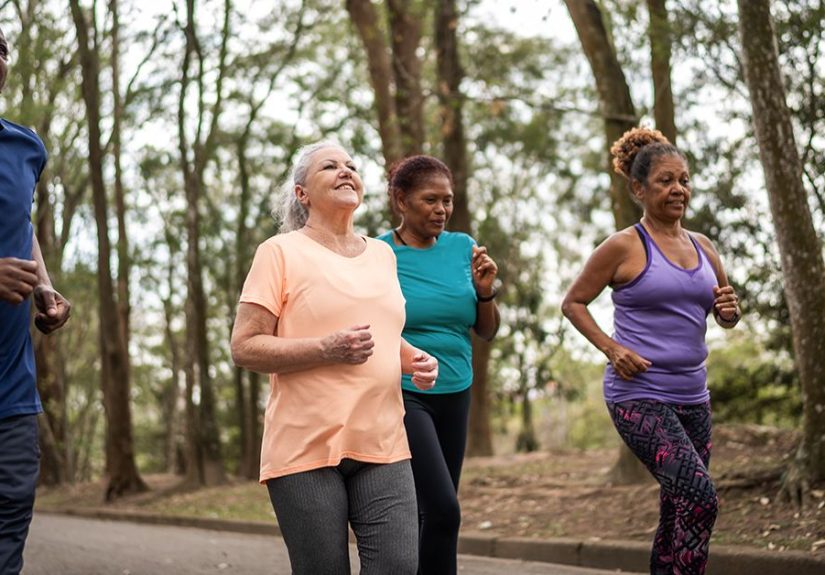
Walking is another “sneaky winner.” People consistently report that it’s the one habit they can keep during travel, stressful weeks, and bad weather (with a
mall, hallway loops, or marching in place during TV). The experience that tends to matter most isn’t “I walked for an hour once.” It’s “I walked 15–20
minutes most days.” That consistency improves mood and sleep, which then supports better food choices. It’s a beneficial domino effect.
Sleep may be the biggest “aha” moment. Many older adults don’t realize how strongly poor sleep pushes cravings until they intentionally improve bedtime
routines. People often describe the same pattern: after a better night’s sleep, they feel less drawn to sugary snacks, they have more energy to move, and
the whole plan feels less like suffering. It’s not magicit’s biology. When you’re tired, your brain votes for fast fuel. When you’re rested, you’re more
willing to make choices that align with your goals.
Finally, the most relatable experience is learning that weight loss after 60 is about identity more than intensity. The people who keep
results usually stop asking, “What can I do for 30 days?” and start asking, “What can I do for the next 30 years?” They build a routine they actually like:
a few staple breakfasts, a short list of lunches, dinners that follow the 3-part plate, and workouts that are challenging but safe. They also forgive
themselves faster. A holiday meal becomes one meal, not a month-long apology tour. That’s the mindset that makes results stick.