Table of Contents >> Show >> Hide
- Why Chicken Burgers Are Worth Making
- What You Need for a Great Chicken Burger
- How to Make a Chicken Burger Step by Step
- A Simple Chicken Burger Recipe You Can Use Anytime
- Best Flavor Variations
- Common Mistakes to Avoid
- What to Serve With a Chicken Burger
- Kitchen Experience: What Repeated Chicken Burger Nights Teach You
- Conclusion
If beef burgers are the loud extroverts of cookout season, chicken burgers are the underrated friend who shows up quietly and then steals the whole party with one excellent joke. A well-made chicken burger is juicy, flavorful, lighter than a traditional beef burger, and wildly customizable. A bad one, unfortunately, can taste like a dry hockey puck wearing lettuce as a disguise.
The good news? Making a truly delicious chicken burger at home is not hard. The trick is understanding that ground chicken behaves differently from ground beef. It is leaner, softer, and much more likely to dry out if you treat it roughly or overcook it. Once you know how to add moisture, build flavor, shape the patties properly, and cook them to the right temperature, you can make a chicken burger that belongs in your regular dinner rotation.
This guide walks you through exactly how to make a chicken burger from scratch, plus the little details that separate a decent burger from a “wait, you made this at home?” burger. You will also get topping ideas, common mistake fixes, and a long section of real-world kitchen experience to help you make better burgers every time.
Why Chicken Burgers Are Worth Making
A homemade chicken burger hits a sweet spot that many weeknight meals miss. It feels fun and comfort-food-ish, but it can still be fresh, bright, and not overly heavy. Ground chicken also plays nicely with lots of flavor profiles. You can keep it classic with garlic, onion, and mayo-based sauce, or head in a totally different direction with Buffalo, ranch, Parmesan, herbs, chipotle, or even Mediterranean-style toppings.
Another perk is speed. Chicken burgers cook quickly, especially in a skillet, and they do not require a long ingredient list. You can build a great burger with ground chicken, breadcrumbs, onion, garlic, a binder, a few seasonings, buns, and toppings. That is not exactly a culinary obstacle course.
What You Need for a Great Chicken Burger
Main Ingredients
- 1 pound ground chicken
- 1/3 cup panko breadcrumbs or soft breadcrumbs
- 2 to 3 tablespoons finely grated onion
- 1 small garlic clove, minced
- 2 tablespoons mayonnaise or plain Greek yogurt
- 1 tablespoon milk, if the mixture seems tight
- 2 tablespoons chopped parsley or cilantro
- 1/2 teaspoon kosher salt
- 1/4 teaspoon black pepper
- 1/2 teaspoon paprika or garlic powder, optional
- 1 tablespoon oil for cooking
- 4 burger buns
Good Toppings
- Lettuce
- Tomato slices
- Red onion
- Pickles
- Cheese, such as cheddar, provolone, mozzarella, Swiss, or pepper Jack
- Mayo, burger sauce, ranch, chipotle mayo, or garlic yogurt sauce
One of the smartest things you can do is choose ground chicken that is not ultra-lean if you have the option. A mix of white and dark meat usually gives you a juicier patty with more flavor. Very lean ground chicken can still work, but it benefits from extra help in the moisture department, which is where ingredients like mayo, yogurt, grated onion, and breadcrumbs come to the rescue.
How to Make a Chicken Burger Step by Step
1. Build Moisture Into the Mixture
Chicken burgers need a moisture strategy. This is not the time to be emotionally unavailable. Ground chicken can turn dry fast, so add ingredients that keep the patties tender. Panko helps hold moisture, grated onion adds flavor and softness, and mayo or yogurt gives the mixture a little insurance policy against bland, dry results.
In a large bowl, combine the breadcrumbs, grated onion, garlic, mayonnaise or yogurt, herbs, salt, pepper, and optional paprika or garlic powder. Let that sit for a minute so the breadcrumbs can absorb some moisture. This small step helps create a more tender texture.
2. Add the Ground Chicken and Mix Gently
Add the ground chicken to the bowl and mix just until combined. That phrase gets thrown around a lot in recipes, but here it really matters. If you overmix, the burger can become dense and tough. Use a fork, your hands, or a spatula, but stop as soon as everything looks evenly distributed.
The mixture will likely feel softer and stickier than beef burger mixture. That is normal. Chicken burger batter has a “trust the process” personality.
3. Shape the Patties
Divide the mixture into 4 equal portions and shape them into patties about 1/2 inch thick. Make them slightly wider than the buns because they will shrink a bit during cooking. If the mixture is sticky, lightly wet your hands or oil them first.
You can also press a shallow dimple into the center of each patty with your thumb. This helps the burgers cook more evenly and keeps them from puffing up in the middle like they are trying to become meatballs with big dreams.
4. Chill If Needed
If the patties feel very soft, place them on a plate or tray and chill them for 10 to 15 minutes. This is especially useful if your mixture contains grated vegetables, yogurt, or other wet ingredients. A short chill helps the patties hold their shape better in the skillet or on the grill.
5. Cook the Burgers
Heat a large skillet, grill pan, or outdoor grill over medium to medium-high heat. Add a little oil to prevent sticking. Once hot, add the patties and cook for about 5 to 6 minutes per side, depending on thickness. Avoid pressing down on them while they cook. That only squeezes out the juices you worked so hard to keep inside.
If you want cheese, add it during the last minute or two of cooking and cover the pan briefly so it melts nicely. The burger is done when the center reaches 165°F.
6. Use a Thermometer the Smart Way
For burgers, especially thinner patties, insert the thermometer from the side into the center. That gives you a more accurate reading. Do not rely on color alone. Chicken can fool you. The safe target is 165°F, and that is the number to trust.
7. Toast the Buns
This step seems optional until you skip it and wonder why your burger bun turned into a damp napkin. Toasted buns give the burger structure, flavor, and a better texture. Spread a little butter or oil on the cut sides and toast them in a skillet, on the grill, or under the broiler until lightly golden.
8. Assemble and Serve
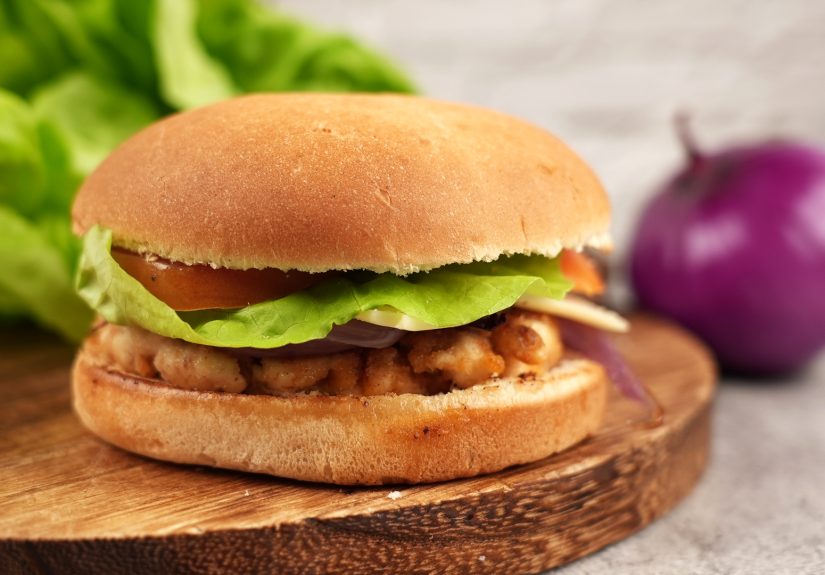
Spread your sauce on both sides of the bun, add lettuce if you want a protective barrier against juices, then stack on the burger, cheese, tomato, onion, pickles, and bun top. Serve right away while everything is warm and the contrast between the juicy patty and crisp toppings is still doing its thing.
A Simple Chicken Burger Recipe You Can Use Anytime
Here is an easy base version:
- 1 pound ground chicken
- 1/3 cup panko
- 2 tablespoons grated onion
- 1 garlic clove, minced
- 2 tablespoons mayonnaise
- 2 tablespoons chopped parsley
- 1/2 teaspoon kosher salt
- 1/4 teaspoon black pepper
- 1/2 teaspoon paprika
Mix gently, shape into 4 patties, chill if soft, and cook in an oiled skillet for 5 to 6 minutes per side until the centers hit 165°F. Toast buns and serve with lettuce, tomato, pickles, and a quick sauce made from mayo, ketchup, and a little mustard or pickle brine.
Best Flavor Variations
Classic Cheeseburger Style
Add a slice of cheddar or American cheese, shredded lettuce, tomato, pickles, and burger sauce. This is the easiest crowd-pleaser.
Buffalo Chicken Burger
Mix a little hot sauce into the patty mixture, then top with blue cheese dressing or ranch, celery slaw, and lettuce. Messy? Yes. Worth it? Extremely.
Chicken Parmesan Burger
Mix Parmesan and herbs into the burger, then top with marinara, mozzarella, and fresh basil. It tastes like your favorite Italian comfort food decided to wear a bun.
Chipotle Chicken Burger
Add chopped chipotle in adobo or chipotle powder to the mixture. Top with pepper Jack, avocado, and chipotle mayo.
Greek-Inspired Chicken Burger
Use dill, lemon zest, garlic, and a little crumbled feta in the mixture. Top with cucumber, red onion, lettuce, and tzatziki.
Common Mistakes to Avoid
Using Dry, Extra-Lean Ground Chicken Without Backup
If your chicken is very lean, you need moisture-adding ingredients. Breadcrumbs alone help, but mayo, yogurt, grated onion, or even a little shredded zucchini can make a big difference.
Overmixing the Meat
This is one of the fastest ways to ruin the texture. Mix only until the seasonings are incorporated.
Making Patties Too Thick
Thick chicken burgers can brown on the outside before the center is fully cooked. Keep them around 1/2 inch thick for even cooking and a better burger-to-bun ratio.
Cooking Over Heat That Is Too High
Very high heat can burn the outside before the inside reaches a safe temperature. Medium to medium-high is your sweet spot.
Skipping the Toasted Bun
A toasted bun is not a fussy restaurant trick. It helps the burger hold up and gives you that golden, slightly crisp edge that makes every bite better.
Guessing Doneness
Use a thermometer. Chicken burgers are not the place for wishful thinking.
Washing Raw Chicken
If you are starting with ground chicken, there is nothing to wash. More importantly, washing raw poultry can spread bacteria around the sink and nearby surfaces. Keep things safer by skipping the rinse and focusing on proper handling, clean surfaces, and correct cooking temperature instead.
What to Serve With a Chicken Burger
Chicken burgers are flexible enough to pair with almost anything. Great side dishes include:
- Crispy fries or sweet potato fries
- Coleslaw
- Potato salad
- Cucumber salad
- Corn on the cob
- Roasted vegetables
- Kettle chips and pickles
For a lighter meal, serve the burger with a crunchy salad or wrap the patty in lettuce instead of using a bun. For a full comfort-food moment, bring on the fries and an unapologetically generous amount of sauce.
Kitchen Experience: What Repeated Chicken Burger Nights Teach You
The first time you make a chicken burger, it is easy to think of it as a simple substitute for a beef burger. Same idea, different protein, end of story. But after you make chicken burgers a few times, you realize they have their own rules, their own personality, and their own little kitchen drama. They are less forgiving than beef, but once you understand them, they become one of the most useful meals in your weeknight lineup.
For me, the biggest lesson is that texture starts long before the burger hits the pan. If I rush the mixing and throw everything together without thinking about moisture, the patties usually turn out fine-ish, which is a very dangerous category of result. Fine-ish is how a recipe ends up forgotten. But when I take an extra minute to add grated onion, a spoonful of mayo, and breadcrumbs that have had time to soften, the burger feels completely different. It cooks up tender instead of springy, juicy instead of dry, and suddenly tastes like something I would gladly make again.
Another thing experience teaches fast is that chicken burgers reward restraint. You do not need to pack in twelve spices, three sauces, and a motivational speech. Ground chicken takes on flavor well, but it also benefits from clarity. Garlic, onion, salt, pepper, herbs, and one supporting flavor note, like paprika or Parmesan, often do more than a cluttered ingredient list. This is especially true when the toppings already bring plenty to the table.
Then there is the issue of shaping. Early on, many people make chicken patties too thick because thick burgers look hearty and restaurant-like. In practice, that often leads to overbrowned outsides and an undercooked center, or a fully cooked center with an outer ring that has given up on tenderness. Slightly thinner patties solve a lot of problems. They cook evenly, fit the bun better, and create the kind of bite where bun, sauce, topping, and burger actually arrive in the same mouthful instead of fighting for attention.
Repeated chicken burger nights also teach you that buns matter more than you think. A good toasted bun is not there just for looks. It keeps the burger from getting soggy, adds structure, and makes the whole meal feel more finished. The same burger on a limp, untoasted bun tastes less exciting. On a warm, lightly crisp bun, it tastes intentional. That is a dramatic sentence about bread, but I stand by it.
Experience also helps with timing. Chicken burgers are best when everything is ready before the patties finish cooking. Sauce mixed? Good. Tomato sliced? Excellent. Buns toasted? Heroic. Because once the burger is done, you want to assemble and eat it while the cheese is soft, the bun is warm, and the patty is still juicy. Letting it sit too long is like buying concert tickets and then listening from the parking lot.
Most of all, making chicken burgers again and again shows how adaptable they are. Some nights they lean classic with lettuce, tomato, and burger sauce. Other nights they turn spicy, herby, cheesy, or smoky. They can be dressed up for guests or kept simple for dinner after a long day. That is what makes them so practical. A chicken burger is not just a recipe. It is a reliable format you can return to, tweak, and improve every time you make it.
Conclusion
If you want to know how to make a chicken burger that tastes great instead of merely virtuous, the formula is simple: start with ground chicken that has enough flavor, add ingredients that protect moisture, mix gently, shape evenly, cook to 165°F, and never underestimate the power of a toasted bun. From there, you can go classic, spicy, cheesy, herby, or boldly sauce-covered depending on your mood and how ambitious you feel on a Tuesday.
The beauty of a chicken burger is that it can be both easy and impressive. It is weeknight-friendly, cookout-friendly, family-friendly, and friendly to that random pack of burger buns you forgot you bought. Once you get the technique down, this is one of those recipes that stops feeling like a recipe and starts feeling like a dependable skill. And that is when dinner gets a whole lot more delicious.