Table of Contents >> Show >> Hide
- What Makes a Classic Tiramisu Actually Classic?
- Ingredients for a Pro-Level Classic Tiramisu
- Step 1: Make the Coffee Soak and Get Your Base Ready
- Step 2: Build a Light, Smooth Mascarpone Cream
- Step 3: Dip Fast, Layer Smart
- Step 4: Chill, Dust, and Serve Like You Know What You’re Doing
- Common Tiramisu Mistakes That Ruin the Mood
- How to Customize It Without Betraying the Classic
- Serving, Storage, and Make-Ahead Tips
- Why This 4-Step Method Works So Well
- My Experience Making Classic Tiramisu the Hard Way So You Don’t Have To
- Conclusion
Note: Remove citation markers before publishing. They are included here only to document the factual basis behind the article, as requested.
Editorial note: This article synthesizes guidance from reputable U.S. food publishers and cooking authorities, including Food & Wine, Bon Appétit, Sally’s Baking Addiction, Food Network, Epicurious, Eataly, Once Upon a Chef, Simply Recipes, King Arthur Baking, Allrecipes, The Spruce Eats, and FDA egg-safety guidance.
Classic tiramisu is one of those desserts that looks like it has a graduate degree in pastry arts, but in reality it mostly asks you not to panic and not to drown the ladyfingers. That is the whole emotional journey. At its best, tiramisu is light but rich, creamy but structured, bold with coffee but not bitter, and sweet without tasting like someone tipped a sugar bowl into the pan by accident. In other words, it is the dessert equivalent of showing up overdressed in the best possible way.
A classic version is built from a few key elements: espresso-soaked ladyfingers, a mascarpone-based cream, a dusting of cocoa, and enough chill time for the layers to settle into their full, dreamy, spoonable glory. Many trusted recipes vary on the details, especially when it comes to eggs and alcohol, but they agree on the big picture: tiramisu is a no-bake dessert that rewards restraint, good coffee, and patience in the refrigerator.
What Makes a Classic Tiramisu Actually Classic?
If you strip tiramisu down to its essentials, you get four unmistakable flavors and textures: coffee, mascarpone, cocoa, and soft-but-not-mushy ladyfingers. Some versions include Marsala, rum, brandy, or coffee liqueur. Some use whipped cream, some rely more heavily on whipped eggs or zabaglione, and some heat the yolks for texture and food safety. What matters most is balance. The espresso needs enough strength to cut through the creamy filling, the mascarpone needs to stay smooth and lush, and the cookies need a quick dip rather than a long swim.
For a reliable pro-style result at home, the easiest path is a classic-leaning method that uses egg yolks beaten with sugar until pale and airy, mascarpone folded in gently, whipped cream for lift, crisp savoiardi ladyfingers, cooled espresso, and a solid chill before serving. This gives you a tiramisu that tastes old-school, slices neatly, and does not collapse into caffeinated pudding the minute you scoop it. Which, to be fair, would still be delicious, but less elegant.
Ingredients for a Pro-Level Classic Tiramisu
This ingredient list keeps things faithful to the spirit of classic tiramisu while staying practical for an American home kitchen:
- 2 cups strong espresso or very strong brewed coffee, cooled
- 6 large egg yolks
- 3/4 cup granulated sugar
- 16 ounces mascarpone, slightly softened
- 1 1/2 cups cold heavy cream
- 2 to 4 tablespoons Marsala wine, dark rum, or coffee liqueur (optional)
- 2 packages crisp savoiardi ladyfingers
- Unsweetened cocoa powder, for dusting
- 1 teaspoon vanilla extract (optional, especially helpful in alcohol-free versions)
- A pinch of salt
Why these ingredients work is simple: mascarpone gives tiramisu its signature richness, espresso provides the defining flavor, crisp ladyfingers absorb liquid without instantly disintegrating, and cocoa adds a slightly bitter finish that keeps the dessert from becoming cloying. If you skip the booze, the tiramisu will still be fully legitimate and fully delicious.
Step 1: Make the Coffee Soak and Get Your Base Ready
Brew the espresso first and let it cool completely. Warm coffee and cold cream do not become friends; they become chaos. Stir in your Marsala, rum, or coffee liqueur if using. Pour the mixture into a shallow bowl so dipping the ladyfingers later feels controlled instead of like a stressful aquatic rescue mission.
This is also the moment to prepare your pan, usually an 8-inch square dish or similar. Some cooks dust the base lightly with cocoa before the first layer, which adds flavor and helps keep the bottom from feeling flat. It is a small move, but tiramisu is full of small moves that quietly make you look smarter than you are.
Step 2: Build a Light, Smooth Mascarpone Cream
In a heatproof bowl over barely simmering water, whisk the egg yolks and sugar until the mixture turns pale, thicker, and airy. You want the sugar dissolved and the mixture noticeably expanded. This creates a more professional texture than simply stirring everything together and hoping for the best. It also gives you a safer, more polished route than relying on raw yolks alone. Once the yolk mixture is thick and light, remove it from the heat and let it cool slightly.
In a separate bowl, whip the cold heavy cream until soft to medium peaks form. In another bowl, loosen the mascarpone gently until smooth, then fold in the yolk mixture. Finally, fold in the whipped cream. The goal is a filling that feels airy and spoonable, not dense, grainy, or overbeaten. Several trusted recipes emphasize that mascarpone behaves best when handled gently and blended until smooth, not whipped into oblivion like it personally offended you.
A Safety Note About Eggs
Traditional tiramisu often uses raw or lightly cooked eggs, but food-safety guidance is clear that raw eggs can carry risk. If you are serving anyone pregnant, elderly, immunocompromised, or simply cautious, use pasteurized eggs or stick with the gently heated yolk method above. That lets you keep the classic character without playing unnecessary roulette with dessert.
Step 3: Dip Fast, Layer Smart
Here is where tiramisu succeeds or fails. Dip each ladyfinger very quickly in the cooled espresso mixture, about 1 to 2 seconds per side for crisp savoiardi, then lay them in a single snug layer. If you use softer bakery-style ladyfingers, brush the coffee on instead of dunking. The best tiramisu recipes repeatedly warn against oversoaking, because that is how you end up with a dessert that slumps like it had a hard week.
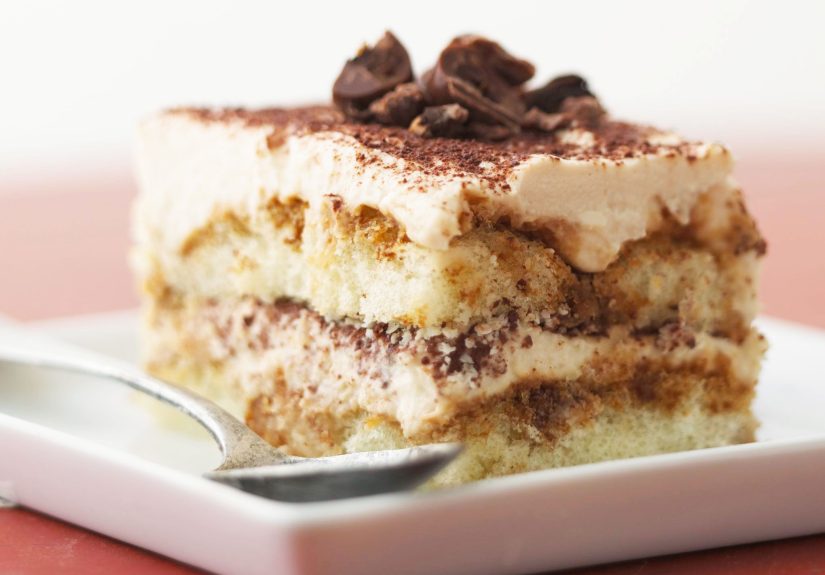
Spread half the mascarpone cream over the first layer, dust lightly with cocoa, then repeat with a second layer of dipped ladyfingers and the remaining cream. Finish with a final dusting of cocoa over the top. If you want neat slices later, use an offset spatula and take your time smoothing the cream. Tiramisu is rustic in spirit, but a clean top makes it look restaurant-worthy.
Step 4: Chill, Dust, and Serve Like You Know What You’re Doing
Cover the pan and refrigerate the tiramisu for at least 4 hours, though overnight is even better. This is not optional downtime; this is when the dessert becomes tiramisu instead of layered ingredients with ambition. Chilling allows the ladyfingers to soften, the cream to set, and the coffee flavor to mingle with the mascarpone into something deeper and more cohesive.
Right before serving, give the top a fresh dusting of unsweetened cocoa if needed. Use a fine-mesh strainer for a more even finish. Serve cold. And yes, it really does taste better when you make it ahead, which is one of the rare times in life when procrastination looks elegant.
Common Tiramisu Mistakes That Ruin the Mood
1. Over-soaking the ladyfingers
The difference between perfect and soggy is measured in seconds. Crisp savoiardi can take a quick dip; soft ladyfingers often need brushing instead. Once the cookies lose all structure before layering, the final dessert can turn heavy and wet.
2. Using weak coffee
Tiramisu lives or dies by the coffee flavor. Weak coffee gets swallowed by the mascarpone, cream, and sugar. Strong espresso or robust brewed coffee gives the dessert the bold backbone it needs.
3. Overmixing the mascarpone
Mascarpone is luxurious, but it can go stiff or grainy if handled roughly. Fold rather than thrash. Your filling should look soft, smooth, and cloudlike, not like sweetened drywall compound.
4. Skipping the chill time
Freshly assembled tiramisu tastes unfinished. The full transformation happens in the refrigerator, where the layers settle and the flavor rounds out.
How to Customize It Without Betraying the Classic
You can make tiramisu alcohol-free by omitting the booze and adding a bit of vanilla. You can swap espresso for very strong brewed coffee if needed. If mascarpone is unavailable, some sources suggest a cream cheese-and-cream workaround, but the truest flavor and texture come from actual mascarpone. For ladyfinger substitutes, sponge cake can work, though it changes the texture and usually turns softer faster. In other words: substitutions exist, but every shortcut changes the personality a little.
Serving, Storage, and Make-Ahead Tips
Tiramisu is one of the great make-ahead desserts. Make it the day before dinner, let it chill overnight, and act mysteriously modest when everyone assumes you apprenticed in Rome. Most reliable sources recommend keeping leftovers refrigerated and enjoying them within a few days for the best texture. Freezing is generally not ideal because the soaked layers and creamy filling do not always rebound gracefully after thawing.
Why This 4-Step Method Works So Well
The beauty of this method is that it respects the core of classic tiramisu while trimming away needless complication. Step 1 gives you a controlled coffee soak. Step 2 creates a filling that is rich but airy. Step 3 locks in the proper texture through quick dipping and even layering. Step 4 gives the whole dessert time to become the thing you actually wanted in the first place. It is classic tiramisu, just edited down to the moves that matter most.
My Experience Making Classic Tiramisu the Hard Way So You Don’t Have To
The first time I made tiramisu, I treated the ladyfingers like bath sponges. I dunked them with confidence, layered them with optimism, and chilled the whole thing with the emotional energy of someone who had already started drafting the victory speech. What came out of the refrigerator was not elegant tiramisu. It was a coffee-flavored trifle having an identity crisis. Delicious, yes. Sliceable, absolutely not. That was my first lesson: tiramisu does not reward enthusiasm nearly as much as it rewards restraint.
My second mistake was assuming mascarpone would behave like cream cheese. It does not. Cream cheese can take a little abuse and still bounce back with a smile. Mascarpone is more dramatic. Too cold, and it resists blending smoothly. Too aggressively mixed, and it turns oddly dense. Once I learned to soften it slightly, stir it gently, and fold instead of beat, the filling changed completely. Suddenly it looked silky and expensive instead of like I had mixed frosting during a power outage.
Then there was the coffee problem. For a while I kept using regular coffee that was technically coffee but emotionally tea. It smelled fine, tasted fine, and disappeared inside the dessert like a shy guest at a loud party. When I finally switched to strong espresso, the tiramisu woke up. The coffee cut through the richness, the cocoa made sense, and the whole dessert tasted balanced instead of vaguely sweet and beige. It turned out tiramisu needs backbone. Without it, the mascarpone just wanders around the plate looking pretty.
I also learned the hard way that chill time is not a suggestion. Once, in a display of terrible judgment disguised as efficiency, I served tiramisu after barely two hours in the fridge. The layers had not settled, the cream had not firmed, and every spoonful looked like a beautiful landslide. It still tasted good, because tiramisu is generous like that, but the next-day version was undeniably better. Overnight, everything merged: the cookies softened just enough, the espresso mellowed into the cream, and the top layer held its shape like it had hired a publicist.
What surprised me most was how forgiving tiramisu becomes once you understand the three pressure points: strong coffee, gentle mixing, and quick dipping. Once those were under control, the dessert stopped feeling intimidating. It became one of those recipes that makes you look far fancier than the effort suggests. People see tiramisu and imagine complexity. You see tiramisu and know it is mostly a matter of layering, chilling, and not making any dramatic choices with the cookies.
Now, when I make classic tiramisu, the whole process feels less like baking and more like assembling a very persuasive argument in favor of dessert. Brew the espresso. Build the cream. Dip, layer, dust, chill. That is it. No culinary acrobatics. No sugar sculptures. No oven mitt heroics. Just a cold, creamy, coffee-kissed dessert that somehow manages to feel both luxurious and comforting. And every time I cut a clean square and see those neat layers, I remember that great tiramisu is not about showing off. It is about knowing when to stop soaking the ladyfingers.
Conclusion
If you want to make a classic tiramisu like a pro, do not focus on making it complicated. Focus on making it balanced. Use strong espresso, treat the mascarpone gently, dip the ladyfingers quickly, and give the finished dessert enough time to chill properly. That is the whole game. With just four smart steps, you can make a tiramisu that tastes polished, classic, and absolutely dinner-party worthy, even if your kitchen soundtrack is just you muttering, “Please hold together,” under your breath.