Table of Contents >> Show >> Hide
- What Is Obsidian in Minecraft?
- What You Need to Make Obsidian
- How to Make Obsidian in Minecraft: Step-by-Step
- Why You Keep Getting Cobblestone Instead of Obsidian
- Fast Ways to Get Obsidian Early Game
- What Can You Use Obsidian For?
- Common Mistakes When Mining Obsidian
- Pro Tips for Getting Obsidian Faster
- Can You Make Obsidian Without Mining It?
- Frequently Asked Questions
- Player Experiences: What Making Obsidian Usually Feels Like in Real Survival Play
- Final Thoughts
If you have ever stared into a lava pool in Minecraft and thought, “This looks dangerous, but also kind of useful,” congratulations: you are absolutely right. Obsidian is one of the most important blocks in the game. It helps you reach the Nether, build an enchanting table, craft an ender chest, and put together a beacon later on. In other words, it is the block that quietly sits in the background while your entire survival world levels up.
The funny part is that many players think obsidian is crafted at a table like bread or a boat. Nope. Minecraft is more dramatic than that. To make obsidian, you need water, lava, and just enough caution to avoid becoming a barbecue-flavored memory. Once you know the trick, it is simple. Once you do not know the trick, you get cobblestone, panic, and a very uncomfortable swim.
This guide breaks down exactly how to make obsidian in Minecraft, what tools you need, the mistakes that trip players up, and the fastest ways to use your new blocks. Whether you are brand-new to survival mode or finally building your first Nether portal without screaming, this tutorial will help.
What Is Obsidian in Minecraft?
Obsidian is a dark purple-black block that forms when water touches a lava source block. That last part matters. If water interacts with flowing lava instead of a lava source, you usually get cobblestone instead. So yes, Minecraft is picky, and yes, that detail is the difference between success and disappointment.
Obsidian is valuable because it is incredibly durable and useful. It is one of the best blocks for important crafting recipes and one of the most recognizable materials in the entire game. When players think about “big upgrades” in survival mode, obsidian is usually standing nearby, looking smug and expensive.
What You Need to Make Obsidian
Before you start, gather these basics:
- One bucket to carry water
- A water source such as a river, lake, or ocean
- A lava source block found underground, in caves, ravines, or near ruined portals
- A diamond pickaxe or netherite pickaxe to mine and collect the obsidian
If you do not already have a bucket, craft one with three iron ingots. If you do not already have a diamond pickaxe, slow down for a moment and work toward that first. You can create obsidian without mining it, but if you want the block to drop into your inventory, a diamond or netherite pickaxe is required. Wooden, stone, iron, and gold pickaxes will not cut it. They will only waste your time and maybe your dignity.
How to Make Obsidian in Minecraft: Step-by-Step
Step 1: Craft a Bucket and Fill It With Water
Your first job is easy. Craft a bucket and fill it from any water source. Keep that water bucket in your hotbar. It is your best friend when dealing with lava, and unlike some friends, it actually saves your life on purpose.
Step 2: Find a Lava Source Block
Next, go find lava. You will commonly see it deep underground, in cave systems, near bedrock layers, or around ruined portals. Surface lava pools also work. What you want is still lava, also called a source block. If the lava is visibly flowing downward or sideways, be careful, because that may not give you obsidian when water touches it.
A good test is simple: lava source blocks usually sit in a pool and look calm. Flowing lava looks like it is moving. Calm lava equals better results. Angry lava equals a life lesson.
Step 3: Pour Water Over the Lava
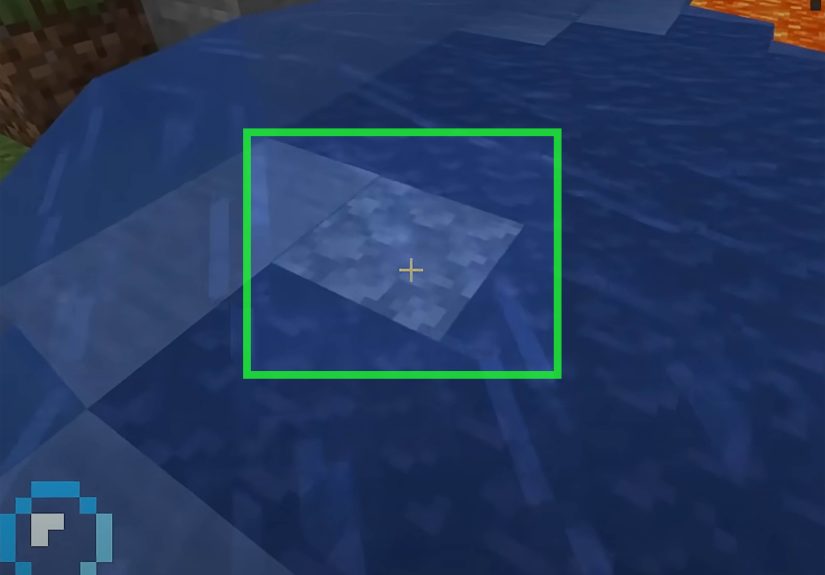
Stand at the edge of the lava pool and use your water bucket so the water flows over the lava source blocks. If the setup is correct, the exposed lava source blocks will turn into obsidian almost instantly.
Do not jump directly into the center of the pool unless you enjoy panic-building with random dirt blocks. Place the water from a safe edge or from one block above the lava so it spreads across the surface. This keeps you safer and lets you see what changed.
Step 4: Pick the Water Back Up
Once the top layer turns to obsidian, scoop your water back into the bucket. This is a smart move for two reasons. First, it lets you see the obsidian clearly. Second, mining underwater is slower unless you have very specific gear and enchantments. In early survival, you almost certainly do not. So save yourself the headache and pocket the water for reuse.
Step 5: Mine the Obsidian
Use a diamond or netherite pickaxe to mine the obsidian block. Be patient. Obsidian takes much longer to mine than most common blocks, so this is the part where many players start questioning their life choices. Keep holding the mouse button and let the tool do its job.
One more important safety tip: lava pools are often deeper than they look. After you mine the top obsidian block, there may still be lava underneath. A smart habit is to let water continue protecting the area while you break the block, or place a spare block nearby so you are not standing directly over a fiery trapdoor to embarrassment.
Why You Keep Getting Cobblestone Instead of Obsidian
This is the most common problem, especially for beginners. If you are making cobblestone instead of obsidian, one of these things is probably happening:
- You are pouring water onto flowing lava instead of a lava source block.
- You are working from the wrong angle, so the water is only touching lava flow, not the actual source.
- You are uncovering a mixed lava area where some blocks are sources and some are not.
The fix is simple: find the calm lava source blocks and let water run over those. Think of obsidian as the reward for precision. Minecraft is not being mean. It is just being extremely literal.
Fast Ways to Get Obsidian Early Game
If you want obsidian quickly, these methods work best:
Use a Surface Lava Pool
This is the easiest survival method. Bring a water bucket, convert the lava, then mine the blocks. It is beginner-friendly and great for collecting enough obsidian for a Nether portal or an enchanting table.
Check Ruined Portals
Ruined portals often contain obsidian in the frame and sometimes extra obsidian in the nearby chest. This can save time, especially if you are close to building your first portal. Just remember that crying obsidian is not the same thing. It looks cool, but it cannot complete a normal working Nether portal frame.
Cast a Portal in Place
Some experienced players skip mining full stacks of obsidian and use lava plus water to form a Nether portal frame directly in the world. This technique is often called portal casting. It is efficient, especially if you want to enter the Nether early, but it takes practice. For most casual players, mining the obsidian first is easier and less likely to end in a lava bath.
What Can You Use Obsidian For?
Once you have obsidian, you unlock some of Minecraft’s best progression tools.
Nether Portal
The classic use. A working Nether portal needs 10 obsidian minimum if you skip the corners, or 14 obsidian if you build the full rectangular frame. Light it with flint and steel, and suddenly your peaceful survival game becomes much more exciting and much more on fire.
Enchanting Table
You need 4 obsidian, 2 diamonds, and 1 book to craft an enchanting table. This is one of the biggest early-to-mid-game upgrades because it lets you improve tools, armor, and weapons.
Ender Chest
An ender chest requires 8 obsidian and 1 Eye of Ender. It is one of the best storage tools in Minecraft because your contents stay linked across all ender chests you place. If you like traveling, looting, or not losing precious gear, this block is a superstar.
Beacon
A beacon recipe needs 3 obsidian along with glass and a Nether Star. This is late-game stuff, but it is another reason obsidian keeps showing up in important milestones.
Common Mistakes When Mining Obsidian
- Using the wrong pickaxe: If it is not diamond or netherite, the obsidian will not drop.
- Ignoring the lava underneath: Many players mine the first block and immediately fall into lava hidden below.
- Leaving the water in the wrong place: Too much water can make mining slower or push you around at the worst moment.
- Confusing crying obsidian with normal obsidian: One helps make a respawn anchor, the other helps make a portal. They are not interchangeable.
- Standing too close: Lava has a way of turning small mistakes into dramatic endings.
Pro Tips for Getting Obsidian Faster
If you plan to farm more than a few blocks, use these practical tricks:
- Bring extra buckets so you can control water and lava more easily.
- Place temporary blocks around the lava pool to make a safer platform.
- Mine from the edge inward instead of standing over the center.
- Use a ruined portal as a shortcut when possible.
- Collect a little more obsidian than you think you need, because Minecraft projects have a suspicious habit of getting bigger.
Can You Make Obsidian Without Mining It?
Technically, yes. You can create the block in the world without mining it by letting water touch lava. You can also use lava and water to cast a Nether portal frame directly. But if you want obsidian in your inventory as a collectible block item, you still need to mine it with the proper pickaxe.
This is why some speedrunners and experienced survival players can get into the Nether without carrying a full stack of mined obsidian. They build the shape in place. It looks clever because it is clever. It also looks stressful because, honestly, it is.
Frequently Asked Questions
Can you craft obsidian at a crafting table?
No. Obsidian is not made in a crafting grid. You create it by making water touch a lava source block.
Do you need a diamond pickaxe for obsidian?
You need a diamond or netherite pickaxe to mine and collect obsidian successfully.
How much obsidian do you need for a Nether portal?
You need 10 obsidian for the smallest working portal if you leave out the corners, or 14 if you build the full frame with corners included.
Can crying obsidian be used for a Nether portal?
No. Crying obsidian cannot be used as a valid Nether portal frame block.
What is the easiest way to make obsidian in Minecraft?
The easiest method is to find a lava pool, pour water over the lava source blocks, and then mine the obsidian with a diamond or netherite pickaxe.
Player Experiences: What Making Obsidian Usually Feels Like in Real Survival Play
One of the funniest things about learning how to make obsidian in Minecraft is that the process seems simple on paper and slightly chaotic in actual survival mode. Almost every player has a story. It usually begins with optimism, involves a lava pool, and ends with at least one panicked jump.
A very common early experience goes like this: you finally get enough iron for a bucket, fill it with water, and head toward the first lava pool you can find. You feel smart. Capable. Prepared. Then you pour the water, mine one block, and realize the lava pool is actually two blocks deep. Suddenly your careful mining trip becomes a dramatic rescue mission involving gravel, dirt, and frantic clicking. It is practically a Minecraft rite of passage.
Another shared experience is the great cobblestone betrayal. Many players discover the water-and-lava trick, try it once, and get cobblestone instead of obsidian. That leads to ten full minutes of suspiciously staring at lava, as if the lava has personally insulted them. The lesson usually comes fast after that: not all lava is equal. Once players understand the difference between a lava source block and flowing lava, everything clicks. It feels like solving a puzzle that was mocking you from the cave floor.
Then there is the unforgettable moment when obsidian finally becomes a portal. For a lot of players, those first ten blocks are not just a building material. They are a milestone. You go from “person living in a dirt house with cooked chicken and bad armor” to “interdimensional traveler with ambition.” Lighting the portal for the first time feels huge. The purple swirl appears, the sound kicks in, and suddenly the game gets bigger. That emotional jump is a big reason obsidian feels more special than many other blocks.
More experienced players tend to remember a different kind of obsidian moment: efficiency. Once you know what you are doing, obsidian stops feeling rare and starts feeling strategic. You begin looking at ruined portals differently. You bring an extra bucket on purpose. You notice lava pools near caves and think, “That is future storage and enchantment progress right there.” The block becomes less mysterious and more like a reliable upgrade path.
There is also a weird satisfaction in mining obsidian itself. It takes a while, which sounds annoying, but that long break time gives the block a kind of weight. Every piece feels earned. You are not casually punching leaves here. You are committing to a project. By the time you collect enough for a portal, enchanting table, or ender chest, it feels like real progress instead of random loot luck.
In that way, obsidian is tied to some of Minecraft’s most memorable survival experiences: your first safe trip to the Nether, your first real enchantment setup, your first portable ender chest system, and the moment you stop playing like a beginner and start thinking several steps ahead. For a block made from water and lava, it has a surprisingly dramatic career.
Final Thoughts
Learning how to make obsidian in Minecraft is one of those skills that pays off for the rest of your world. The recipe is not a recipe at all: just water, lava source blocks, and the right pickaxe. Once you understand that simple mechanic, you can collect obsidian safely, build your first Nether portal, unlock enchanting, and start tackling bigger survival goals with confidence.
The biggest trick is not speed. It is precision. Use water on lava source blocks, watch out for hidden lava underneath, and never assume crying obsidian will behave like the regular version just because it looks dramatic. With a little caution and a lot less falling into lava, you will have more obsidian than you know what to do with. Well, almost.