Table of Contents >> Show >> Hide
- Why Pruning Thyme Matters
- When to Prune Thyme
- How to Prune Thyme: 9 Steps
- 1. Wait until the plant is established
- 2. Pick the right day
- 3. Use clean, sharp snips
- 4. Find the green growth and the leaf nodes
- 5. Remove dead, damaged, or weak stems first
- 6. Trim back the top growth by up to one-third
- 7. Avoid cutting into bare woody stems
- 8. Shear lightly after flowering if needed
- 9. Water lightly and keep harvesting smartly
- Common Mistakes to Avoid When Pruning Thyme
- How Often Should You Prune Thyme?
- What to Do With Thyme Clippings
- Real Garden Experiences and Lessons From Pruning Thyme
- Conclusion
- SEO Tags
Thyme is one of those herbs that acts humble in the garden and then quietly runs your kitchen, your pollinator bed, and your smug sense of competence. It smells amazing, asks for very little, and somehow makes roasted potatoes taste like they graduated from culinary school. But even a low-maintenance herb needs a little structure. If thyme is left alone too long, it can get woody, leggy, patchy, and about as productive as a broomstick.
That is where pruning comes in. Learning how to prune thyme keeps the plant compact, leafy, fragrant, and useful. It also helps extend harvests, reduce dead growth, and encourage the fresh green tips that cooks actually want. The trick is simple: trim the right part, at the right time, without getting overexcited and giving the plant an accidental buzz cut.
In this guide, you will learn exactly how to prune thyme in 9 practical steps, plus when to do it, what mistakes to avoid, and what real gardeners tend to discover after a few rounds of trial and error. Whether you are growing English thyme in a raised bed, lemon thyme in a pot, or creeping thyme along a path, the basic principles are refreshingly doable.
Why Pruning Thyme Matters
Thyme is a woody perennial herb. That means part of the plant stays alive from year to year, and over time the older stems become tougher and less productive. New leaves and tender shoots usually form on greener growth, not on old bare wood. If you prune thyme the right way, you encourage branching, keep the plant tidy, and make it easier to harvest flavorful stems throughout the growing season.
Pruning also improves airflow and helps the plant focus energy on fresh foliage instead of lanky stems or tired flowers. For culinary thyme, that matters because the leaves are the real prize. In ornamental plantings, especially creeping thyme, a light trim also helps keep the patch looking even instead of turning into a scraggly little herb rebellion.
When to Prune Thyme
The best times to prune thyme are usually early spring and again in summer after a flush of growth or flowering. Light trimming for harvest can happen during the growing season. If your plant starts looking long, sparse, or floppy, that is thyme politely asking for a haircut.
Try to avoid heavy pruning late in the season. Fresh, tender regrowth may not have time to harden off before cold weather arrives, which can leave the plant more vulnerable in winter. In other words, late fall is not the moment for dramatic reinvention.
Signs Your Thyme Needs Pruning
- Stems look long, thin, or floppy
- The center looks woody or sparse
- Flowering has finished and the plant looks tired
- Growth is uneven or spreading beyond its space
- You want more tender stems for cooking or drying
How to Prune Thyme: 9 Steps
-
1. Wait until the plant is established
Do not treat a tiny new thyme transplant like a mature herb hedge. Give young plants time to root in and put on healthy growth before doing any major pruning. You can pinch a few tips to encourage branching, but save heavier shaping for established plants that have enough top growth to recover well.
If your thyme is still in the baby phase, think “gentle encouragement,” not “full salon service.”
-
2. Pick the right day
Choose a dry day when the foliage is not wet from rain, dew, or overhead watering. Dry conditions make pruning easier and help reduce the chance of spreading disease. Morning is often ideal once any moisture has dried off the plant.
This also happens to be a good time to harvest thyme for cooking, because the plant is firm, fresh, and not yet wilted from afternoon heat.
-
3. Use clean, sharp snips
Use herb snips, scissors, or pruners that are clean and sharp. A crisp cut is easier on the plant than a ragged tear. If your tools are dull, thyme stems can get crushed instead of neatly clipped, and nobody wants their herb maintenance to feel like medieval punishment.
For small potted thyme, a pair of kitchen herb scissors is often plenty. For larger clumps or edging thyme, light hand pruners work well.
-
4. Find the green growth and the leaf nodes
Before cutting, look closely at the stems. You want to prune where there is still green, leafy growth. Ideally, snip just above a leaf pair or node, which is the point where leaves attach to the stem. That encourages branching and helps the plant fill in rather than leaving awkward stubs.
This is the golden rule of pruning thyme: cut where the plant can regrow. Bare woody stems with no green leaves are poor candidates for deep cuts.
-
5. Remove dead, damaged, or weak stems first
Start by cleaning up the plant. Clip out any dead twigs, winter-killed tips, broken stems, or obviously weak growth. This gives you a better view of the plant’s shape and makes the next round of pruning more precise.
If the center is crowded with dry or unproductive stems, thinning a few of them can improve airflow and reduce that tired, twiggy look older thyme sometimes develops.
-
6. Trim back the top growth by up to one-third
For routine pruning, remove no more than about one-third of the plant at a time. That is the sweet spot for most perennial herbs, including thyme. It is enough to stimulate fresh growth without stressing the plant too much.
If your thyme is overgrown, resist the temptation to “fix” everything in one dramatic session. A plant that has gotten woody over time often responds better to gradual shaping over multiple trims rather than one heroic chop that leaves it sulking.
-
7. Avoid cutting into bare woody stems
This step deserves bold emotional emphasis, but HTML does not allow me to shout without being rude. If a stem is bare, brown, and leafless, do not cut deeply into that section unless you are removing dead wood entirely. Thyme often struggles to push new growth from old, naked wood.
Instead, leave some green growth on each stem you prune. A little patience now gives you a fuller, healthier plant later. Going too deep is one of the fastest ways to turn a productive thyme plant into a decorative memory.
-
8. Shear lightly after flowering if needed
If your thyme has flowered and now looks shaggy, give it a light shearing to remove spent blooms and tidy the mound. This can encourage a flush of fresh growth and help the plant stay compact. It is especially useful for creeping thyme or thyme grown as a border or low edging.
Do not scalp it. Think “polished and refreshed,” not “post-breakup haircut.”
-
9. Water lightly and keep harvesting smartly
After pruning, give the plant normal care. Thyme prefers well-drained soil and generally does not want soggy conditions. A light watering is fine if the soil is dry, but do not overdo it. Then keep the plant productive by harvesting the tender tips regularly through the growing season.
Frequent light trimming is often better than neglect followed by a panic prune. Thyme responds well when you stay consistent.
Common Mistakes to Avoid When Pruning Thyme
Cutting too much at once
Removing half the plant in one go may seem efficient, but it can stress thyme, especially if the plant is older or growing in a container. Keep routine pruning moderate.
Pruning too late in the year
Heavy late-season pruning can trigger soft new growth that may not handle cold weather well. If frost is approaching, keep trimming minimal.
Ignoring the woody base
Many gardeners notice the top looks green and assume they can cut wherever they want. Then they discover the lower stems are woody and bare. Always look before you snip.
Overwatering after pruning
Thyme likes drainage and lean conditions. It is an herb, not a swamp enthusiast.
How Often Should You Prune Thyme?
Most thyme plants benefit from light pruning several times during the growing season, especially if you harvest regularly. A spring cleanup, a midsummer shaping, and small harvest trims in between usually work well. If you use thyme often in cooking, your dinner plans may be doing part of the pruning for you.
For creeping thyme, light shearing after flowering can help keep the mat neat. For upright culinary thyme, trimming tender tips often encourages bushier growth and better leaf production.
What to Do With Thyme Clippings
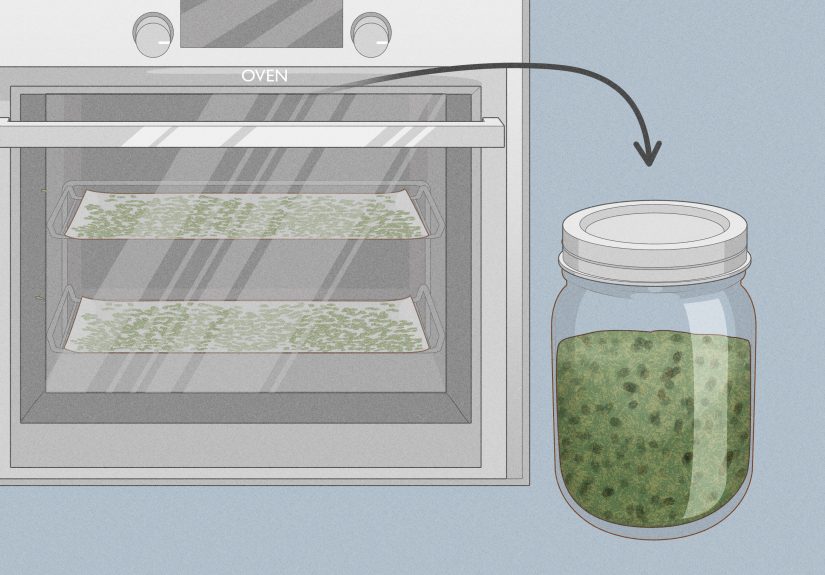
Pruning thyme has an obvious reward: free thyme. Use the fresh sprigs in soups, roast chicken, marinades, vegetables, compound butter, and bread. If you have more than you can use right away, tie small bundles and dry them in a warm, dark, well-ventilated area. You can also freeze thyme for later use.
If the clippings include lots of tender tips, strip the leaves and store them in an airtight container once dry. If the stems are woody and sad, send them to the compost pile with gratitude for their service.
Real Garden Experiences and Lessons From Pruning Thyme
One of the most common experiences gardeners report with thyme is underestimating how quickly a neat little plant can become woody in the middle. From the outside, it still looks green and perfectly respectable. Then you part the stems and discover a tangle of brown twigs that resembles a tiny bird’s nest with commitment issues. This is why regular pruning matters more than occasional rescue missions. A few strategic trims during the season are easier than trying to rebuild an old plant that has spent months hardening into a shrublet.
Container growers often notice something else: potted thyme can swing between “thriving” and “why do I look offended?” faster than thyme planted in the ground. In a pot, pruning works best when paired with restraint in watering. Gardeners sometimes trim the plant correctly but then overwater out of guilt, which is a classic human move. Thyme usually prefers that you apologize by giving it sun and drainage, not a soaking.
Raised-bed gardeners tend to learn that regular harvesting is secretly the easiest pruning plan of all. If you clip the tender tips every week or two for cooking, the plant often stays naturally compact. In that sense, roast potatoes are not just dinner. They are garden maintenance.
Creeping thyme brings a different lesson. When planted between stepping stones or along a path, it can begin beautifully and then send stems wandering over edges. A light trim after flowering usually makes it look intentional again. Gardeners who skip that step often end up with a patch that still smells wonderful but looks like it has developed boundary issues.
Another real-world lesson is that thyme rewards moderation. People who cut lightly into green growth usually get a flush of fresh shoots. People who cut deep into old wood often spend the next few weeks staring at the plant like it owes them an explanation. The plant, to be fair, had already given one. It was written on the stem.
Finally, many gardeners discover that older thyme sometimes needs replacement rather than endless correction. If a plant is extremely woody, sparse, and unproductive even after careful pruning, starting fresh can be the smarter move. The good news is thyme is worth replanting. It is fragrant, useful, attractive to pollinators, and far less dramatic than many other herbs. Looking at you, basil in a surprise cold snap.
The biggest takeaway from real pruning experience is simple: thyme is forgiving, but it is not magical. Trim it regularly, leave green growth behind, avoid going too hard too late in the season, and the plant usually responds with more of what you wanted in the first place: soft stems, flavorful leaves, and a tidy shape that makes you look like you absolutely know what you are doing.
Conclusion
Learning how to prune thyme is less about mastering a complicated technique and more about understanding the plant’s habits. Thyme wants sunlight, drainage, and occasional trimming that respects its woody structure. Once you know to cut above green nodes, avoid bare wood, and limit pruning to about one-third at a time, the process becomes easy. Better yet, it becomes useful. You get a healthier plant, a cleaner shape, and a steady supply of fragrant stems for the kitchen.
So yes, pruning thyme is a garden chore. But it is one of the rare chores that leaves your hands smelling fantastic and your dinner options looking stronger. That is what we call a solid return on effort.