Table of Contents >> Show >> Hide
- Quick Safety Note Before You Do Anything
- Is the Tooth Actually Ready to Come Out?
- When Not to Pull a Loose Tooth at Home
- Safe Methods to Remove a Very Loose Baby Tooth at Home
- Step-by-Step: The Safest “At-Home Removal” Checklist
- Aftercare: What to Do Right After the Tooth Comes Out
- When to Call the Dentist
- Adult Loose Tooth? Stop Right Here.
- Common Questions (Because the Internet Has Ideas)
- Conclusion: Safe Tooth Removal Is Mostly About Patience
- Experiences: The Real-Life Side of Losing a Tooth at Home (About )
A loose tooth is basically childhood’s way of saying, “Congratulations, you’re leveling up!” It’s also a tiny, wiggly
source of drama: half excitement (Tooth Fairy hype!), half panic (“What if it BLEEDS forever?!”), and a sprinkle of
“Can I pull it out with a lasso?” (No. Please don’t.)
This guide covers safe, dentist-approved ways to help a very loose baby tooth come out at home,
plus what to avoid and when you should call a dentist instead. If you’re here because an adult tooth is loose,
skip ahead to the “When Not to Pull” sectionbecause that’s a different situation entirely.
Quick Safety Note Before You Do Anything
This article is for normal baby-tooth wiggling (the tooth is loose because a permanent tooth is coming in).
It is not for injuries, infections, or loose permanent teeth. When in doubt, call a dental professional.
Good rule of thumb
- Baby tooth loose from growing up: Usually safe to let it fall out naturally; sometimes okay to assist if it’s truly ready.
- Loose tooth from a fall, sports hit, or accident: Treat as a dental injury and get checked quickly.
- Loose adult tooth: Don’t pullget dental care as soon as possible.
Is the Tooth Actually Ready to Come Out?
The safest “home method” is honestly this: wait. Many reputable dental sources recommend letting a loose baby tooth
fall out on its own because baby teeth help guide permanent teeth into place, and pulling too early can cause issues.
Signs a baby tooth is ready (green lights)
- It wiggles easily in multiple directions with little or no discomfort.
- Your child says it feels “dangly” or “barely hanging on.”
- Eating is annoying because the tooth moves aroundnot because it hurts.
- The gum around it looks normal (no swelling, no pus, no big redness).
Signs it’s not ready (red lights)
- It only wiggles a tiny bit and feels firmly rooted.
- Your child has sharp pain when it moves.
- The tooth is cracked, broken, or has a big cavity.
- The gum is swollen, hot, or oozing.
When Not to Pull a Loose Tooth at Home
Here’s the “Do Not Pass Go” list. If any of these are true, don’t attempt removalcall a dentist.
Do NOT pull at home if:
- It’s a permanent (adult) tootheven if it’s loose “just a little.” Adult teeth are meant to last a lifetime.
- The looseness came from trauma (fall, sports, accident). The tooth may need stabilization, not removal.
- There are signs of infection (swelling, fever, pus, worsening pain, foul taste).
- Bleeding risk is higher (known bleeding disorder, blood-thinning meds) unless a clinician approves.
- Your child is very anxious or likely to jerk awaysafety and choking risk matter.
- The tooth won’t come out with very gentle pressure. If it resists, it’s not ready.
Safe Methods to Remove a Very Loose Baby Tooth at Home
Let’s set the tone: this is a gentle assist, not a wrestling match. A dentist-approved approach is specifically
not the “string and doorknob” trick (yes, people still bring it up). The goal is clean, calm, and quick.
Method 1: The “Wiggle & Wait” approach (best default)
- Wash hands (yours and your child’s).
- Have your child gently wiggle the tooth with their tongue (or a clean finger) a few times a day.
- Let it fall out naturallyoften during eating or brushing.
Why this works: the tooth loosens as the root dissolves and the permanent tooth moves in. Your job is basically to cheerlead
and keep things clean.
Method 2: Clean gauze/tissue + quick twist (only if it’s truly hanging on)
If your child begs you to help and the tooth is already very loose, pediatric guidance commonly suggests gripping it with
a clean tissue or gauze and removing it with a quick twist.
- Wash your hands thoroughly.
- Use a clean piece of gauze or tissue to grip the tooth (better traction, more hygienic).
- Twist gently and quicklyno yanking, no repeated pulling.
- If it doesn’t come out easily, stop and give it more time.
Method 3: The “crunchy snack assist” (low-key and kid-friendly)
If the tooth is very loose, biting into something firm can help it pop out naturallythink apples, firm pears, or crusty bread.
This works best for kids who are nervous about hands near their mouth. Keep it supervised, and avoid anything that could pose a choking risk.
What NOT to do (seriously, don’t)
- No string-and-door or “surprise yank” tricks. Besides being unsafe, it can tear gum tissue and freak kids out for life.
- No pliers, tweezers, or tools from the “garage dentistry” department.
- No force. If it’s not ready, forcing it can cause bleeding, pain, and soft-tissue injury.
- No floss “lasso” method if there’s any chance the tooth could slip and become a choking hazard.
Step-by-Step: The Safest “At-Home Removal” Checklist
Use this if you’re doing the gauze/tissue method and the tooth is truly ready.
- Pick a calm time (not at bedtime when everyone is tired and emotions are unhinged).
- Explain the plan in simple terms: “We’ll try one gentle twist. If it doesn’t come out, we stop.”
- Wash hands and prepare clean gauze/tissue.
- Seat your child upright with good lighting.
- Grip the tooth firmly with gauze.
- One quick, gentle twist. Avoid repeated tugging.
- Immediate aftercare (see below).
Aftercare: What to Do Right After the Tooth Comes Out
Most baby-tooth sockets bleed a little. That’s normal. The goal is to help a small clot form and protect it while the gum heals.
Stop the bleeding
- Fold a piece of clean gauze and have your child bite down with gentle pressure for 10–15 minutes.
- Keep their head elevated; avoid lots of talking (yes, this is the hardest part).
- If bleeding is heavy or won’t stop, seek dental or urgent care.
Soothe discomfort
- Use a cold compress on the cheek for 10 minutes on/10 minutes off if sore.
- Offer soft foods for the next meal (yogurt, mashed potatoes, scrambled eggs, smoothies with a spoon).
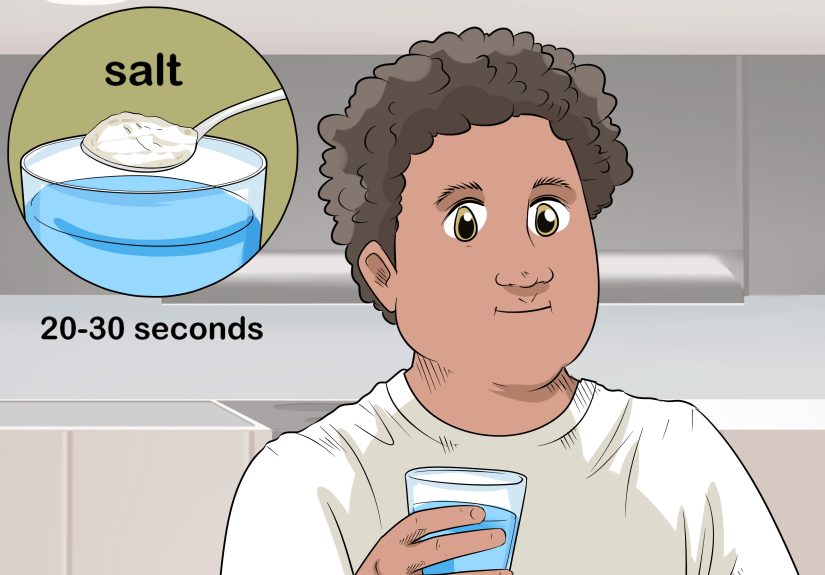
- A gentle saltwater rinse later that day (if your child is old enough to swish and spit safely) can help keep the area clean.
Pain medicine note for parents
If pain relief is needed, many pediatric resources recommend using age-appropriate acetaminophen or ibuprofen.
Avoid giving aspirin to children or teens, especially during viral illnesses, due to Reye syndrome risk.
What to avoid for the next 24 hours
- Don’t poke the socket (no “let me seeeeeee”).
- Avoid hard, sharp foods (chips, popcorn, pretzels) that can irritate the gum.
- Skip vigorous swishing right away if there’s active bleedinggentle is the theme.
When to Call the Dentist
Most loose baby teeth are normal and uncomplicated. But get professional advice if any of the following happens.
Call a dentist promptly if:
- Bleeding is heavy or doesn’t stop with pressure.
- Your child has swelling, fever, pus, or worsening pain.
- The tooth broke while coming out, or pieces seem stuck.
- A permanent tooth looks like it’s coming in oddly (far behind, very crooked, or painfully crowded).
- The tooth became loose after an injury (even if it “seems fine”).
Adult Loose Tooth? Stop Right Here.
If you’re an adult (or your teen has permanent teeth) and a tooth is loose, treat it as a warning sign. Loose adult teeth can be caused by
gum disease, trauma, bite issues, or other conditions that need treatment. Pulling it yourself can make things worse and can remove a tooth that
might be savable. Make a dental appointment as soon as possible.
Common Questions (Because the Internet Has Ideas)
“Can I pull it if it’s only a little loose?”
No. If it’s only slightly wiggly, it’s not ready. Give it time and encourage gentle wiggling instead.
“How much bleeding is normal?”
A small amount of bleeding or pink saliva is common. It should slow down with gentle pressure. If it keeps flowing or your child is swallowing lots of blood, call for care.
“What if my child is scared?”
Make it cooperative, not surprise-based. Let your child choose the method (wiggle, crunchy snack, or one gentle twist). Some families do a “practice run” with gauze on a finger
so the kid knows what it feels like.
Conclusion: Safe Tooth Removal Is Mostly About Patience
The safest way to deal with a loose baby tooth at home is usually to let it fall out naturally. If it’s truly hanging on and your child wants help,
use clean gauze or tissue and a gentle, quick twistthen focus on simple aftercare. Skip the dramatic tricks, watch for warning signs, and call the dentist when something feels off.
Your future self (and your child’s gums) will thank you.
Experiences: The Real-Life Side of Losing a Tooth at Home (About )
Ask ten families about loose teeth and you’ll get at least twelve storiesbecause a wiggly tooth has a funny way of turning a regular Tuesday into an event. Many parents describe
the “three-act play” of tooth loss: the discovery, the obsession, and the grand finale (usually at the least convenient moment).
The discovery often happens mid-sentence at dinner. A child pauses, pokes at their mouth with their tongue, and announces with the seriousness of a breaking news anchor,
“My tooth is moving.” From there, it becomes the star of the show. Kids will wiggle it in the mirror like they’re testing a loose table leg. Parents will pretend to be calm
while quietly wondering if it’s going to fall into a meatball. (Pro tip from lived family wisdom: keep a napkin handy, and maybe don’t serve corn on the cob that night.)
The obsession phase is where the “help me pull it” requests start. Some kids want it out immediately so they can plan a Tooth Fairy negotiation that rivals a corporate merger.
Others are thrilled until the tooth feels too wiggly, and suddenly they’re convinced it will fall out while they’re sleeping and vanish into the pillow forever.
That’s when reassurance helps: explain that baby teeth are designed to come out, the gum will heal, and you’ll only try a gentle method if the tooth is truly ready.
Many families find the “crunchy snack assist” is the easiest emotionally. It feels natural, it’s less intimidating than fingers in the mouth, and it gives kids control.
A common scene: a child takes one brave bite of an apple, pauses, and then grins with shock because the tooth is suddenly in their hand. The second most common scene:
the tooth doesn’t come out, the child declares the apple “too crunchy,” and everyone agrees to try again tomorrow. Either way, no one is traumatized, and that’s a win.
Then comes the finalesometimes expected, sometimes not. A tooth might pop out during toothbrushing, while laughing, or right as you’re walking out the door.
Families often describe a split-second of panic when they see blood, followed by relief when gentle pressure with gauze does the job. Kids may be surprised that it
hurt less than they imagined. Parents are usually surprised by how small the tooth looks once it’s outlike, “This tiny thing caused all that commotion?”
Finally, there’s the ritual: rinsing, praising the brave kid energy, and choosing a safe place for the tooth (a little container, a tissue on a high shelf, or the classic
under-the-pillow setup). The best part is the confidence boost. For many kids, losing a tooth is one of the first times they feel that mix of nervousness and prideand
for parents, it’s a reminder that “safe and simple” beats “dramatic and fast” every time.