Table of Contents >> Show >> Hide
Swollen gums have a special talent for turning ordinary thingschewing toast, sipping coffee, brushing your teethinto tiny dental dramas. One day your gums are quietly doing their job, and the next they look puffy, feel tender, and bleed like they are auditioning for a medical soap opera. The good news? In many cases, gum swelling can improve with better oral hygiene, gentle home care, and a timely visit to the dentist when needed.
Gum swelling, also called gingival swelling, is usually a sign of irritation or inflammation. It may come from plaque buildup, early gum disease, trapped food, brushing too aggressively, mouth appliances, hormonal changes, medication side effects, nutritional deficiencies, or infection. The trick is not simply to “calm the swelling” for a day, but to understand why it happened and prevent it from becoming a recurring guest star in your mouth.
This guide explains how to reduce gum swelling safely, when home remedies may help, when to call a dentist, and how to build a gum-care routine that actually fits real lifenot a fantasy schedule where everyone flosses joyfully for eight minutes while classical music plays.
What Causes Gum Swelling?
Before you can reduce swollen gums, you need to know what might be causing them. Gum tissue is sensitive, and swelling is your body’s way of saying, “Something here needs attention.” Sometimes the cause is simple and temporary. Other times, it is a warning sign of gum disease or infection.
Plaque and Gingivitis
The most common cause of swollen gums is plaque, the sticky film of bacteria that forms on teeth. When plaque sits near the gumline, it irritates the gums and can lead to gingivitis, the earliest stage of gum disease. Typical signs include redness, puffiness, tenderness, bad breath, and bleeding when brushing or flossing.
Gingivitis is often reversible with professional dental cleaning and consistent home care. That is the encouraging part. The less encouraging part is that ignoring it can allow gum disease to progress into periodontitis, a more serious condition that can damage the bone and tissues supporting the teeth.
Food Stuck Between Teeth
A popcorn hull, sesame seed, or stubborn bit of meat can wedge itself under the gumline and cause localized swelling around one tooth. This type of swelling may improve after gentle flossing or rinsing, but if the gum remains swollen or painful, a dentist should check it.
Brushing Too Hard
More pressure does not equal cleaner teeth. Brushing like you are scrubbing a frying pan can irritate the gums, wear down enamel, and contribute to recession. A soft-bristled toothbrush and gentle circular motions are much kinder to your mouth.
Hormonal Changes
Hormonal shifts during puberty, menstruation, pregnancy, or certain medical conditions may make gums more sensitive and prone to swelling. Pregnancy-related gum inflammation is common, but it still deserves attention because plaque can make it worse.
Dental Appliances
Braces, retainers, dentures, bridges, and mouthguards can trap plaque or rub against gum tissue. If a dental appliance feels tight, sharp, or irritating, do not simply “tough it out.” Your dentist or orthodontist may need to adjust it.
Medications and Health Conditions
Some medications can contribute to gum overgrowth or dry mouth, which can increase gum problems. Health conditions such as diabetes can also affect gum health. If gum swelling started after a new medication or happens often, mention it to both your dentist and healthcare provider.
Infection or Abscess
Swelling around one tooth, especially with throbbing pain, pus, fever, a bad taste, or facial swelling, may suggest an infection or abscess. This is not a “wait and see for three weeks” situation. Dental infections need professional care and can become serious if ignored.
How to Reduce Gum Swelling at Home
Home care can help soothe mild gum swelling, especially when the cause is irritation or early gingivitis. These steps are not a substitute for dental treatment when swelling is severe or persistent, but they can support healing and comfort.
1. Rinse With Warm Salt Water
A warm salt water rinse is one of the simplest ways to calm irritated gums. Mix about half a teaspoon of salt into a cup of warm water, swish gently for 20 to 30 seconds, and spit it out. Do not swallow it. You can repeat this a few times a day for short-term relief.
Salt water may help loosen debris and soothe tenderness. Think of it as a gentle reset button for your gumsnot a magical cure, but surprisingly useful.
2. Brush Gently Twice a Day
Brush your teeth twice daily with fluoride toothpaste and a soft-bristled toothbrush. Aim the bristles at a slight angle toward the gumline and use small, gentle motions. If your toothbrush looks like it survived a lawnmower accident, you are pressing too hard.
Replace your toothbrush every three months, or sooner if the bristles are frayed. An electric toothbrush may help some people remove plaque more effectively, especially if they tend to rush or brush unevenly.
3. Floss Every DayBut Do It Carefully
Flossing removes plaque and food particles from places your toothbrush cannot reach. If your gums bleed when you start flossing, do not panic. Bleeding can happen when gums are inflamed, and it often improves as your routine becomes consistent.
Use a gentle “C” shape around each tooth and slide the floss under the gumline without snapping it. If string floss feels awkward, try floss picks, interdental brushes, or a water flosser. The best tool is the one you will actually use.
4. Try a Cold Compress for Swelling
If your gums feel sore or your cheek looks slightly puffy, apply a cold compress to the outside of your face for 10 to 15 minutes at a time. Wrap ice or a cold pack in a cloth; do not place ice directly on your skin. This may help reduce swelling and numb discomfort.
5. Avoid Irritating Foods and Drinks
When gums are swollen, give them a break. Spicy foods, acidic drinks, crunchy chips, hard candy, and very hot beverages can make tenderness worse. Choose softer foods for a day or two, such as yogurt, eggs, oatmeal, soup that is warm rather than hot, smoothies, and soft cooked vegetables.
Also limit sugary snacks and drinks. Sugar feeds bacteria in plaque, and plaque is often the villain behind gum inflammation. Your gums do not need a dramatic breakup with dessert forever, but they do appreciate fewer sugar ambushes.
6. Drink More Water
Water helps rinse away food particles and supports saliva flow. Saliva is important because it helps protect your teeth and gums. If your mouth feels dry often, ask a dentist or healthcare provider about possible causes, especially if you take medications.
7. Avoid Tobacco and Vaping
Tobacco use is strongly linked with gum disease and slower healing. Vaping can also irritate oral tissues and contribute to dry mouth. If you use tobacco or nicotine products, reducing or quitting can make a major difference for your gum health and overall health.
8. Use Mouthwash Wisely
An alcohol-free antimicrobial mouthwash may help reduce bacteria and freshen breath. However, mouthwash should not replace brushing and flossing. It is the backup singer, not the lead vocalist. If you have gingivitis, your dentist may recommend a prescription rinse such as chlorhexidine for short-term use.
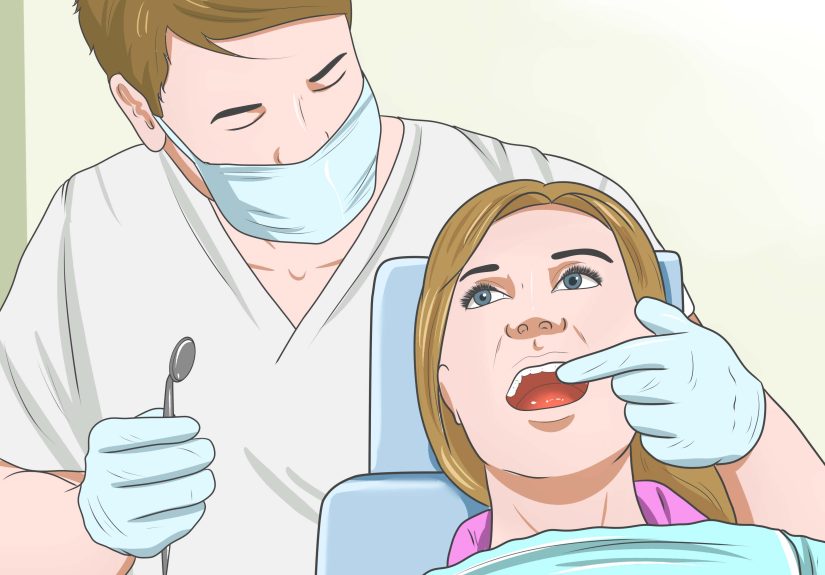
When You Should See a Dentist
Mild gum swelling caused by irritation may improve within a few days of careful cleaning and rinsing. But you should schedule a dental visit if swelling lasts more than a week, keeps returning, bleeds easily, or is associated with bad breath that does not improve.
Seek urgent dental care if you notice severe pain, pus, fever, facial swelling, swelling around only one tooth, a loose tooth, pain when chewing, or trouble swallowing. These symptoms may point to infection or advanced gum disease.
Professional cleanings matter because tartar cannot be removed at home. Once plaque hardens into tartar, brushing harder will not fix it. A dentist or hygienist uses special tools to remove buildup from above and below the gumline. If gum disease is more advanced, treatment may include deep cleaning, scaling and root planing, medication, or referral to a periodontist.
Professional Treatments for Swollen Gums
Dental Cleaning
For gingivitis, a professional cleaning is often the first major step. It removes plaque and tartar that irritate gum tissue. After cleaning, your dentist or hygienist may show you better brushing and flossing techniques based on where plaque is collecting.
Scaling and Root Planing
If gum disease has moved below the gumline, your dentist may recommend scaling and root planing. Scaling removes plaque and tartar from deeper areas, while root planing smooths the tooth roots to help gums reattach more comfortably.
Medication or Prescription Rinses
Depending on the cause, a dentist may prescribe antimicrobial rinses, antibiotics, or other treatments. Do not use leftover antibiotics or someone else’s medication. Dental infections need the right diagnosis and the right treatment.
Adjusting Dental Appliances
If braces, dentures, or retainers are causing irritation, adjustment may solve the problem. A small rough edge can create a big amount of gum drama. Dentists are used to fixing these issues, so do not be embarrassed to ask.
How to Prevent Gum Swelling From Coming Back
Preventing swollen gums is mostly about controlling plaque, protecting gum tissue, and catching problems early. The goal is not perfection. The goal is consistency.
Create a Two-Minute Brushing Habit
Brush for two minutes twice a day. Divide your mouth into four sections and spend about 30 seconds on each. Brush the outer surfaces, inner surfaces, chewing surfaces, and along the gumline. Do not forget your tongue, which can hold bacteria and contribute to bad breath.
Make Flossing Easier
If flossing at night feels impossible because you are half asleep and negotiating with your pillow, do it earlier. Floss after lunch, after school, after work, or while watching TV. Dental plaque does not care when you floss; it cares that you do.
Keep Regular Dental Checkups
Many people benefit from dental cleanings every six months, but some need more frequent visits depending on gum health, medical conditions, smoking status, orthodontic treatment, or history of periodontal disease. Ask your dentist what schedule fits your risk level.
Eat for Gum Health
A balanced diet supports healthy gums. Focus on vegetables, fruits, lean protein, dairy or calcium-rich alternatives, whole grains, nuts, and plenty of water. Vitamin C, calcium, and other nutrients play roles in oral tissue health. Severe deficiencies can affect gum tissue, but most people should aim first for a varied diet rather than random supplement experiments.
Protect Your Gums During Orthodontic Treatment
Braces can make cleaning more complicated. Use orthodontic flossers, interdental brushes, or a water flosser to clean around brackets and wires. If your gums swell while wearing braces, it often means plaque is collecting in hard-to-reach places.
Common Mistakes That Make Gum Swelling Worse
Ignoring Bleeding Gums
Bleeding gums are common, but common does not mean harmless. If your gums bleed often when brushing or flossing, they may be inflamed. Keep cleaning gently and schedule a dental checkup if bleeding continues.
Brushing Harder Instead of Smarter
Hard brushing can damage gum tissue. Plaque is soft, so gentle technique works better than force. If you feel like you are polishing a car bumper, ease up.
Using Harsh DIY Remedies
Avoid putting aspirin directly on gums, using undiluted essential oils, rinsing with harsh chemicals, or scraping swollen tissue. These can burn or irritate the mouth. Natural does not always mean safe, especially inside your mouth.
Skipping the Dentist Because Pain Went Away
Pain can come and go even when the underlying issue remains. If swelling returns, appears around one tooth, or comes with pus or a bad taste, get it checked.
Experience-Based Tips: What Actually Helps Day to Day
When people try to reduce gum swelling, the biggest challenge is usually not knowing what to doit is doing it consistently without turning oral care into a full-time job. In real life, the routine that works is the one that is simple enough to repeat even when you are tired, busy, or tempted to pretend your gums are “probably fine.”
One practical experience is to keep floss or interdental brushes where you will see them. Many people store floss in the bathroom cabinet, which is also where good intentions go to nap. Try keeping floss picks in a desk drawer, backpack, car console, or next to your TV remote. When the tool is visible, the habit becomes easier. This is especially helpful for people who notice swelling between specific teeth where food tends to get trapped.
Another useful habit is switching to a soft-bristled toothbrush before your gums get angry. Many people assume medium or firm bristles clean better, but gum tissue often disagrees. A soft brush, used patiently, can clean the gumline without irritating it. If you use an electric toothbrush, let the brush do the work. Pressing harder usually does not improve cleaning; it just annoys your gums and wears out the brush head faster.
Timing also matters. If your gums are already swollen, flossing aggressively right before bed may leave your mouth feeling sore. A better approach is to floss gently earlier in the evening, rinse with warm salt water, and then brush softly before sleep. This gives your mouth time to calm down and helps you avoid turning bedtime into a dental wrestling match.
Food choices can make a noticeable difference for a few days. When gums feel puffy, crunchy snacks like chips, crusty bread, and hard granola can poke tender tissue. Acidic drinks, including soda and citrus-heavy beverages, may sting. Softer foods are easier to tolerate while you work on cleaning and reducing irritation. This does not mean living on mashed potatoes forever, but a short “gum-friendly menu” can make healing more comfortable.
People with braces or retainers often discover that gum swelling is less about the appliance itself and more about plaque hiding around it. A water flosser can be helpful, but it should not become an excuse to stop brushing carefully. Interdental brushes are also great for cleaning around brackets, under wires, and near the gumline. The first few times may feel slow, but it becomes faster with practice.
One underrated tip is to look at your gums in the mirror once a week. Healthy gums usually look firm and fit snugly around the teeth. Swollen gums may look puffy, shiny, red, or rounded at the edges. Spotting changes early helps you act before the problem becomes painful. It is like checking the weather before leaving the houseslightly annoying, but much better than being surprised by a storm.
Finally, do not measure success only by whether swelling disappears overnight. Gum tissue often needs several days of gentle, consistent care to improve. If things are getting betterless bleeding, less tenderness, less puffinessyou are probably moving in the right direction. If nothing improves after a week, or symptoms worsen, that is your sign to bring in a professional. Dentists have seen every gum situation imaginable, so there is no need to feel embarrassed. Your gums are not being dramatic; they are asking for backup.
Conclusion
Learning how to reduce gum swelling starts with understanding the cause. For many people, swollen gums come from plaque buildup, early gingivitis, trapped food, or irritation from brushing technique or dental appliances. Gentle brushing, daily flossing, warm salt water rinses, hydration, and avoiding irritating foods can help mild swelling improve. However, persistent swelling, severe pain, pus, fever, loose teeth, or swelling around one tooth should be checked by a dentist quickly.
The best long-term strategy is simple: keep plaque under control, schedule regular dental visits, and treat gum changes early. Your gums do not need a luxury spa retreat. They need consistent care, a soft toothbrush, a little flossing discipline, and professional help when symptoms point to something more serious.