Table of Contents >> Show >> Hide
- The Short Answer: Probably Not
- What Heartburn Actually Is
- Why People Think Pickle Juice Helps
- Why Pickle Juice May Backfire
- Could It Ever Seem to Help?
- Better Ways to Relieve Heartburn
- When Heartburn Deserves a Doctor, Not a Dare
- So, Is Pickle Juice Ever Worth Trying?
- Common Experiences People Report With Pickle Juice and Heartburn
- The Bottom Line
- Conclusion
Note: This article is for informational purposes only and is not a substitute for medical advice, diagnosis, or treatment.
Heartburn has a special talent for showing up at the worst possible moment. It appears after pizza night, during a road trip, or right when you finally lie down and whisper, “Ah, peace.” Then the burning starts, and suddenly your chest feels like it lost a fight with a tiny dragon.
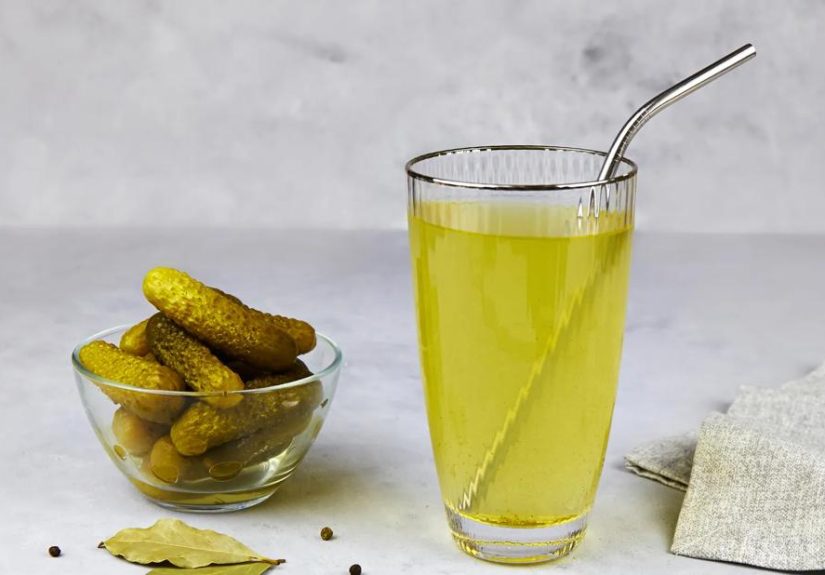
That miserable feeling is why home remedies spread so quickly. One of the stranger favorites is pickle juice. Some people swear a quick sip settles the fire. Others say it only adds fuel to the flames. So, what’s the truth? Does pickle juice actually help with heartburn, or is this another internet folk remedy that sounds bold, weird, and suspiciously refrigerator-adjacent?
Let’s unpack what heartburn really is, why pickle juice became part of the conversation, what the science suggests, and what tends to work better if your goal is actual relief instead of a dramatic facial expression.
The Short Answer: Probably Not
If you came for a quick verdict, here it is: pickle juice is not a proven treatment for heartburn. In fact, for many people, it may make symptoms worse.
That’s because heartburn usually happens when stomach contents, including acid, move back up into the esophagus. Pickle juice is often acidic, usually contains vinegar, and can be quite high in sodium. That combination is not exactly what most reflux-prone digestive systems would order for self-care.
Could some people feel temporary relief after drinking it? Sure. Bodies are quirky. Symptoms can rise and fall quickly, and what helps one person in the moment may not actually fix the underlying problem. But as a reliable, evidence-based heartburn remedy, pickle juice does not have a strong case.
What Heartburn Actually Is
Heartburn is a burning feeling in the chest or throat that happens when stomach acid backs up into the esophagus. It’s commonly linked to acid reflux, and when reflux becomes frequent or persistent, it may be diagnosed as GERD, which stands for gastroesophageal reflux disease.
In plain English: the door between your stomach and esophagus is supposed to stay shut when it matters. When that valve relaxes or weakens at the wrong time, acid can travel upward. Your esophagus is not built for that kind of chemical chaos, so it protests with burning, pressure, a sour taste, regurgitation, cough, hoarseness, or that lovely “something is stuck in my throat” sensation.
Occasional heartburn is common. Frequent heartburn is a different story. If you have symptoms more than twice a week, it may be a sign that you’re dealing with GERD rather than a random food regret.
Why People Think Pickle Juice Helps
Pickle juice didn’t become a heartburn rumor by accident. Like many home remedies, it sounds plausible enough to survive group chats, family advice, and comment sections packed with confidence.
1. The vinegar theory
Some people believe heartburn happens because the stomach does not have enough acid, so they reach for vinegar-based remedies, including pickle juice, hoping to “balance” digestion. The problem is that this idea doesn’t line up well with how reflux usually works. Heartburn is generally about acid moving to the wrong place, not a shortage of acid that needs backup singers.
2. The fermented-food halo
Another reason pickle juice gets credit is its association with fermentation and probiotics. Naturally fermented pickles can contain beneficial bacteria, and gut health absolutely matters. But that does not mean pickle juice is a treatment for heartburn. Also, many store-bought pickles are pasteurized or vinegar-based rather than naturally fermented, so the probiotic story often gets overstated.
3. The “strong taste equals strong effect” effect
Let’s be honest: pickle juice is memorable. It’s salty, sour, sharp, and impossible to sip without noticing. Some people may interpret that intense sensation as relief because it briefly distracts from the burning or changes the taste in the mouth. But masking a symptom and treating it are not the same thing. A marching band could also distract you from heartburn, but that doesn’t make it digestive medicine.
Why Pickle Juice May Backfire
It’s usually acidic
Most pickle juice contains vinegar, and vinegar is acidic. If your esophagus is already irritated, pouring more acidity into the situation may not calm things down. For some people, it can intensify the burn, increase irritation, or leave that sour, reflux-y feeling hanging around longer than an unwanted houseguest.
It can be very salty
Pickle juice can also deliver a hefty sodium load. A small amount may not matter much for everyone, but larger amounts can be a poor choice for people who need to watch their salt intake, especially those with high blood pressure or certain heart and kidney concerns. If you are chasing relief and end up with a briny sodium bomb, that is not exactly a wellness plot twist.
It is not an antacid
Antacids work by neutralizing stomach acid. Pickle juice does not do that. It is not a substitute for evidence-based heartburn treatments, and it does not have the same mechanism as common OTC options such as calcium carbonate or other antacid formulas.
Could It Ever Seem to Help?
Yes, but “seem to help” is doing a lot of heavy lifting here.
Heartburn symptoms can vary minute by minute. A person may sip pickle juice, sit upright, stop eating, and start feeling better soon after. It’s easy to credit the juice when the symptom may have eased on its own or because of the change in posture and time. In other cases, someone may have had mild indigestion, not true reflux, and misread the result.
That’s the problem with home-remedy folklore: a single experience can feel convincing, but it doesn’t establish cause and effect. If a remedy has no solid evidence behind it and carries a decent chance of making symptoms worse, it’s probably not the hero of this story.
Better Ways to Relieve Heartburn
The good news is that heartburn relief does not require mystery. There are several approaches with much better support behind them.
Eat smaller meals
Big meals stretch the stomach and increase the chance that contents will push upward. If your dinner plate regularly looks like a holiday buffet, scaling back portion size may help more than any pickle brine experiment.
Avoid lying down after eating
Gravity is one of your cheapest and most loyal allies. Try to wait at least two to three hours after a meal before lying down. Midnight snacking plus immediate horizontal living is a classic reflux setup.
Figure out your trigger foods
Triggers vary from person to person, but common troublemakers include:
- fatty or fried foods
- spicy foods
- tomato-based foods
- citrus
- vinegar-heavy foods
- chocolate
- peppermint
- coffee and other caffeinated drinks
- alcohol
- carbonated beverages
If pickle juice bothers you, that would not be surprising. It checks multiple reflux-trigger boxes at once: acidic, vinegary, and intensely flavorful.
Adjust your sleep setup
If heartburn loves to clock in at night, try elevating the head of your bed or using a wedge pillow. Sleeping on your left side may also help some people. This is one of those rare moments when sleeping can technically count as strategy.
Maintain a healthy weight if needed
Extra abdominal pressure can worsen reflux. For people who are overweight or have obesity, even modest weight loss may reduce symptoms. No, this is not the glamorous answer. But digestive systems are suckers for boring consistency.
Use OTC medicine appropriately
Depending on how often symptoms happen, over-the-counter options may help:
- Antacids can provide quicker, short-term relief by neutralizing acid.
- H2 blockers reduce acid production and may help prevent symptoms.
- PPIs are often used for frequent heartburn, though they are not meant for instant relief.
If you use OTC medicines often, follow label directions and talk with a healthcare professional, especially if you take other medications. More is not better, and “I read something online” is not a dosing plan.
When Heartburn Deserves a Doctor, Not a Dare
Occasional heartburn is common. Persistent or severe symptoms should not be brushed off as just “one of those things.” It’s worth seeing a clinician if:
- you have heartburn more than twice a week
- symptoms do not improve with lifestyle changes or OTC treatment
- you have trouble swallowing
- you have chest pain
- you have unexplained weight loss
- you have persistent vomiting
- you notice blood in vomit or black, tarry stools
- you develop chronic cough, hoarseness, or frequent regurgitation
Heartburn can overlap with other issues, and chest pain should never be casually self-diagnosed from the condiment shelf. If symptoms are severe, unusual, or paired with shortness of breath, sweating, or pain spreading to the arm or jaw, get urgent medical help.
So, Is Pickle Juice Ever Worth Trying?
If you are perfectly healthy, not on a sodium-restricted diet, and are curious enough to take one cautious sip during a mild episode, that’s your call. But it would be hard to recommend pickle juice as a smart first-line option for heartburn when more reliable strategies exist.
It is especially wise to skip it if:
- vinegar tends to trigger your reflux
- you have frequent or severe heartburn
- you have GERD
- you need to limit sodium
- you already feel throat irritation or esophageal pain
- you are using home remedies instead of getting persistent symptoms checked out
In other words, pickle juice is not forbidden fruit. It’s just not a particularly convincing digestive firefighter.
Common Experiences People Report With Pickle Juice and Heartburn
To make sense of the pickle juice debate, it helps to look at the kinds of experiences people commonly describe. These are not formal clinical trials, and they should not replace medical advice, but they do reflect the very human ways people interpret reflux symptoms.
One common story goes like this: someone eats a heavy meal, gets mild heartburn, takes a sip of pickle juice because a friend recommended it, and then feels a little better ten or fifteen minutes later. From their perspective, the remedy worked. But several things may have happened at once. They stopped eating, sat upright, swallowed repeatedly, and let time pass. Those factors alone can sometimes improve mild symptoms. In that scenario, pickle juice may get the applause even if it wasn’t the lead actor.
Another common experience is the exact opposite. A person already has burning in the chest or throat, drinks pickle juice, and immediately feels a sharper sting. That reaction makes sense. If the esophagus is already irritated, an acidic liquid can feel like adding lemon to a paper cut. It is not subtle, and people often remember that lesson very quickly.
Some people say pickle juice seems to help when their discomfort is more like bloating or indigestion than classic reflux. That can make the conversation confusing. “Heartburn” is often used casually to describe several kinds of upper-digestive misery. If a person is actually dealing with a sour stomach, belching, or post-meal heaviness rather than acid reflux, their experience may not translate well to someone with true GERD.
There are also people who love pickles, drink pickle juice regularly, and never notice a problem. That does not mean the juice prevents heartburn. It may simply mean it is not one of their personal triggers. Reflux is frustratingly individual. Coffee ruins one person’s evening while another person can drink it with no issue and sleep like a champion. The same logic applies to spicy food, chocolate, citrus, and yes, pickles.
Another pattern people report is delayed regret. They feel fine right after drinking pickle juice, then symptoms ramp up later. That can happen because reflux triggers do not always hit instantly. A food or drink may irritate the esophagus, encourage reflux later, or become a problem once the person lies down. This is one reason food-and-symptom journals can be surprisingly useful. Your digestive tract keeps receipts.
Finally, many people with chronic heartburn describe a turning point when they stop hunting for miracle cures and start paying attention to patterns: meal size, late-night snacking, alcohol, stress, sleep position, caffeine, weight changes, and OTC medication use. That shift often matters more than any single “hack.” It’s less exciting than the pickle jar theory, but it’s usually more effective.
If there’s one practical lesson in all these experiences, it’s this: temporary sensation is not the same as true relief. A remedy that feels dramatic is not automatically a remedy that works. For heartburn, consistency tends to beat kitchen daredevilry.
The Bottom Line
Does pickle juice help with heartburn? For most people, probably not. There is no strong scientific support for it as a heartburn remedy, and its acidic, vinegary nature may actually worsen reflux symptoms. Add in the sodium content, and it becomes even less appealing as a go-to fix.
If you get occasional heartburn, your best bet is to focus on triggers, meal timing, posture, and proven OTC treatments when needed. If heartburn keeps showing up like an unwanted sequel, get it checked out. Persistent reflux is not just annoying; over time, it can irritate and damage the esophagus.
Pickle juice may have a place in the world. It can flavor potato salad, fuel very passionate snack preferences, and make deli sandwiches feel complete. But as a heartburn treatment? It’s more rumor than remedy.
Conclusion
Pickle juice has earned a surprising reputation as a home fix for heartburn, but the evidence just isn’t there. Since heartburn typically comes from acid backing up into the esophagus, adding a sour, vinegar-heavy liquid may do more provoking than soothing. Some people may feel briefly better, but that doesn’t make pickle juice a dependable or medically supported solution.
For real relief, it’s smarter to focus on what actually tends to help: smaller meals, avoiding late-night eating, identifying trigger foods, improving sleep position, using OTC treatments correctly, and talking with a healthcare professional if symptoms are frequent. When your chest feels like it borrowed a dragon, evidence beats folklore every time.