Table of Contents >> Show >> Hide
- What Is Nerve Damage, Exactly?
- Symptoms of Nerve Damage You Shouldn’t Ignore
- Can Nerve Damage Heal?
- How to Repair Nerve Damage: Treatments That Actually Matter
- 1. Treat the underlying cause first
- 2. Use medications for neuropathic pain
- 3. Try physical therapy and occupational therapy
- 4. Use braces, splints, or supportive devices
- 5. Protect numb areas from injury
- 6. Consider electrical stimulation and other non-drug options
- 7. Surgery may help in selected cases
- How Doctors Diagnose Nerve Damage
- Best Lifestyle Habits for Nerve Recovery
- When to See a Doctor
- What Recovery and Daily Life Often Feel Like: Real-World Experiences
- Conclusion
- SEO Metadata
Your nervous system is basically your body’s Wi-Fi: when the signal is strong, everything runs smoothly; when it glitches, life gets weird fast. A damaged nerve can cause tingling, burning pain, numbness, weakness, balance problems, and sometimes symptoms that seem oddly unrelatedlike dizziness, digestive trouble, or changes in sweating. The big question, of course, is this: can nerve damage be repaired?
The honest answer is: sometimes, yesbut it depends on the cause, the location, and how quickly treatment begins. Some nerve injuries improve once pressure is relieved or an underlying illness is treated. Others heal slowly over months. And some may leave lasting symptoms that need long-term management rather than a magic-fix makeover. Not exactly the ending Hollywood would choose, but it is real, useful, and medically accurate.
In this guide, you’ll learn the most common nerve damage symptoms, what can actually help repair nerve damage, how doctors diagnose it, which treatments work best for different situations, and what everyday recovery often feels like in real life.
What Is Nerve Damage, Exactly?
Nerve damage happens when nerves can no longer send messages properly between the brain, spinal cord, muscles, skin, and internal organs. That disruption may be caused by trauma, compression, diabetes, vitamin deficiencies, infections, autoimmune disease, toxic exposure, certain medications, tumors, or inherited conditions.
Most people searching for “how to repair nerve damage” are dealing with peripheral nerve damage, which affects nerves outside the brain and spinal cord. This includes common problems like diabetic neuropathy, pinched nerves, carpal tunnel syndrome, traumatic nerve injury, and small fiber neuropathy.
One reason nerve damage feels so unpredictable is that not all nerves do the same job. Doctors usually group them into three main categories:
Sensory nerve damage
These nerves help you feel touch, pain, temperature, and vibration. When they are injured, symptoms may include numbness, pins and needles, burning, electric-shock sensations, or reduced ability to feel heat, cold, or pain.
Motor nerve damage
These nerves control movement. Damage here can cause weakness, muscle cramping, twitching, loss of coordination, foot drop, difficulty gripping objects, or visible muscle wasting over time.
Autonomic nerve damage
These nerves help run the body’s autopilot systems, such as blood pressure, digestion, bladder function, sexual function, sweating, and heart rate. Damage may lead to dizziness on standing, nausea, bowel changes, urinary issues, abnormal sweating, or heat intolerance.
Symptoms of Nerve Damage You Shouldn’t Ignore
The symptoms of nerve damage can start subtly. At first, it may feel like your foot “fell asleep” for no good reason. Then it keeps happening. Then it starts burning at night. Then your sock feels like sandpaper. Nerves, apparently, are very committed to drama.
Common symptoms include:
- Tingling or pins-and-needles sensations
- Numbness in the hands, feet, arms, or legs
- Burning pain or stabbing pain
- Electric-shock sensations
- Increased sensitivity to touch
- Muscle weakness or heaviness
- Poor coordination or balance problems
- Frequent tripping or trouble walking
- Muscle cramps or twitching
- Loss of reflexes
- Dizziness when standing
- Changes in digestion, urination, sweating, or sexual function
If symptoms are sudden, rapidly worsening, or accompanied by trouble breathing, swallowing, severe weakness, bowel or bladder changes, or a spreading numbness pattern, seek urgent medical care. That is not the time for wishful thinking, internet spirals, or trying to “walk it off.”
Can Nerve Damage Heal?
This is the heart of the matter. In some cases, nerves can recoverespecially if the cause is treated early. If a nerve is compressed, reducing pressure may allow it to function better. If diabetes is damaging the nerves, better blood sugar control may slow progression and sometimes reduce symptoms. If a vitamin deficiency or medication problem is the culprit, correcting it can prevent further injury and improve nerve function.
But let’s keep it real: not all nerve damage is reversible. Chronic or severe nerve injury may leave residual numbness, weakness, or neuropathic pain. Even when recovery happens, nerves heal slowly. Improvement may take months, and full recovery can take much longer in more serious injuries.
That is why the goal of treatment is often twofold:
- Repair what is repairable by treating the cause and protecting the nerve.
- Manage what remains with pain control, rehabilitation, and adaptive strategies.
How to Repair Nerve Damage: Treatments That Actually Matter
1. Treat the underlying cause first
This is the least glamorous step and the most important one. You cannot out-stretch, out-supplement, or out-positive-think ongoing nerve injury.
Depending on the cause, treatment may include:
- Tighter blood sugar control for diabetic neuropathy
- Stopping or changing a medication linked to neuropathy
- Treating vitamin B12 deficiency or other nutritional problems
- Managing thyroid disease, kidney disease, autoimmune illness, or infection
- Reducing alcohol use or toxin exposure
- Addressing repetitive strain or nerve compression
When the root cause keeps attacking the nerve, symptom relief alone is like mopping the floor while the sink is still overflowing.
2. Use medications for neuropathic pain
Nerve pain is different from the pain of a sprained ankle or sore muscle. It often burns, zaps, stings, or flares for no obvious reason. Because of that, doctors often use treatments specifically aimed at neuropathic pain.
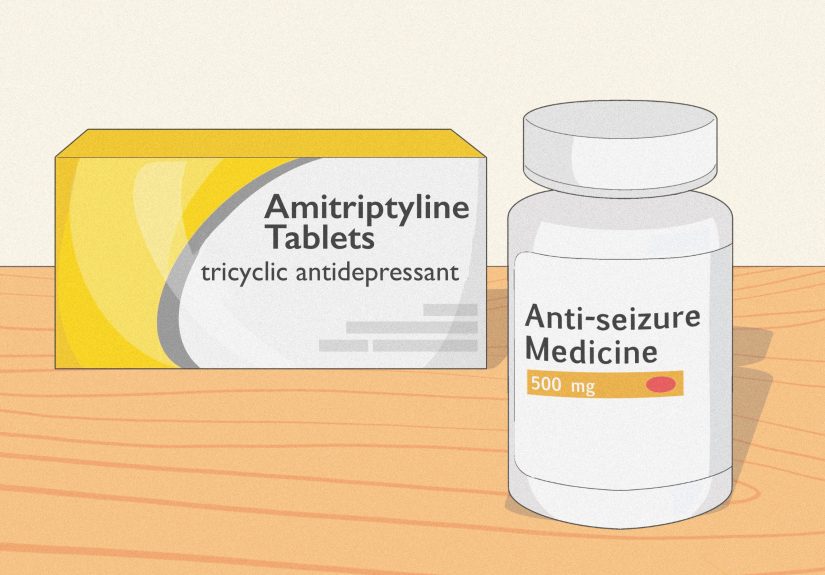
Depending on the case, options may include certain prescription medications originally developed for seizures or depression, topical patches or creams, and sometimes standard pain relievers for milder pain. The goal is usually not to erase every sensation, but to bring pain down enough that sleep, movement, and daily life become manageable again.
3. Try physical therapy and occupational therapy
This is where recovery gets practical. Physical therapy can help preserve range of motion, improve balance, strengthen weak muscles, and reduce the risk of falls. Occupational therapy helps people adapt daily tasks like dressing, writing, typing, cooking, or returning to work.
If your nerve damage causes weakness, clumsiness, or gait changes, therapy is not optional fluff. It is one of the clearest ways to protect long-term function.
4. Use braces, splints, or supportive devices
Supportive devices can reduce pressure on an irritated nerve, stabilize a weak joint, or help prevent injury when sensation is reduced. A wrist splint for compression, an ankle-foot orthosis for foot drop, or even better footwear can make a bigger difference than people expect.
No, braces are not exciting. Neither are fractures from falling because your foot forgot its job description.
5. Protect numb areas from injury
If you cannot feel heat, pressure, or small cuts normally, daily life gets riskier. This is especially important in diabetes-related nerve damage. People with reduced sensation in their feet should inspect them daily, wear properly fitting shoes, avoid walking barefoot, and treat blisters or sores promptly.
When a numb foot is injured, the problem is not only the wound itselfit is the delay in noticing it.
6. Consider electrical stimulation and other non-drug options
Some patients benefit from non-drug approaches such as transcutaneous electrical nerve stimulation (TENS), relaxation strategies, pain psychology, or multidisciplinary pain rehabilitation. These options do not “cure” nerve damage, but they may help reduce pain intensity or improve coping and function.
For chronic neuropathic pain, the best plan is often a combo platter rather than a single silver bullet.
7. Surgery may help in selected cases
Surgery can be useful when a nerve is cut, trapped, severely compressed, or unlikely to recover on its own. Procedures may include decompression, nerve repair, nerve grafting, nerve transfer, or tendon transfer. In chronic pain cases, some patients may also be evaluated for peripheral nerve stimulation or other neuromodulation approaches.
Surgery is not the default answer for every tingling toe. But when there is structural damage, prolonged compression, or major weakness, a specialist may recommend it to restore function or prevent permanent loss.
How Doctors Diagnose Nerve Damage
Diagnosis starts with a good history and physical exam. Your clinician will want to know where symptoms started, whether they are symmetrical, what makes them worse, whether weakness is involved, and whether you have risk factors like diabetes, alcohol use, autoimmune disease, chemotherapy, or recent injury.
Common tests may include:
- Blood tests to check for diabetes, vitamin deficiencies, thyroid problems, kidney disease, inflammation, and more
- Nerve conduction studies to measure how well signals travel through the nerve
- Electromyography (EMG) to evaluate how nerves and muscles are working together
- Skin biopsy in selected cases, especially when small fiber neuropathy is suspected
- Imaging such as MRI or targeted nerve imaging if compression or structural damage is suspected
The test plan depends on the pattern. A person with sudden arm weakness after trauma gets a different workup than someone with years of burning feet and diabetes.
Best Lifestyle Habits for Nerve Recovery
Let’s talk about the unglamorous heroes of healing. None of these make flashy promises, but together they matter:
- Keep blood sugar in target range if you have diabetes
- Correct nutrient deficiencies with clinician-guided treatment
- Limit alcohol if it contributes to neuropathy
- Stay active with safe, regular movement
- Prioritize sleep, because pain and fatigue make each other worse
- Wear protective footwear and check your feet daily if sensation is reduced
- Avoid repetitive pressure on vulnerable nerves
- Follow through with therapy and follow-up testing
Recovery is rarely dramatic. It is more often a slow accumulation of small wins: less burning at night, steadier steps on the stairs, slightly better grip strength, fewer “why is my sock attacking me?” moments.
When to See a Doctor
Make an appointment if you have persistent numbness, tingling, burning pain, unexplained weakness, balance problems, or autonomic symptoms like dizziness or bladder changes. Get urgent care sooner if symptoms come on rapidly, spread quickly, follow an injury, or affect breathing, swallowing, walking, or bowel and bladder control.
The earlier nerve damage is identified, the better the odds of preserving function and limiting long-term complications.
What Recovery and Daily Life Often Feel Like: Real-World Experiences
People living with nerve damage often describe the experience in ways that sound contradictorybecause nerve symptoms are contradictory. A foot can be numb and painful at the same time. A hand can feel weak one minute and hypersensitive the next. Someone may look “fine” while quietly negotiating burning toes, poor balance, sleep disruption, and the constant calculation of where to step, how long to stand, or whether a shoe seam is about to ruin the day.
Many people first notice symptoms at night. They lie down, the room gets quiet, and suddenly their nerves decide it is open-mic hour: buzzing, burning, stabbing, crawling, zapping. Sleep becomes harder, and once sleep is poor, pain feels louder the next day. That creates a looppain disrupts sleep, bad sleep worsens pain, and exhaustion makes everything feel heavier.
There is also the emotional side. Recovery can be slow enough to mess with your patience and your identity. Someone who used to run, type all day, cook without thinking, or walk confidently through a crowded store may now have to plan around fatigue, weakness, or loss of sensation. Progress can feel maddeningly non-linear. One week you feel stronger; the next week your foot feels like it belongs to a grumpy robot.
For people with diabetic neuropathy or chronic peripheral neuropathy, daily routines often become part of treatment. Checking the feet, choosing better shoes, pacing activity, doing therapy exercises, taking medication on schedule, and avoiding injuries may not feel dramatic, but these habits often make the difference between stable function and worsening problems. Small rituals become a form of control.
People recovering from traumatic nerve injuries often describe a different kind of journey: long waiting periods, repeat exams, physical therapy, and careful tracking of tiny milestones. A flicker of muscle movement. Slightly improved grip. A patch of skin that starts to sense temperature again. These changes may sound minor to outsiders, but to the person recovering, they can feel enormousproof that the line is not dead, just very, very slow.
Support matters more than people expect. The best outcomes often come when patients have a clear diagnosis, realistic expectations, good follow-up, and a plan that treats both function and pain. Nerve damage is not just a nerve problem. It can affect confidence, sleep, work, exercise, relationships, and mental health. That is why the most effective care usually looks comprehensive rather than one-dimensional.
If there is one encouraging truth here, it is this: recovery does not have to mean perfection to be meaningful. Many people improve with the right diagnosis, targeted treatment, rehabilitation, and protection strategies. Others still have symptoms but regain independence, better sleep, safer mobility, and a much better quality of life. That may not sound flashy, but in the real world, it is huge.
Conclusion
If you are wondering how to repair nerve damage, start with the most important fact: the best treatment depends on the cause. Nerve damage may improve when the underlying problem is treated, pressure is relieved, or injured nerves are repaired and rehabilitated. Symptoms like numbness, tingling, burning pain, weakness, and balance problems should not be brushed offespecially if they are worsening or affecting daily function.
The good news is that there are real tools that help: medical evaluation, nerve testing, pain treatment, blood sugar control, physical therapy, protective devices, foot care, and surgery in selected cases. The less-fun news is that nerves heal slowly, and recovery often rewards consistency more than heroics.
So no, there is usually no miracle shortcut. But there absolutely can be a planand that plan can make a life-changing difference.