Table of Contents >> Show >> Hide
- Why Roast Red Peppers?
- How to Choose the Best Red Peppers for Roasting
- Should You Wash Red Peppers Before Roasting?
- The Best Ways to Roast Red Peppers
- How to Peel Roasted Red Peppers the Easy Way
- How to Cut and Seed Roasted Red Peppers
- Common Mistakes When Roasting Red Peppers
- How to Store Roasted Red Peppers
- How to Use Roasted Red Peppers
- Do You Need Oil to Roast Red Peppers?
- How Long Does It Take to Roast Red Peppers?
- Kitchen Experience: What Home Cooks Learn After Roasting Red Peppers a Few Times
- Final Thoughts on How to Roast Red Peppers
Roasting red peppers is one of those kitchen tricks that makes you feel wildly more impressive than the effort actually required. You take a shiny, sweet bell pepper, apply dramatic heat, let it get all blistered and moody, peel off the charred skin, and suddenly you have something that tastes expensive. Roasted red peppers are smoky, silky, a little sweet, and suspiciously good on almost everything. Sandwiches? Better. Pasta? Better. Salads, soups, dips, eggs, grain bowls, pizza, antipasto platters? Also better. Red peppers are basically overachievers in vegetable form.
If you have ever bought a jar of roasted red peppers and thought, “These are great, but why do they cost like they have a graduate degree?” this guide is for you. Learning how to roast red peppers at home is easy, budget-friendly, and much more flexible than relying on store-bought jars. You can roast a few for dinner tonight or a whole batch for meal prep. You can use the oven, broiler, stovetop, or grill. And once you know what to look for, the whole process becomes second nature.
In this guide, you’ll learn the best ways to roast red peppers, how to peel them without losing your patience, how to store them, and how to use them in everyday cooking. There will also be a few practical lessons from real-life roasting sessions, because sometimes the best kitchen wisdom comes from a pepper that got a little too enthusiastic under the broiler.
Why Roast Red Peppers?
Before we get into the how, let’s talk about the why. Red bell peppers are naturally sweeter than green peppers, and roasting pushes that sweetness even further. High heat softens the flesh, chars the skin, and creates that subtle smoky flavor people chase in restaurant dishes and dinner-party appetizers.
Roasting also changes the texture. Raw red peppers are crisp and juicy. Roasted red peppers become tender, silky, and easy to blend, fold, layer, or pile onto just about anything edible. They work beautifully in red pepper dip, roasted red pepper pasta sauce, sandwiches, wraps, omelets, grain bowls, and marinated antipasto spreads.
In other words, roasting is not just a cooking method. It is a glow-up.
How to Choose the Best Red Peppers for Roasting
If you want the best roasted red peppers, start with firm, glossy peppers that feel heavy for their size. Wrinkled or soft peppers can still be cooked, but they won’t roast as evenly and may not give you that plump, juicy finish you want.
Look for:
- Bright red color
- Smooth, taut skin
- Firm flesh with no mushy spots
- Peppers that feel weighty and fresh
Large bell peppers are the easiest to roast because they have thick walls and enough surface area to char nicely. They are also easier to peel, seed, and slice afterward. If you are choosing between several peppers, go for the ones with relatively flat sides. They tend to sit more neatly on a sheet pan and roast more evenly.
Should You Wash Red Peppers Before Roasting?
Yes. Give them a quick rinse under cool running water and dry them well before roasting. This removes dirt and helps the peppers char rather than steam. Do not use soap, detergent, or any mystery potion from the back of the pantry. Water is enough. A dry pepper also behaves better under high heat, which is just a polite way of saying it is less likely to splatter and hiss like a tiny kitchen dragon.
The Best Ways to Roast Red Peppers
There is more than one way to roast red peppers, which is excellent news for people with different kitchens, different equipment, and different tolerance levels for smoke alarms. The three most common methods are the oven, the broiler, and direct flame. Each one works. The best option depends on how many peppers you are making and how dramatic you want the process to feel.
1. How to Roast Red Peppers in the Oven
This is the best method when you want to roast several peppers at once. It is easy, mostly hands-off, and ideal for meal prep.
How to do it:
- Preheat the oven to 450 to 500 degrees Fahrenheit.
- Place whole red peppers on a foil-lined or parchment-lined baking sheet.
- Roast for 25 to 40 minutes, turning every 10 minutes or so.
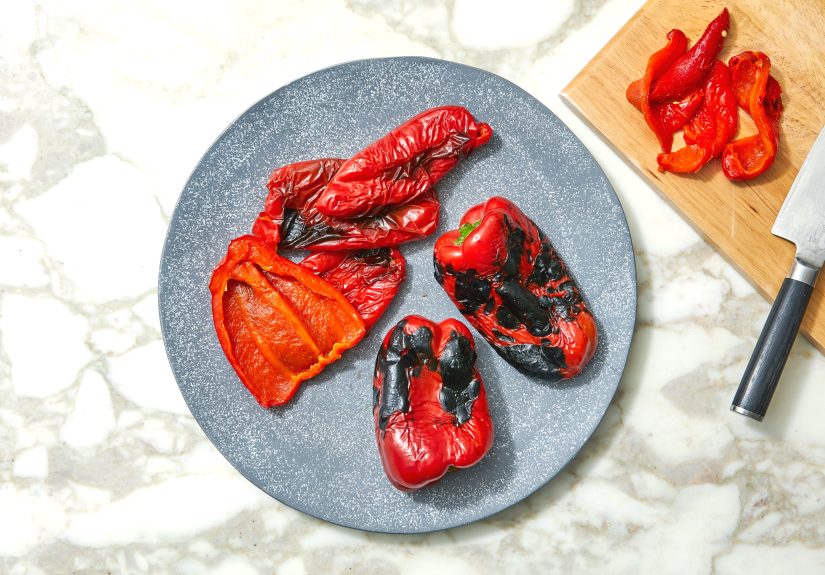
- Keep roasting until the skins are wrinkled, blistered, and blackened in patches on all sides.
- Transfer the hot peppers to a bowl and cover tightly, or cover the pan with foil.
- Let them steam for 10 to 30 minutes.
- Peel, remove the seeds and stems, and slice or tear into strips.
This method gives you tender peppers with deep roasted flavor. It is dependable and forgiving, which is what many of us want after a long day and before washing sheet pans.
2. How to Roast Red Peppers Under the Broiler
The broiler is the speedier, slightly more intense cousin of oven roasting. It works especially well when the peppers are halved and placed cut-side down, though you can also broil them whole and rotate as needed.
How to do it:
- Set the oven rack a few inches below the broiler.
- Line a baking sheet with foil.
- Place whole peppers on the sheet, or halve and seed them first for faster roasting.
- Broil until the skins blacken and blister, turning as needed.
- Remove immediately and cover to steam.
- Once cool enough to handle, peel and remove seeds.
This method is excellent when you want faster charring and do not mind keeping a close eye on things. The broiler has exactly two moods: helpful and chaotic. Do not wander off to check one email. That is how peppers go from beautifully blistered to carbon-based life-form.
3. How to Roast Red Peppers on a Gas Stove or Grill
If you want maximum smoky flavor, direct flame is a fantastic option. This method is fast and gives the peppers a beautifully charred exterior.
How to do it on a gas burner:
- Place a whole red pepper directly over a medium gas flame.
- Turn it with tongs as each side blackens.
- Keep rotating until the entire pepper is charred and softened.
- Transfer to a bowl and cover to steam.
- Peel, seed, and slice.
How to do it on a grill:
- Preheat the grill to medium-high heat.
- Place the peppers directly on the grates.
- Turn occasionally until blistered and blackened all over.
- Cover and steam, then peel and seed.
This method works beautifully for outdoor cooking, summer meal prep, or any situation where you already have the grill going. It also makes you look like the sort of person who casually roasts peppers while everyone else is still figuring out the burger buns.
How to Peel Roasted Red Peppers the Easy Way
The steam step is not optional if you want easy peeling. Once the peppers are hot and blistered, trap that heat immediately. Put them in a bowl and cover tightly, place them in a container with a lid, or tent them with foil. As they steam, the skin loosens from the flesh and becomes much easier to remove.
After 10 to 30 minutes, the skins should slip off with your fingers. You can use a paper towel or the back of a knife for stubborn spots, but go gently. The goal is to remove the papery charred skin without scraping away all the soft pepper flesh underneath.
Avoid rinsing the peeled peppers under water unless you absolutely have to. Water washes away some of the flavorful juices, and those juices are liquid gold. Save them if you can. They are great in dressings, marinades, soups, and sauces.
How to Cut and Seed Roasted Red Peppers
Once peeled, cut the pepper open and remove the stem, seeds, and membranes. Then slice it into strips, chop it into pieces, or leave it in larger sections depending on how you plan to use it.
Here are a few useful formats:
- Strips: Best for sandwiches, pasta, and antipasto platters
- Diced: Great for salads, frittatas, and grain bowls
- Large pieces: Ideal for blending into soup, hummus, or roasted red pepper sauce
Common Mistakes When Roasting Red Peppers
Not charring the skin enough
If the skin is only lightly browned, it will cling to the pepper like it is paying rent. You want blistered, blackened spots all over.
Skipping the steaming step
This is the difference between “easy peel” and “why am I fighting a vegetable?” Cover the peppers while they are hot.
Walking away from the broiler
Broilers move fast. Stay nearby and rotate the peppers as needed.
Overcrowding the pan
If the peppers are packed too tightly, they may steam instead of roast. Give them room.
Rinsing away the flavor
Try to peel without water so you keep those sweet roasted juices intact.
How to Store Roasted Red Peppers
If you are using the peppers within a few days, store them in an airtight container in the refrigerator. Let them cool first. For the safest general approach, use cooked peppers within 3 to 4 days.
If you want to keep them longer, freeze them. Lay the pepper strips on a baking sheet so they freeze individually, then transfer them to a freezer bag or airtight container. This keeps them from freezing into one giant pepper brick, which is only useful if you are building a very specific kind of edible sculpture.
You can also store roasted red peppers in olive oil with garlic and herbs for short-term flavor magic, but refrigeration is still important. When in doubt, colder is smarter.
How to Use Roasted Red Peppers
Once you have a batch of homemade roasted red peppers, the real fun begins. They are wildly versatile and can rescue an ordinary meal from the land of bland.
- Blend into hummus or roasted red pepper dip
- Stir into pasta sauce for sweetness and depth
- Layer into sandwiches, wraps, and paninis
- Toss with olive oil, basil, and mozzarella
- Add to omelets, quiches, and frittatas
- Top pizza or flatbread
- Fold into grain bowls or couscous salads
- Serve alongside grilled chicken, steak, or fish
If your fridge contains roasted red peppers, odds are high that lunch gets more interesting.
Do You Need Oil to Roast Red Peppers?
Not always. Whole peppers can roast beautifully without oil, especially under a broiler or over direct flame. Some recipes use a light coating of oil when roasting cut peppers on a sheet pan, which can help with browning and prevent sticking. The important thing is not to drown them. A little oil is helpful. A pepper swimming in it is just taking an unnecessary spa day.
How Long Does It Take to Roast Red Peppers?
The answer depends on the method and the size of the peppers.
- Oven: About 25 to 40 minutes
- Broiler: Roughly 10 to 20 minutes, depending on distance from heat and whether they are whole or halved
- Gas flame: Around 15 minutes
- Grill: Usually 10 to 20 minutes
The visual cue matters more than the clock. You are looking for blistered, charred skin and soft flesh.
Kitchen Experience: What Home Cooks Learn After Roasting Red Peppers a Few Times
The first time many people roast red peppers, they expect a tidy little process. They imagine neatly blackened peppers, a calm peel, and a picture-perfect pile of glossy strips. Then reality arrives wearing oven mitts. One pepper rolls off the pan. Another leaks juice onto the foil. The broiler behaves like it is auditioning for a disaster movie. And yet, this is exactly how you learn.
One of the most common experiences is under-roasting. A pepper comes out looking slightly wrinkled and sort of roasted-ish, and you think, “That seems fine.” It is not fine. The skin clings like it signed a lease. After one frustrating peeling session, most cooks become much more comfortable letting the skin really blacken. That is the moment the process clicks. You stop being timid, and the peppers get better.
Another familiar lesson is that steam does most of the heavy lifting. The covered-bowl step can feel like a minor detail, but it is really the secret weapon. Home cooks who skip it usually regret it within minutes. Home cooks who do it once properly tend to become evangelical about it. Suddenly they are telling friends, siblings, neighbors, and probably the cashier at the grocery store, “No, really, you have to cover them right away.”
There is also the great peeling debate. Some people want every tiny bit of char removed so the peppers look smooth and polished. Others are happy leaving a few flecks behind for smoky flavor. In real kitchens, perfection usually loses to practicality. If one stubborn patch refuses to come off and the pepper still tastes amazing, that pepper has won. Let it live.
Batch roasting is another game changer. Once people realize the mess is about the same whether they roast two peppers or eight, they start making extras. That is when roasted red peppers become part of real-life cooking instead of a one-time project. A few strips go into scrambled eggs the next morning. Some end up on sandwiches at lunch. The rest disappear into pasta, soup, or a quick appetizer with olive oil and flaky salt. It is one of those meal-prep habits that actually earns its keep.
Many home cooks also discover that the method changes the mood of the pepper. Oven-roasted peppers feel reliable and mellow. Flame-roasted peppers taste smokier and more dramatic. Broiled peppers are quick and efficient, but they demand attention. Over time, people usually settle on a favorite based less on culinary philosophy and more on what fits their actual Tuesday night energy.
And perhaps the funniest experience of all is how quickly roasted red peppers disappear. You make a tray thinking it will last all week, then “sample” a few while peeling, add some to dinner, snack on a couple more while putting leftovers away, and somehow there are three heroic strips left by morning. This is normal. Roasted red peppers are delicious, and self-control is not always invited to the party.
The good news is that every batch teaches you something. Maybe you learn your oven runs hot. Maybe you discover that you prefer peppers roasted whole instead of halved. Maybe you find out that peeling them with your fingers is faster than using a knife. However it goes, the skill builds quickly. After a few rounds, roasting red peppers stops feeling like a recipe and starts feeling like kitchen instinct.
Final Thoughts on How to Roast Red Peppers
If you want an easy technique that adds serious flavor to everyday meals, roasting red peppers is worth learning. It is simple, flexible, and much less intimidating than it sounds. All you really need is heat, patience, and the willingness to let a pepper get gloriously blackened before trusting the process.
Use the oven when you want a big batch. Use the broiler when you want speed. Use direct flame when you want bold smoky character. Then steam, peel, seed, and enjoy the kind of ingredient that makes simple food taste smarter. Once you know how to roast red peppers at home, the jarred version starts feeling like a backup singer instead of the headliner.