Table of Contents >> Show >> Hide
- What Is a Chemo Port and Why Can It Affect Sleep?
- Best Sleeping Positions with a Chemo Port
- Smart Pillow Setups for Better Sleep
- What to Wear to Bed with a Chemo Port
- Precautions After Chemo Port Placement
- Warning Signs: When to Call Your Cancer Care Team
- How to Sleep When the Port Is Accessed
- Comfort Tips for Better Sleep During Chemotherapy
- Common Questions About Sleeping with a Chemo Port
- Real-Life Experiences and Practical Lessons from Sleeping with a Chemo Port
- Conclusion
- SEO Tags
Sleeping should be one of the simplest parts of the day. You put on comfortable pajamas, fluff the pillow, negotiate with your blanket like it has a legal team, and drift off. But when you have a chemo port, bedtime can suddenly feel like a small engineering project. Where should you sleep? Can you roll over? What if the port hurts? What if you accidentally press on it?
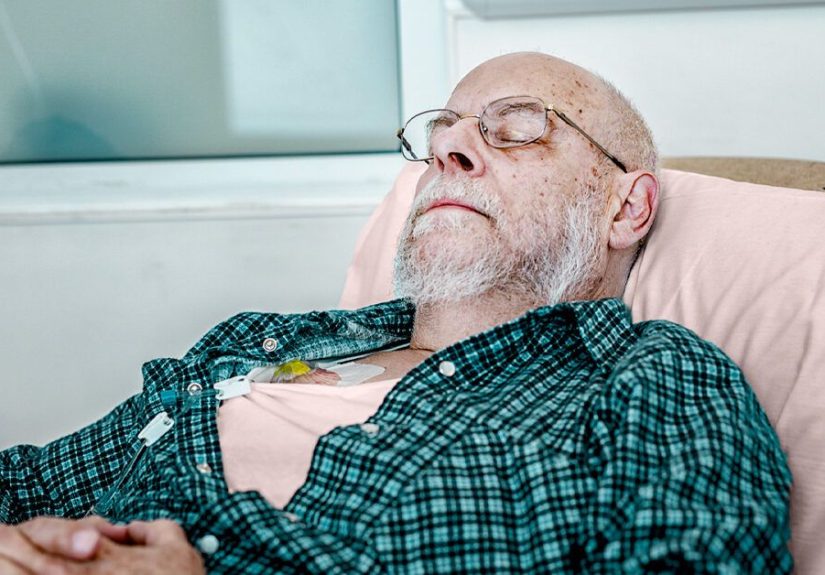
A chemo port, also called an implanted port, port-a-cath, or mediport, is a small device placed under the skin, usually in the upper chest. It connects to a catheter that leads into a large vein, allowing chemotherapy, fluids, blood products, and blood draws without repeated needle sticks. That is the good news. The less-good news is that, especially soon after placement, the port area may feel tender, bruised, swollen, or simply “there.”
This guide explains how to sleep with a chemo port more comfortably, what positions are usually best, which precautions matter most, and when to call your cancer care team. It is not a replacement for medical advice, because your oncology team knows your port placement, treatment plan, incision status, and any special restrictions. Think of this as the friendly bedtime companion your discharge paperwork forgot to become.
What Is a Chemo Port and Why Can It Affect Sleep?
A chemo port is a small round or oval device placed under the skin. Most ports are positioned in the upper chest, although some may be placed in the arm or other locations depending on the patient’s needs. The port has a soft center that can be accessed with a special needle during treatment. When not accessed, it sits completely under the skin.
After placement, the area may feel sore for several days. You may notice mild bruising, swelling, pulling, tightness, or sensitivity near the incision. This can make certain sleep positions uncomfortable. Even after healing, the port creates a small raised bump, and direct pressure from your body, a mattress, a bra strap, a seat belt, or a curious cat with suspiciously accurate paws may irritate the area.
Is It Dangerous to Sleep with a Chemo Port?
In most cases, sleeping with a chemo port is safe. The port is designed to stay in place under the skin during daily activities. However, comfort and safety depend on avoiding unnecessary pressure, friction, or pulling, especially during the first few weeks after placement or when the port is accessed with a needle and covered by a dressing.
The biggest goals at night are simple: protect the incision while it heals, avoid lying directly on the port, keep any dressing clean and secure, and watch for symptoms such as fever, redness, swelling, drainage, chest pain, shortness of breath, or new arm or neck swelling.
Best Sleeping Positions with a Chemo Port
The best sleep position is the one that keeps pressure off your chemo port while allowing your body to relax. For many people, that means sleeping on the back or on the side opposite the port. Your body may need a few nights to adjust, so do not expect instant bedtime perfection. Even pillows need a training period.
1. Sleep on Your Back
Back sleeping is often the most comfortable and protective position for people with a chest port. It keeps direct pressure off the port site and reduces rubbing from sheets, clothing, or your own body weight. This position may be especially helpful during the first days or weeks after port placement, when the area is still tender.
To make back sleeping easier, place a pillow under your knees. This can reduce lower back strain and help your body settle. You can also slightly elevate your upper body with a wedge pillow or stacked pillows if lying flat feels uncomfortable. A gentle incline may also help if chemotherapy, steroids, reflux, or nausea makes flat sleeping unpleasant.
2. Sleep on the Side Opposite the Port
If you are a loyal side sleeper and back sleeping feels like pretending to be a museum statue, try sleeping on the side opposite your port. For example, if your port is on the right side of your chest, sleep on your left side. This keeps body weight away from the port and may reduce soreness.
A body pillow can help keep you from rolling onto the port side during the night. Hugging a pillow against your chest can also prevent your upper shoulder from collapsing forward and pressing fabric or skin folds into the port area.
3. Avoid Sleeping on Your Stomach
Stomach sleeping is usually the least comfortable option with a chest port, particularly during recovery. It can place direct pressure on the port, irritate the incision, and increase soreness. If you naturally roll onto your stomach, use pillows as gentle barriers on each side of your body. You are not building a fortress, but if it keeps you from face-planting into your port, the architecture is worth it.
4. Avoid Sleeping Directly on the Port Side
Once the port has healed, some people can eventually sleep briefly on the port side without pain. However, if you feel pressure, tenderness, pulling, or throbbing, change positions. Pain is your body’s customer service department. It may not be polite, but it is trying to get your attention.
Smart Pillow Setups for Better Sleep
Pillows are one of the easiest ways to make sleeping with a chemo port more comfortable. You do not need a luxury pillow collection that requires its own zip code. A few well-placed pillows can make a real difference.
Use a Wedge Pillow
A wedge pillow can elevate your upper body and reduce pressure across the chest. It may be useful after port placement or on nights when nausea, reflux, coughing, or shortness of breath makes flat sleeping harder. Keep the incline gentle unless your care team recommends otherwise.
Try a Body Pillow
A body pillow supports side sleeping and can stop you from rolling onto the port. Place it along the front of your body and hug it lightly. This setup supports the top arm and shoulder so the chest does not twist inward.
Support the Arm on the Port Side
Some people feel pulling near the port when the shoulder drops backward or forward. If that happens, support the arm on the port side with a small pillow. This can reduce tension across the chest, collarbone, and shoulder.
Consider a Small Cushion for Seat Belts, Not Direct Sleep Pressure
Many patients use small port pillows or seat belt cushions during the day to prevent rubbing. At night, avoid placing firm pressure directly over the port unless your care team says it is okay. Soft cushioning around the area may help, but the main goal is to reduce pressure, not pad the port like fragile luggage.
What to Wear to Bed with a Chemo Port
Clothing can make bedtime easier or turn into a tiny fabric villain. Choose soft, loose sleepwear that does not rub across the port site. Button-front pajama tops, loose cotton shirts, and soft camisoles may be more comfortable than tight collars, stiff seams, or compression-style tops.
Choose Soft, Breathable Fabrics
Cotton, bamboo, modal, and other soft breathable fabrics can reduce friction and sweating. This matters because sweat and rubbing may irritate sensitive skin, especially if you are receiving chemotherapy that affects the skin or causes hot flashes.
Avoid Tight Straps and Seams
Bra straps, tank straps, decorative seams, and tight necklines can press on or near the port. If you need breast or chest support at night, ask your oncology nurse what type of garment is safe and comfortable for your situation.
Be Careful When the Port Is Accessed
If your port is accessed for treatment, a needle and dressing may be in place. This requires extra care. Wear loose clothing that does not pull on tubing or catch on the dressing. Keep the dressing dry and secure, and follow your clinic’s instructions exactly. If the dressing loosens, becomes wet, or looks dirty, contact your care team for guidance.
Precautions After Chemo Port Placement
The first few days after port placement are usually when sleep is trickiest. The incision is healing, the area may be bruised, and your brain may be hyperaware of every tiny sensation. That is normal, but it is still important to protect the site.
Follow Your Discharge Instructions
Your care team may give specific rules about showering, dressing care, lifting, exercise, swimming, and when the port can be used. Follow those instructions before any general advice online. If your discharge paperwork says one thing and the internet says another, your paperwork wins. The internet does not know where your port lives.
Keep the Incision Clean and Dry as Directed
During early healing, you may need to keep the dressing dry or avoid soaking the area. Do not scrub the incision. When your team says showering is allowed, gently wash around the area and pat dry. Avoid baths, hot tubs, and swimming until your team clears you, because soaking can raise infection risk while the incision is healing.
Avoid Heavy Pressure or Pulling
Avoid sleeping positions, clothing, bags, backpack straps, or pets that press directly on the port. Also avoid sudden shoulder strain or heavy lifting until your team says it is safe. This is not the time to reorganize the garage, wrestle a suitcase into an overhead bin, or prove you are still the family furniture-moving champion.
Do Not Touch the Port Unnecessarily
It is tempting to check the port again and again, especially at first. But repeated touching can irritate the skin and may introduce germs. Wash your hands before touching near the port or dressing, and let trained staff handle accessing, flushing, dressing changes, and needle removal unless you have been specifically taught otherwise.
Warning Signs: When to Call Your Cancer Care Team
Most port discomfort improves as the site heals. However, certain symptoms should never be ignored. Contact your oncology team promptly if something feels wrong, especially if symptoms appear suddenly or worsen.
Possible Signs of Infection
Call your care team if you notice fever, chills, increasing redness, warmth, swelling, tenderness, pus, drainage, red streaking, or a bad smell near the port or incision. Infection risk is especially important during chemotherapy because treatment can lower the body’s ability to fight germs.
Possible Signs of a Blood Clot or Port Problem
Report new swelling in the neck, face, chest, shoulder, or arm on the port side. Also report new pain, heaviness, color change, or visible vein swelling. These symptoms may need urgent evaluation.
Emergency Symptoms
Seek urgent medical help if you have chest pain, trouble breathing, sudden severe swelling, fainting, confusion, or a fever that your oncology team has told you is an emergency. Cancer centers often have specific fever rules, so ask in advance what temperature means you should call immediately or go to the emergency room.
How to Sleep When the Port Is Accessed
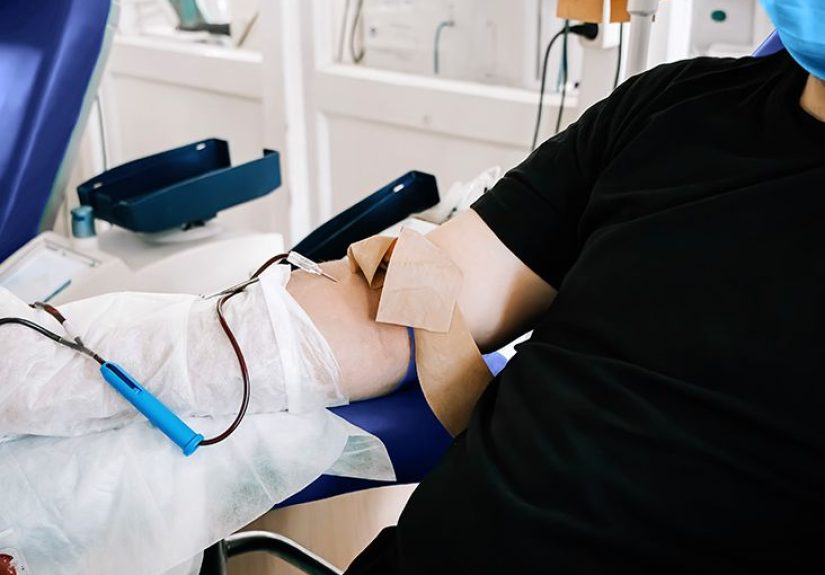
Sometimes your port may remain accessed for a continuous infusion, home chemotherapy pump, or multi-day treatment. In this situation, bedtime needs a little more planning because there may be tubing, a dressing, and an infusion device involved.
Secure Tubing Before Bed
Ask your nurse how to position tubing so it does not pull while you sleep. Tubing should have enough slack for small movements but not so much that it tangles. Do not tape or secure tubing in a way your team has not approved.
Keep the Pump Safe
If you go home with an infusion pump, keep it in the recommended pouch or location. Many people place it beside them in bed, in a waist pack, or in another clinic-approved setup. The goal is to prevent the pump from falling, twisting, or tugging on the port needle.
Check the Dressing Before Sleep
Before bed, look at the dressing. It should be clean, dry, and attached at the edges. If it is lifting, wet, bloody, or uncomfortable, call your care team or follow the instructions they gave you. Do not ignore a loose dressing and hope it behaves overnight. Medical tape rarely improves its attitude unsupervised.
Comfort Tips for Better Sleep During Chemotherapy
The chemo port may be only one part of the sleep puzzle. Chemotherapy, steroids, anxiety, nausea, hot flashes, pain, and schedule changes can all affect rest. A good bedtime routine can help your body understand that it is time to power down.
Create a Gentle Wind-Down Routine
Try a consistent routine: dim lights, take medications as directed, sip water if allowed, do light stretching approved by your team, and avoid intense screen time right before bed. Keep essentials nearby, such as water, lip balm, tissues, nausea medication, a thermometer, and your clinic’s phone number.
Manage Pain Before It Peaks
If your care team has recommended pain medicine, take it as directed. Do not wait until discomfort is shouting through a megaphone. If pain is getting worse instead of better, or if it feels sharp, throbbing, hot, or unusual, call your team.
Keep the Bedroom Cool and Comfortable
Chemotherapy and hormone changes can cause night sweats or temperature swings. Use breathable layers so you can adjust without wrestling heavy blankets. Keep sheets clean and change sweaty clothing promptly, especially if the port area or dressing becomes damp.
Reduce Anxiety Around the Port
It is common to feel nervous about sleeping with a new medical device. Before bed, remind yourself that the port is designed to stay in place. Check it once if needed, then give yourself permission to stop monitoring every heartbeat. If anxiety keeps you awake night after night, tell your oncology team. Supportive care is part of cancer care, not a bonus feature.
Common Questions About Sleeping with a Chemo Port
Can a chemo port move while I sleep?
A properly placed port is secured under the skin and is not expected to move around because you sleep. However, direct pressure, trauma, or pulling on accessed tubing can cause discomfort or complications. If the port suddenly looks different, feels loose, becomes very painful, or the skin changes, contact your care team.
Can I sleep with a bra on?
Some people can, but comfort depends on where the port sits. Avoid bras with straps, seams, wires, or bands that press on the port. A soft front-closure bra or loose sleep top may be better. Ask your nurse if you have surgical incisions, breast surgery, radiation changes, or lymphedema concerns.
How long until sleeping feels normal again?
Many people feel noticeably better after the first several days, though tenderness can last longer. Full comfort may take a few weeks, especially if the port area remains sensitive. If pain increases instead of improving, check in with your healthcare team.
Can I use heat or ice near the port?
Do not place heat, ice, creams, or patches directly over the port or incision unless your care team approves. Some products can irritate skin, affect healing, or hide symptoms that need attention.
Real-Life Experiences and Practical Lessons from Sleeping with a Chemo Port
Many people describe the first nights with a chemo port as a mix of caution, curiosity, and awkward pillow choreography. The port may not be extremely painful, but it is new, and new things on the body tend to demand attention. Even a small bump under the skin can feel enormous when you are trying to fall asleep. One common experience is the “automatic roll-over problem.” A person starts on their back, feels proud of the plan, falls asleep, and wakes up halfway onto the port side. The solution is not panic. The solution is usually pillow positioning. A body pillow behind the back or along the front of the body can act like a soft reminder to stay in a safer position.
Another frequent challenge is clothing. A shirt that felt fine during the day may become annoying at night when a seam lands right across the port. Some patients learn quickly that soft, loose, front-opening tops are bedtime gold. Others prefer sleeping in a very soft undershirt so sheets do not rub directly across sensitive skin. The key lesson is simple: if fabric keeps bothering the port, change the fabric, not your entire personality.
People with newly placed ports often say they feel nervous about touching the area. That is understandable. The port can look slightly raised, bruised, or tender at first. A useful habit is to check the site once before bed with clean hands and good lighting. Look for increased redness, swelling, drainage, or unusual warmth. If everything looks as expected, stop checking. Rechecking every ten minutes usually increases anxiety and does not improve sleep.
Side sleepers often have the biggest adjustment. If the port is on the right chest, sleeping on the left side may work well, especially with a pillow hugged against the chest. This keeps the upper shoulder from rolling forward and pulling across the port area. If both side sleeping and back sleeping feel strange, elevating the upper body can help. A wedge pillow or a carefully arranged stack of pillows may create a “recliner effect,” which many people find easier during the healing phase.
Patients who go home with an accessed port or infusion pump often describe bedtime as more complicated but manageable. The routine usually becomes: check the dressing, place the pump safely, arrange tubing with enough slack, and keep pets away from the line. Pets are loving, but they are not oncology nurses. A cat stepping on tubing or a dog jumping onto the chest can create real problems, so gentle boundaries are wise.
Over time, many people become less aware of the port during sleep. What feels strange in week one may become routine by week three or four. The most helpful mindset is flexible problem-solving: adjust pillows, change sleepwear, protect the dressing, and ask the care team about anything that feels unusual. Sleeping with a chemo port is not about achieving perfect sleep every night. It is about finding a safe, repeatable setup that gives your body the best chance to rest while treatment does its important work.
Conclusion
Learning how to sleep with a chemo port takes patience, but it does get easier. Start with the safest basics: sleep on your back or on the side opposite the port, avoid stomach sleeping during recovery, wear soft loose clothing, protect any dressing, and keep tubing secure if the port is accessed. Use pillows strategically, listen to your body, and call your oncology team if you notice fever, chills, redness, swelling, drainage, chest pain, shortness of breath, or new swelling in the arm, neck, or face.
A chemo port is there to make treatment easier, not to turn bedtime into a nightly obstacle course. With the right sleep position, a few comfort tools, and good precautions, you can protect your port and give yourself permission to rest. And rest matters. Your body is doing serious work, even when you are doing absolutely nothing under a blanket.