Table of Contents >> Show >> Hide
- Before You Start: What Face Washing Should (and Shouldn’t) Do
- What You’ll Need
- How to Wash Your Face (Teens): 9 Steps
- Step 1: Wash your hands first
- Step 2: Pull your hair back (and keep bangs off your forehead)
- Step 3: Use lukewarm water to wet your face
- Step 4: Use the right amount of cleanser
- Step 5: Massage gently with your fingertips (no scrubbing)
- Step 6: Rinse thoroughly
- Step 7: Pat dry with a clean towel
- Step 8: Moisturize while your skin is slightly damp
- Step 9: Finish smart (AM = sunscreen, PM = keep it simple)
- How Often Should Teens Wash Their Face?
- Customize the Routine by Skin Type
- Common Face-Washing Mistakes Teens Make (So You Don’t Have To)
- When to Ask a Pro
- Teen Experiences: What Face Washing Looks Like in Real Life (Extra )
- Wrap-Up: The Simple Rule That Works
Washing your face sounds like the easiest part of being a human. Splash, soap, doneright?
Except teen skin has a lot going on: hormones, sweat from practice, sunscreen, makeup, stress, and that one friend
who insists their “3-in-1 shampoo-body wash-engine degreaser” is totally fine for faces. (It’s not.)
The goal of face washing isn’t to scrub your skin into submission. It’s to remove sweat, oil, dirt, and product
buildup without wrecking your skin barrierthe protective layer that keeps your face calm instead of cranky.
A solid teen skincare routine is mostly about being gentle, consistent, and not doing the most.
Before You Start: What Face Washing Should (and Shouldn’t) Do
What it should do
- Lift away oil, sweat, and grime (especially after sports or a hot day).
- Remove leftover sunscreen and makeup so pores don’t feel like they’re wearing a winter coat.
- Set you up for moisturizer and (in the morning) sunscreen to work better.
What it shouldn’t do
- Make your skin feel tight, squeaky, or “too clean.” (That’s usually irritation, not success.)
- Burn, sting, or leave you red for hours. (That’s your skin asking you to chill.)
- Turn into a 10-step scrub-a-thon. More effort doesn’t equal fewer breakouts.
What You’ll Need
- A gentle face cleanser (look for “gentle,” “fragrance-free,” or “for sensitive skin”).
- Lukewarm water (hot water can be harsh and drying).
- A clean towel (ideally a face towel you don’t use on your whole body).
- A moisturizer (yes, even if you have oily or acne-prone skin).
- Morning sunscreen (broad-spectrum, ideally SPF 30+).
Optional helpers: a soft headband to keep hair out of your face; a gentle makeup remover or micellar water if you
wear makeup; and a “non-comedogenic” label on lotions/sunscreen if you break out easily.
How to Wash Your Face (Teens): 9 Steps
-
Step 1: Wash your hands first
Your hands touch desks, phones, door handles, and probably a basketball. Don’t transfer that to your face.
A quick hand wash (soap + water) makes a differenceespecially if you tend to touch your cheeks or chin without noticing. -
Step 2: Pull your hair back (and keep bangs off your forehead)
Hair products and hair oil can sneak onto your skin and camp out near your hairline. Use a clip, headband, or
scrunchie so you can actually clean the edges of your faceforehead, temples, and jawline included.If you wear heavy makeup or water-resistant sunscreen, consider wiping it off first with a gentle remover.
This isn’t “extra.” It’s just making sure your cleanser can actually reach your skin. -
Step 3: Use lukewarm water to wet your face
Think “warm shower,” not “boiling ramen.” Lukewarm water helps your cleanser work while being kinder to
sensitive or acne-prone skin. -
Step 4: Use the right amount of cleanser
You usually only need a pea-sized to nickel-sized amount. More cleanser doesn’t mean cleaner poresit often just means
more dryness. Lather it in your hands first if it’s a gel or foam.If you’re acne-prone, you might see cleansers with ingredients like salicylic acid or benzoyl peroxide.
Those can help some people, but they can also dry you out if you go too hard too fast. Start slowly (a few times a week),
and moisturize. -
Step 5: Massage gently with your fingertips (no scrubbing)
Use your fingertips in small circles for about 20–30 seconds. Focus on areas that get oily or sweaty:
the T-zone (forehead, nose, chin), around the mouth, and along the hairline.Skip the harsh scrubs, rough washcloths, and “sandpaper vibes.” Scrubbing can irritate skin and make breakouts look angrier.
-
Step 6: Rinse thoroughly
Leftover cleanser residue can cause dryness and irritationplus it can mix with oil later and feel gross.
Rinse around your nose, jawline, hairline, and under your chin (the forgotten triangle of face washing). -
Step 7: Pat dry with a clean towel
Pat. Don’t rub like you’re polishing a bowling ball. Rubbing can irritate skin and make redness worse.
Also: use a clean towel. If your towel smells “a little weird,” your face probably doesn’t want it. -
Step 8: Moisturize while your skin is slightly damp
Moisturizer helps support your skin barrier, which can actually make acne treatments easier to tolerate.
If you’re oily, look for lightweight gel or “oil-free” moisturizers. If you’re dry or flaky, try a creamier texture.The best moisturizer is the one you’ll use consistently without feeling like you dipped your face in cooking oil.
Words to look for: “non-comedogenic,” “won’t clog pores,” “fragrance-free.” -
Step 9: Finish smart (AM = sunscreen, PM = keep it simple)
Morning: Apply broad-spectrum sunscreen every dayeven if it’s cloudy. SPF 30 is a common dermatologist pick for daily use.
Sunscreen helps protect against sunburn and long-term skin damage, and it’s especially important if you use acne products that make skin more sensitive.Night: After moisturizing, you can apply any acne treatment you’ve been told to use (over-the-counter or prescribed).
If you’re not using a treatment, that’s fineclean + moisturize is already a strong routine.
How Often Should Teens Wash Their Face?
For most teens, twice a day is the sweet spot: once in the morning and once at night.
Add an extra wash after sweating (sports, gym, marching band practice, running to catch the bus).
More than that can backfire by drying out and irritating your skin.
If your skin is very dry or sensitive, you might do a gentle rinse in the morning and a full cleanse at night.
If your skin is very oily, twice daily cleansing is usually plentyjust be careful not to “strip” your skin, which can feel tight
and sometimes trigger more oiliness.
Customize the Routine by Skin Type
Oily or acne-prone skin
- Stick with gentle cleansing twice daily, plus after sweating.
- Consider an acne-fighting cleanser (salicylic acid or benzoyl peroxide) if you tolerate itstart slowly.
- Moisturize anyway (lightweight, non-comedogenic). Skipping moisturizer can make skin feel more irritated.
Dry or sensitive skin
- Choose a fragrance-free, non-foaming gentle cleanser.
- Avoid hot water, rough scrubs, and strong “astringents.”
- Moisturize right after washing; consider a richer moisturizer if you get flaky.
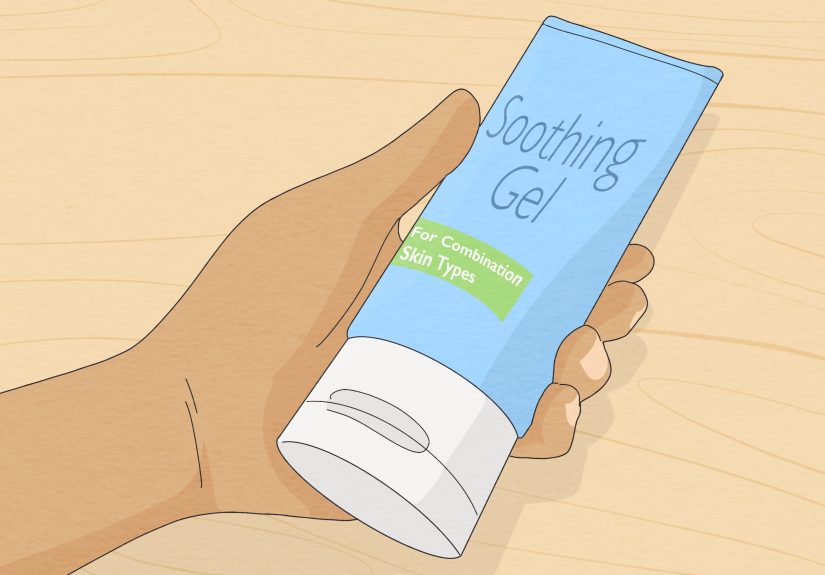
Combination skin
- Use one gentle cleanser for your whole face.
- Moisturize everywhere, but use less on oily zones if needed.
- Spot-treat acne areas instead of nuking your entire face with strong products.
Common Face-Washing Mistakes Teens Make (So You Don’t Have To)
- Scrubbing hard to “scrub acne away.” Acne isn’t dirt; irritation can make it worse.
- Washing too often because you feel oily. Overwashing can dry and annoy your skin.
- Using body soap on your face. It can be too harsh or drying.
- Skipping moisturizer because you’re oily. Oily skin still needs hydration and barrier support.
- Not washing after sweating (especially under helmets or hats).
- Using dirty towels or pillowcases and then wondering why your cheeks are mad.
- Picking pimples (a classic). It can lead to more inflammation and sometimes scarring.
When to Ask a Pro
It’s normal to get breakouts, but consider talking to a parent/guardian and a healthcare professional or dermatologist if:
- Your acne is painful, deep, or leaving marks/scars.
- You’ve tried a gentle routine and over-the-counter options for 6–8 weeks with no improvement.
- Your skin burns, cracks, or stays red/itchy after washing (possible irritation or eczema).
- Breakouts are affecting your confidence or causing stress you can’t shake.
Teen Experiences: What Face Washing Looks Like in Real Life (Extra )
Let’s be honest: teen life is not a calm spa playlist. It’s more like a chaotic group chat with homework.
So a “perfect” skincare routine isn’t the goala realistic one is.
Scenario 1: The 7:12 AM sprint. You wake up late, brush your teeth at record speed, and consider
face washing optional because time is a myth. If this is you, keep it simple: splash lukewarm water, use a gentle cleanser
for 20 seconds, pat dry, moisturize, sunscreen. That’s it. You’re not trying to become a skincare influencer before first period.
Scenario 2: Post-practice sweat face. After basketball, soccer, dance, or PE, your skin is basically
wearing a layer of sweat mixed with whatever dust lives in the gym. This is where washing after sweating matters.
The trick is to be gentleeven if you feel gross. A harsh scrub can leave your face red and irritated, which can look like a breakout
starting. Cleanse, rinse well, pat dry, moisturize. If you’re heading outside after practice, add sunscreen.
Scenario 3: The school dance makeup situation. Maybe you wore foundation, concealer, or stage makeup for a performance.
Taking it off mattersnot because makeup is “bad,” but because sleeping in it can trap oil and product near pores.
If your makeup is heavy, you might remove it first with a gentle remover or micellar water, then cleanse.
But if your skin gets easily irritated, don’t overdo ittwo gentle steps beat five aggressive ones.
Scenario 4: Finals week, stress, and snack attacks. Stress can show up on skin, and so can a routine that falls apart.
If everything feels like a lot, your routine should feel like less. Keep the basics: cleanse at night, moisturize, and use sunscreen in the morning.
If you’re using an acne product, stick with what you know works instead of panic-trying three new things at once.
New products + stress is how you end up asking, “Why is my face doing this?” at 1:00 AM.
Scenario 5: Winter dryness or “my face feels tight.” If your cheeks get flaky, the answer usually isn’t “wash harder.”
Swap to a gentler cleanser, use lukewarm water, and moisturize right after. Some teens do better rinsing with water in the morning and cleansing at night.
Tight, squeaky skin is a sign to go easier.
Scenario 6: Mask, helmet, or glasses breakouts. If you get bumps where gear touches your face, wash after sweating and make sure
your cleanser is gentle. Keep straps and gear clean when you can, and focus on protecting your skin barrier with moisturizer.
It sounds backward, but calmer skin often breaks out less.
At the end of the day, the “best” teen face-washing routine is the one you’ll actually do. Aim for gentle,
consistent, and practical. Your skin doesn’t need perfectionit needs you to stop arguing with it.
Wrap-Up: The Simple Rule That Works
Cleanse gently, don’t overwash, moisturize every time, and wear sunscreen in the morning. If you’re breaking out, keep your routine steady
and avoid harsh scrubbing. Skin takes time to calm downespecially during the teen years.