Table of Contents >> Show >> Hide
- What Are Naruto Illustrations Made With Everyday Objects?
- Why Naruto Works So Well for Everyday-Object Art
- My Favorite Everyday Objects for Naruto-Inspired Illustrations
- How I Plan a Naruto Illustration Before Touching the Paper
- Specific Naruto-Inspired Illustration Ideas Using Household Items
- Composition Tips That Make Everyday Objects Look Intentional
- Respecting Fan Art, Copyright, and Creativity
- Why This Style Performs Well Online
- Common Mistakes I Avoid
- My Personal Experience Creating Naruto Illustrations Using Everyday Objects
- Conclusion
Some artists need a fancy tablet, a studio light, and a desk so clean it looks like a furniture commercial. I need a pencil, a spoon, three bottle caps, a stray rubber band, and the confidence of Naruto running toward a problem he absolutely did not read the instructions for.
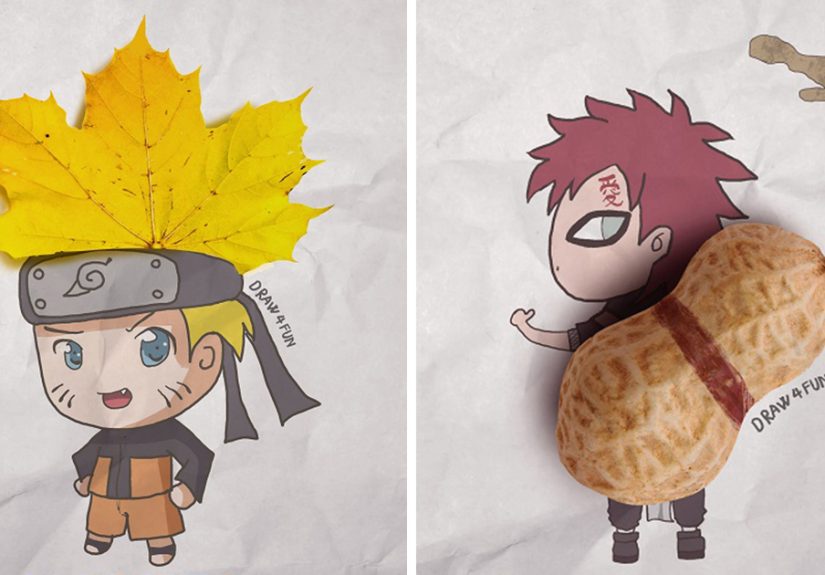
Creating Naruto illustrations using everyday objects is part fan art, part visual puzzle, and part “why is there a ramen packet on my sketchbook?” Instead of drawing every detail traditionally, I use common household itemspaper clips, coins, chopsticks, leaves, shoelaces, buttons, snack wrappers, erasers, and even noodle cupsto build scenes inspired by the energy, movement, and emotional punch of the Naruto universe.
The idea fits surprisingly well. Naruto, created by Masashi Kishimoto, is a manga series centered on ninja life, friendship, rivalry, perseverance, and the dream of being recognized. The story has continued to influence anime culture worldwide, with official publishers and streaming platforms still presenting Naruto and Naruto Shippuden as major pillars of modern shonen storytelling.
And everyday-object art has its own serious art history muscles. Found-object and assemblage art use ordinary materialsrope, paper, discarded items, household objectsand place them in new visual contexts so they gain fresh meaning. In other words, your junk drawer may secretly be an art supply store with terrible organization.
What Are Naruto Illustrations Made With Everyday Objects?
Naruto illustrations using everyday objects are fan-inspired artworks that combine drawing with real items placed on or around the page. The drawing does not have to copy a frame from the manga or anime. In fact, the best versions usually avoid direct copying and focus on mood, symbols, motion, and playful reinterpretation.
For example, a yellow pencil can become Naruto’s explosive line of movement. A black shoelace can curve into a dramatic action trail. A bottle cap can become a moon behind a silhouette. A ramen cup lid can turn into a background prop because, honestly, Naruto and ramen belong together like pencils and accidental eraser dust.
The charm comes from the surprise. A viewer recognizes the Naruto-inspired idea, then notices the object doing double duty. That little “aha!” moment is the secret sauce. It makes the illustration feel interactive, clever, and handmade rather than overly polished.
Why Naruto Works So Well for Everyday-Object Art
Naruto is packed with visual motifs that are bold, readable, and emotionally loaded. The series uses strong silhouettes, recognizable symbols, exaggerated movement, expressive faces, and dramatic poses. Those qualities make it perfect for mixed-media creativity.
1. The Visual Language Is Instantly Recognizable
Even without drawing a perfect character, you can suggest the Naruto world with a few thoughtful choices: an orange color palette, spiral shapes, ninja tools, headband-like forms, clouds, leaves, ramen bowls, scrolls, or motion lines. You do not need to recreate every detail. You just need to capture the feeling.
2. The Story Is Built Around Transformation
Naruto’s character arc is about turning rejection into strength, mistakes into lessons, and stubbornness into growth. Everyday-object illustration does the same thing visually. A bent paper clip becomes a weapon silhouette. A torn envelope becomes a storm cloud. A spoon becomes a dramatic reflective moon. Transformation is the whole game.
3. The Humor Fits the Fan Culture
Naruto fans understand intensity, but they also understand chaos. A serious ninja portrait made with a banana peel shadow? Ridiculous. Also memorable. That balance between epic and silly is exactly why this style works online. It feels personal, approachable, and shareable without requiring museum-level perfection.
My Favorite Everyday Objects for Naruto-Inspired Illustrations
Over time, I have learned that the best household items are not always the prettiest. They are the ones with strong shapes, flexible textures, or funny associations. Here are the objects I reach for most often.
Paper Clips and Binder Clips
Paper clips are tiny metal ninjas. They bend, hook, shine, and create clean lines. I use them for action trails, weapon outlines, or small mechanical details. Binder clips work well as stands for paper characters or as chunky shadows in dramatic compositions.
Coins, Buttons, and Bottle Caps
Round objects are perfect for moons, eyes, background symbols, ramen bowls, energy orbs, or decorative frames. A coin can create a glowing focal point when placed against pencil shading. Bottle caps add depth because they physically rise from the page.
Rubber Bands and Shoelaces
Rubber bands are great for motion. Stretch one into a curve and suddenly your illustration has speed. Shoelaces are better for bold outlines, swirling smoke, or dramatic scene borders. They also have that “I found this under the bed and now it is art” energy.
Chopsticks, Toothpicks, and Pencils
Long thin objects create direction. I use chopsticks for perspective lines, training scenes, or background architecture. Pencils can become props inside the artwork, especially when the drawing itself is about creativity. Toothpicks are useful for tiny bridges, tree branches, or stylized kunai-like shapes without making the piece too literal.
Leaves, Tea Bags, and Snack Wrappers
Natural and textured objects make the art feel alive. A dried leaf can suggest Hidden Leaf Village energy without copying official symbols. Tea bags create aged-paper effects. Snack wrappers add shine and color, especially when I want a modern pop-art look.
How I Plan a Naruto Illustration Before Touching the Paper
The biggest mistake beginners make is dumping objects onto a page and hoping inspiration crawls out like a tiny artistic frog. Sometimes it does. Usually, it does not. I start with three simple decisions.
Step 1: Choose the Emotion
Is this piece funny, heroic, lonely, intense, nostalgic, or chaotic? A Naruto-inspired illustration about determination needs upward movement and strong contrast. A funny ramen-themed piece can use warmer colors, rounded shapes, and playful props.
Step 2: Choose the Object Star
Every mixed-media piece needs one object that carries the concept. Maybe a ramen lid becomes the sun. Maybe a shoelace becomes a swirling line of energy. Maybe a sticky note becomes a ninja scroll. The star object gives the drawing a reason to exist beyond “I had stuff on my desk.”
Step 3: Sketch Around the Object
I place the object first, then draw around it. This keeps the object from looking glued on as an afterthought. The best pieces make the item feel necessary, as if the illustration would fall apart without it.
Specific Naruto-Inspired Illustration Ideas Using Household Items
Here are a few concepts that work beautifully for beginners and advanced artists alike.
The Ramen Bowl Scene
Place a clean instant ramen lid or small paper bowl on the page. Draw a character silhouette leaning toward it, with steam made from curled paper strips or thin rubber bands. Add chopsticks as real objects crossing the bowl. The scene feels warm, funny, and instantly connected to Naruto’s comfort-food personality.
The Training Montage
Use pencils, toothpicks, and paper clips to build a rough training ground. Draw motion lines around the objects to suggest speed. Add small dust clouds using torn tissue or cotton. The result looks energetic without needing complicated anatomy.
The Moonlit Ninja Silhouette
Use a coin or bottle cap as the moon. Shade around it with pencil, then remove or keep the object depending on the final look. Draw a simple rooftop silhouette beneath it. This is one of the easiest ways to create drama with minimal materials.
The Leaf-and-Wind Composition
Use real leaves as foreground elements and draw wind lines around them. This creates a strong Naruto-inspired mood without directly copying official designs. It is also a nice way to make the artwork feel organic and seasonal.
The Desk-Battle Poster
Turn school supplies into a battlefield. Erasers become stone blocks, paper clips become barriers, pencils become perspective lines, and sticky notes become banners. This idea is especially fun because it makes the ordinary world feel like a ninja arena.
Composition Tips That Make Everyday Objects Look Intentional
Everyday-object art can look messy fast. The trick is to control the chaos like a responsible Hokage of your desk.
Use Contrast
If your object is dark, place it on a light background. If it is shiny, surround it with matte pencil shading. Contrast tells the viewer where to look first.
Keep the Background Simple
The object already adds texture. If the background is too busy, the artwork becomes visual soup. And not the good ramen kind. Use clean white space to make the mixed-media part stand out.
Repeat Shapes
If you use a round bottle cap, repeat circular shapes in the drawing. If you use a shoelace curve, echo that curve with pencil lines. Repetition makes the real object and the drawing feel like they belong together.
Photograph From the Right Angle
Many of these illustrations look best when photographed from directly above. Natural light helps, especially near a window. Avoid harsh shadows unless they are part of the design. A shadow can be dramatic; five random shadows from your ceiling fan usually just look like an accident.
Respecting Fan Art, Copyright, and Creativity
Naruto fan art can be a joyful way to celebrate a beloved series, but it is smart to understand the basics. U.S. fair use is not a magic permission slip; it depends on factors such as purpose, nature, amount used, and market effect. The U.S. Copyright Office also notes that it cannot give personal legal advice on whether a specific use is fair.
That is why I focus on original layouts, personal interpretation, and transformative presentation. I avoid tracing official panels, copying promotional images, or selling work that could be confused with licensed merchandise. My goal is to celebrate the spirit of Naruto through my own visual language, not to pretend my kitchen-table masterpiece is official. My ramen lid has confidence, but not that much confidence.
Why This Style Performs Well Online
Naruto illustrations using everyday objects have strong SEO and social media potential because they combine several searchable interests: anime fan art, creative drawing ideas, mixed-media art, DIY illustration, and everyday-object art. People love content that feels achievable. A hyper-detailed digital painting is impressive, but a clever artwork made with a spoon and a pencil makes viewers think, “Wait, I could try that.”
This style also photographs well for short-form platforms, blog tutorials, Pinterest posts, and step-by-step galleries. Each object becomes a hook. Viewers do not just look at the final image; they want to know how the object was used, why it works, and what else could be turned into art.
Common Mistakes I Avoid
The first mistake is using too many objects. Three strong items beat twenty random ones. The second mistake is relying on the object alone. The drawing still needs structure, lighting, and composition. The third mistake is making the reference too direct. A Naruto-inspired piece should feel fresh, personal, and respectful.
I also avoid forcing an item into a role it does not want. A spoon can be a moon, a mirror, or a dramatic light source. It cannot easily be a delicate eyebrow unless you enjoy suffering. Good everyday-object art listens to the shape of the object instead of bullying it into service.
My Personal Experience Creating Naruto Illustrations Using Everyday Objects
My first serious attempt at creating Naruto illustrations with everyday objects began with a ramen cup lid, which is both artistically useful and emotionally accurate. I placed it near the center of the page and sketched a small figure beside it, trying to make the lid feel like an oversized bowl in a funny, exaggerated scene. The result was not perfect. The steam looked like confused spaghetti, the perspective was slightly suspicious, and the lid kept sliding around like it had its own ninja training arc. But the idea worked. The object made people smile before they even judged the drawing.
That taught me something important: the object should create the first spark. It does not need to be expensive or beautiful. It needs personality. A clean bottle cap can look like a moon. A wrinkled sticky note can look like an old scroll. A rubber band can create motion that feels more alive than a carefully drawn line. Once I started seeing objects that way, my desk became less of a mess and more of a suspiciously cluttered art laboratory.
One of my favorite experiments used a black shoelace as a swirling action line. I drew a ninja-inspired pose around it, letting the lace guide the energy of the whole composition. The lace was not perfectly smooth, and that was the point. Its tiny bends gave the image a handmade rhythm. A digital brush might have looked cleaner, but the shoelace looked more human. It had little imperfections, like it had survived a battle with laundry.
I also learned that everyday-object illustrations are fantastic for creative problem-solving. When I do not know how to draw a background, I ask what object can suggest the setting. Leaves can create an outdoor training-ground mood. Torn paper can become smoke. Cotton can become dust. A coin can become a glowing moon. This approach forces me to think like a designer instead of only a sketch artist.
The biggest challenge is balance. If the drawing is too simple, the object feels like a gimmick. If the drawing is too detailed, the object disappears. I usually solve this by choosing one hero object and two supporting objects at most. The hero object gets the spotlight. The supporting objects add context. Everything else stays drawn, shaded, or implied.
Another lesson: photography matters almost as much as drawing. A good overhead photo can make a simple piece look polished. Soft daylight gives paper texture, reduces harsh glare, and makes household materials feel warm. I often take several photos, then choose the one where the object’s shadow helps the composition rather than fighting it like a tiny villain.
What I love most is how accessible this process feels. You do not need a professional studio. You do not need rare supplies. You only need a playful eye, a respect for the source inspiration, and the willingness to ask, “Could this bottle cap become something cooler than trash?” Most of the time, the answer is yes. Sometimes the answer is still trash, but even that is useful information.
Conclusion
Creating Naruto illustrations using everyday objects is more than a quirky art challenge. It is a way to combine fandom, imagination, and resourcefulness into one visual experience. The Naruto universe brings the emotional fire; everyday objects bring surprise, texture, and humor. Together, they turn a simple drawing into something viewers want to pause, inspect, and share.
The best part is that this style welcomes imperfection. A bent paper clip, a coffee stain, or a leftover ramen lid can become part of the story. That is the magic of found-object creativity: it reminds us that art is not always hiding in expensive tools. Sometimes it is sitting on your desk, waiting for you to notice it.
Note: This article is written as an original, transformative discussion of Naruto-inspired fan creativity, everyday-object illustration, and found-object art. It is not official Naruto material and does not claim ownership of Naruto characters, names, or related intellectual property.