Table of Contents >> Show >> Hide
- What Is Tzatziki Sauce?
- Why This Is the Best Tzatziki Sauce Recipe
- Ingredients for Homemade Tzatziki Sauce
- Best Tzatziki Sauce Recipe
- How To Make Tzatziki Sauce Thicker
- Common Tzatziki Mistakes To Avoid
- What To Serve With Tzatziki Sauce
- Easy Tzatziki Sauce Variations
- How Long Does Tzatziki Last?
- Can You Make Tzatziki Ahead of Time?
- Experience Notes: What I Learned Making Tzatziki Again and Again
- Final Thoughts
- SEO Tags
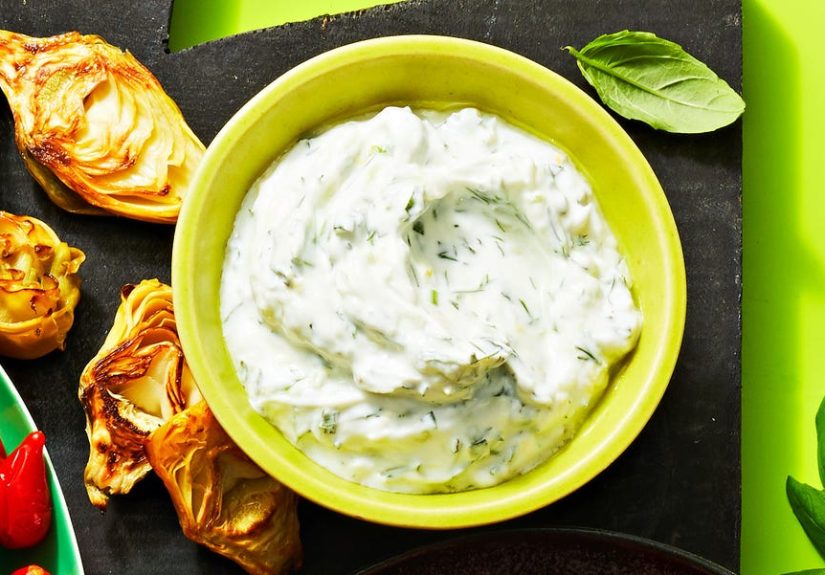
Cool, creamy, garlicky, herby, and just a little bit sassy, tzatziki sauce is the kind of recipe that quietly makes everything on the table taste more exciting. It is the friend who shows up to the party with fresh pita, grilled chicken, crisp vegetables, and absolutely no drama. Made with Greek yogurt, cucumber, garlic, lemon juice, olive oil, and fresh herbs, this classic Mediterranean sauce is simple enough for a weekday lunch but impressive enough for a backyard dinner spread.
The best tzatziki sauce recipe does not require fancy equipment, rare ingredients, or a culinary degree from Mount Olympus. What it does require is one important technique: removing excess water from the cucumber. Skip that step and your sauce may turn into a sad yogurt puddle. Do it right, and you get a thick, refreshing dip that tastes bright, balanced, and restaurant-worthy.
In this guide, you will learn how to make tzatziki sauce from scratch, how to keep it thick, what to serve it with, how long it lasts, and how to adjust the flavor so it tastes exactly the way you like it.
What Is Tzatziki Sauce?
Tzatziki is a Greek-style yogurt and cucumber sauce commonly served with gyros, grilled meats, falafel, roasted vegetables, pita bread, grain bowls, and mezze platters. At its heart, it is a refreshing combination of thick yogurt, cucumber, garlic, lemon or vinegar, olive oil, salt, and herbs such as dill or mint.
The magic of tzatziki comes from contrast. Greek yogurt brings creaminess and tang. Cucumber adds freshness. Garlic gives it a bold little kick. Lemon juice brightens everything. Olive oil smooths the edges. Dill or mint brings the garden-party energy. Together, they create a sauce that can cool down spicy foods, lift up grilled meats, and rescue dry leftovers from the land of disappointment.
Why This Is the Best Tzatziki Sauce Recipe
This recipe focuses on texture, balance, and fresh flavor. Many homemade tzatziki recipes fail for one of three reasons: the cucumber is too watery, the garlic is too harsh, or the sauce is not given enough time to chill. This version solves all three problems.
It Uses Thick Greek Yogurt
Full-fat Greek yogurt gives tzatziki its signature creamy body. Regular yogurt can work, but it should be strained first so the finished sauce does not become loose. For the richest texture, choose plain Greek yogurt with no added sugar or flavoring.
The Cucumber Is Drained Properly
Cucumber contains a lot of water, which is wonderful when you are making a salad and less wonderful when you are trying to create a thick sauce. Grating the cucumber, salting it lightly, and squeezing out the liquid keeps the tzatziki creamy instead of runny.
The Garlic Is Balanced
Raw garlic can be powerful. Delicious, yes. Socially dangerous, also yes. This recipe uses a moderate amount and recommends grating it finely so it spreads evenly through the yogurt. If you love a stronger garlic bite, you can add more after tasting.
It Gets Better After Chilling
A short rest in the refrigerator allows the flavors to blend. The garlic mellows, the dill perfumes the yogurt, and the lemon juice settles into the sauce. Thirty minutes is helpful; a few hours is even better.
Ingredients for Homemade Tzatziki Sauce
You only need a handful of fresh ingredients to make a memorable tzatziki sauce. Because the recipe is simple, quality matters. Use fresh cucumber, good yogurt, and herbs that still look lively rather than herbs that have emotionally given up in the back of the fridge.
Greek Yogurt
Use 2 cups of plain full-fat Greek yogurt for the creamiest result. Low-fat Greek yogurt also works, but the sauce will taste slightly lighter and tangier. Avoid sweetened yogurt, vanilla yogurt, or anything that sounds like it belongs in a breakfast parfait.
Cucumber
English cucumber is ideal because it has thin skin, fewer seeds, and a mild flavor. If using a regular cucumber, peel it and scoop out the watery seeds before grating.
Garlic
One to two cloves of fresh garlic are enough for most batches. For a smoother flavor, grate the garlic with a microplane or crush it into a paste with a pinch of salt.
Lemon Juice or Vinegar
Fresh lemon juice adds brightness. White wine vinegar or red wine vinegar can also be used for a sharper, more traditional tang. Some cooks use both for extra depth.
Fresh Dill and Mint
Dill is classic, but mint is also excellent. You can use one or both. Dill tastes grassy and savory; mint tastes cool and slightly sweet. Together, they make tzatziki taste like summer took a vacation in Greece.
Extra-Virgin Olive Oil
A little olive oil adds richness and helps round out the acidity. Save an extra drizzle for the top if you want your bowl to look like it belongs on a restaurant table.
Best Tzatziki Sauce Recipe
Ingredients
- 2 cups plain full-fat Greek yogurt
- 1 large English cucumber, grated
- 1 teaspoon kosher salt, divided
- 1 to 2 garlic cloves, finely grated or minced
- 2 tablespoons fresh lemon juice
- 1 tablespoon extra-virgin olive oil, plus more for serving
- 2 tablespoons chopped fresh dill
- 1 tablespoon chopped fresh mint, optional
- Freshly ground black pepper, to taste
Instructions
- Grate the cucumber. Use the large holes of a box grater to grate the cucumber. If the cucumber has large seeds, remove them first.
- Salt and drain. Place the grated cucumber in a fine-mesh strainer or clean kitchen towel. Toss with 1/2 teaspoon kosher salt and let it sit for 10 to 15 minutes.
- Squeeze out the liquid. Press or squeeze the cucumber firmly until most of the water is removed. This step is the difference between thick tzatziki and cucumber soup wearing a yogurt costume.
- Mix the base. In a medium bowl, combine the Greek yogurt, drained cucumber, garlic, lemon juice, olive oil, dill, mint if using, remaining salt, and black pepper.
- Taste and adjust. Add more lemon juice for brightness, more garlic for punch, more herbs for freshness, or more salt if the flavor tastes flat.
- Chill before serving. Cover and refrigerate for at least 30 minutes. Stir again before serving and finish with a drizzle of olive oil.
Recipe Yield
This recipe makes about 2 1/2 cups of tzatziki sauce, enough for 6 to 8 servings as a dip or 8 to 10 servings as a topping.
How To Make Tzatziki Sauce Thicker
If you want thick tzatziki, treat moisture like the villain in a tiny kitchen drama. The cucumber must be drained, and the yogurt should be thick from the start. For an ultra-rich sauce, strain the Greek yogurt in a cheesecloth-lined sieve for 30 minutes to several hours before mixing. This removes extra whey and makes the yogurt even denser.
Another trick is to grate the cucumber, salt it, and squeeze it twice. The first squeeze removes obvious water; the second squeeze catches the sneaky water that thought it could escape unnoticed. After mixing, keep the sauce chilled until serving. Warm yogurt softens quickly, especially at outdoor meals.
Common Tzatziki Mistakes To Avoid
Using Watery Yogurt
Thin yogurt creates thin sauce. If regular yogurt is all you have, strain it first. Place it in a fine-mesh sieve lined with cheesecloth or a coffee filter, set it over a bowl, and refrigerate until thicker.
Skipping the Cucumber Squeeze
Grated cucumber may look innocent, but it holds plenty of liquid. Always squeeze it before adding it to the yogurt. Your future pita bread will thank you.
Adding Too Much Garlic Too Fast
Garlic gets stronger as tzatziki rests. Start with one clove, chill the sauce, then taste. You can always add more garlic, but removing it requires kitchen sorcery that has not yet been approved by science.
Serving It Immediately
Freshly mixed tzatziki is good, but chilled tzatziki is better. A short rest gives the flavors time to mingle like polite guests at a dinner party.
What To Serve With Tzatziki Sauce
Tzatziki is one of the most versatile sauces you can keep in your refrigerator. It works as a dip, spread, topping, dressing, and emergency flavor booster for meals that need help.
- Gyros and souvlaki: Spoon it over warm pita, grilled chicken, lamb, or beef.
- Falafel: The cool yogurt balances crispy, spiced chickpea patties beautifully.
- Grilled vegetables: Try it with zucchini, eggplant, peppers, onions, or asparagus.
- Fresh vegetables: Serve it with cucumbers, carrots, bell peppers, cherry tomatoes, and radishes.
- Grain bowls: Add a spoonful to rice bowls, quinoa bowls, or Mediterranean-style lunch bowls.
- Sandwiches and wraps: Use tzatziki instead of mayonnaise for a fresher flavor.
- Roasted potatoes: Crispy potatoes plus cold tzatziki is a combination that deserves applause.
Easy Tzatziki Sauce Variations
Extra-Lemony Tzatziki
Add 1 teaspoon of lemon zest along with the lemon juice. This makes the sauce brighter without adding too much extra liquid.
Mint Tzatziki
Replace the dill with fresh mint or use half dill and half mint. Mint tzatziki is especially good with lamb, spicy kebabs, or grilled eggplant.
Vegan Tzatziki
Use a thick unsweetened dairy-free yogurt, such as coconut, almond, or cashew yogurt. Choose one with a neutral flavor and drain it if necessary. The result will not taste exactly like traditional Greek yogurt tzatziki, but it can still be creamy, tangy, and delicious.
Spicy Tzatziki
Add a pinch of cayenne pepper, crushed red pepper flakes, or finely chopped jalapeño. Keep the heat gentle so the sauce remains refreshing.
How Long Does Tzatziki Last?
Homemade tzatziki sauce tastes best within 2 to 3 days, though it can usually be kept refrigerated for up to 3 to 4 days in an airtight container. Because it contains dairy and fresh cucumber, keep it cold at 40°F or below and do not leave it sitting out for long periods. If it smells sour in an unpleasant way, looks separated beyond a quick stir, or shows any signs of spoilage, discard it.
Tzatziki does not freeze well. The yogurt can separate and the cucumber can become watery after thawing. Luckily, it is quick to make fresh, so there is no need to ask your freezer to do something it clearly does not want to do.
Can You Make Tzatziki Ahead of Time?
Yes, and you should. Tzatziki is an excellent make-ahead sauce because the flavor improves after resting. Make it a few hours before serving or the night before. For the best texture, store it in a covered container and stir before serving. If a little liquid collects on top, simply pour it off or stir it back in.
Experience Notes: What I Learned Making Tzatziki Again and Again
The first time many home cooks make tzatziki, they underestimate the cucumber. It looks so crisp and harmless, like it came to the kitchen wearing a tiny green halo. Then it releases enough water to turn a beautiful bowl of yogurt into something closer to salad dressing. After making tzatziki many times, the biggest lesson is clear: the squeeze matters. A clean kitchen towel works better than a casual press with a spoon. Wrap the grated cucumber, twist firmly, and squeeze until it feels almost dry. That one small step makes the sauce taste richer, thicker, and more intentional.
The second lesson is that garlic needs respect. One large raw clove can dominate an entire bowl if it is especially sharp. Garlic also blooms as the sauce rests, so a batch that tastes mild at first may become stronger after an hour. For family dinners, one finely grated clove is usually the sweet spot. For garlic lovers, two cloves are bold but still reasonable. For anyone planning a first date, important meeting, or close-range conversation, proceed with caution and maybe keep a mint nearby.
Another useful discovery is that fresh herbs change the mood of the sauce. Dill makes tzatziki taste classic and savory. Mint makes it cooler and more refreshing. Using both gives the sauce a fuller flavor, especially when serving it with grilled meats or roasted vegetables. Dried herbs can work in a pinch, but fresh herbs make a noticeable difference. Chop them finely so every spoonful gets a little green sparkle.
Texture also depends on the yogurt. Some Greek yogurts are thick enough straight from the container, while others are softer. When the yogurt seems loose, straining it for even 30 minutes improves the result. For a party platter, the extra straining time is worth it because thick tzatziki sits beautifully in a bowl and clings to pita instead of sliding off like it has somewhere better to be.
Serving temperature matters too. Tzatziki tastes best cold, especially next to hot grilled chicken, lamb, falafel, or roasted potatoes. That contrast is part of the charm. If serving outdoors, keep the bowl chilled until the last minute and place it back in the refrigerator after people have had their first round. A smaller serving bowl is helpful because you can refill it as needed instead of leaving the whole batch on the table.
Finally, tzatziki is more than a dip. Once you have a container in the fridge, it becomes a shortcut to better meals. Spread it on turkey sandwiches, spoon it over scrambled eggs with tomatoes, use it as a dressing for cucumber salad, or add it to a chicken rice bowl with olives and feta. It turns ordinary leftovers into something fresh and deliberate. That is the real beauty of homemade tzatziki sauce: it takes ten minutes of active work, but it keeps improving meals for days.
Final Thoughts
The best tzatziki sauce recipe is not complicated. It is all about using thick Greek yogurt, draining the cucumber well, balancing the garlic, adding enough lemon and herbs, and letting the sauce chill before serving. Once you master those basics, you can adjust it endlessly. Make it extra lemony, add more dill, stir in mint, or keep it simple and classic.
Whether you serve it with gyros, grilled chicken, falafel, vegetables, pita, or roasted potatoes, homemade tzatziki brings freshness and flavor to the table. It is creamy without feeling heavy, bold without being overwhelming, and easy enough to make on a weeknight. In other words, it is the sauce equivalent of a clean white shirt: simple, reliable, and somehow always the right choice.