Table of Contents >> Show >> Hide
If you’ve ever planned a wedding (or even just attended one with working eyeballs), you already know the truth:
weddings are equal parts romance, logistics, and “Why is there glitter in places glitter should never be?”
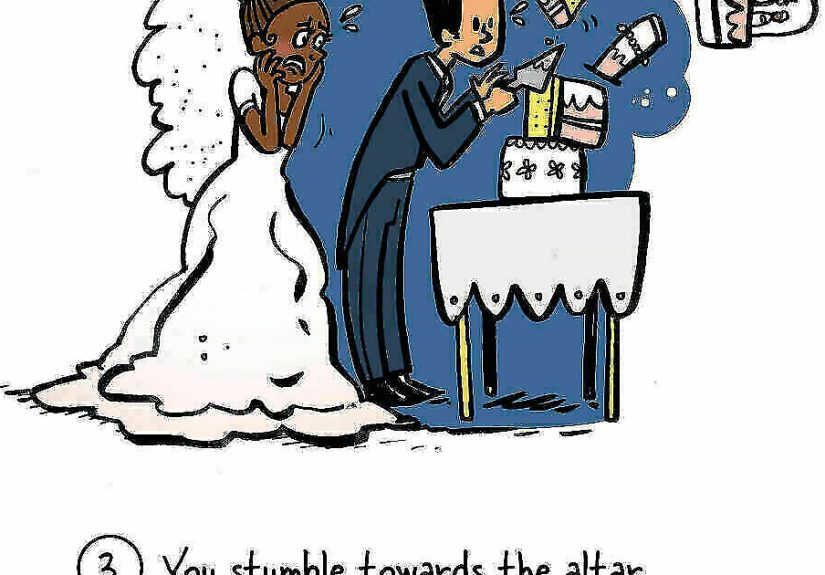
That’s why a set of five wedding-themed cartoons shared on Bored Panda feels so instantly familiarbecause it zooms in
on the weirdly universal moments brides experience, from dress panic to bathroom acrobatics to the legendary pressure
of “making it perfect.”
This article unpacks those “yep, that happened” scenes with real-world context, practical fixes, and a little humorbecause
if you can’t laugh when you’re wearing shapewear and trying to drink water through lipstick, when can you?
Why wedding cartoons hit so hard
The cartoons work because they’re not really about the wedding “aesthetic.” They’re about the emotional math running in the
background: huge expectations + many moving parts + a one-time event + an audience = high stakes.
Add social media perfection, family opinions, and a timeline that’s tighter than your updo, and you’ve got a recipe for
moments that are funny only after you survive them.
Wedding planning guides often recommend the same core strategy for staying sane: break the process into smaller tasks,
prioritize what matters most, and create a clear plan so you’re not making 117 decisions on the day itself.
In other words, reduce chaos now so Future You can focus on the commitmentnot the chair covers.
The five “every bride” situationsand what they’re really saying
1) The “perfect day” nightmare spiral
One cartoon theme is the bride’s pre-wedding fear montage: the worst-case scenarios that pop up when you want everything to go
beautifully. That’s not irrationalit’s your brain trying to protect you by rehearsing risks.
The problem is that anxiety doesn’t stop at “be prepared.” It keeps going until it reaches “what if the ring falls into a volcano?”
A practical antidote is to plan buffers and hand off decisions. Timeline templates often emphasize that wedding-day tasks take longer
than expected, and they encourage building in extra time for the inevitable surprise questions.
Also: give someone else the authority to answer vendor questions. A lot of wedding-day anxiety is simply being the “main character”
and the “customer service department” at the same time.
- Do this now: Assign a point person (planner, coordinator, or a calm friend) for vendor questions.
- Do this tomorrow: Add 10–15 minutes of buffer between key events (getting dressed, first look, ceremony start, photos).
- Do this day-of: Use a quick grounding trickslow breathing, a brief walk, or a “five senses” resetto keep your body from hijacking your mood.
2) Dress fear: stains, snags, and the fragile majesty of white fabric
Another cartoon focuses on the subtle terror of finally finding the dress… and then realizing you have to exist in it near food, chairs,
and the laws of physics. Wedding advice sites treat this like a real operational challenge (because it is):
carry tools that solve tiny fashion crises before they become big emotional ones.
For example, wedding-day checklists and emergency-kit guides commonly include safety pins, fabric tape, double-sided tape, stain solutions,
and other “small item, huge impact” supplies.
It’s not about expecting disasterit’s about giving yourself the power to fix it in 30 seconds and move on.
Specific examples of dress-saving moments brides regularly face:
- A tiny makeup smudge appears on the bodice right before photos (hello, stain remover pen and calm breathing).
- A button loop pops during a hug (safety pins: the unglamorous heroes of matrimony).
- A hem catches on a chair leg (fabric tape or a quick stitch prevents a full “tulle avalanche”).
3) Bathroom logistics: the bridal sport nobody trains for
The cartoons also nod to an experience so universal it deserves its own Olympic category: going to the restroom in a wedding dress.
This isn’t a “nice-to-know” tip. This is survival.
Wedding planning sources famously provide methods and coping strategiesranging from “bring a trusted helper” approaches to very specific
positioning advice for keeping fabric away from the toilet.
There are even products designed specifically to help brides handle bathroom breaks without a full audience.
- Practice once: During a fitting or at home with a similar skirt volume, do a trial run. It reduces panic later.
- Create a bathroom buddy plan: Decide who helps, how many people help, and what “help” actually means (lifting skirt, holding bouquet, guarding door).
- Keep it clean: Bustle or lift strategically so the hem stays off the floorbecause the floor has been living its own life.
The takeaway: normalize planning for basic needseating, hydrating, and restroom breaksbecause a bride running on adrenaline and champagne
is basically a glittery candle in a windstorm.
4) “Bridezilla” pressure: when stress looks like control
One cartoon points to the tension and overwhelm that can build during planning, and how it can read as “bridezilla” behavior.
Modern wedding commentary increasingly critiques the term itself (and its gendered baggage), while still acknowledging that stress can push
people into micromanaging.
What’s often underneath “overcontrol” is fear: fear of judgment, fear of wasting money, fear of disappointing family, fear of a once-in-a-lifetime
day falling flat. Stress guidance (even outside the wedding world) tends to circle back to the same solution: choose what you can control, accept what
you can’t, and use healthy coping tools so you don’t accidentally turn your wedding party into unpaid employees.
Try this “not-a-bridezilla” checklist:
- Decide your top three priorities (examples: ceremony experience, photos, food). Everything else is “nice-to-have.”
- Budget honesty early so you’re not trying to buy perfection with panic.
- Delegate with gratitude and be clear about what’s optional versus requiredespecially for bridesmaids.
- Plan recovery time (sleep, no-wedding-talk windows, a day off from decision-making).
5) Expectations vs. reality: the most important “plot twist”
The final cartoon theme lands on the emotional core: expectations and reality may not match, but what matters is who you say yes to.
This is where good etiquette advice and good mental health advice overlap. Wedding etiquette guidance emphasizes thoughtfulness, respect, and
staying grounded in the purpose of the celebrationeven when logistics get loud.
Reality check (the kind that actually helps): some things will go sideways. A boutonniere will vanish. Someone will forget their speech.
A guest will ask a question that is answered on the program they are currently holding. Your job isn’t to prevent every glitchit’s to keep
the glitches from stealing the meaning.
Tools that make “expectations vs reality” gentler:
- Create a realistic schedule and communicate it (wedding party, vendors, family VIPs).
- Use an emergency kit so small problems stay small.
- Have a decision filter: “Will this matter in a week?” If not, release it like a balloon (but, you know, metaphoricallydon’t litter).
- Practice presence: mindfulness strategies like grounding, intentional pauses, and savoring key moments help you remember the day as a whole.
How to turn “typical wedding situations” into a calmer, better day
The secret isn’t pretending weddings are effortless. The secret is building a system that supports you.
Here’s a realistic approach pulled from the best planning playbooks:
Build the plan like you’re not the only adult in the room
Many checklists recommend mapping tasks with deadlines long before the wedding, so the final weeks aren’t a chaotic sprint.
Even if you love control (no shame), your wedding day is the time to outsource control.
Protect the morning of the wedding
Wedding anxiety advice often focuses on basics people forget: eat breakfast, move your body if it helps you regulate, and avoid solving vendor
problems in your robe. If you can swing it, keep the getting-ready space calm, fed, and not crowded with “helpful” spectators
who raise your cortisol with every suggestion.
Pack smarter than your honeymoon suitcase
A wedding emergency kit is one of those unsexy ideas that becomes incredibly sexy the moment something breaks. Think: pins, tape, pain relief,
blister protection, hydration helpers, and quick beauty fixes.
Use etiquette as a boundary tool
Etiquette isn’t just about forks. It’s also about navigating expectations, family opinions, and guest experience with kindness and clarity.
You can acknowledge someone’s idea without adopting it. You can be gracious without being governed.
Bonus: of wedding experiences that feel ripped from the cartoons
Consider this the “director’s cut” of typical wedding situations every bride experiencesthose tiny moments that don’t show up on Pinterest boards,
but absolutely show up on the day.
First, there’s the sudden realization that your dress has its own personality. It does not walk; it glides, catches, and occasionally attempts
to become one with the nearest doorway. You practice a confident stride in the mirror, then immediately forget it because someone says, “The photographer
is here!” and your brain exits the building. Meanwhile, your veil develops a magnet-like attraction to lip gloss, lashes, and anyone holding a champagne flute.
Then come the micro-emergencies. A strap twists. A button threatens mutiny. Your bouquet ribbon loosens at precisely the moment you’re supposed to look
serene and timeless. Someone offers a safety pin like they’re presenting a rare jewel. You accept it with the seriousness of a diplomat signing a treaty.
Nearby, a bridesmaid is quietly doing cardio by running messages between rooms: “Your mom wants to know if the cousins can sit with the coworkers or the
coworkers can sit with the cousins,” which is a sentence that makes sense only inside the wedding universe.
Next is the “human needs vs. formalwear” showdown. You suddenly understand why people say to eat early, hydrate consistently, and schedule time to breathe.
Because once the ceremony starts, you are hugged, photographed, guided, posed, spun, toasted, and occasionally ambushed by a well-meaning relative who says,
“Just one quick picture!” That “one quick picture” becomes seven photos, two lighting adjustments, and a discussion about whether you should angle your chin
“like this, but softer.” Somewhere in the distance, you hear the catering team asking a question, and you are deeply grateful you appointed someone else to answer.
And yes, the bathroom moment arrives like a plot twist you saw coming but still weren’t ready for. The dress requires a strategy. The strategy requires helpers.
The helpers require instructions. Everyone becomes very focused, very fast. You all agree never to speak of it again, like it’s a sacred ritual. Then you rejoin
the party with the calm smile of a person who has completed a difficult quest and earned a hidden achievement badge.
Finally, the biggest experience is emotional: the day rarely matches the movie in your head, and that’s okay. The timeline may drift. The weather may improvise.
The DJ may play a song you didn’t request that somehow becomes the song everyone screams the lyrics to. What lasts isn’t the flawless sequenceit’s the feeling:
the moment you see your partner, the squeeze of hands during a quiet pause, the laughter when something small goes wrong and you choose joy anyway.
Conclusion
The reason wedding cartoons resonate is simple: they tell the truth in a friendly voice. Yes, weddings can be beautiful. Yes, they can also be chaotic.
And yes, you can have a meaningful day even if the schedule slips, the dress needs emergency tape, and you briefly consider installing a “no opinions today”
sign on your forehead. Plan well, delegate wisely, pack the tiny lifesavers, and remember what the cartoons hint at most clearly:
the real win is the marriageand the story you’ll tell afterward.