Table of Contents >> Show >> Hide
- Why a Black Ballpoint Pen Feels So SimpleUntil You Actually Use It
- The Beauty of Ballpoint Pen Portraits
- What 90 Hours Really Means in a Ballpoint Pen Drawing
- The Techniques Behind Realistic Ballpoint Pen Portraits
- Why Mistakes Feel So Dramatic
- The Emotional Power of a Slow Portrait
- Why Ballpoint Pen Art Goes Viral
- Materials Matter More Than People Think
- What Makes a Ballpoint Pen Portrait Beautiful?
- Lessons Artists Can Learn From a 90-Hour Pen Portrait
- Experience: What It Feels Like to Spend 90 Hours on a Black Ballpoint Pen Portrait
- Conclusion
There is something wonderfully suspicious about a realistic portrait made with a black ballpoint pen. At first glance, people lean in and say, “Nice photo.” Then they discover it was created with the same kind of pen hiding in junk drawers, school bags, office mugs, and probably under your car seat. Suddenly, the room gets quiet. The humble ballpoint pen has pulled off a magic trick.
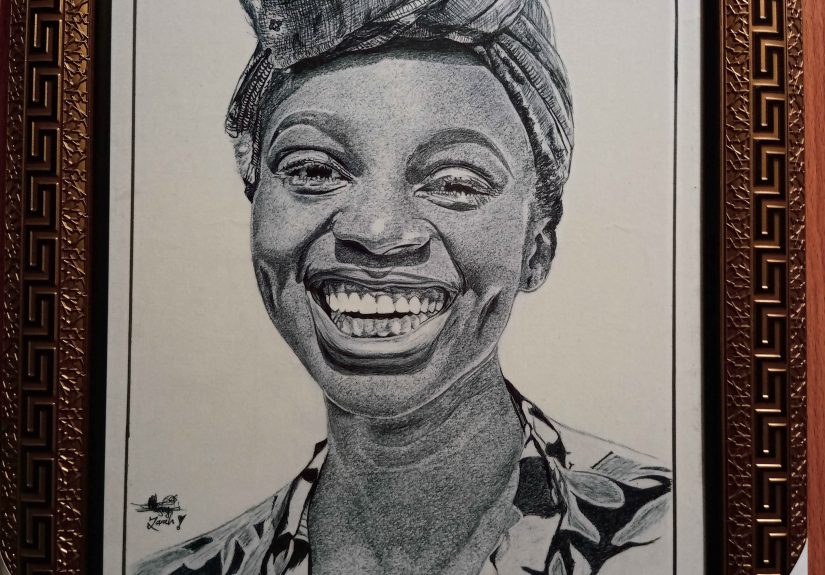
A black ballpoint pen portrait is not just a drawing. It is a marathon of patience, pressure control, observation, and tiny decisions. When an artist spends 90 hours building a face from ink, line by line, the portrait becomes more than an image. It becomes proof that ordinary tools can create extraordinary results when stubbornness and skill decide to become best friends.
This article explores the beauty, difficulty, and emotional experience behind making realistic ballpoint pen portraits, especially a piece that takes around 90 hours to complete. We will look at why the medium is so demanding, how artists build lifelike skin and expression with black ink, why mistakes are terrifying, and why this kind of slow art continues to fascinate viewers online.
Why a Black Ballpoint Pen Feels So SimpleUntil You Actually Use It
The ballpoint pen is one of the most familiar tools in modern life. It was developed for practical writing, not gallery drama. László Bíró’s modern ballpoint design became famous because it solved a real-world problem: fountain pens could smudge, while ballpoint ink dried faster and traveled more cleanly across paper. Later, pens like the BIC Cristal turned this idea into a global everyday object. The pen became cheap, portable, reliable, and so common that most people stopped noticing it.
That is exactly what makes ballpoint pen art so surprising. The tool carries no glamour. It does not arrive in a velvet box. It does not whisper, “I belong in a museum.” And yet museums and art institutions have recognized ballpoint pen works and pen design as serious cultural objects. The Museum of Modern Art includes the BIC Cristal in its architecture and design collection, while ballpoint pen artworks by artists such as Alighiero Boetti appear in major museum collections. The message is clear: an everyday object can become a serious creative instrument when the hand behind it knows what it is doing.
The Beauty of Ballpoint Pen Portraits
Portrait art is already difficult. A landscape can forgive a slightly crooked tree. A still life can survive a wobbly apple. But a human face? Absolutely not. The human brain is a professional face inspector. We notice when an eye is too high, a mouth is too stiff, or a shadow makes someone look accidentally offended.
That is why realistic ballpoint pen portraits feel so impressive. The artist has to capture structure, emotion, and likeness using a tool that does not blend like charcoal, erase like graphite, or spread like paint. Instead, the entire face must be constructed with pressure, layering, hatching, cross-hatching, stippling, and controlled gaps of untouched paper.
The black ballpoint pen is especially unforgiving. With colored ballpoint pens, artists can sometimes build optical warmth through blues, reds, and yellows. With black ink, the drama depends on value alone: light, midtone, shadow, and deep dark. The portrait becomes a conversation between ink and paper. The white areas are not added later; they must be protected from the beginning. One careless dark line across a highlight on the cheek, and congratulations, your portrait now has a mysterious scratch that no one ordered.
What 90 Hours Really Means in a Ballpoint Pen Drawing
When people hear “90 hours,” they often imagine one long heroic sitting, as if the artist entered a cave with a pen and emerged four days later holding a masterpiece and asking for coffee. In reality, 90 hours usually means many sessions of focused work: sketching, measuring, layering, pausing, checking proportions, correcting direction, and slowly deepening tones.
The first stage is often quiet and delicate. The artist maps the face with light guidelines, checking the angle of the eyes, the width of the nose, the placement of the lips, and the shape of the head. This stage does not look dramatic, but it decides whether the final portrait will feel alive or slightly haunted.
The second stage is where the ink begins to build. Instead of coloring areas flat black, the artist uses thousands of controlled strokes. Soft shadows may be created with feather-light marks. Darker areas, such as hair, pupils, nostrils, and clothing folds, require repeated layering. The trick is to increase depth without turning the whole drawing muddy.
The final stage may be the slowest. At this point, the portrait looks nearly finished, which is dangerous. The temptation is to push everything harder: darker shadows, sharper eyelashes, more texture, more contrast. But great ballpoint pen art requires restraint. Knowing when to stop is part of the craft. One extra hour can improve a portrait; one extra careless minute can flatten it.
The Techniques Behind Realistic Ballpoint Pen Portraits
1. Hatching and Cross-Hatching
Hatching uses parallel lines to create tone. Cross-hatching layers lines in different directions to build darker values. In portrait drawing, these lines can follow the form of the face. Around the cheek, they may curve softly. Around the jaw, they may become firmer. In the hair, they may move with the flow of strands.
This technique works beautifully with ballpoint pen because the pen naturally creates lines. The challenge is making those lines disappear into the illusion of skin, fabric, or shadow. Good hatching does not scream, “Look at all these lines!” It quietly says, “Here is a cheekbone.”
2. Stippling and Texture Control
Stippling uses dots to create value and texture. It is useful for pores, freckles, beard shadow, and subtle transitions. It is also a test of patience. After 20 minutes of dotting one square inch of paper, an artist may begin questioning every life decision that led to this moment.
Still, stippling gives a portrait realism that smooth shading cannot always achieve. Human skin is not plastic. It has pores, tiny marks, soft unevenness, and character. In a 90-hour portrait, these small details can make the face feel real rather than digitally perfect.
3. Pressure Variation
Ballpoint pens respond to pressure. A light touch can create pale gray marks. A firmer hand creates darker lines. Press too hard too early, however, and the paper may dent or the ink may blob. The best ballpoint artists learn to treat pressure like volume control. They turn it up slowly.
This is especially important in black ballpoint pen portraits because there is no “undo” button. A soft shadow should be invited onto the page, not kicked through the front door wearing muddy boots.
4. Preserving Highlights
In many traditional painting methods, highlights can be added at the end. With a black ballpoint pen portrait on white paper, highlights are usually preserved. The sparkle in the eye, the shine on the lower lip, the glint on the nose, and the light across the forehead must remain untouched or lightly worked around.
This changes the artist’s thinking. Instead of drawing only what is dark, the artist must also protect what is light. The empty paper becomes an active part of the portrait.
Why Mistakes Feel So Dramatic
Drawing with a ballpoint pen is not for the emotionally fragile. Pencil says, “No problem, erase it.” Digital art says, “Command Z, my friend.” Ballpoint pen says, “Interesting choice. We live with this now.”
This permanence gives the medium its intensity. Every mark matters. If the line is too dark, it cannot simply vanish. If the eye is misplaced, the portrait may lose likeness. If a shadow becomes too heavy, the expression can change completely. A gentle face may suddenly look exhausted, suspicious, or like it just read the comment section.
Yet this risk is also what makes ballpoint pen art exciting. Viewers sense the discipline behind it. They know the artist did not rely on expensive materials or easy correction. The beauty comes from control under pressure, and that pressure is visible in every inch of the drawing.
The Emotional Power of a Slow Portrait
A 90-hour portrait has time built into it. It is not only a picture of a face; it is a record of attention. The artist has studied the subject’s expression for days or weeks. Small details begin to matter: the uneven curve of a smile, the shadow beneath an eyelid, the way hair breaks across the forehead, the quiet tension around the mouth.
This slow looking creates intimacy. Even if the portrait is based on a photograph, the final drawing carries the artist’s interpretation. A camera captures instantly. A ballpoint pen portrait rebuilds slowly. That difference matters.
In a world where images fly past us in half a second, slow art feels almost rebellious. Spending 90 hours on one portrait says, “This face is worth attention.” That message is powerful, especially online, where speed often wins but patience still has the ability to stop the scroll.
Why Ballpoint Pen Art Goes Viral
Ballpoint pen portraits often perform well on social media because they create instant disbelief. The viewer sees a realistic image, then reads that it was made with a simple pen. The contrast between tool and result creates the “wow” effect.
Another reason is relatability. Most people have used a ballpoint pen. They know how ordinary it feels. They have scribbled grocery lists, signed receipts, filled out forms, doodled during phone calls, and tested dead pens on the corner of envelopes. When someone uses that same tool to create a lifelike portrait, the achievement feels accessible and impossible at the same time.
The medium also photographs well during progress stages. A work-in-progress portrait can show the artist’s hand, the pen, the paper, and the slow build from blank page to living face. These stages help viewers understand the labor. They are not just seeing the final result; they are witnessing the climb.
Materials Matter More Than People Think
Although ballpoint pen art is famous for using simple supplies, materials still matter. A smooth, sturdy paper helps the pen glide without tearing fibers. Paper that is too thin may dent, buckle, or bleed. Paper that is too textured may interrupt fine details. The artist must choose a surface that can survive hours of layering.
The pen also matters. Some ballpoint pens skip. Some produce ink blobs. Some start dark and fade quickly. Some feel smooth for writing but unpredictable for drawing. Artists often test pens before committing them to a major portrait. A 90-hour drawing is not the place to discover that your pen enjoys random explosions.
After the portrait is finished, preservation becomes important. Works on paper should be protected from moisture, dirt, extreme temperature changes, and strong light. Since inks and paper can be sensitive to light, artists often scan or photograph the finished piece and frame originals carefully. The goal is simple: do not spend 90 hours making a portrait and then let sunlight bully it from across the room.
What Makes a Ballpoint Pen Portrait Beautiful?
Technical skill is only part of beauty. A portrait can be perfectly detailed and still feel cold. The most memorable ballpoint pen portraits combine accuracy with feeling. The eyes need life. The skin needs softness. The shadows need rhythm. The hair needs movement. The face needs presence.
In black ballpoint pen art, beauty often comes from contrast. Deep black areas make highlights glow. Fine lines create texture. Empty white space becomes light. The viewer’s eye moves between precision and atmosphere.
There is also beauty in the honesty of the medium. If you look closely, you can often see the marks. The portrait may appear photographic from a distance, but up close it reveals thousands of tiny lines. That dual experience is part of the magic: realism from far away, handwork from near.
Lessons Artists Can Learn From a 90-Hour Pen Portrait
Patience Is a Technique
Patience is not just a personality trait. In ballpoint pen art, patience becomes a technical skill. The artist must build values slowly, step back often, and avoid rushing dark areas. A patient drawing has air in it. A rushed drawing often looks heavy.
Observation Beats Assumption
Beginners often draw what they think a face looks like. Experienced portrait artists draw what they actually see. The nose is not a symbol. The eye is not an almond shape copied from memory. The mouth is not a simple line. Every feature has structure, shadow, and variation.
Simple Tools Can Build Serious Art
A black ballpoint pen does not need to be expensive to be powerful. The value comes from control, practice, and vision. This is encouraging for artists who do not have access to costly materials. Skill can begin with what is already on the desk.
Experience: What It Feels Like to Spend 90 Hours on a Black Ballpoint Pen Portrait
The experience begins with confidence, which is adorable. You sharpen your focus, tape down the paper, place the reference nearby, and think, “This will be difficult, but I am ready.” Then you draw the first few marks and immediately realize the pen is not joking. Every line stays. Every decision has consequences. The blank paper looks less like paper and more like a courtroom.
During the first hours, the portrait feels fragile. The face is only a ghost of proportions and pale marks. You measure distances repeatedly: eye to eye, brow to nose, mouth to chin. You compare angles until your brain starts seeing geometry in your coffee cup. This stage requires humility. The portrait does not care how excited you are. It only rewards accuracy.
Around the middle of the process, something changes. The face begins to appear. Shadows gather under the cheekbones. The eyes gain weight. Hair stops looking like random grass and starts becoming form. This is the stage where motivation returns with snacks. You start thinking, “Maybe this will work.” You also become extremely protective of the drawing. Anyone walking too close with a drink becomes a threat to civilization.
Then comes the long, quiet battle of refinement. The portrait may look finished to other people, but you know it is not there yet. The values need more depth. One eyebrow needs softening. The lower lip needs a cleaner highlight. The left side of the face needs a smoother transition. These final hours are not flashy. They are slow, careful, and sometimes mentally exhausting.
The hand gets tired. The eyes get tired. The artist becomes familiar with every square inch of the subject’s face. You notice tiny things that casual viewers may never see: a slight shadow beside the nostril, a broken highlight in the eye, a small texture near the temple. These details become personal. They are the difference between a drawing that looks impressive and a portrait that feels alive.
There are also moments of panic. A pen may drop a tiny ink blob. A line may go darker than planned. A shadow may spread too far. When that happens, you do not erase. You adapt. You deepen nearby tones, adjust surrounding texture, or quietly accept that the drawing has chosen a new direction. Ballpoint pen art teaches flexibility through mild emotional damage.
By the end of 90 hours, the portrait carries more than ink. It carries frustration, patience, doubt, discipline, and tiny victories. Finishing it feels strange. After spending so much time with one image, putting the pen down can feel like ending a conversation. You are proud, relieved, and already noticing three things you would improve next time because artists are legally required to be impossible to satisfy.
Still, the final result is worth it. A black ballpoint pen portrait reminds you that beauty does not always require expensive tools or dramatic studios. Sometimes it begins with a simple pen, a blank sheet of paper, and the willingness to keep going long after the fun part has turned into work. That is the real story behind a 90-hour portrait: not just talent, but commitment made visible.
Conclusion
Creating beautiful portraits with a black ballpoint pen is a serious artistic challenge wrapped in an ordinary object. The tool may be simple, but the process demands control, patience, observation, and courage. A 90-hour ballpoint pen portrait is not impressive only because it looks realistic. It is impressive because every shadow, highlight, line, and texture had to be earned without easy correction.
This kind of art proves that creativity is not limited by expensive materials. A simple black pen can create depth, emotion, and elegance when guided by a patient hand. In the end, the portrait becomes more than a drawing. It becomes a quiet argument for slow work in a fast worldand honestly, the pen deserves a little respect after all those grocery lists.
Note: This article is an original editorial feature based on real information about ballpoint pen history, museum-recognized ballpoint works, drawing techniques, contemporary ballpoint portrait artists, and best practices for preserving works on paper.