Table of Contents >> Show >> Hide
- What Is InspiroBot?
- The Comedy of Fake Wisdom
- Breaking Down the 14 Pics Experience
- 1. The Picture That Looks Too Serious
- 2. The Quote That Sounds Like Advice From a Broken Oracle
- 3. The Accidentally Relatable One
- 4. The Darkly Funny One
- 5. The Corporate Meeting Poster From Another Dimension
- 6. The One That Makes You Pause
- 7. The Visual Mismatch
- 8. The Unintentionally Poetic One
- 9. The “Who Approved This?” Poster
- 10. The One You Want to Send to a Friend
- 11. The Fake Self-Help Gem
- 12. The One That Feels Like a Warning
- 13. The Meme-Ready Masterpiece
- 14. The Final Image That Makes You Keep Going
- Why InspiroBot Works So Well in Meme Culture
- InspiroBot and the Rise of AI-Generated Content
- Why the “14 Pics” Format Is Perfect
- Experience: What Happened When I Started Messing Around With InspiroBot
- Conclusion
Some websites are built to make life easier. Some help you organize your finances, track your workouts, or learn a language. And then there is InspiroBot, the AI inspirational quote generator that looks at humanity, gently pats it on the shoulder, and whispers something like, “Your sandwich understands more than your ambition.” Is it motivational? Technically, sometimes. Is it confusing? Absolutely. Is it the kind of weird internet rabbit hole that can steal 40 minutes of your day before you realize you were supposed to be answering emails? Without question.
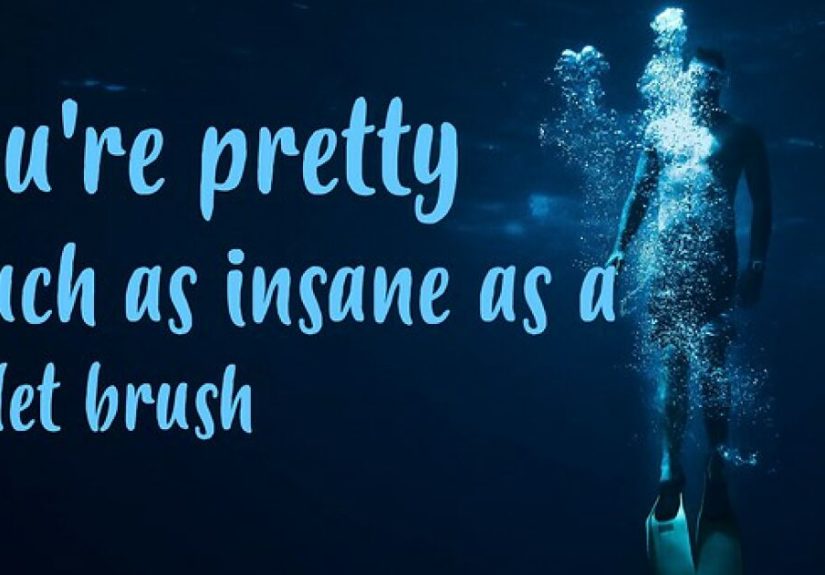
The title “I Started Messing Around With Inspirobot (14 Pics)” perfectly captures the experience. You do not really “use” InspiroBot in the traditional sense. You poke it. You press generate. You stare at the result. You laugh, squint, question your choices, and press generate again because apparently your brain has decided this is now important research. The site creates inspirational-style image macros: dramatic backgrounds, bold text, and statements that seem like they escaped from a self-help book after eating too many fortune cookies.
What makes InspiroBot so funny is not just that it produces nonsense. Plenty of internet nonsense exists, and most of it arrives in group chats at 2:14 a.m. InspiroBot is funny because it understands the costume of inspiration. It uses the visual grammar of motivational posters: misty mountains, thoughtful silhouettes, glowing horizons, serious fonts, and that vague sense that someone is about to tell you to “believe in your dreams.” Then it ruins the moment with a quote that sounds profound for half a second before collapsing into beautiful chaos.
What Is InspiroBot?
InspiroBot is an AI-powered generator designed to create unique inspirational quotes paired with images. Its own joke is part of the charm: the bot presents itself as an artificial intelligence dedicated to generating endless inspirational quotes for the “enrichment” of human existence. That deadpan mission statement is doing a lot of comedic heavy lifting. It feels both like a startup pitch and a robot’s attempt to understand why humans tape sunset posters to office walls.
At its simplest, InspiroBot combines text and imagery in the style of classic inspirational image macros. A user clicks a button, and the tool generates a new poster. Sometimes the result is strangely poetic. Sometimes it is darkly funny. Sometimes it sounds like the motivational speaker got lost inside a haunted refrigerator. The unpredictability is the whole point.
Why People Keep Clicking Generate
The appeal of InspiroBot is built on surprise. Human brains like patterns, and InspiroBot offers just enough pattern to make us think we know what is coming. A peaceful landscape appears. A serious-looking sentence begins. Your brain prepares for wisdom. Then the quote swerves into absurdity, and the joke lands because the setup was so familiar.
That is also why posts like “I Started Messing Around With Inspirobot (14 Pics)” work so well. A single InspiroBot result can be funny, but a collection of 14 becomes a mini-gallery of algorithmic weirdness. You begin to notice the bot’s personality, even though that personality is really an illusion created by randomness, templates, and our very human desire to find meaning in everything. Yes, even in a quote that sounds like it was written by a blender with a philosophy minor.
The Comedy of Fake Wisdom
InspiroBot lives in the gap between wisdom and gibberish. The funniest results often sound almost right. They contain the rhythm of a quote, the seriousness of a life lesson, and the visual confidence of a poster sold in a mall bookstore circa 2007. But the meaning is crooked. It is close enough to familiar motivational language to be recognizable, yet strange enough to make you laugh.
This is parody at its best. Traditional inspirational quotes often rely on broad emotional language: courage, dreams, struggle, success, destiny, strength. InspiroBot borrows that vocabulary but strips away the human intention behind it. What remains is a machine-generated echo of encouragement. The result feels like a motivational poster from an alternate universe where the life coach is also a raccoon wearing a headset.
The “Almost Profound” Effect
Some InspiroBot quotes are funny because they almost make sense. You may read one and think, “Wait, is that accidentally deep?” This is where the experience gets interesting. Humans are meaning-making machines. We connect dots even when the dots are just pixels having a panic attack. Give us a moody background and a sentence with emotional nouns, and we will try to interpret it.
That “almost profound” effect is why InspiroBot can feel both hilarious and oddly reflective. It accidentally exposes how much presentation influences perception. Put a strange sentence over a picture of a sunset, and suddenly it feels like a lesson. Put the same sentence on a napkin next to a spilled soda, and it becomes evidence that someone needs sleep.
Breaking Down the 14 Pics Experience
A collection of 14 InspiroBot pictures usually works like a comedy set. Not every image needs to be the funniest thing ever made. The humor builds through repetition and variation. Each picture creates a new chance for the bot to accidentally invent a philosophy no one asked for. Below is the kind of journey a reader takes when scrolling through a batch like this.
1. The Picture That Looks Too Serious
The first image usually sets the tone. It may feature a dramatic landscape, a glowing sky, or a lonely figure staring into the distance. Before you even read the quote, it looks ready to change your life. Then the text arrives and immediately trips over its own shoelaces. That contrast is the hook.
2. The Quote That Sounds Like Advice From a Broken Oracle
Some InspiroBot lines sound like ancient wisdom translated through seven languages and then faxed to a toaster. They have structure. They have confidence. They have absolutely no intention of explaining themselves. The comedy comes from how firmly the poster insists on being taken seriously.
3. The Accidentally Relatable One
Every now and then, the bot produces something that feels weirdly accurate. It may not be conventionally wise, but it captures a mood: exhaustion, social awkwardness, ambition fatigue, or the feeling of opening your inbox on Monday morning. When nonsense becomes relatable, it becomes shareable.
4. The Darkly Funny One
InspiroBot is known for wandering into dark humor. The visual style remains calm and polished, which makes the oddness even stronger. A serene lake plus a menacing quote is not a life lesson; it is a nature documentary narrated by your intrusive thoughts.
5. The Corporate Meeting Poster From Another Dimension
Some results sound like they belong in a conference room where everyone is wearing name tags and no one knows why the meeting was scheduled. These are the quotes that feel like productivity advice after being chewed up by an algorithm. They are perfect for anyone who has ever heard the phrase “circle back” one too many times.
6. The One That Makes You Pause
Not all InspiroBot images are laugh-out-loud funny. Some are quietly strange. They sit in your brain for a moment, demanding interpretation. You may not find meaning, but the attempt is part of the fun. The bot did not create a philosophy; your brain created a rescue mission.
7. The Visual Mismatch
Sometimes the background image and the quote seem to be having two completely different conversations. A peaceful beach might carry a sentence about ambition, fear, or something inexplicably specific. This mismatch creates a visual punchline before you even finish reading.
8. The Unintentionally Poetic One
Every so often, InspiroBot produces a line that would not feel out of place in experimental poetry. It may be odd, but it has rhythm. It may be meaningless, but it has mood. This is when the bot stops being a joke for five seconds and becomes a tiny surrealist poet in a server rack.
9. The “Who Approved This?” Poster
Some images feel like they should have gone through a human review process, preferably one involving coffee and concern. The quote may be too weird, too intense, or too specific. Naturally, this makes it funnier. The lack of restraint is part of the appeal.
10. The One You Want to Send to a Friend
The best InspiroBot images are instantly shareable. You see one and immediately know who needs to receive it. Not because it will help them, of course, but because it will confuse them in exactly the right way. That is friendship in the digital age.
11. The Fake Self-Help Gem
These are the quotes that imitate self-help language so well that they almost pass as real. They mention growth, belief, purpose, or transformation, but something is off. It is like a wellness influencer got replaced by a fortune-cookie printer with a mild grudge.
12. The One That Feels Like a Warning
Some results are not inspirational so much as ominous. They feel like messages found inside a cursed gym locker. The image may still be beautiful, but the text has wandered into “please unplug this device” territory.
13. The Meme-Ready Masterpiece
A few InspiroBot posters have the perfect balance of short text, strong contrast, and absurd meaning. These are the ones that travel well on social media. They do not require a long explanation. They simply appear, confuse everyone, and collect laughs.
14. The Final Image That Makes You Keep Going
By the fourteenth picture, a normal person might stop. Unfortunately, InspiroBot has already changed the chemistry of your curiosity. You think, “Just one more.” This is how the rabbit hole wins. The last image is rarely the end. It is a doorway with a generate button.
Why InspiroBot Works So Well in Meme Culture
Memes spread because they are easy to recognize, easy to remix, and easy to share. InspiroBot fits perfectly into that ecosystem. Each generated poster is a self-contained joke: image, text, mood, punchline. You do not need a long backstory to understand it. The format does most of the work.
The site also benefits from the internet’s love of accidental comedy. People enjoy moments when technology behaves in ways that feel strangely human, deeply wrong, or both. InspiroBot’s quotes are not funny because the machine “understands” humor in the way a comedian does. They are funny because the machine imitates a serious format and produces results that humans interpret through culture, irony, and timing.
AI Humor Feels Different From Human Humor
Human comedy usually depends on intention. A comedian understands context, audience, rhythm, and taboo. AI-generated humor often works differently. It can produce surprising combinations, but the audience supplies much of the interpretation. In InspiroBot’s case, the comedy is collaborative: the bot creates the weird object, and the reader completes the joke.
This is why InspiroBot has aged surprisingly well. Even as more advanced generative AI tools produce polished images, essays, songs, and videos, InspiroBot remains charming because it is simple. It does not try to be perfect. It is a chaos button wearing a motivational blazer.
InspiroBot and the Rise of AI-Generated Content
Today, AI-generated content is everywhere: writing tools, image generators, chatbots, recommendation systems, workplace assistants, and creative software. Many people now interact with AI without always noticing it. In that larger landscape, InspiroBot feels like an early, playful reminder that machine-generated creativity does not have to be sleek or serious to be fascinating.
Modern generative AI can produce content that looks impressively human. That has sparked excitement, concern, and plenty of debate about creativity, originality, and authenticity. InspiroBot sits on the lighter side of that conversation. It is not trying to replace artists, writers, or philosophers. It is trying to produce inspirational posters so strange that your coffee nearly comes out of your nose.
The Human Role Is Still the Secret Ingredient
The most important part of an InspiroBot post is not only the AI output. It is the human curation. Someone clicks through many results, chooses the funniest 14, arranges them, titles the post, and shares it with an audience. That selection process matters. Without it, the internet would just be an endless pile of generated images. With it, the collection becomes a curated comedy experience.
That is also a useful lesson for anyone working with AI tools. The machine can generate options, but humans still decide what is funny, useful, tasteful, surprising, or worth publishing. InspiroBot may produce the raw material, but the person sharing “14 pics” creates the story.
Why the “14 Pics” Format Is Perfect
Fourteen pictures is enough to feel substantial without becoming a scroll marathon. It gives readers a quick hit of variety and allows the humor to build. One image might be weird. Fourteen images establish a pattern: InspiroBot is not having a strange moment; InspiroBot is the strange moment.
The list format also makes the content easy to skim. Readers can bounce from image to image, laugh at their favorites, and share the standout ones. This matters for SEO and user experience because visual list posts tend to keep people engaged. A funny title gets the click, but the pacing keeps readers on the page.
Why Readers Love AI Fails and AI Weirdness
There is a special pleasure in watching technology behave unpredictably. AI is often discussed in grand terms: productivity, automation, innovation, disruption. InspiroBot brings it back down to earth. It reminds us that sometimes the most entertaining use of artificial intelligence is making a poster that looks like it wants to motivate you but instead makes you question chairs, clouds, and the concept of breakfast.
Experience: What Happened When I Started Messing Around With InspiroBot
My first mistake was thinking I would only generate a couple of images. That is how every internet rabbit hole begins. “I’ll just look for a minute,” says the person who is about to lose an entire lunch break to a robot that writes motivational nonsense over stock-photo mountains.
The first few results were funny in a simple way. They looked official, polished, and oddly confident. The backgrounds were the kind of images you might see behind a quote about leadership or resilience: sunsets, nature scenes, dramatic skies, and people staring into the distance as if they had just remembered they left soup on the stove. Then the words appeared, and the whole mood collapsed into absurdity.
What surprised me was how quickly I started ranking them in my head. Some were not funny enough. Some were too random. Some were strange but did not have that perfect click of visual seriousness and verbal chaos. I began curating like a tiny museum director of nonsense. “No, this one lacks emotional damage. This one has potential. This one belongs in a haunted dentist’s office.”
After a while, I noticed that the best InspiroBot images had a few things in common. They were short enough to understand quickly. They used strong emotional words. They paired badly, wonderfully, or mysteriously with the background image. Most importantly, they gave my brain just enough room to invent a meaning. A completely meaningless quote can be boring. But a quote that is 23 percent meaningful and 77 percent toaster prophecy? That is gold.
The funniest part was how personal some of the images started to feel. I knew they were randomly generated, but I still caught myself reacting as if the bot had opinions about my life. One poster felt like it was judging my productivity. Another seemed to encourage a decision no responsible adult should encourage. A third had the emotional energy of a fortune cookie found in a parking lot. None of this was real advice, obviously, but it was strangely entertaining to pretend the robot had become my unlicensed life coach.
Sharing the results made the experience even better. InspiroBot images are perfect friend-bait. You send one with no context and wait. The replies usually arrive in stages: confusion, laughter, interpretation, and then a request for more. This is how the machine wins. It does not need to understand comedy. It only needs to create something weird enough that humans gather around it and do the comedy ourselves.
By the time I had enough images for a “14 pics” collection, I understood the appeal completely. InspiroBot is not just a generator; it is a tiny absurdity engine. It turns the familiar language of self-improvement into surreal internet theater. It takes the visual style of inspiration and fills it with phrases that sound like they were assembled by a motivational speaker trapped inside a vending machine.
The experience also made me think about why we enjoy AI weirdness so much. Part of it is novelty, but part of it is relief. So much online content tries aggressively to be useful, optimized, persuasive, or personal. InspiroBot is none of those things in any practical sense. It is useless in the most delightful way. It does not ask for your goals. It does not track your habits. It does not promise to transform your morning routine. It simply generates a bizarre poster, waits for you to laugh, and lets you click again.
In a web crowded with polished content, that kind of nonsense feels refreshing. It is not trying to sell enlightenment. It is parodying the package enlightenment often comes in. And somehow, by being ridiculous, it becomes memorable. I did not leave InspiroBot with a new philosophy, but I did leave with a stronger appreciation for the strange partnership between humans and machines. The bot creates the spark. We bring the laughter, the context, and the screenshot folder we pretend we are going to clean out someday.
Conclusion
“I Started Messing Around With Inspirobot (14 Pics)” is more than a funny collection of AI-generated posters. It is a snapshot of why internet humor works: surprise, contrast, repetition, and the joy of finding meaning where none was probably intended. InspiroBot takes the polished look of inspirational content and fills it with surreal, unsettling, and occasionally brilliant nonsense. The result is a perfect blend of AI weirdness and human interpretation.
Whether you see it as parody, meme material, accidental poetry, or a robot trying its best after reading three self-help books backward, InspiroBot remains one of the internet’s most charming little chaos machines. It reminds us that creativity does not always arrive wearing a serious face. Sometimes it shows up as a dramatic poster with a sentence that makes absolutely no senseand somehow, that is exactly what we needed.