Table of Contents >> Show >> Hide
- Why “Igneous” Works as a Design Story
- How to Choose the Right Granite Wallpaper
- Designing with Granite Wallpaper by Room
- Installation Playbook for Clean, Pro-Level Results
- Maintenance, Cleaning, and Longevity
- Top Mistakes to Avoid
- Conclusion
- Experience Section (Approx. ): What Real Projects Taught Me About Granite Wallpaper
Granite has always had main-character energy. It’s dramatic, timeless, and just a little bit bossyin the best possible way. Now that stone-inspired wallcoverings are better printed, better textured, and easier to install than older generations, “igneous wallpaper” is becoming a smart way to get the look of granite without hiring a demolition crew or selling a kidney to pay for slab work. If you want walls that feel grounded, architectural, and quietly luxurious, granite wallpaper can do that while still being renter-friendly in some formats.
This guide breaks down how to choose, style, install, and maintain granite-look wallpaper so your room ends up looking intentional, not like a geology classroom exploded. We’ll cover substrate choices (peel-and-stick, non-woven, and commercial-grade vinyl), design moves that make granite patterns feel expensive, common mistakes that ruin good installs, and practical maintenance tips for long-term results. You’ll also get a 500-word experience section from real-world project scenarios, plus SEO-ready metadata in JSON format at the end, ready for publishing.
Why “Igneous” Works as a Design Story
Granite’s visual DNA is naturally high-end
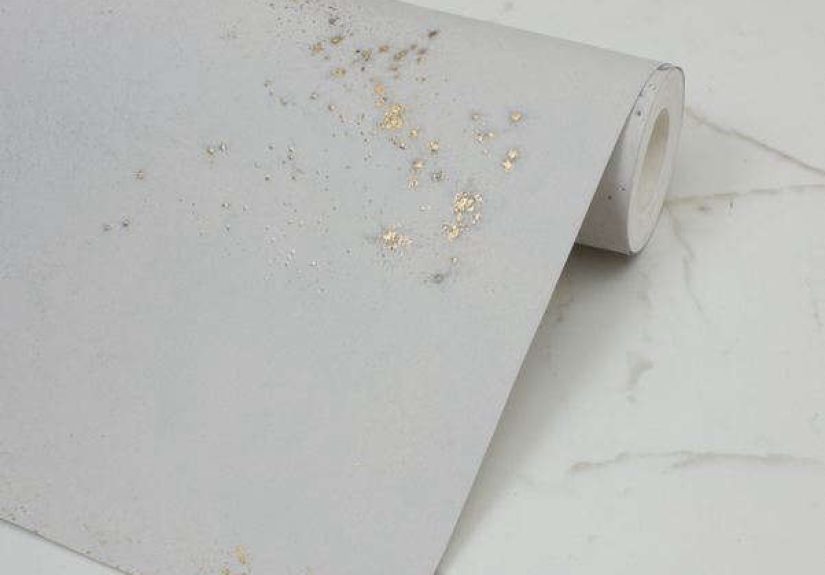
Granite is an intrusive igneous rock formed when molten material cools slowly underground, which is why it develops visible crystalline texture and complex movement. In design terms, that translates into a layered look your eyes read as “real,” not flat. Good granite wallpaper mimics this mineral depth with veining, speckling, mica-like shimmer, and tonal variation, creating walls that feel tactile even when they’re technically smooth.
Geological patterns are back for a reason
Stone and mineral motifs keep reappearing in interiors because they strike the sweet spot between organic and architectural. A granite motif can anchor a modern room, add edge to a traditional layout, or warm up minimalist spaces that feel too polite. If florals are a friendly conversation starter, granite is the interesting person at dinner who also knows where the best espresso is.
It can be more practical than hard finishes
In many applications, wallpaper is easier and less expensive to install than tile or slab stone, especially when you want visual impact without structural work. That makes granite-pattern wallpaper ideal for accent walls, powder rooms, bedrooms, dining rooms, and even selected bath zones when the material is appropriate and moisture is controlled.
How to Choose the Right Granite Wallpaper
1) Pick the right substrate for your room
Peel-and-stick: Great for renters, trend testing, and lower-commitment spaces. Best on smooth, well-prepped walls. Choose premium products with strong print definition and stable adhesive so seams don’t betray you at 2 a.m.
Non-woven (paste-the-wall/paste-the-paper): Popular for durability and cleaner install behavior. A strong option if you want a more permanent, higher-end look.
Vinyl or Type II vinyl: Better for high-traffic or scrub-prone zones. If you want hospitality-grade toughness, this category is your friend.
2) Match scale to room size and ceiling height
Granite prints come in everything from tiny peppered texture to bold slab-like veining. In small rooms, medium or finely layered patterns usually feel sophisticated and less chaotic. In larger rooms, bigger movement can look cinematic. If your room has low ceilings, avoid ultra-horizontal pattern flow unless your goal is intentionally “cozy cave.”
3) Choose undertones with the same seriousness as paint
Granite looks “gray” until it doesn’t. Many patterns lean warm taupe, cool blue-gray, olive, or charcoal-brown. Compare your wallpaper sample to flooring, cabinetry, trim, and metal finishes in daylight and evening light. A mismatch here can make expensive material look accidental.
4) Decide if you want matte, satin, or textured sheen
Matte finishes read modern and soften busy patterns. Slight sheen can mimic polished stone and bounce more light. Textured embossing can add depth but may require more careful seam alignment. If you’re building a calm space, matte wins. If you want glam drama, a subtle shimmer channeling mica can look incredible.
5) Order enough rolls from one dye lot
Granite prints are pattern-heavy, which means more trimming and more waste. Always round up, especially for drop matches and feature walls with doors/windows. Also confirm run/dye lot consistency so color shifts don’t show up like uninvited guests halfway through installation.
Designing with Granite Wallpaper by Room
Living room: statement without shouting
Use granite wallpaper on one main wall behind a sofa, then keep surrounding walls in a quieter mineral paint color. Pair with boucle, linen, matte black metal, and walnut wood for a grounded upscale look. Add one oversized art piecenot twelve small ones fighting for attention.
Bedroom: boutique hotel energy
Place granite wallpaper behind the headboard wall, then pull bedding tones from the pattern (charcoal, sand, silver, warm gray). Keep nightstands simple and lighting warm. If your wallpaper has heavy movement, choose low-contrast textiles so the room feels restful, not jittery.
Dining room: texture meets candlelight
Granite motifs shine under layered lighting. A dimmable chandelier plus sconces can make the wall pattern look dynamic at night. If you entertain often, this is one of the best places to “go bold” because people experience the room in shorter, high-impact bursts.
Powder room: maximum style, minimum square footage
Powder rooms are the perfect risk-friendly zone. You can choose darker granite prints, high contrast, or dramatic metallic flecks and still keep it elegant. Just ensure the substrate is appropriate for occasional humidity and that ventilation is adequate.
Entryway: first impression control
Granite wallpaper in an entry creates instant architecture, especially in homes with plain builder-grade walls. Add a slim console, one mirror, and a sculptural lamp. Done right, your entry says, “Yes, I do have my life together,” even if there are three delivery boxes hidden behind the bench.
Installation Playbook for Clean, Pro-Level Results
Step 1: Prep like your finish depends on it (because it does)
Remove loose paint, fill dents, sand rough patches, and clean the wall thoroughly. New paint should cure before peel-and-stick application. If old wallpaper exists, remove it firstdo not paper over it unless you enjoy bubbles and regret.
Step 2: Prime the wall
A proper wallcovering primer improves adhesion, creates a more uniform surface, and helps future removal. On porous or tricky substrates, choose the primer type recommended by the wallpaper manufacturer and primer label.
Step 3: Create a plumb guide
Never trust corners to be straight. Mark a true vertical line with a level and start your first strip there. This single step prevents the “everything slowly tilts into chaos” problem by strip four.
Step 4: Cut accurately and account for pattern repeat
Measure wall height, add top/bottom trimming allowance, and pre-plan seams so the granite movement looks intentional. For patterned paper, expect extra waste. Dry-lay strips on a clean surface before final hanging when possible.
Step 5: Apply with patience
For pasted papers, follow soak/booking instructions exactly and allow recommended rest time before hanging. For peel-and-stick, peel backing gradually (small sections at a time), smooth from center outward, and work top down. Use a smoothing tool, clean sponge, sharp blade, and straightedge for precise trims.
Step 6: Finish and inspect immediately
Wipe paste residue before it dries, check seam edges, and inspect under the room’s actual lighting. Tiny issues are easy to fix now and annoying to fix later.
Maintenance, Cleaning, and Longevity
Wallpaper care basics
Always follow the manufacturer’s cleanability rating first. In general, use a soft cloth or lightly damp sponge for routine dust and smudges. Avoid aggressive abrasives on decorative finishes unless the product is explicitly scrub-rated.
Humidity control matters more than people think
Moisture is the quiet villain of many wallpaper failures. Keep airflow moving in bathrooms and kitchens, vent humidity, and repair leaks quickly. If a space is regularly steamy, choose a substrate rated for that environment or use paint in the highest-moisture zone.
If pairing with real granite surfaces, clean correctly
For actual granite counters or vanities next to your wallpaper, use mild soap or neutral stone cleaner, rinse, and dry. Avoid acidic cleaners like vinegar or lemon-based products on natural stone. If needed, seal real stone according to product guidance and condition.
Top Mistakes to Avoid
- Skipping primer: The fastest route to adhesion drama.
- Starting from a crooked corner: Straight seams begin with a plumb line, not optimism.
- Under-ordering rolls: Pattern matching and dye-lot changes can sabotage consistency.
- Using removable wallpaper in the wrong wet zone: Not all spaces are peel-and-stick-friendly.
- Ignoring lighting: Granite patterns can shift from elegant to muddy depending on bulb temperature.
- Overdecorating the wall: Let the stone pattern breathe; it’s already doing a lot.
Conclusion
“Igneous Wallpaper – Granite” is more than a trend phraseit’s a useful design approach for creating depth, structure, and personality without full-scale renovation. The best results happen when you combine the right substrate, clean prep, accurate layout, and realistic expectations for the room’s moisture and traffic. If you keep the surrounding décor intentional and let the wallcovering be the lead performer, granite wallpaper can look custom, expensive, and surprisingly timeless.
In short: choose smart, install carefully, ventilate well, and don’t fight the pattern. Your walls will thank youand so will every guest who walks in and says, “Wait… is that real stone?”
Experience Section (Approx. ): What Real Projects Taught Me About Granite Wallpaper
My first granite wallpaper project was in a narrow entryway that had all the charisma of a hallway in a dentist’s office. Beige walls, flat light, and zero personality. We picked a mid-scale granite print in charcoal, mushroom, and silversomething that looked like polished stone from across the room and natural mineral movement up close. I expected a dramatic before/after, but I didn’t expect the room to feel physically wider. The pattern created depth where there wasn’t any, especially once we swapped a cool-white bulb for warm layered lighting. Lesson one: granite wallpaper is half pattern, half lighting strategy.
Project two was a renter bedroom with peel-and-stick material. The client wanted a “boutique hotel, not bachelor apartment” vibe. We installed one accent wall behind the bed and kept bedding tonal: clay, graphite, and off-white. The surprise wasn’t the styleit was the prep. We spent more time cleaning and lightly smoothing the wall than actually hanging the wallpaper, and it paid off. Seams disappeared, bubbles stayed minimal, and repositioning was possible without stretching the material. Lesson two: in removable wallpaper, prep is the difference between “this looks custom” and “this looks temporary.”
The third project was a powder room that taught me humility. We chose a gorgeous granite-like print with subtle shimmer and a dark ground color. It looked phenomenal on sample boards. On the wall? Too much movement, too little balance. The room felt visually noisy, like four songs playing at once. We fixed it by simplifying everything else: one mirror, one metal finish, one piece of art, and no patterned towels. Instantly better. Lesson three: if the wall has major personality, the accessories should not audition for lead role.
Then came the “I learned this so you don’t have to” moment: an install where the first strip started from a corner rather than a plumb line because someone (me) thought the corner looked straight. It was not straight. By strip three, the pattern drifted enough to notice; by strip five, it was a full optical argument. We pulled back, reset with a true vertical guide, and re-hung. Painful? Yes. Valuable? Also yes. Lesson four: corners lie. Levels tell the truth.
I’ve also seen where granite wallpaper fails: damp, unventilated rooms using the wrong substrate, leftover paste not cleaned quickly, and under-ordered rolls that forced later purchases from different run numbers. Those mistakes are avoidable. Now I always build a checklist: verify substrate suitability, prime, plan seam locations, order extra from one dye lot, test lighting, and photograph the wall in daytime and evening before final styling.
The most satisfying part of granite wallpaper projects is that they age well when done right. Unlike novelty prints that peak quickly, stone-inspired patterns can stay relevant as furniture and art evolve. You can go modern now, softer later, and the wall still works. My current favorite pairing is granite wallpaper with warm wood, brushed metal, and one oversized textile elementsomething like a chunky throw or a woven bench cushionto keep the room from feeling too “hard finish.” It’s the sweet spot: architectural but livable, bold but calm, and stylish without trying too hard.