Table of Contents >> Show >> Hide
- Why Use IKEA SEKTION for a TV Console?
- Plan First: The 5 Decisions That Make (or Break) the Hack
- A Practical IKEA SEKTION TV Console Shopping List
- Step-by-Step: How to Build a SEKTION TV Console That Looks Custom
- Step 1: Measure your wall and mark the “no regrets” lines
- Step 2: Pick a cabinet layout (with real-world examples)
- Step 3: Assemble the cabinet framessquare matters
- Step 4: Connect cabinets into one solid unit
- Step 5: Level it like you mean it
- Step 6: Mounting options (choose your adventure)
- Step 7: Add the top (this is where it starts looking expensive)
- Step 8: Finish the sides and face
- Step 9: Install doors/drawers and dial in alignment
- Step 10: Cable management + ventilation (the “don’t melt your gear” section)
- Design Ideas That Make a SEKTION TV Console Look Intentional
- Budget Reality Check
- Common Mistakes (and How to Avoid Them)
- Conclusion: A TV Console That Fits Your Life (Not Just Your TV)
- Experiences & Lessons DIYers Commonly Share After Building a SEKTION TV Console
If you’ve ever shopped for a TV console and thought, “Why are the cute ones either flimsy, tiny, or priced like they come with a free yacht?”
welcome to the IKEA SEKTION hack. SEKTION is IKEA’s kitchen cabinet system, which means it’s built to survive real life:
heavy stuff, daily use, and the occasional door-slam from someone who just lost to the final boss.
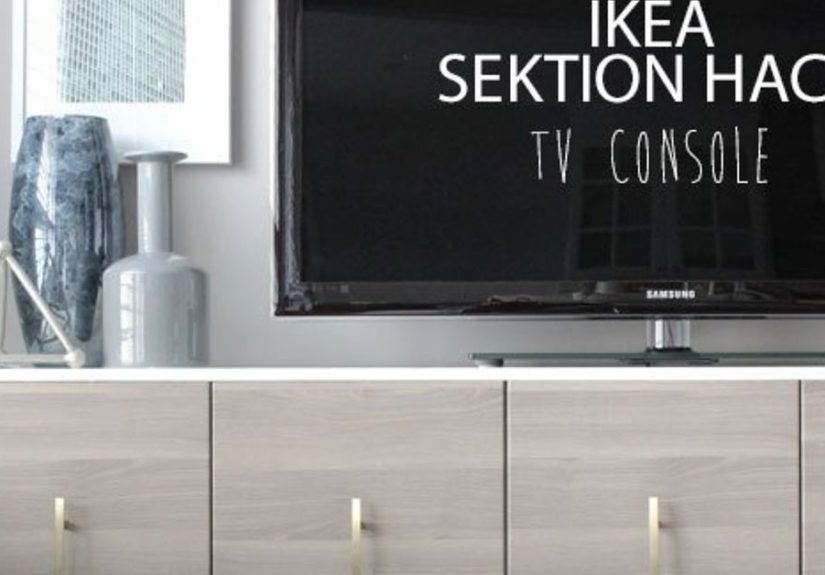
A SEKTION TV console hack is basically a glow-up: you take kitchen-grade cabinet boxes, configure them like a custom media unit,
then add doors/drawers, a finished top, and trim so it looks like a built-inor a designer piece you “found” (and definitely didn’t assemble on your living room floor).
Why Use IKEA SEKTION for a TV Console?
It’s sturdier than a typical “TV stand”
SEKTION cabinet frames are designed to hold kitchen loads, so they’re more rigid than many lightweight entertainment centers.
Translation: you can store consoles, board games, speakers, and a suspicious number of HDMI cables without the unit wobbling like a baby deer.
You get true modular freedom
SEKTION comes in multiple widths and heights, plus you can mix doors, drawers, and shelves. Want symmetrical cabinets on the sides with drawers in the middle?
Easy. Want a long, low media console that spans an entire wall? Also doablejust plan your cabinet layout like LEGO for grown-ups.
Depth options let you choose “sleek” or “serious storage”
SEKTION base cabinets are in the 24-inch system depth range (deep enough to swallow large items), while many wall cabinets are about 15 inches deepoften a better fit for media consoles.
That means you can build a unit that doesn’t stick out like a kitchen counter in your living room.
Plan First: The 5 Decisions That Make (or Break) the Hack
1) Floating vs. floor-standing
- Floating (wall-mounted): Clean, modern, easy to vacuum under, and makes the room feel bigger. Requires solid anchoring and careful leveling.
- Floor-standing: More forgiving, especially on uneven walls. You can add legs or a toe-kick-style base for a built-in look.
2) Depth: 15 inches is usually the “TV console sweet spot”
Most living rooms look best with a console that’s not too deep. A 15-inch-deep cabinet can hold streaming devices, game consoles, remotes, and accessories while keeping the profile sleek.
If you’re housing an AV receiver or bulky components, you may need deeper cabinets or smart ventilation planning.
3) What’s going inside? (Be honest.)
Write down your components and their dimensions: console(s), receiver, center speaker, modem/router, etc.
If you’ve got an AV receiver, you also need to plan for airflow. Electronics don’t just “run warm”they can overheat, throttle performance, or shorten lifespan.
4) Cable management that doesn’t look like a spaghetti documentary
Decide where power will live. Many people cut access holes in the cabinet back or use grommets, then route everything to a surge protector.
If your TV is wall-mounted, plan a clean path for power and HDMIideally through an in-wall rated kit or a surface raceway, depending on your setup and comfort level.
5) The finished look: “furniture” vs. “built-in”
- Furniture style: Add legs, wrap the cabinet in wood panels, and top it with a thick surface (wood, butcher block, or MDF with paint).
- Built-in style: Add a base, scribe trim to the wall, and extend panels to the floor for that seamless, custom look.
A Practical IKEA SEKTION TV Console Shopping List
Your exact list depends on your design, but here’s the common “greatest hits” cart:
- SEKTION cabinet frames: Many DIYers use wall cabinets for a lower-profile media console depth.
- Doors/drawer fronts: Choose IKEA fronts or go custom for a high-end look.
- Hinges and drawer hardware: Match what your doors/drawers require.
- Cover panels: For finished sides and a furniture-grade appearance.
- Suspension rail (optional but common): Especially for wall-mounting or aligning cabinets.
- Top surface: Plywood, hardwood panels, butcher block, or MDF (painted/finished).
- Trim/filler strips: To close gaps, frame the unit, and make it look custom.
- Cable grommets + ventilation grilles/fans: Because electronics need to breathe.
- Fasteners: Quality screws, washers, and anchors appropriate for your wall type.
- Shims + level: The unsung heroes of “why does this door look crooked?”
Step-by-Step: How to Build a SEKTION TV Console That Looks Custom
Step 1: Measure your wall and mark the “no regrets” lines
Mark your console’s total width and height on the wall with painter’s tape. This helps you visually confirm proportions before you buy everything.
Also mark stud locationsyour future self will thank you when it’s time to mount or anti-tip the unit.
Step 2: Pick a cabinet layout (with real-world examples)
Example A (simple + sleek): Two 30-inch-wide cabinets side-by-side = a clean 60-inch console.
Example B (long wall moment): Three cabinets (e.g., 24 + 30 + 24 inches) = a 78-inch run with balanced storage.
Example C (storage beast): Mix drawers in the center for controllers and accessories, doors on the sides for bulkier items.
Step 3: Assemble the cabinet framessquare matters
Follow IKEA’s instructions and keep everything square. If the boxes rack even slightly, doors won’t align and drawers can bind.
Use a carpenter’s square and measure diagonals. This is the difference between “custom built-in” and “my cabinet is describing modern art.”
Step 4: Connect cabinets into one solid unit
Clamp the cabinet frames flush, pre-drill carefully, and screw them together through the side panels (in the recommended locations).
This creates a single, stable console rather than a row of independent boxes that shift over time.
Step 5: Level it like you mean it
Floors and walls are rarely perfect. Use shims to level the base or align the floating run.
If you’re wall-mounting, your rail/cleat line must be dead level, or every cabinet will follow the mistake like loyal ducklings.
Step 6: Mounting options (choose your adventure)
-
Option 1: Floating console with a rail system
Use a properly installed rail/cleat secured into studs where possible, then hang/secure cabinets per hardware instructions.
The goal is load-bearing attachment, not “hope and drywall anchors.” -
Option 2: Floor-standing with anti-tip security
Even when sitting on the floor, it’s smart to secure the unit to studs for safetyespecially with kids, pets, or enthusiastic cleaning.
Step 7: Add the top (this is where it starts looking expensive)
A thicker top instantly upgrades the look. Common approaches:
- Plywood + edge banding: Budget-friendly and strong; finish with stain or paint.
- Hardwood wrap/top: Warm, furniture-like, and very forgiving visually.
- MDF top (painted): Smooth and modernjust seal it well and avoid water exposure.
Step 8: Finish the sides and face
Cover panels and trim create the “built-in” illusion. If you’re going furniture-style, wrap the console in wood slats or panels for a mid-century or modern look.
If you want built-in, add a base and scribe trim to the wall so gaps disappear.
Step 9: Install doors/drawers and dial in alignment
Take your time here. Tiny hinge adjustments make a big difference. Start with doors, then drawers, then hardware.
A simple jig for drilling handles/pulls helps everything line up like a professional job.
Step 10: Cable management + ventilation (the “don’t melt your gear” section)
Plan airflow, especially for receivers and gaming systems. Cut cable pass-through holes neatly and add grommets.
For warmer components, consider vent grilles or quiet cabinet fans to move hot air out and pull cool air in.
If you’re placing an AV receiver inside the console, follow the manufacturer’s clearance recommendations whenever possible.
When in doubt, give it extra breathing room and add active cooling.
Design Ideas That Make a SEKTION TV Console Look Intentional
The “gallery wall anchor”
Keep the console long and low, paint it the same color as the wall, and let art or a statement TV mount be the star.
Bonus points for hidden cable routes and minimal hardware.
The “mid-century remix”
Add tapered legs and a warm wood wrap. Choose simple slab fronts and understated pulls.
This is the hack that makes guests say, “Where did you buy that?” and you get to smile mysteriously.
The “built-in media wall” starter kit
Start with a SEKTION base console, then later add tall cabinets or shelves around the TV.
It’s easier to phase the project (and your budget) without sacrificing the final impact.
Budget Reality Check
A SEKTION TV console hack can be surprisingly affordable compared to custom cabinetryespecially if you use standard fronts.
Where people usually spend more: custom doors, hardwood tops, integrated lighting, and specialty ventilation.
Common Mistakes (and How to Avoid Them)
- Choosing the wrong depth: Too deep can dominate the room; too shallow can cramp components.
- Skipping ventilation: Electronics need airflowespecially AV receivers and consoles.
- Under-anchoring: Wall-mounting requires secure fastening into studs/appropriate structure.
- Rushing alignment: Cabinet boxes must be level and square before doors/drawers go on.
- No plan for IR signals: If you use remotes, consider mesh fronts, IR repeaters, or keeping gear accessible.
Conclusion: A TV Console That Fits Your Life (Not Just Your TV)
The IKEA SEKTION hack works because it treats your living room storage like a real note in the symphony, not an afterthought.
With a smart cabinet layout, a finished top, clean cable routing, and solid ventilation, you can build a TV console that looks custom,
functions beautifully, and costs way less than designer furniturewithout looking like you took the “budget route.”
Experiences & Lessons DIYers Commonly Share After Building a SEKTION TV Console
Since this hack has been floating around the DIY world for years, a lot of homeowners and renters-turned-weekend-carpenters report similar “wish I knew that earlier” moments.
If you want your SEKTION media console to feel like a win (not a three-week argument with a level), these are the experiences people most often mention.
1) “The planning took longer than the buildingon purpose.”
A common theme is that the actual cabinet assembly feels straightforward, but the success lives in the planning details: outlet placement, stud locations, and device dimensions.
Many DIYers say they measured their largest component (often an AV receiver) and then realized they needed either more depth, more ventilation, or a different compartment layout.
The happiest builders tend to sketch a simple “cabinet map” showing which bay holds which device, where cords pass through, and where airflow will move.
It’s not overthinkingit’s how you avoid a console that looks perfect but can’t close its doors because the HDMI cable is doing yoga back there.
2) “Leveling was the make-or-break moment.”
People are often surprised by how much an unlevel floor affects door alignment. Even a small slope can cause doors to look uneven or swing slightly.
The fix is almost always the same: slow down, shim carefully, and keep checking level across the entire runnot just one cabinet.
DIYers who used a long level (or laser level) tend to report fewer issues than those who relied on “looks about right.”
The funny part? Lots of people say they became emotionally attached to their shims. You’ll understand when you find the one shim that makes everything suddenly perfect.
3) “Ventilation isn’t optional once you add serious gear.”
Builders who store only remotes and game controllers inside can get away with simple cable holes.
But those housing a receiver, gaming console, or network equipment frequently report heat buildupespecially behind closed doors.
The most positive experiences come from adding passive vents (top/rear openings) or quiet cabinet fans, and giving components breathing room.
DIYers also mention that airflow planning is easier if you decide early which compartment will run hottest, then design that section with extra clearance and venting.
In other words: design your console like it’s furniture, but treat your electronics like they’re tiny space heaters with a fan club.
4) “The ‘furniture finish’ details were worth the effort.”
Many people say the project didn’t truly look “custom” until they added a thicker top, side panels, and trim.
The cabinet boxes alone can look a bit too “kitchen” if left unfinishedespecially from the sides.
Once wrapped with panels or wood, the whole piece reads like intentional living-room furniture.
DIYers also report that hardware choice dramatically changes the vibe: matte black pulls feel modern, brass leans glam, and wood knobs can make it softer and more Scandinavian.
The big takeaway? The finishing touches aren’t fluffthey’re the part that convinces guests you bought something fancy.
5) “I’d do it again… but I’d respect the wall more.”
For floating versions, a common lesson is that walls aren’t always perfectly straight or perfectly strong in every spot.
DIYers who found studs, used appropriate fasteners, and checked for plumb tended to feel confident long-term.
Those who assumed the wall would “figure it out” often ended up revisiting anchors, adding support, or tweaking alignment after the fact.
The recurring advice: if your wall is questionable, consider adding a sturdy ledger/cleat approach, or choose a floor-standing console with anti-tip anchoring.
You can still get the clean lookjust with less stress and fewer late-night “is that sagging?” thoughts.
Bottom line: most people love the SEKTION TV console hack because it’s customizable, durable, and upgradeable. The best experiences come from treating it like a real build:
measure twice, plan airflow, level patiently, and finish like you mean it. Do that, and you’ll end up with a console that looks high-end, works hard, and doesn’t flinch when life happens.