Table of Contents >> Show >> Hide
- The Short Answer: Yes, but It Is Usually a Bad Idea
- Why Painting in the Dark Causes Problems
- When It Is Possible to Paint in the Dark
- How to Paint at Night Without Regretting It in the Morning
- Common Mistakes People Make When Painting in the Dark
- Best and Worst Situations for Painting in Low Light
- So, Is It Possible To Paint In The Dark?
- Experiences Related to “Is It Possible To Paint In The Dark?”
- Conclusion
Yes, it is possible to paint in the dark. It is also possible to cut your own bangs with kitchen scissors, assemble furniture without reading the directions, and tell yourself that one tiny sample swatch is definitely enough to choose a wall color. The question is not whether you can paint in the dark. The real question is whether you should.
If you are talking about house painting, the short answer is this: you can physically apply paint in low light, but it is rarely the smartest way to get a clean, even, professional-looking finish. Dim conditions make it harder to judge coverage, spot roller marks, catch drips, and see how the color truly looks on the wall. In other words, the paint may go on, but your confidence may not.
This matters whether you are refreshing a bedroom, repainting a hallway, covering a dark accent wall, or trying to finish a project after sunset because your weekend disappeared faster than a donut in the office break room. Lighting affects both the application of paint and the appearance of paint. That is the double whammy.
The Short Answer: Yes, but It Is Usually a Bad Idea
For most interior painting projects, working in the dark or in poor lighting is not ideal. You might get the paint on the wall, but you may not notice thin spots, missed edges, lap marks, or uneven sheen until daylight hits the room and suddenly your “fresh makeover” looks like it was completed during a power outage. Because, well, it basically was.
There are a few exceptions. If you have strong artificial lighting positioned correctly, you can paint at night and still get a solid result. If you are working on a first coat, a utility room, or an area where perfection is not the goal, low-light painting may be manageable. But if you care about smooth coverage, accurate color, and a polished finish, good lighting is not a luxury. It is part of the job.
Why Painting in the Dark Causes Problems
1. You Cannot See Coverage Properly
The biggest problem with painting in the dark is simple: you cannot clearly see what you are doing. Paint may look evenly spread under one overhead bulb, but in daylight you may discover holidays, patchy areas, streaks, or places where the old color still peeks through like an uninvited guest. Low light hides flaws while you work, then reveals them with dramatic flair later.
This is especially true when painting large flat walls, ceilings, and trim. Broad surfaces need even coverage, and that is hard to judge when shadows are doing half the decorating. A wall can look finished at 9:00 p.m. and wildly inconsistent at 9:00 a.m. Morning light has a way of exposing DIY optimism.
2. Paint Color Looks Different Under Different Light
Here is where things get sneaky. Paint color is not a fixed experience. The exact same color can look softer, warmer, cooler, brighter, or gloomier depending on the kind of light in the room. Natural daylight tends to show a truer version of color. Warm artificial light can pull out yellow or red undertones. Cooler light can make a color feel sharper, flatter, or more blue than expected.
That means if you paint only at night, you are making decisions under lighting conditions that may not represent how the room looks most of the time. A greige that seemed sophisticated after dark may feel muddy in the morning. A soft white that looked cozy under warm lamps may read stark or dingy in daylight. Paint does not lie, but lighting absolutely gossips.
3. Sheen and Texture Become Harder to Judge
Finish matters as much as color. Matte, eggshell, satin, semi-gloss, and high-gloss all reflect light differently. The more reflective the finish, the more likely it is to reveal surface flaws, brush marks, and uneven texture. In dim conditions, those imperfections are harder to catch while the paint is still wet enough to fix.
This is one reason cabinets, trim, doors, and bathrooms can be especially frustrating to paint in the dark. These areas often use finishes with more sheen, and sheen is basically paint’s way of saying, “I would love some extra attention, thanks.” If your lighting is poor, you may not notice a problem until the coat dries.
4. Low Light Makes Technique Harder
Good painting is not just about color selection. It is also about technique. To avoid lap marks, painters try to maintain a wet edge, meaning each new pass overlaps the previous one before it dries. In low light, it becomes harder to track where your last stroke ended and where the fresh paint begins. That is when roller lines, overlaps, and uneven blending start to appear.
Edges and corners also become trickier at night. Cutting in around trim, ceilings, and outlets requires precision. If the room is dim, you are more likely to miss small sections or wobble your brush line. That may be acceptable in a garage. It is less charming in a living room.
5. Exterior Painting Gets Riskier After Sunset
If you are talking about painting outside, darkness adds another layer of trouble. Evening brings dropping temperatures, rising humidity, and in some climates, dew. Those conditions can affect adhesion, drying, and final appearance. Even if the air felt cooperative in late afternoon, the overnight shift can create streaking, poor curing, or finish problems.
That is why exterior painting is usually better planned around weather, temperature range, surface dryness, and daylight, not just your energy level after dinner. “I still have half a gallon left” is not a weather strategy.
When It Is Possible to Paint in the Dark
With Strong Artificial Lighting
If you set up bright, well-placed artificial lights, you can absolutely paint after sunset. The key is not just adding one sad overhead bulb and hoping for the best. You need enough light to illuminate the wall evenly and from multiple angles. Portable work lights, bright lamps, and side lighting can help you spot texture, streaks, and missed areas more effectively.
At that point, though, you are not really painting in the dark. You are creating a fake daytime setup, which is exactly the goal. The better your lighting setup, the less risky nighttime painting becomes.
For Low-Stakes Areas
Painting in dim conditions is more forgiving in places like storage rooms, unfinished basements, utility closets, workshop walls, or other spaces where perfection is not the mission. If the room is functional and minor inconsistencies will not haunt your dreams, you can be more relaxed about it.
That said, even in less visible spaces, you still want enough light to work safely and avoid drips, spills, and missed corners. “No one will see it” should not turn into “no one can walk in there without noticing the blotches.”
For Creative or Artistic Effects
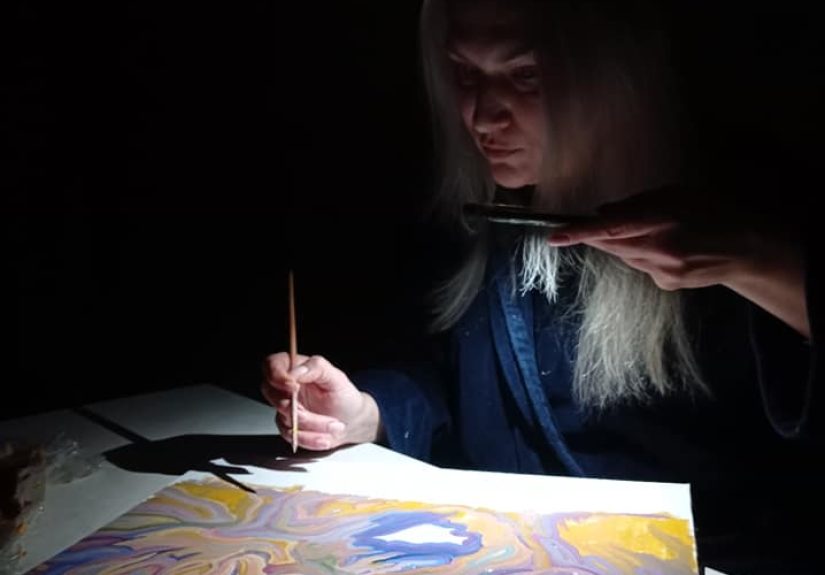
If the topic is fine art, stage design, glow-in-the-dark paint, blacklight murals, or atmospheric effects, then painting in darkness can be intentional and creative. Artists sometimes use low light on purpose to control mood, fluorescence, or dramatic contrast. But that is a completely different goal from getting smooth, even wall coverage in a bedroom renovation.
So yes, people can paint in the dark. They just are not usually trying to make their hallway look professionally finished by doing it.
How to Paint at Night Without Regretting It in the Morning
Use Multiple Light Sources
Do not rely on a single ceiling fixture. Use more than one light source, and place lights so they shine across the surface, not just down from above. Side lighting is especially useful because it helps reveal texture, drips, and uneven edges. If the wall looks smooth from one angle but messy from another, trust the messier angle. It is probably telling the truth.
Test Paint Samples in Day and Night Conditions
Before committing to a color, test sample paint on the wall and look at it during the day and at night. That gives you a more realistic sense of the undertones and mood of the shade. A color that performs well under both conditions is far less likely to surprise you later.
Keep the Room Ventilated
Ventilation matters whether you paint in daylight or darkness, but it becomes even more important when windows are closed up at night or when you are working for several hours indoors. Good airflow helps manage paint fumes and supports better indoor air quality. Use exhaust fans, open windows when conditions allow, and avoid turning the room into a sealed paint-scented cave.
Follow Temperature and Humidity Guidelines
Always check the paint can for the manufacturer’s recommended temperature range and drying guidance. Interior paints are not thrilled by extreme cold, extreme heat, or muggy conditions. Exterior projects are even more sensitive. The paint’s label is not being dramatic. It is trying to save you from a peeling, streaky future.
Save the Final Inspection for Daylight
Even if you paint at night, do your final quality check the next day in natural light. This is the easiest way to catch missed spots, touch up thin coverage, and confirm the color still looks right when the sun clocks in for its shift. Daylight is the most honest reviewer you will ever meet.
Common Mistakes People Make When Painting in the Dark
One common mistake is rushing because it feels late. Tired painters make tired decisions, and tired decisions often involve overloaded rollers, sloppy edges, and statements like, “That looks fine from here.” Another mistake is assuming bright overhead light is enough. It usually is not. Overhead lighting can flatten the wall visually and hide uneven application.
Another classic error is choosing a color at night and never reviewing it in daylight. That is how people accidentally end up with undertones they did not bargain for. Yet another mistake is skipping ventilation because it is dark, chilly, or inconvenient to open windows. Convenience is nice, but breathable air is nicer.
Best and Worst Situations for Painting in Low Light
Best Situations
Touch-ups in a small area, priming a utility space, painting a coat you plan to inspect later, or working under strong task lighting can all be reasonably manageable. These situations have lower visual stakes and allow more room for correction.
Worst Situations
Dark paint colors, glossy finishes, trim work, ceilings, cabinets, large open walls, and exterior projects near dusk are some of the worst candidates for painting in the dark. These jobs demand visibility, precision, and stable conditions. Darkness offers none of those for free.
So, Is It Possible To Paint In The Dark?
Yes. It is possible to paint in the dark. But for most home painting projects, it is not the best plan if you want smooth coverage, accurate color, and fewer frustrating touch-ups. Good painting depends on good visibility. Without enough light, you are not just painting a wall. You are gambling with finish quality.
If you must paint at night, set up strong artificial lighting, keep the room ventilated, follow the paint manufacturer’s drying and temperature guidance, and inspect the work again in daylight. If you have the flexibility to wait for better light, that is usually the smarter move. Your future self, the one standing in the room the next morning squinting at streaks, will be grateful.
Experiences Related to “Is It Possible To Paint In The Dark?”
A very common experience goes like this: someone starts a simple weekend painting project in the afternoon, gets interrupted by errands, snacks, life, or the mysterious disappearance of painter’s tape, and suddenly it is evening. The room has one overhead fixture, maybe a lamp in the corner, and a heroic level of optimism. The first few passes with the roller look decent. Confidence rises. Music goes on. A bold statement is made: “We can definitely finish tonight.”
Then morning arrives, and the wall looks completely different. What seemed rich and even at night now has faint lap marks. One section is slightly duller than the rest. A strip near the baseboard did not get enough coverage. The cut line at the ceiling has a tiny wobble that nobody noticed under warm lamplight. This is one of the most relatable painting experiences because it proves that darkness does not always ruin a project, but it does hide the evidence until sunrise.
Another experience happens when someone picks a color at night and falls in love with it under artificial lighting. The room feels cozy, dramatic, and expensive. The paint dries, the tools are cleaned, and everyone goes to bed proud. In the morning, daylight shows up like an uninvited design critic. Suddenly the color reads cooler, greener, grayer, or yellower than expected. The room no longer feels moody and elegant. It feels slightly confused. This is why many painters and decorators recommend testing color at different times of day before committing to the whole room.
There is also the classic “one light source” experience. A painter works with a bright ceiling fixture and assumes the room is well lit. Technically, it is bright enough to move around safely, but not bright enough to reveal surface flaws from different angles. When daylight or side lighting finally hits the wall, roller texture becomes visible and a few repaired patches stand out more than expected. This is not because the painter was careless. It is because paint surfaces reveal themselves differently depending on how light travels across them.
Exterior projects create a different kind of story. Someone tries to squeeze in “just one more section” of fence, trim, or siding before dark. The temperature drops, the air gets damper, and visibility gets worse by the minute. The paint may still go on, but the conditions are no longer steady. That last section often ends up being the one that needs to be revisited, either because of finish inconsistency or because the painter simply could not see clearly enough to maintain the same technique.
The most successful nighttime painting experiences usually have one thing in common: they are not actually dark. They involve bright work lights, multiple angles, decent airflow, and a willingness to inspect everything again the next day. In those cases, painting at night can work just fine. The lesson is simple. Darkness is not the magic. Preparation is.
Conclusion
Painting in the dark is possible, but it is rarely the best route to a beautiful finish. Low light makes it harder to judge coverage, color, sheen, and technique, while nighttime conditions can also complicate drying and comfort. If you are painting a home interior and want the best result, give yourself what paint needs most: visibility, ventilation, patience, and a final daylight check. Paint is forgiving in some ways, but lighting has an excellent memory.