Table of Contents >> Show >> Hide
- What Is Tree Fungus?
- Is Tree Fungus Dangerous to Humans?
- When Tree Fungus Is Usually Harmless
- When Tree Fungus Is a Warning Sign
- Can You Touch Tree Fungus?
- What About Pets and Children?
- How to Remove Tree Fungus Safely
- Can Tree Fungus Spread to Your House?
- How to Prevent Tree Fungus Problems
- Should You Use Fungicide on Tree Fungus?
- Real-Life Experience Notes: What Homeowners Commonly Learn About Tree Fungus
- Conclusion: Respect the Fungus, Do Not Fear the Forest
- SEO Tags
Tree fungus can look like something from a fairy tale, a science lab, or a horror movie with a tiny landscaping budget. One day your oak, maple, stump, or backyard log looks normal. The next day, it has shelf-like brackets, orange blobs, white fuzz, honey-colored mushrooms, or a mysterious growth that seems to be waving politely from the bark. Naturally, the first question is: Is tree fungus dangerous to humans?
The short answer: most tree fungus is not dangerous simply because you touched it or walked past it. However, tree fungus can become a problem in three major ways: if someone eats a toxic mushroom, if spores irritate allergies or respiratory conditions, or if the fungus signals decay that makes a tree structurally unsafe. In other words, the fungus itself is usually not chasing you down the driveway, but it may be holding up a little warning sign that says, “Please pay attention.”
This guide explains what tree fungus is, when it can affect human health, what to do if children or pets are involved, and when it is time to call an arborist instead of poking the mushroom with a stick like a backyard detective.
What Is Tree Fungus?
Tree fungus is a broad term for fungi that grow on, in, or around trees. Some fungi live on dead wood and help nature recycle fallen branches and stumps. Others invade living trees through wounds, broken limbs, pruning cuts, damaged roots, or stressed bark. Once inside, some fungi slowly digest wood, weaken branches, or contribute to root rot.
The part you see is often only the “fruiting body” of the fungus. Think of it like an apple on an apple tree: the mushroom, conk, or bracket is the visible reproductive structure, while the main fungal network may be hidden inside the wood, under bark, or in the soil. That is why removing a mushroom from the trunk does not necessarily remove the underlying fungal problem. It is more like deleting a smoke alarm instead of dealing with the smoke.
Common Types of Tree Fungus You Might See
Tree fungi come in many forms, but homeowners often notice a few familiar shapes:
- Shelf fungi or conks: Hard, bracket-like growths attached to trunks or limbs.
- Mushrooms at the base of a tree: Often a sign of decaying roots or buried wood.
- Honey-colored mushroom clusters: Sometimes associated with Armillaria root rot.
- Soft or jelly-like growths: Often found on dead branches or rotting wood.
- White, gray, or black fungal patches: These may appear on bark, wounds, or stressed areas.
Not all of these mean immediate danger. A fungus growing on a dead stump is usually just doing nature’s cleanup work. A fungus growing from the base of a large living tree near your house, driveway, or playground deserves more caution.
Is Tree Fungus Dangerous to Humans?
For most healthy adults, ordinary contact with tree fungus is unlikely to cause serious harm. You can usually walk near it, photograph it, or admire its weird little architecture without panic. The risks rise when fungus is eaten, heavily disturbed, inhaled in large amounts, or associated with a tree that may fall.
1. Eating Wild Tree Mushrooms Can Be Dangerous
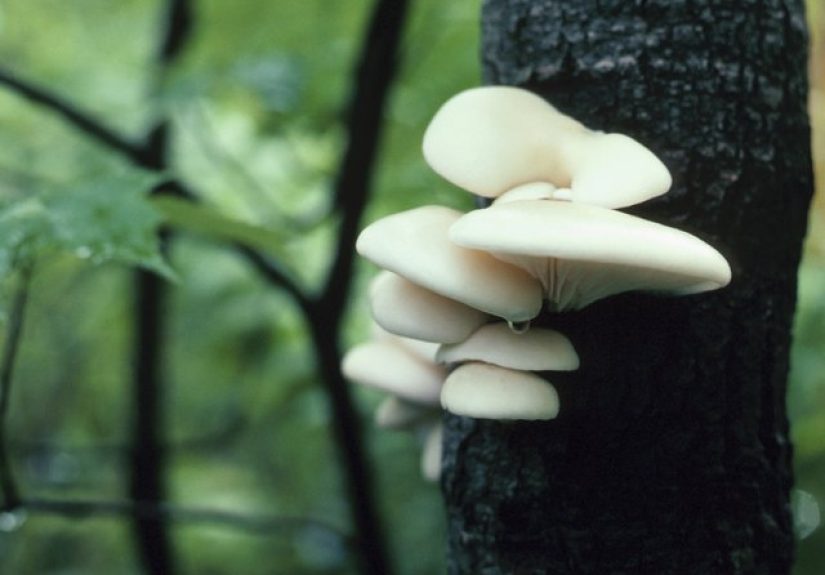
The biggest human health risk from tree fungus is ingestion. Some mushrooms that grow on wood are edible, such as certain oyster mushrooms or chicken of the woods. Unfortunately, some poisonous mushrooms also grow on or near trees, and look-alikes can fool even confident beginners.
Wild mushroom poisoning can cause nausea, vomiting, stomach cramps, diarrhea, hallucinations, liver damage, kidney damage, or even death. Another unpleasant plot twist: cooking does not reliably make a poisonous mushroom safe. A mushroom that is dangerous raw may still be dangerous sautéed in butter with garlic and misplaced optimism.
Unless a mushroom has been identified by a qualified expert, do not eat it. This is especially important for children, pets, and anyone new to foraging. Online photos, apps, and “my neighbor says it is fine” are not enough when the consequence could be a trip to the emergency room.
2. Spores Can Irritate Allergies and Breathing Problems
Fungi reproduce through spores, which are tiny particles that can travel through air. Most people breathe in fungal spores regularly without getting sick. However, spores may irritate people with allergies, asthma, chronic lung disease, or weakened immune systems.
Possible reactions include sneezing, coughing, itchy eyes, wheezing, sinus irritation, or worsening asthma symptoms. The risk is usually higher when fungal growth is disturbed, such as when cutting up rotting wood, grinding a stump, raking moldy debris, or breaking apart old logs. If you have respiratory sensitivity, wear protective gear and avoid stirring up clouds of dust and spores. Your lungs are not interested in becoming a mushroom identification workshop.
3. People With Weakened Immune Systems Should Be Extra Careful
Most tree fungi are not human pathogens, but environmental molds and fungi can cause serious infections in people with weakened immune systems. This includes some people receiving chemotherapy, transplant recipients, people taking high-dose steroids or certain biologic medications, and people with specific immune conditions.
For high-risk individuals, the concern is not usually a single mushroom on a tree trunk. The bigger issue is exposure to heavy mold, decaying organic material, dust, contaminated soil, or damp environments. If someone in your household is immunocompromised, avoid having them handle rotting wood, clean up fungal debris, or spend time in areas where moldy materials are being disturbed.
4. Tree Fungus Can Signal a Falling-Tree Hazard
Even when tree fungus does not directly harm human health, it can indicate a serious safety problem. Wood-decay fungi break down the structural tissues of trees. Over time, this can make trunks, roots, or branches weaker and more likely to fail during storms, heavy rain, snow, ice, or strong wind.
This is where tree fungus becomes dangerous in a practical sense. A conk on a large branch over a roof, a cluster of mushrooms around the root flare, or shelf fungi on a leaning tree may signal internal decay. The danger is not that the fungus bites. The danger is that the tree may drop a limb the size of a canoe.
When Tree Fungus Is Usually Harmless
Tree fungus is often harmless when it grows on dead logs, old stumps, mulch, fallen branches, or decaying roots already separated from living trees. In those cases, fungi are part of the natural decomposition process. They break down wood, return nutrients to the soil, and help ecosystems function.
You may see mushrooms pop up after rain, especially during cool, damp weather. They may disappear within days. If they are growing in mulch or around an old stump, they are usually more of a curiosity than a crisis. Still, keep children and pets from eating them, because “probably harmless” is not the same as “snack time.”
When Tree Fungus Is a Warning Sign
Tree fungus deserves attention when it appears on a living tree, especially near the trunk, base, major limbs, exposed roots, or old wounds. Fruiting bodies often show up after decay is already established inside the tree. By the time the fungus is visible, the hidden damage may be more advanced than it looks from the outside.
Call an Arborist If You Notice These Signs
- Mushrooms or conks growing from the trunk of a living tree.
- Fungal growth around the base or root flare.
- Large dead branches in the canopy.
- Cracks, cavities, peeling bark, or soft wood.
- A tree leaning more than it used to.
- Sawdust, insect activity, or hollow-sounding wood.
- Fungus on a tree near a house, car, sidewalk, deck, or play area.
A certified arborist can inspect the tree’s structure, identify likely decay patterns, and recommend pruning, monitoring, cabling, or removal if necessary. This is not the moment to trust your cousin who owns a chainsaw and says, “How hard can it be?” Trees are heavy. Gravity is undefeated.
Can You Touch Tree Fungus?
In most cases, briefly touching tree fungus will not poison you. Mushroom toxins usually cause harm when swallowed, not when touched. However, it is still smart to avoid unnecessary contact. Some fungi can irritate sensitive skin, and touching mushrooms may spread spores or residue to your eyes, mouth, pets, or children.
If you need to remove mushrooms from a yard where children or pets play, wear gloves, place the mushrooms in a sealed bag, and throw them away. Wash your hands afterward. Do not crush, sniff, taste, or cook them. Yes, this sounds obvious, but every poison center has stories that prove humanity remains creative.
What About Pets and Children?
Children and pets are at higher risk because they explore the world with hands, paws, and mouths. A toddler may see a bright mushroom as a backyard marshmallow. A dog may decide that a suspicious fungus is gourmet trail mix. Neither situation is ideal.
Safety Tips for Families
- Teach children never to eat mushrooms, berries, or plants from the yard.
- Remove mushrooms from play areas as soon as you see them.
- Supervise pets after rain, when mushrooms often appear quickly.
- If ingestion happens, call Poison Control at 1-800-222-1222 or contact a veterinarian for pets.
- Save a sample or photo of the mushroom if it can be done safely.
If a child eats a wild mushroom, do not wait for symptoms. Some dangerous mushroom toxins have delayed effects, meaning a person may seem fine at first and become seriously ill later. Quick action helps medical professionals identify the risk and choose the right treatment.
How to Remove Tree Fungus Safely
If fungus is growing on dead wood or mulch, removal is usually simple. Put on gloves, pick up the mushrooms or fungal pieces, seal them in a bag, and dispose of them in the trash. Avoid tossing them into compost if you are trying to reduce spread in a child- or pet-accessible area.
If the fungus is growing on a living tree, removing the visible mushroom will not cure the tree. The real fungal network may already be inside the trunk, limb, or roots. Scraping off conks may improve appearance temporarily, but it does not restore decayed wood. In fact, aggressive scraping or cutting can create new wounds and make the tree more vulnerable.
Use Protective Gear When Cleaning Up
When handling moldy wood, rotting branches, or fungal debris, basic protection is wise. Wear gloves, long sleeves, eye protection, and a dust mask or N95 respirator if you will be disturbing dusty or moldy material. This is especially important during stump grinding, chainsaw work, or cleanup after storms.
People with asthma, severe allergies, or weakened immune systems should avoid heavy cleanup involving decayed wood and spores. Hiring a professional may cost more than doing it yourself, but so does turning Saturday yard work into a medical drama.
Can Tree Fungus Spread to Your House?
Tree fungus and indoor mold are not always the same issue, but both love moisture and organic material. A fungus on a tree does not automatically mean your home is in danger. However, decaying wood near the house, old stumps against siding, wet firewood stacked indoors, or mulch piled high against foundation walls can create damp conditions that support fungal growth and pests.
Keep firewood dry and stored away from the house. Remove rotting wood that touches siding or deck structures. Avoid piling mulch directly against tree trunks or your home’s exterior. Good airflow and moisture control are boring, yes, but they are also the unsung heroes of fungus prevention.
How to Prevent Tree Fungus Problems
You cannot eliminate fungi from the outdoor environment, and you should not try. Fungi are essential decomposers. The goal is to reduce conditions that allow harmful tree decay to take hold.
Practical Prevention Steps
- Prune correctly: Bad pruning cuts create wounds where fungi can enter.
- Avoid trunk injuries: Keep mowers and string trimmers away from bark.
- Water wisely: Drought-stressed trees are more vulnerable, but soggy soil can harm roots too.
- Do not pile mulch against bark: Create a donut, not a volcano.
- Remove dead branches: Deadwood can host decay organisms and become a falling hazard.
- Schedule inspections: Mature trees near homes should be checked periodically.
A healthy tree is better at resisting infection and compartmentalizing decay. Proper care will not make a tree immortal, but it can make fungal problems less likely and easier to manage.
Should You Use Fungicide on Tree Fungus?
Fungicides are not a magic eraser for wood-decay fungi inside a tree. Once structural decay is established, sprays usually cannot rebuild lost wood or reverse internal damage. Some fungicides may help with specific leaf diseases or ornamental plant problems, but trunk and root decay are different challenges.
Before using any chemical treatment, identify the problem correctly. Spraying random products on a tree fungus without diagnosis is like putting a bandage on a sinking boat. It may look proactive, but it probably will not solve the issue. A qualified arborist or local extension office can help determine whether treatment, pruning, monitoring, or removal is appropriate.
Real-Life Experience Notes: What Homeowners Commonly Learn About Tree Fungus
In everyday yard care, tree fungus often teaches people the same lesson: the weird growth is not always the main problem. Many homeowners first notice fungus after several rainy days. A neat lawn suddenly grows a small mushroom village near a stump, and the immediate reaction is alarm. In many cases, that mushroom colony is simply feeding on buried roots or old wood chips. The solution is usually simple: remove the mushrooms if kids or pets use the yard, improve drainage if the area stays soggy, and let decomposition do its quiet underground job.
The more serious experiences usually involve living trees. A homeowner may see a shelf-like conk on the side of a large maple and ignore it because the leaves still look green. Months later, a storm breaks a heavy limb from the same side of the tree. The surprise comes from assuming that a leafy canopy means a strong structure. Trees can look alive while hidden decay weakens their inner wood. That is why fungus on the trunk or root flare deserves a closer look, especially when the tree stands near a roof, parking area, fence, or walkway.
Another common experience involves pets. After a damp week, mushrooms appear under an oak or along a shaded fence line. Most dogs sniff and move on, but some treat the yard like a suspicious buffet. Pet owners quickly learn that removing mushrooms is less about making the lawn perfect and more about reducing temptation. The safest routine is to patrol after rain, bag mushrooms with gloves, and keep a photo in case a veterinarian needs help identifying what was eaten.
Families with young children often develop a similar habit. Toddlers are curious, fast, and not known for excellent botanical judgment. A mushroom that looks boring to adults may look fascinating to a child. Teaching a simple rule, “Never eat anything from the yard,” works better than trying to explain fungal taxonomy to someone holding a juice box. Removing mushrooms from play areas adds another layer of protection.
People with allergies or asthma also tend to notice patterns. Cutting rotted branches, raking wet leaves, or moving old firewood can trigger coughing or sinus irritation. The practical lesson is not to fear every fungus outdoors, but to respect spore-heavy cleanup. Gloves, eye protection, and a well-fitting mask can make yard work safer. On windy days, it may be smarter to postpone dusty cleanup entirely.
The biggest homeowner takeaway is balance. Tree fungus is not automatically a disaster, and it is not automatically harmless. A mushroom on a dead log is usually nature recycling. A conk on a living trunk may be a structural warning. A wild mushroom on a dinner plate is a gamble no one needs. The best response is calm caution: do not eat it, limit exposure if you are sensitive, keep kids and pets away, and get expert help when fungus appears on important living trees.
Conclusion: Respect the Fungus, Do Not Fear the Forest
So, is tree fungus dangerous to humans? Usually, not directly. Most tree fungi will not hurt you just because they exist in your yard. The real risks come from eating unidentified mushrooms, breathing heavy spores if you are sensitive or immunocompromised, and ignoring decay that may make a tree unsafe.
Tree fungus is best treated as a signal. Sometimes it says, “I am breaking down this old stump, carry on.” Other times it says, “This living tree may have internal decay, please call someone who knows trees.” Learning the difference can protect your family, pets, property, and peace of mind.
When in doubt, do not taste, crush, or experiment with wild mushrooms. Keep children and pets away, wear protection during cleanup, and ask a certified arborist about fungus on valuable or hazardous trees. The fungus may be small, but the information it gives you can be extremely useful.