Table of Contents >> Show >> Hide
- Why This Italian Fried Calamari Recipe Works
- Recipe Overview
- Ingredients You’ll Need
- How to Make Italian Fried Calamari
- Full Recipe Method
- Best Tips for Crispy, Tender Fried Calamari
- What to Serve with Calamari Fritti
- Common Mistakes to Avoid
- Can You Make It Ahead?
- Storage and Reheating
- Frequently Asked Questions
- Final Thoughts
- Kitchen Memories and Real-Life Calamari Lessons
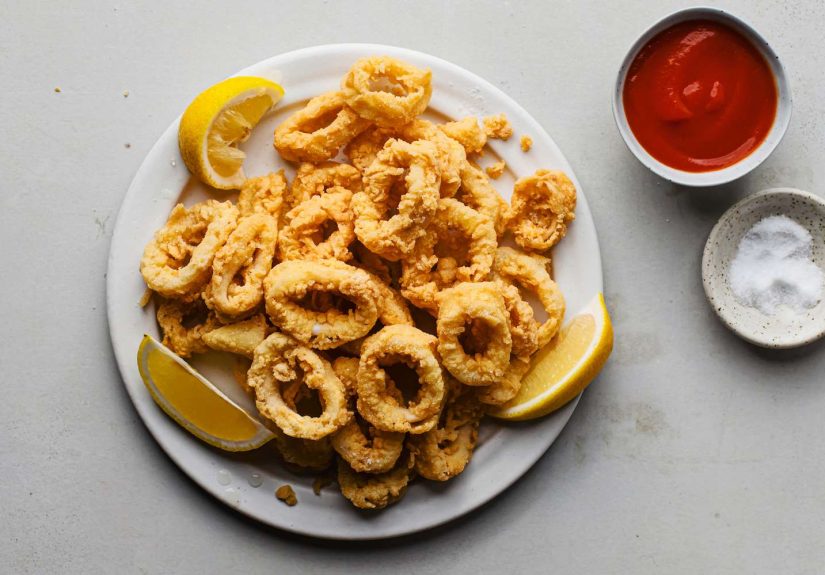
There are two kinds of fried calamari in this world: the kind you politely nibble once and forget by Tuesday, and the kind you attack with a lemon wedge like it insulted your family. This is the second kind. Italian fried calamari, or calamari fritti, should be light, crisp, and just a little dramatic. It is not supposed to wear a heavy winter coat of batter. It is supposed to arrive at the table hot, golden, and gone in about six minutes.
This version leans into that classic Italian style while borrowing a few smart tricks from modern home cooks. The squid stays tender because it cooks fast. The coating stays crisp because it is light, well-seasoned, and supported by a touch of semolina and cornstarch. The flavor stays bright because lemon does a lot of the talking, and marinara or aioli can join the party without taking over the room. If you have ever had chewy calamari and wondered what went wrong, the answer is usually simple: too wet, too crowded, or too slow. Fried squid is not difficult, but it does demand a little respect. Think of it as a tiny seafood diva with excellent timing.
Why This Italian Fried Calamari Recipe Works
The best calamari fritti is built on contrast. The outside should be crisp and delicate. The inside should be tender with just enough bite to remind you that you are eating seafood and not a breaded onion ring in disguise. This recipe works because it treats squid like the quick-cooking ingredient it is.
First, the squid is dried thoroughly. Moisture is the sworn enemy of crispness, and it also encourages the coating to slide off like a bad toupee in a rainstorm. Second, the dredge uses all-purpose flour, semolina, and cornstarch. The flour gives coverage, the semolina adds texture, and the cornstarch helps the crust fry up crisp instead of heavy. Third, the fry time is short. Very short. This is not a low-and-slow brisket situation. Squid becomes tender when cooked very quickly or very slowly; the awkward middle zone is where rubber boots are born.
I also use an optional buttermilk soak. Purists can skip it for an even lighter, more old-school finish, but for home cooks it adds insurance. It seasons gently, helps the coating cling, and can soften the edges of the squid’s texture without making the final result thick or cakey. In other words, it is helpful but not bossy.
Recipe Overview
Yield: 4 to 6 servings
Prep time: 20 minutes
Optional soak time: 30 minutes
Cook time: 10 minutes
Total time: About 1 hour with soaking, or 30 minutes without
Ingredients You’ll Need
- 1 1/2 pounds cleaned squid, sliced into rings, with tentacles separated
- 1 cup buttermilk (optional, but helpful)
- 1 cup all-purpose flour
- 1/2 cup fine semolina flour
- 1/4 cup cornstarch
- 1 teaspoon kosher salt, plus more for finishing
- 1/2 teaspoon black pepper
- 1/2 teaspoon garlic powder
- 1/4 teaspoon cayenne pepper, optional
- Vegetable, canola, or peanut oil, for frying
- 2 lemons, cut into wedges
- Warm marinara or lemony garlic aioli, for serving
- Chopped parsley, optional for garnish
How to Make Italian Fried Calamari
1. Prep the squid properly
If your squid is frozen, thaw it fully in the refrigerator first. Pat it dry with paper towels, then pat it dry again just to make sure. If you are using the optional buttermilk soak, place the squid in a bowl with the buttermilk and refrigerate for 30 minutes. After soaking, lift it out and let excess buttermilk drip away. Do not leave it swimming around like it is on vacation.
2. Build a light, crisp coating
In a wide bowl, combine the all-purpose flour, semolina, cornstarch, kosher salt, black pepper, garlic powder, and cayenne if using. Toss well. This mixture gives you that craveable restaurant-style texture without turning the calamari into a breaded mystery object. Dredge the squid in the flour mixture and shake off the excess. Every piece should look lightly coated, not buried.
3. Heat the oil the right way
Pour about 2 inches of oil into a heavy pot or Dutch oven. Heat it to 350°F. A thermometer is your best friend here. Guessing is fine for karaoke lyrics, not for frying. If the oil is too cool, the coating absorbs oil and goes limp. If it is too hot, the outside browns before the squid cooks properly.
4. Fry in small batches
Carefully lower a small handful of calamari into the oil. Fry for 1 1/2 to 2 1/2 minutes, or until pale golden and crisp. Tentacles may cook a touch faster and often become delightfully craggy. Do not crowd the pot. Overcrowding drops the oil temperature and turns your beautiful appetizer into a soggy support group.
5. Drain and season immediately
Use a spider or slotted spoon to transfer the fried calamari to a paper towel-lined tray or a wire rack. Sprinkle with salt while it is still hot. Finish with chopped parsley if you like, then serve at once with lemon wedges and marinara or aioli.
Full Recipe Method
- Pat the cleaned squid very dry. If using buttermilk, soak for 30 minutes in the refrigerator, then drain well.
- Mix flour, semolina, cornstarch, salt, pepper, garlic powder, and cayenne in a shallow bowl.
- Heat 2 inches of oil in a heavy pot to 350°F.
- Dredge the squid lightly in the flour mixture, shaking off excess.
- Fry in small batches for 1 1/2 to 2 1/2 minutes, until crisp and lightly golden.
- Transfer to a rack or paper towels, season immediately, and repeat with remaining squid.
- Serve hot with lemon wedges and your preferred dipping sauce.
Best Tips for Crispy, Tender Fried Calamari
Dry means crispy
If the squid is wet, the coating turns patchy and gummy. This is one of the biggest differences between decent calamari and the kind that vanishes before the second plate hits the table.
Small batches are not optional
Every time you add food to hot oil, the temperature drops. Smaller batches keep the oil steady and the crust crisp. Yes, frying in batches takes a little longer. No, your guests will not file a formal complaint.
Do not overcook the squid
Calamari is one of the fastest-cooking proteins in your kitchen. Once it turns golden and the coating is crisp, get it out. Leave it bobbing around too long and it becomes chewy enough to qualify as light resistance training.
Use the right flour blend
A plain flour dredge works, but a mix gives better texture. Semolina adds a subtle crunch and a more rustic Italian feel. Cornstarch helps the exterior stay crisp longer, which is good news if someone insists on taking six photos before eating.
Season after frying
Salt clings best when the calamari is fresh from the oil. Add lemon right before serving, not five minutes before, unless you want your crisp coating to start surrendering early.
What to Serve with Calamari Fritti
Italian fried calamari is usually happiest with simple company. Lemon wedges are non-negotiable. Warm marinara is classic in many Italian-American kitchens, while aioli adds richness and feels a little more restaurant-y. You can also serve it with spicy tomato sauce, roasted pepper dip, or a bright parsley-lemon mayo.
For a fuller meal, pair calamari fritti with a crisp arugula salad, shaved fennel salad, marinated olives, grilled zucchini, or a chilled glass of sparkling water with lemon if you want to keep things refreshing. It also plays nicely as part of an antipasto spread with bruschetta, roasted peppers, and a few things involving cured meats and very strong opinions.
Common Mistakes to Avoid
- Using wet squid: The coating slips and steams instead of fries.
- Skipping the thermometer: Oil temperature matters more than optimism.
- Overcrowding the pot: This cools the oil and makes the calamari greasy.
- Overbattering: Italian calamari should be light, not buried under a crunchy comforter.
- Waiting too long to serve: Fried calamari is best hot and immediate.
Can You Make It Ahead?
You can prep parts of the recipe ahead, but the final frying should happen right before serving. Clean and slice the squid, mix the dredge, cut the lemons, and warm the marinara in advance. You can even soak the squid in buttermilk earlier in the day if you want a smoother finish during dinner prep. Just do not fry it early and hope for miracles later. Fried calamari has a very short window of peak glory.
Storage and Reheating
Leftovers can be refrigerated in an airtight container for up to 2 days. Reheat them on a rack in a 400°F oven for about 8 to 10 minutes, just until hot and re-crisped. The microwave will make them soft, sad, and slightly philosophical. Avoid it unless you enjoy avoidable disappointment.
Frequently Asked Questions
Do I need fresh squid?
No. Good frozen squid is often the most practical choice and can work beautifully once thawed and dried well.
Can I skip the buttermilk?
Yes. If you want a lighter, more traditional Italian-style finish, skip it and dredge the dried squid directly in the flour mixture.
What oil is best for frying calamari?
Use a neutral oil with a high smoke point, such as vegetable, canola, or peanut oil.
Why is my calamari chewy?
It was likely cooked too long, fried at the wrong temperature, or started out too wet. Quick frying in properly heated oil is the fix.
Final Thoughts
A great Italian fried calamari recipe is less about fancy ingredients and more about technique. Dry squid, light dredge, hot oil, short fry, fast serving. That is the whole magic trick. The result is crisp, tender, bright, and outrageously snackable. It feels restaurant-worthy, but it is absolutely doable at home, even on a weeknight when your energy level says frozen pizza but your standards say, “Let’s fry seafood and feel alive.”
Once you make calamari fritti this way, you start noticing how often restaurant versions miss the point. Too much batter. Too much grease. Not enough crunch. Not enough lemon. Home cooking wins this round. And unlike many restaurant appetizers, you control the salt, the sauces, and the number of tentacles on your plate. That is what I call real luxury.
Kitchen Memories and Real-Life Calamari Lessons
The first time I made Italian fried calamari at home, I was wildly overconfident. I had watched enough cooking shows to believe I was spiritually prepared, which, as it turns out, is not the same as actually drying squid. I dredged the rings too heavily, dropped too many into the pot, and stood there wondering why everything looked pale and vaguely offended. The result was edible, but only in the same way that a wrinkled shirt is technically wearable. It taught me the most important lesson about calamari fritti: this dish rewards restraint more than bravado.
Once I stopped trying to dominate the squid and started listening to it, things improved dramatically. I learned that the prep matters more than the flour blend debates people love to have. Patting the squid dry feels boring, but it is the boring part that makes the glamorous part possible. I learned that a small batch in hot oil is not a suggestion from uptight recipe writers; it is the difference between crisp and greasy. I learned that the best fried calamari disappears so fast that no one asks whether you used semolina, cornstarch, buttermilk, or moonlight. They just reach for another piece.
One of my favorite memories with this recipe was making it for a casual weekend dinner where everyone claimed they were “just here for a bite.” You know where this is going. I brought out a platter with lemon wedges, warm marinara, and a small bowl of garlicky aioli, and suddenly a group of very composed adults transformed into seagulls with excellent manners. Nobody was rude, exactly, but the speed was impressive. The tentacles went first because they were extra crisp. The last few rings became the subject of a negotiation that felt more intense than some real estate transactions.
What I love most about calamari fritti is that it feels fancy without being fussy. It has the glamour of restaurant food, but the method is wonderfully straightforward once you understand the rhythm. Dry, dredge, fry, season, serve. It is almost meditative, assuming hot oil and seafood are your idea of meditation. There is also something satisfying about making a dish that so often gets phoned in at mediocre restaurants. At home, you can insist on the details: a lighter crust, more lemon, a brighter sauce, a shorter fry, a bigger pile of parsley if that is your thing.
And then there is the smell. Good fried calamari does not smell heavy or stale. It smells warm, savory, and exciting, like the first five minutes of a dinner party where everyone is still pretending to be relaxed. The sound is part of the memory too: the quick hiss as the squid hits the oil, the tiny crackle as you lift it out, the collective pause when the first person bites into it and realizes it is actually crisp. That moment is deeply satisfying. It is kitchen validation without needing applause, though applause would be fair.
So yes, this recipe is about squid, flour, and hot oil. But it is also about confidence earned the practical way. It is about learning that simple food can still feel special when the technique is right. It is about serving something hot and golden and watching people forget whatever else they were talking about. And if a few fingers get a little lemony and someone leans over the platter for “just one more,” then congratulations. Your calamari fritti did exactly what it was supposed to do.