Table of Contents >> Show >> Hide
- What Is the John Derian Fritillaria Chair?
- Why the Fritillaria Chair Stands Out
- The Design DNA: Old France Meets Collected New York
- Materials, Construction, and Practical Details
- How Comfortable Is the John Derian Fritillaria Chair?
- How to Style the Fritillaria Chair
- Who Should Buy the John Derian Fritillaria Chair?
- Why Designers and Design Fans Keep Returning to It
- What It Feels Like to Live With the John Derian Fritillaria Chair
- Final Thoughts
If you have ever fallen down a late-night rabbit hole looking for the John Derian Fritillaria Chair, welcome. You are among friends, and possibly among people who have strong feelings about fruitwood finishes, antique brass casters, and the moral superiority of a really good silhouette. The Fritillaria Chair is the kind of piece that makes ordinary accent chairs look like they were designed by a committee with a coupon code.
Part French revival, part downtown collector fantasy, and part quietly luxurious lounge seat, this chair has become one of those design pieces people search for when they want something that feels storied instead of showroom-generic. It is not just about sitting. It is about atmosphere. It is about the difference between a room that looks “done” and one that feels discovered over time.
In this guide, we are breaking down what the John Derian Fritillaria Chair actually is, why it stands out, what makes its shape so appealing, how it fits into different interiors, and whether it is worth the splurge for design lovers who want beauty and comfort in the same handsome package.
What Is the John Derian Fritillaria Chair?
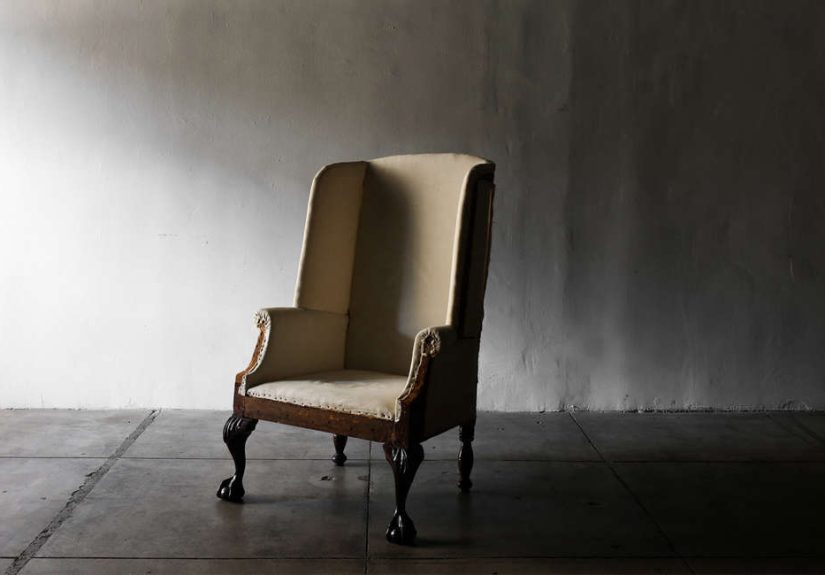
The John Derian Fritillaria Chair is a luxury upholstered chair from the John Derian collection made with Cisco Home. Its design is rooted in a real historical reference: the chair is based on an original Napoleon III-style pair of chairs that Derian owns. That detail matters, because it explains why the piece feels authentic rather than merely “inspired-by” in the vague, marketing-department sense of the phrase.
The result is a chair with a distinctly French 19th-century spirit, but one that has been edited for modern living. It has a low, deep seat, classic lines, a tight seat and tight back, and antique brass casters that give it just enough mobility and just enough swagger. In other words, it looks polished without acting precious.
This chair also reflects the larger appeal of the John Derian universe. Derian is famous for his decoupage, his love of antique and vintage imagery, and his ability to make rooms feel layered, personal, and slightly enchanted. The Fritillaria Chair translates that worldview into upholstery. It feels historical, but not dusty. Romantic, but not sugary. Elegant, but not uptight.
Why the Fritillaria Chair Stands Out
There are plenty of beautiful chairs on the market, but the Fritillaria has something many luxury accent chairs do not: personality with restraint. It does not scream for attention with odd angles, giant proportions, or look-at-me novelty. Instead, it wins the slow way. The proportions are balanced. The seat is inviting. The profile has that hard-to-fake sense of correctness that usually comes from historical forms.
That is a big reason people searching for a French-style accent chair or Napoleon III chair keep landing here. The Fritillaria does not feel trendy. It feels collected. That difference is everything.
Its dimensions also help explain its appeal. At roughly 32 inches wide, 34 inches deep, and 37 inches tall, it is substantial enough to read as a real lounge chair, but compact enough to work in an apartment, bedroom corner, library nook, or layered living room. The seat height sits on the lower side, which contributes to the relaxed, sink-in posture people tend to want from a chair they plan to actually use instead of merely admire from across the room like a museum guard.
The Design DNA: Old France Meets Collected New York
To understand the John Derian chair appeal, you have to understand Derian’s style more broadly. His interiors are often described as layered, eclectic, antique-rich, and a little dreamlike. He has a gift for mixing old-world pieces, natural curiosities, textiles, florals, and objects with emotional weight. The magic is that it never feels over-rehearsed. It feels found.
The Fritillaria Chair fits squarely into that aesthetic. It carries the romance of a 19th-century French reference, but it still works in a modern room because the shape is so clear and grounded. That is the sweet spot Derian hits so well: furniture that nods to history without becoming costume drama.
And no, you do not need a château, a butler, or a pet peacock named Marcel to make it work. The Fritillaria can live happily in a Brooklyn brownstone, a traditional suburban living room, a moody reading corner, or a bedroom that needs one really good chair instead of three mediocre ones trying their best.
Materials, Construction, and Practical Details
For a chair with such a romantic pedigree, the practical specs are refreshingly clear. The Fritillaria Chair is available upholstered or slipcovered, and it is customizable. The frame is built from FSC-certified hardwood, and the piece is made in the USA. Buyers can also order it with Cisco Home’s Inside Green option, which appeals to shoppers who care about healthier, more natural furniture construction.
The chair is also one of those rare luxury pieces that manages to sound both refined and useful. Tight seat and back construction keep the silhouette neat. A kick-pleat slipcover option adds softness and casual ease. Antique brass casters bring a subtle period detail that also makes the chair easier to move around than its tailored look suggests. That is design pulling off a little magic trick: decorative and practical at the same time.
Fabric choice is where the personality really starts to shift. In velvet, the chair becomes moodier and richer. In linen, it leans relaxed and quietly European. In a stripe or floral, it starts flirting with full-on collector’s-house energy. The chair can also be ordered COM, which is very good news for anyone with a favorite textile and a refusal to settle for beige just because beige is “safe.”
How Comfortable Is the John Derian Fritillaria Chair?
Let us address the question every design lover asks while pretending they only care about the silhouette: is it actually comfortable? By all appearances, yes, but not in the oversized recliner, movie-marathon, cup-holder sense. This is a luxury upholstered chair designed for real sitting with a more tailored posture.
The low and deep proportions suggest a chair you can curl into with a book, a coffee, or a stack of magazines you insist you are absolutely going to read. The tight seat and tight back keep it looking crisp, which means you get support without the permanent slouch that some loose-cushion chairs develop after a few enthusiastic weekends.
In plain English, it seems to hit the sweet spot between lounge-worthy and civilized. Comfortable enough to use often, polished enough not to look rumpled by Tuesday.
How to Style the Fritillaria Chair
1. In a Moody Traditional Living Room
Pair the chair with a skirted sofa, a dark wood side table, vintage brass, and a patterned rug. Add a pleated lampshade and one piece of quirky art, and suddenly your living room looks like it reads novels on purpose.
2. In a Cottagecore or Collected Botanical Space
This is where the chair really shines. Derian’s aesthetic naturally leans into botanicals, antique prints, and that slightly whimsical “found in a wonderful old house” effect. The Fritillaria looks especially strong with floral textiles, painted furniture, old books, and a room that does not mind a little romance.
3. In a Bedroom Corner
One beautiful chair in a bedroom can change the whole emotional tone of the room. Add the Fritillaria next to a dresser, under a framed print, or beside a small drinks table, and the space suddenly feels finished. Not crowded. Finished. There is a difference.
4. In a Minimal Room That Needs a Plot Twist
If your room is mostly clean-lined and calm, the Fritillaria can act as the one piece with a story. That contrast works especially well when everything else is simple: plaster walls, neutral curtains, a modern floor lamp, then this gloriously old-soul chair rolling in on brass casters like it has opinions.
Who Should Buy the John Derian Fritillaria Chair?
This chair makes the most sense for someone who values shape, materials, and design history as much as comfort. It is ideal for people searching for a Cisco Home chair, a French-style lounge chair, or a statement piece that feels subtle rather than shouty.
You will probably love it if you are the kind of person who:
- prefers furniture with historical references over trend-driven novelty,
- wants a chair that looks custom and elevated,
- likes mixing antiques with new upholstery,
- cares about craftsmanship and customization,
- and believes one exceptional chair is better than two forgettable ones.
You might skip it if you want ultra-casual seating, a giant sink-in cloud chair, or a bargain purchase you can replace in two years without a second thought. The Fritillaria is not disposable furniture. It is the opposite of that entire lifestyle.
Why Designers and Design Fans Keep Returning to It
Part of the reason the John Derian Fritillaria Chair keeps showing up in searches is that it sits at the intersection of several enduring trends without becoming trapped by any of them. It works for grandmillennial decor, collected interiors, traditional rooms, cottage-inspired spaces, and even certain minimalist homes that need one soulful object to keep everything from feeling clinically competent.
It also benefits from the reputation of both names attached to it. John Derian brings the mood, the antique sensibility, and the cultivated sense of wonder. Cisco Home brings the upholstery know-how, the American manufacturing, and the customization that lets buyers tune the chair to the room rather than forcing the room to bend around the chair.
That pairing is what gives the piece its staying power. This is not just a pretty chair. It is a well-positioned design object backed by a recognizable aesthetic point of view and real furniture-making experience. In a market flooded with lookalikes, that matters.
What It Feels Like to Live With the John Derian Fritillaria Chair
Now for the part people rarely say out loud when shopping for furniture online: living with a chair is not the same thing as admiring it on a product page. The real test happens in ordinary life, when the room is a little messy, the light changes throughout the day, and no one is hovering nearby to fluff a throw pillow for dramatic effect.
A chair like the Fritillaria tends to get better in that setting. In the morning, it reads crisp and architectural, especially if the upholstery is linen or another matte fabric with visible texture. It catches light on the curve of the arms and the front legs, and the fruitwood finish gives just enough warmth to keep the silhouette from feeling too formal. By late afternoon, the chair starts doing the thing great furniture does: it becomes part of the room’s atmosphere rather than just one more object in it.
The experience of sitting in it is likely shaped by that low, deep seat and its tidy construction. There is a sense of being held in place rather than swallowed whole, which many people actually prefer for reading, conversation, or evening lounging. You can imagine reaching for a tray, setting down a teacup, turning a page, shifting slightly, and never once feeling like the chair is fighting you. That matters more than people think. Some chairs are beautiful but oddly hostile. This one gives every indication of being livable.
There is also the emotional effect. The Fritillaria does not feel anonymous. It changes the mood of a room by suggesting age, reference, and intention. Even if the rest of the space is simple, the chair quietly implies that someone made a thoughtful choice. It has presence without bulk, which is a rare and valuable quality in interior design. Plenty of chairs are large. Far fewer feel important without dominating the room like a needy houseguest.
Another part of the experience is how adaptable the chair can become depending on fabric. In a washed linen or soft neutral, it may feel easy and calm, perfect for a bedroom or lightly traditional living room. In velvet, it becomes more dramatic, more evening than morning, more cocktail than herbal tea. In a stripe, it can feel tailored and slightly eccentric. In a floral or print, it starts looking as if it was inherited from a fascinating relative who once bought books by the foot and knew how to arrange branches in a vase without making it look like homework.
Then there is the visual reward over time. Some furniture peaks on arrival and fades into the background once the novelty wears off. The Fritillaria seems built for the opposite trajectory. It is the kind of chair people notice in stages. First they register that it is attractive. Then they notice the casters. Then the proportions. Then the way it pulls a lamp, table, or textile into a more coherent little scene around it. That slow-burn appreciation is usually the sign of a piece with real staying power.
In daily life, that is probably the strongest argument for the John Derian Fritillaria Chair. It does not just occupy space. It shapes it. It encourages a room to feel more collected, more layered, and more human. And in a world full of furniture that often seems optimized for fast shipping and forgettable photos, that feels almost radical.
Final Thoughts
The John Derian Fritillaria Chair is the rare designer chair that manages to be both tasteful and character-rich. It draws on 19th-century French style without becoming fussy, and it carries John Derian’s signature love of antiques, odd beauty, and layered interiors into a form that works for contemporary homes.
If you want a chair that looks thoughtful, feels grounded in design history, and has the flexibility to shift from tailored to romantic depending on fabric, the Fritillaria is an excellent candidate. It is not fast furniture. It is not trend bait. It is a chair for people who want a home to feel collected rather than assembled.
And honestly, that may be the highest compliment you can give any piece of furniture: it makes the room feel more like itself. The Fritillaria does exactly that, with a little French ancestry, a little downtown poetry, and just enough drama to keep things interesting.