Table of Contents >> Show >> Hide
- What Is a Kohler Cast Iron Undercounter Kitchen Sink?
- Why Choose Kohler Enameled Cast Iron?
- Popular Kohler Cast Iron Undercounter Sink Styles
- Benefits of a Kohler Cast Iron Undercounter Kitchen Sink
- Potential Drawbacks to Consider
- Kohler Cast Iron vs. Other Kitchen Sink Materials
- How to Choose the Right Kohler Cast Iron Undercounter Sink
- Installation Tips for a Cast Iron Undercounter Sink
- How to Clean and Maintain a Kohler Cast Iron Sink
- Best Design Ideas for a Kohler Cast Iron Undercounter Kitchen Sink
- Who Should Buy a Kohler Cast Iron Undercounter Kitchen Sink?
- Real-Life Experience: Living With a Kohler Cast Iron Undercounter Kitchen Sink
- Conclusion
A kitchen sink has one job on paper: hold water. In real life, it becomes a breakfast station, pasta-draining arena, flower-bucket emergency zone, science lab for sticky pans, and occasional hiding place for the mug you meant to wash yesterday. That is why choosing a sink is less about picking a pretty rectangle and more about choosing the hardest-working fixture in the kitchen. The Kohler cast iron undercounter kitchen sink sits in that sweet spot where classic American durability meets a polished, built-in look that makes countertops feel cleaner and more custom.
Kohler’s enameled cast iron kitchen sinks are known for their glossy surface, substantial weight, deep color options, and long-lasting feel. When installed as an undercounter or undermount sink, the basin sits beneath the countertop instead of resting on top of it. The result is smooth, sleek, and wonderfully practical: crumbs can be wiped directly from the counter into the sink without getting stuck around a raised rim. It is the kitchen equivalent of removing a speed bump from your daily routine.
This guide breaks down what makes a Kohler cast iron undercounter sink special, what to know before buying one, how it compares with other kitchen sink materials, and how to care for it so it keeps looking handsome long after your first enthusiastic spaghetti-night cleanup.
What Is a Kohler Cast Iron Undercounter Kitchen Sink?
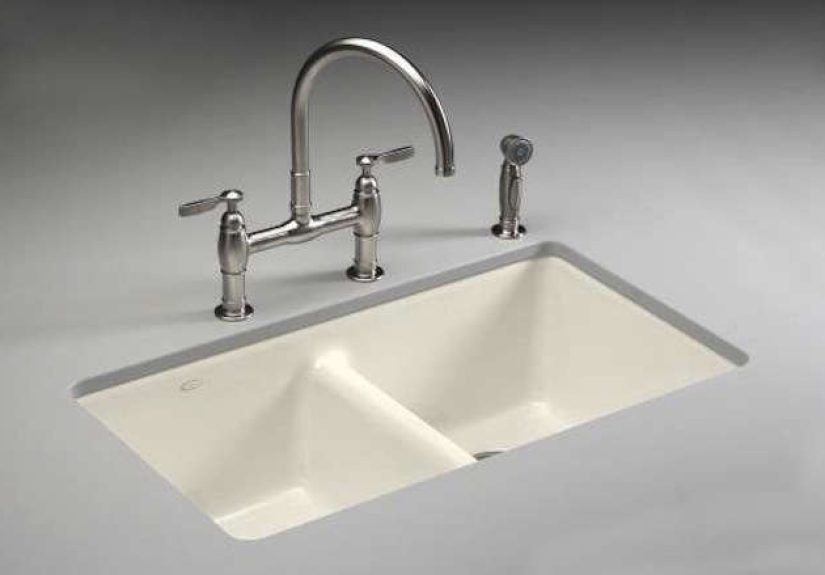
A Kohler cast iron undercounter kitchen sink is a kitchen sink made with a heavy cast iron core and coated with durable enamel. The term “undercounter” is often used interchangeably with “undermount,” meaning the sink is mounted below the countertop rather than dropped into a hole from above. This installation style exposes the countertop edge and creates a clean, uninterrupted counter-to-basin transition.
The cast iron base gives the sink its strength and solid feel. The enamel finish creates the smooth, nonporous surface you see and touch. Together, they offer a sink that feels sturdy, looks refined, and fits a wide range of kitchen stylesfrom traditional white kitchens to modern spaces with dramatic stone counters and brass hardware.
Why homeowners like the undercounter design
The biggest everyday advantage is cleanup. With no raised rim sitting on the counter, you can sweep water, flour, coffee grounds, and toast crumbs straight into the bowl. That may sound small, but in a busy kitchen, small conveniences become big reasons to love your remodel.
Undercounter sinks also tend to make countertops look more expensive because the counter material flows visually to the sink opening. Granite, quartz, marble, and solid surface countertops all pair beautifully with this style when properly fabricated and supported.
Why Choose Kohler Enameled Cast Iron?
Kohler has a long reputation in kitchen and bath fixtures, and its enameled cast iron sinks remain popular because they deliver a rare mix of beauty and brawn. Stainless steel is practical, fireclay is charming, composite is modern, but cast iron has that “this kitchen was built to last” feeling.
Durability that feels substantial
A cast iron sink does not flex the way lighter materials can. When you set a heavy Dutch oven into it, the sink feels grounded and secure. The enamel surface is designed to resist common kitchen wear such as staining, heat marks, and everyday abrasion. That does not mean it is indestructiblenothing in a real kitchen is, except maybe the one plastic container lid you can never matchbut it is built for years of regular use.
A glossy finish with classic appeal
One of the major reasons people choose a Kohler cast iron sink is appearance. The enamel finish has a polished, almost glass-like look that can make the sink a design feature rather than just a utility basin. White remains the classic choice, but Kohler’s cast iron collections are often available in multiple colors, allowing homeowners to coordinate with countertops, cabinets, tile, and appliances.
Quiet performance
Cast iron absorbs sound better than many thinner metal sinks. Running water, dropped utensils, and clanking pans tend to sound less sharp. If you have ever washed dishes in a lightweight stainless steel sink that sounded like a tiny thunderstorm, you will appreciate the quieter confidence of cast iron.
Popular Kohler Cast Iron Undercounter Sink Styles
Kohler offers several cast iron kitchen sink designs that may be available in undermount, undercounter, top-mount, or farmhouse configurations depending on the specific model. Commonly discussed collections include Riverby, Bakersfield, Iron/Tones, Ironridge, and Whitehaven. Availability, colors, accessories, dimensions, and installation types can vary by model, so always confirm the exact specification sheet before ordering.
Single-bowl sinks
A single-bowl Kohler cast iron undercounter kitchen sink is ideal for homeowners who wash large cookware, sheet pans, roasting trays, and oversized cutting boards. The open basin gives you maximum workspace. If your cooking style involves soup pots, baking trays, and “how did this pan get so big?” moments, a single bowl may be the most practical choice.
Double-bowl sinks
Double-bowl designs divide the sink into two work zones. One side can hold soapy water while the other handles rinsing, draining, or food prep. Some homeowners prefer equal bowls, while others like an offset design with one larger side and one smaller side. A double-bowl cast iron sink can be especially useful in kitchens without a dishwasher or in homes where several people cook at once.
Workstation models
Some Kohler Riverby-style workstation sinks include accessories such as racks, colanders, cutting boards, or utility trays. These features can turn the sink into a prep station, which is excellent for smaller kitchens where counter space is precious. Think of it as giving your sink a tiny promotion from “dish holder” to “kitchen assistant.”
Benefits of a Kohler Cast Iron Undercounter Kitchen Sink
1. A seamless countertop look
The undercounter installation creates a smooth visual line between the countertop and sink. This works especially well with stone and quartz surfaces because the finished counter edge becomes part of the design. The effect is clean, custom, and easier to wipe down.
2. Excellent heat resistance for normal kitchen use
Enameled cast iron is valued for its ability to handle the demands of a working kitchen. While it is still wise to avoid abusing the surface with extremely hot cookware or sudden temperature shocks, the material is well suited to everyday cooking routines.
3. Strong stain resistance
The enamel coating is nonporous, which helps resist stains from normal kitchen messes. Coffee, tea, tomato sauce, and berry juice should still be cleaned promptly, but the surface is designed for real household use. The secret is simple: rinse, wipe, and do not let staining materials camp out overnight like they signed a lease.
4. Wide design compatibility
A Kohler cast iron undercounter sink can look right at home in a farmhouse kitchen, transitional remodel, cottage-style space, or polished contemporary design. White cast iron pairs beautifully with warm wood and marble-look quartz. Darker finishes can create contrast in modern kitchens. Soft neutral colors can bridge traditional cabinetry and updated hardware.
5. Long-term value
Cast iron sinks are not usually the cheapest option, especially once professional installation is included. However, they can add lasting value because they combine durability, brand recognition, and timeless design. A good sink is not something most people want to replace every few years. It should stay put, work hard, and look good doing it.
Potential Drawbacks to Consider
Weight is the big one
Kohler cast iron sinks are heavy. That weight is part of their appeal, but it also means installation must be planned carefully. Undercounter cast iron sinks typically require proper support framing, secure cabinetry, and experienced installation. The countertop alone should not be treated as the sink’s only support system.
Professional installation is strongly recommended
Because undercounter sinks mount beneath the counter, the installation must be precise. The opening needs to be cut accurately, the sink must be supported correctly, and the seal between sink and countertop must be watertight. A poor installation can lead to leaks, sagging, or damage to cabinetry. This is not the place to freestyle with a tube of caulk and a motivational playlist.
The enamel can chip if abused
Enameled cast iron is tough, but heavy objects dropped from height can chip the coating. A sink rack or basin rack is a smart accessory because it cushions the bottom surface and helps protect the enamel from pots, pans, and utensils. Treat the sink well, and it will reward you with years of good looks.
It may cost more than stainless steel
A cast iron undercounter kitchen sink often costs more than a basic stainless steel sink, especially when accessories and installation are factored in. The higher price reflects the material, finish, weight, and design quality. For homeowners who want a premium centerpiece sink, the investment can make sense. For ultra-budget renovations, stainless steel may be more practical.
Kohler Cast Iron vs. Other Kitchen Sink Materials
Cast iron vs. stainless steel
Stainless steel is lighter, often less expensive, and easy to match with appliances. It is a strong choice for busy, practical kitchens. However, stainless steel can scratch, show water spots, and sound louder. Kohler cast iron offers a more substantial feel, quieter performance, and a more traditional glossy finish.
Cast iron vs. fireclay
Fireclay sinks are popular in farmhouse kitchens because they have a handcrafted ceramic look. They are durable and attractive, but also heavy and sometimes limited in installation flexibility. Cast iron offers a similar timeless charm with the strength of an iron core and the recognizable Kohler enamel finish.
Cast iron vs. granite composite
Granite composite sinks are modern, matte, and resistant to scratches and stains. They are great for contemporary kitchens and often come in darker tones. Cast iron, on the other hand, gives a glossier and more classic look. The better choice depends on whether you want sleek modern texture or polished traditional character.
How to Choose the Right Kohler Cast Iron Undercounter Sink
Measure the cabinet first
Before falling in love with a sink, measure the base cabinet. Many 33-inch sinks require a wider cabinet, often around 36 inches, but this varies by model. Check the product specification sheet for minimum cabinet width, bowl depth, drain placement, and cutout requirements.
Match the sink to your countertop
Undercounter sinks work best with solid countertop materials such as quartz, granite, marble, concrete, and solid surface. Laminate countertops are usually not ideal for undermount installation because the exposed cut edge can be vulnerable to moisture. If you are replacing only the sink and keeping old counters, ask a countertop professional whether an undermount cast iron model is realistic.
Think about bowl depth
Deep bowls hide dishes and hold large cookware, which is fantastic until you realize you are bending farther down to wash everything. Taller users often love deep sinks. Shorter users may prefer moderate depth to reduce back strain. A basin around 8 to 10 inches deep is common, but comfort depends on counter height, user height, and how you wash dishes.
Choose the drain location carefully
Center drains are traditional and easy to understand. Offset drains can free up more flat space in the basin and improve usable cabinet space below. If you plan to install a garbage disposal, water filtration system, or pull-out trash unit, drain placement matters more than most people expect.
Consider accessories
A bottom basin rack is one of the smartest upgrades for an enameled cast iron sink. It helps protect the finish, improves drainage, and keeps dishes slightly elevated. Other useful accessories include cutting boards, colanders, rinse baskets, and utility racks, especially for workstation sinks.
Installation Tips for a Cast Iron Undercounter Sink
Installing a Kohler cast iron undercounter kitchen sink is a job for trained installers, especially when paired with stone countertops. The sink should be supported from below with proper framing or mounting hardware as specified by the manufacturer. Because cast iron is heavy, two people should handle lifting and positioning.
The cabinet must be level, secured, and strong enough to handle the sink plus water, dishes, and cookware. Support framing should be positioned so the sink rim sits at the correct height beneath the countertop. The installer must also apply a high-quality sealant at the sink-to-counter joint to help prevent leaks.
Before installation day, inspect the sink for damage, confirm all accessories are present, and review the template. If the countertop is being fabricated, make sure the sink model number is final before the slab is cut. Changing your mind after stone is cut is like trying to edit a haircut with a glue stick: technically creative, but not recommended.
How to Clean and Maintain a Kohler Cast Iron Sink
Maintenance is straightforward when done regularly. Rinse the sink thoroughly after use and wipe it dry with a soft cloth. This helps prevent mineral deposits, water spots, and dullness. For ordinary cleaning, use mild soap or a cleaner recommended for enameled cast iron.
Avoid steel wool, wire brushes, harsh abrasive pads, and aggressive cleaners that can scratch or dull the enamel. Do not leave coffee grounds, tea bags, acidic foods, or staining materials sitting in the sink for long periods. If you see metal marks from pans or utensils, use an appropriate cast iron sink cleaner and a soft cloth rather than attacking the surface like it owes you money.
A basin rack can reduce direct impact from cookware. It also makes rinsing easier because water can flow underneath dishes. With basic care, the sink should keep its glossy finish and remain a beautiful focal point in the kitchen.
Best Design Ideas for a Kohler Cast Iron Undercounter Kitchen Sink
Classic white with marble-look quartz
A white cast iron undermount sink paired with marble-look quartz creates a clean, timeless kitchen. Add shaker cabinets, polished nickel hardware, and a bridge faucet for a design that feels elegant without being fussy.
Soft neutral sink with warm wood cabinets
Neutral enamel colors can soften the transition between wood cabinetry and stone counters. This is a smart choice for transitional kitchens where you want warmth, not a sterile showroom vibe.
Dark sink with dramatic countertops
A darker cast iron sink can create a bold, modern statement. Pair it with light counters for contrast or with deep-toned stone for a moody, upscale look. Just remember that darker glossy finishes may show water spots more readily, so wiping dry becomes more important.
Who Should Buy a Kohler Cast Iron Undercounter Kitchen Sink?
This sink is a strong choice for homeowners who want a premium kitchen fixture with a classic look, quiet performance, and long-term durability. It is especially appealing if you are already investing in solid countertops and professional installation. If the kitchen is the heart of your home, this sink is the steady heartbeat.
It may not be the best fit if you need the lowest-cost option, have laminate counters, or want a very lightweight DIY installation. In those cases, stainless steel or drop-in models may be easier and more budget-friendly.
Real-Life Experience: Living With a Kohler Cast Iron Undercounter Kitchen Sink
The first thing most people notice after switching to a Kohler cast iron undercounter kitchen sink is the feeling of solidity. It does not rattle, flex, or sound tinny. When water hits the basin, the sound is calmer. When you place a pan in the sink, it feels like the sink can handle it. That quiet confidence changes how the kitchen feels during everyday tasks.
In a busy family kitchen, the undercounter design is a genuine convenience. After making sandwiches, you can wipe crumbs straight from the counter into the basin. After rolling dough, flour does not collect against a raised sink lip. After chopping vegetables, stray onion skins and carrot peels slide into the sink with one swipe. It is not glamorous, but neither is cleaning dried oatmeal from a countertop seam. Practical luxury is still luxury.
The glossy enamel also makes the kitchen feel brighter. A white or light-colored Kohler cast iron sink reflects light beautifully, especially under a window or pendant fixture. Even when the kitchen is not perfectly clean, the sink can make the space feel more polished. Of course, that shine comes with responsibility. If you leave coffee grounds in the basin overnight, you may see discoloration. If you drag rough cookware across the surface every day, you may create marks. The sink is durable, not magical.
A bottom rack quickly becomes one of those accessories you wonder how you lived without. It protects the basin, gives glasses a safer place to land, and lets water drain under dishes. It also reduces the anxiety of washing heavy pans. Instead of lowering a cast iron skillet directly onto enamel, you set it onto the rack. Small change, big peace of mind.
Cleaning is usually simple. A soft sponge, mild soap, a thorough rinse, and a quick wipe keep the sink looking fresh. Metal marks from pans can happen, but they are often surface marks rather than permanent damage. Using the right cleaner matters. Scrubbing with harsh pads may feel satisfying for three seconds, but it can dull the finish over time. Gentle consistency wins.
The biggest “experience” lesson is installation planning. This is not a sink to casually swap in on a Saturday afternoon unless you have the right skills, support system, and tools. The weight is serious, and the undercounter mount needs to be secure. Homeowners who plan aheadconfirming cabinet size, support framing, countertop compatibility, faucet placement, and disposal clearancetend to be much happier with the final result.
Another practical point is bowl choice. A single large bowl feels luxurious when washing sheet pans and stockpots, but a double bowl can be more organized for hand-washing dishes. There is no universal winner. The right answer depends on how you cook, whether you use a dishwasher, and whether your sink is mostly for cleanup, prep, soaking, or all of the above.
After living with a Kohler cast iron undercounter kitchen sink, many homeowners describe it as one of the upgrades that quietly improves daily life. It is not as flashy as new cabinets or as instantly noticeable as a statement range, but it gets used constantly. A good sink earns affection slowlyone clean counter swipe, one quiet rinse, and one successfully washed roasting pan at a time.
Conclusion
A Kohler cast iron undercounter kitchen sink is a strong, stylish, and practical choice for homeowners who want a sink that feels permanent in the best possible way. Its enameled cast iron construction offers a glossy finish, dependable durability, and timeless visual appeal. The undercounter installation adds a seamless, high-end look while making everyday cleanup easier.
The key is planning. Confirm the model, cabinet size, countertop compatibility, support requirements, and accessories before installation. Choose a bowl configuration that matches how you actually use your kitchen, not how a showroom kitchen pretends people live. With proper installation and simple daily care, a Kohler cast iron undercounter sink can become one of the most satisfying upgrades in the entire room.
Note: This article is written for web publication and is based on current manufacturer guidance, U.S. home-improvement references, and real-world kitchen design considerations. Product dimensions, colors, accessories, and installation requirements can vary by model, so final specifications should always be verified before purchase or installation.