Table of Contents >> Show >> Hide
- Why Lamb, Rosemary, and Red Wine Work So Well Together
- Ingredients for Homemade Lamb Rosemary Red Wine Sausage
- Equipment You Need
- Step-by-Step Lamb, Rosemary, and Red Wine Sausage Recipe
- Best Ways to Cook Lamb Sausage
- Serving Ideas
- Flavor Variations
- Storage and Make-Ahead Tips
- Common Mistakes to Avoid
- Experience Notes: What Making Lamb, Rosemary, and Red Wine Sausage Teaches You
- Conclusion
- SEO Tags
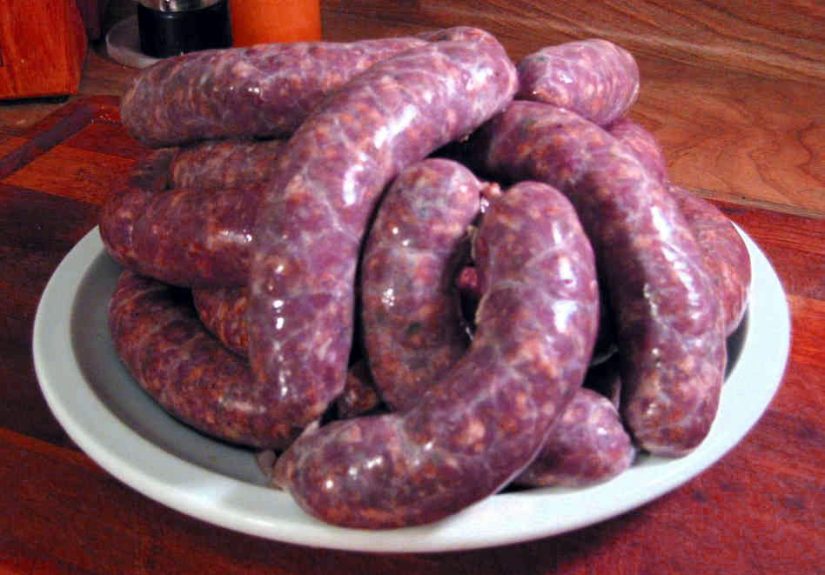
Homemade sausage has a way of making a kitchen feel like a tiny neighborhood butcher shopminus the mysterious apron stains and the need to wake up at 4 a.m. This Lamb, Rosemary, and Red Wine Sausage Recipe is rich, rustic, deeply aromatic, and surprisingly achievable for home cooks who want something more exciting than another polite chicken dinner.
Lamb has a naturally bold, slightly sweet flavor that loves Mediterranean-style companions. Rosemary brings its piney, woodsy charm. Garlic adds backbone. Red wine deepens the flavor with fruity acidity, helping the sausage taste rounded rather than heavy. Together, they create fresh lamb sausage that works beautifully on the grill, in a skillet, tucked into pita, sliced over polenta, or served beside roasted potatoes like it just came back from a countryside vacation.
This guide walks you through ingredients, equipment, mixing, stuffing, cooking, storage, troubleshooting, and practical experience notes. You can make links in natural casings, patties, or loose sausage. No sausage stuffer? No problem. Your dinner will not file a complaint.
Why Lamb, Rosemary, and Red Wine Work So Well Together
Lamb is more flavorful than mild meats like chicken or turkey, which means it can handle bold seasonings without getting bullied. Rosemary is one of lamb’s classic partners because its herbal sharpness cuts through the richness. Garlic adds warmth, black pepper adds gentle heat, and red wine brings acidity and depth.
The trick is balance. Too much rosemary can make sausage taste like it wandered into a Christmas wreath. Too much wine can make the mixture loose. Too little fat can make the sausage dry and crumbly. A great homemade lamb sausage recipe keeps everything in proportion: cold meat, enough fat, measured salt, well-distributed seasoning, and proper cooking.
Ingredients for Homemade Lamb Rosemary Red Wine Sausage
This recipe makes about 5 pounds of fresh sausage, enough for roughly 18 to 22 medium links, depending on casing size and how generously you twist.
Main Ingredients
- 4 pounds lamb shoulder, trimmed and cut into 1-inch cubes
- 1 pound lamb fat or pork fatback, cut into 1-inch cubes
- 1/2 cup dry red wine, chilled
- 5 teaspoons kosher salt
- 5 cloves garlic, finely minced
- 2 tablespoons fresh rosemary, finely chopped
- 2 teaspoons freshly ground black pepper
- 1 teaspoon sweet paprika
- 1 teaspoon crushed fennel seed, optional
- 1/2 teaspoon dried thyme
- 1/4 teaspoon red pepper flakes, optional
- Natural hog casings, rinsed and soaked, if making links
Ingredient Notes
Lamb shoulder is the best cut for this recipe because it has good flavor and enough structure for grinding. Leg of lamb can work, but it is often leaner, so you may need extra fat. Sausage without enough fat can taste like a sad meat eraser, and nobody invited that to dinner.
Red wine should be dry and flavorful, not sweet. Cabernet Sauvignon, Merlot, Syrah, or Pinot Noir all work. Use a wine you would cook with, but avoid anything syrupy. For an alcohol-free version, use nonalcoholic red wine, unsalted beef broth, or a mix of broth and a teaspoon of red wine vinegar for acidity.
Fresh rosemary is strongly recommended. Dried rosemary can be woody and sharp, so if you use it, reduce the amount to about 2 teaspoons and crush it finely.
Equipment You Need
You do not need a professional butcher setup to make fresh lamb sausage, but a few tools make the process smoother.
- Meat grinder or stand mixer grinder attachment
- Large mixing bowls
- Kitchen scale
- Sharp knife
- Sheet pan
- Sausage stuffer, if making links
- Instant-read thermometer
- Disposable gloves, optional but helpful
If you do not have a sausage stuffer, shape the mixture into patties or freeze it as loose sausage. Patties are excellent for breakfast plates, pita sandwiches, and quick weeknight dinners. Loose lamb sausage is fantastic in pasta sauce, stuffed peppers, rice bowls, or shakshuka.
Step-by-Step Lamb, Rosemary, and Red Wine Sausage Recipe
Step 1: Chill Everything
Place the cubed lamb and fat on a sheet pan and chill in the freezer for 20 to 30 minutes, until firm but not frozen solid. Chill the grinder parts too if possible. Cold meat grinds cleanly, keeps the fat distinct, and helps prevent a greasy texture.
Step 2: Mix the Seasoning
In a small bowl, combine kosher salt, garlic, rosemary, black pepper, paprika, fennel seed, thyme, and red pepper flakes. Sprinkle this mixture evenly over the chilled lamb and fat. Toss until every piece is coated.
Step 3: Grind the Meat
Grind the lamb and fat through a coarse plate into a chilled bowl. For a smoother sausage, grind it a second time through a medium plate. For a rustic lamb sausage with a meatier bite, one coarse grind is perfect.
Step 4: Add the Red Wine
Pour the chilled red wine over the ground mixture. Mix with clean hands or a paddle attachment on low speed until the sausage becomes slightly sticky and cohesive. This usually takes 1 to 2 minutes. The mixture should hold together when pressed, but it should not become paste-like.
Step 5: Cook a Test Patty
Before stuffing the entire batch, cook a small spoonful in a skillet. Taste and adjust. Need more pepper? Add it now. Want more rosemary? Add a small pinch. Need more salt? Add carefully. The test patty is the sausage maker’s crystal ball, except tastier and less dramatic.
Step 6: Prepare the Casings
If making links, rinse the natural hog casings and soak them in cool water according to package directions. Flush water through the inside of the casing to remove excess salt and check for holes. Keep them moist while you prepare the stuffer.
Step 7: Stuff the Sausage
Slide the casing onto the stuffing tube, leaving a few inches hanging off the end. Feed the lamb mixture into the stuffer slowly, filling the casing firmly but not tightly. Overstuffing can cause bursting when you twist or cook the links. Twist into 5- to 6-inch sausages, alternating direction with each link.
Step 8: Rest the Links
Place the sausage links on a tray, uncovered, in the refrigerator for a few hours or overnight. This helps the casing dry slightly and allows the flavors to settle. If you are making patties, you can cook them immediately or refrigerate them for later.
Step 9: Cook Safely
Cook fresh lamb sausage to an internal temperature of 160°F. Use an instant-read thermometer inserted into the center of the sausage. The outside may brown before the inside is done, so moderate heat is your friend.
Best Ways to Cook Lamb Sausage
Pan-Seared Lamb Sausage
Add a small splash of oil to a skillet over medium heat. Cook the sausages slowly, turning often, until browned on all sides and cooked through. If the links are browning too fast, add a splash of water, cover the pan briefly, then uncover to re-crisp the surface.
Grilled Lamb Sausage
Preheat the grill to medium. Grill the sausages over indirect or moderate heat, turning often. Avoid blasting them over high flames, unless your goal is “charcoal tube with lamb memories.” Finish over direct heat for light browning if needed.
Oven-Roasted Lamb Sausage
Arrange links on a rimmed baking sheet and roast at 375°F until cooked through. Turn once halfway through cooking. This method is easy, tidy, and perfect when you are cooking for a group.
Serving Ideas
This sausage is flexible enough for casual meals and dinner-party plates. Try it with roasted garlic mashed potatoes, grilled vegetables, couscous, creamy polenta, or warm pita. For a bright contrast, add lemony yogurt sauce, cucumber salad, pickled onions, or a simple herb relish.
For a Mediterranean-style plate, serve lamb rosemary sausage with hummus, olives, roasted eggplant, and flatbread. For comfort food, slice cooked sausage into tomato sauce and serve it with rigatoni. For brunch, form patties and pair them with eggs, crispy potatoes, and a small salad dressed with lemon vinaigrette.
Flavor Variations
Greek-Inspired Lamb Sausage
Add lemon zest, oregano, and a pinch of cumin. Serve with tzatziki and chopped tomato salad.
Spicy Lamb Red Wine Sausage
Increase the red pepper flakes and add smoked paprika. This version is excellent grilled and served with charred peppers.
Moroccan-Style Lamb Sausage
Add cumin, coriander, cinnamon, and a little harissa. Reduce the rosemary slightly so the spices can shine.
Garlic Lover’s Version
Double the garlic and add a tablespoon of chopped parsley. This is not the version to eat before a first date, unless honesty is your brand.
Storage and Make-Ahead Tips
Fresh sausage should be refrigerated promptly and cooked within 1 to 2 days. For longer storage, freeze it in meal-size portions. Wrap links tightly, press out excess air, and label the package with the date. Frozen sausage is best used within 1 to 2 months for quality, though it may remain safe longer if kept frozen solid.
If freezing links, place them on a parchment-lined tray first until firm, then transfer them to freezer bags. This prevents them from becoming one giant sausage sculpture. Patties can be stacked with parchment between layers.
Common Mistakes to Avoid
Using Meat That Is Too Warm
Warm meat smears instead of grinding cleanly. The result can be dense, greasy sausage. Keep the lamb, fat, bowl, and grinder parts cold throughout the process.
Skipping the Test Patty
Seasoning raw sausage by guesswork is risky. A test patty gives you a preview before you commit the entire batch to casings.
Overmixing
You want the mixture sticky enough to bind, but not so worked that it becomes rubbery. Stop mixing when the sausage holds together and looks evenly seasoned.
Overstuffing the Casings
Casings need a little room for twisting and expansion. Fill them firmly, not aggressively. Think “comfortable sweater,” not “jeans after Thanksgiving.”
Cooking Over High Heat
High heat can split casings and dry out the sausage. Use moderate heat and patience. The reward is juicy lamb sausage with a browned exterior and tender center.
Experience Notes: What Making Lamb, Rosemary, and Red Wine Sausage Teaches You
The first thing you learn when making lamb, rosemary, and red wine sausage is that temperature matters more than confidence. You can have the best lamb, the most fragrant rosemary, and a bottle of red wine that looks ready for a movie scene, but if the meat gets warm, the texture suffers. Cold meat gives the grinder something clean to cut. Warm fat smears, and smeared fat turns into sausage that feels heavy instead of juicy.
The second lesson is that lamb has personality. Pork sausage is friendly and familiar; lamb sausage walks into the room wearing a tailored jacket. It has a distinct flavor, which is exactly why rosemary and red wine are so useful. The rosemary gives the sausage a fresh, herbal lift, while the wine adds acidity and background fruitiness. The combination keeps the lamb rich but not overwhelming.
Another useful experience is learning how small adjustments change the final result. A little fennel seed makes the sausage taste rounder and slightly Italian. A pinch of chili flakes gives it energy. Lemon zest makes it brighter. Extra garlic makes it louder, in the best possible way. Once you understand the base recipe, you can customize it without losing the main identity of the sausage.
Stuffing sausage also teaches patience. The first link may look awkward. The second may be too loose. By the fifth, your hands start understanding the rhythm: steady pressure, gentle guiding, not too full, not too empty. Homemade sausage is one of those kitchen projects that feels complicated until your hands catch up. Then it becomes oddly satisfying, almost like edible craft therapy.
Cooking the sausage teaches one final lesson: do not rush the finish. Lamb sausage wants moderate heat. Too hot, and the casing can split before the inside is done. Too low, and you miss the beautiful browning that makes sausage irresistible. The sweet spot is patient cooking, frequent turning, and checking the internal temperature instead of guessing. A thermometer is not a sign of weakness. It is a tiny wand of dinner accuracy.
The best experience comes when you serve it. People notice homemade sausage. They ask what is in it. They say things like, “Wait, you made this?” That is your moment. Smile calmly, as though grinding lamb and stuffing casings is just something you do between answering emails and watering basil. The flavor is hearty, aromatic, and memorable, but the real pleasure is knowing exactly what went into every bite.
Conclusion
This Lamb, Rosemary, and Red Wine Sausage Recipe is a rewarding project for home cooks who want bold flavor and full control over ingredients. The key is simple: use good lamb, keep everything cold, season with intention, add the red wine carefully, and cook the sausage to a safe internal temperature. Whether you make links, patties, or loose sausage, the result is savory, aromatic, and far more exciting than anything hiding in the back of the freezer.
Serve it with roasted vegetables, creamy polenta, warm pita, or a bright salad. Make a batch for weekend grilling, holiday brunch, or meal prep with a gourmet twist. Once you taste homemade lamb sausage with rosemary and red wine, store-bought links may start looking a little nervous.