Table of Contents >> Show >> Hide
- What People Mean When They Say “Bocci Sconce”
- Why Bocci Looks Different From Standard Wall Lighting
- Signature Bocci Sconce Styles Worth Knowing
- Where a Bocci Sconce Works Best
- Practical Buying Considerations Before You Commit
- How to Style a Bocci Sconce So It Actually Looks Expensive
- Is a Bocci Sconce Worth It?
- Extended Experience: Living With a Bocci Sconce
- Conclusion
If most wall sconces are polite little background actors, a Bocci sconce is the one that walks onstage, says nothing, and somehow steals the whole scene. That is the magic. Bocci lighting does not behave like ordinary decorative lighting that merely fills a blank wall and calls it a day. It feels experimental, sculptural, atmospheric, and just a little bit rebellious. In a market full of fixtures that try very hard to look “luxury,” Bocci often looks like it wandered in from an art studio, a glass lab, and a dream sequence all at once.
That is exactly why designers, architects, and design-obsessed homeowners keep circling back to it. When people search for a Bocci sconce, they are usually not talking about one single model. They are talking about a category of Bocci wall-and-ceiling fixtures that share a certain mood: handmade glass, low-voltage glow, unusual silhouettes, and a presence that feels intimate instead of flashy. It is light with a pulse. Light with personality. Light that does not scream, “Look at me,” while absolutely making you look.
This guide breaks down what makes a Bocci sconce special, which series tend to define the look, where these fixtures work best, what to know before buying, and why this kind of wall lighting continues to matter in serious interior design. Spoiler alert: it is not only because the glass is pretty. Though yes, the glass is very, very pretty.
What People Mean When They Say “Bocci Sconce”
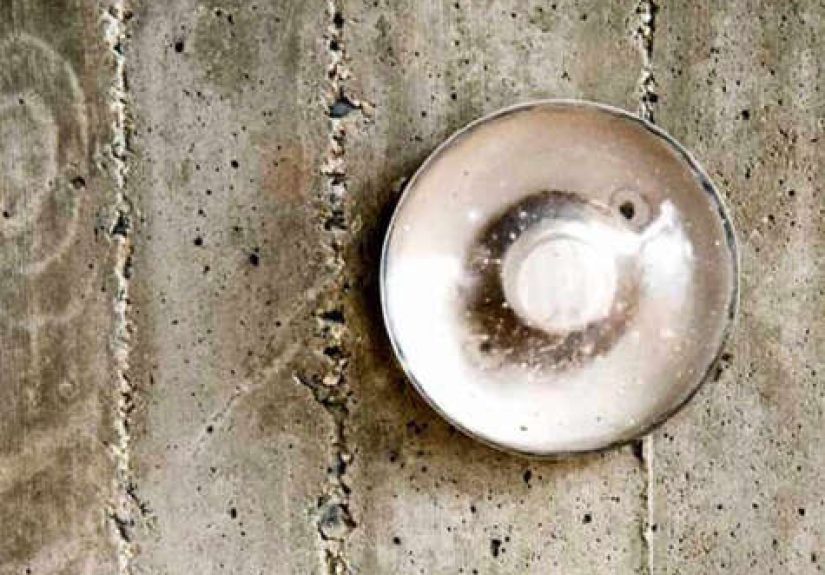
Bocci is best known for process-driven lighting that turns material experimentation into the final design language. That matters because a Bocci wall light rarely feels like a standard sconce with a fashionable shade attached. Instead, it usually feels like a luminous object mounted to the wall: part lighting, part sculpture, part atmosphere machine.
In practical terms, the phrase “Bocci sconce” often refers to the brand’s wall-and-ceiling pieces across several collections. Some are small and discreet. Some are soft and cloudy. Some look like frozen drops of molten glass. Others seem to trap smoke, frost, or weather inside a glowing orb. There are compact options that read almost like jewelry for the wall, and larger options that feel more like a mini installation.
That range is important. A Bocci sconce is not one exact look. It is a family resemblance. The common threads are handcrafted character, diffuse low-voltage light, and surfaces with enough irregularity to make the fixture feel alive. If a conventional sconce says, “I provide illumination,” a Bocci sconce says, “I provide illumination, mystery, and maybe a small philosophical crisis about the beauty of materials.”
Why Bocci Looks Different From Standard Wall Lighting
1. The process is visible
Many luxury fixtures are finished so perfectly that all evidence of how they were made disappears. Bocci tends to go in the other direction. The making is part of the aesthetic. Air pockets, distortions, folds, inclusions, mesh, texture, and asymmetry are not flaws to hide. They are the point. This gives Bocci lighting a more organic and tactile appearance than the average polished designer sconce.
2. The light is atmospheric, not merely functional
A Bocci wall light is rarely about hard task lighting. It is about mood, depth, and glow. The illumination is often warm and soft, which makes the fixture excellent for spaces where ambiance matters more than surgical brightness. Hallways, powder rooms, bedrooms, stair landings, boutique hospitality spaces, and dramatic living rooms all benefit from that kind of light. Your taxes will not do themselves under it, but your room will look incredible.
3. No two pieces feel exactly the same
Because so much of Bocci’s appeal comes from handmade glass and experimental fabrication, the fixtures do not read like identical mass-produced units. That individuality is a major draw for clients who want a room to feel collected and personal rather than catalog-perfect. It is the difference between ordering a wall light and commissioning a mood.
Signature Bocci Sconce Styles Worth Knowing
The 14 Series: minimal, iconic, and surprisingly emotional
If you want the most approachable entry into Bocci wall lighting, the 14 series is often the first stop. The form is restrained, but the effect is poetic. It has a compact scale, a cast-glass presence, and a glow that feels almost candle-like. On a wall, it can read as subtle punctuation rather than a grand declaration, which is exactly why it works so well in pairs beside a mirror, lining a hallway, or punctuating a stair wall.
There is a calmness to the 14 that makes it especially useful in interiors that are already rich in texture. Think plaster walls, oak millwork, limestone, unlacquered brass, or soft matte paint. It does not fight the room. It deepens it.
The 28 Series: glass with more drama and dimensionality
The 28 series takes the conversation in a more expressive direction. Its blown-glass form has a depth and interior complexity that make it feel more sculptural even when the fixture is off. When lit, it produces a moody, layered glow that can make a plain wall look suddenly expensive and oddly cinematic. It is the kind of wall light that interior designers love because it does not need a lot of help. Give it a clean wall and decent proportions, and it will do the heavy lifting.
In modern apartments, boutique hotels, and high-contrast interiors, the 28 often feels right at home. It is still elegant, but it has more visual volume than the 14. It is the difference between a whisper and a beautifully husky voice.
The 57, 73, and 76 families: softer, stranger, more atmospheric
This is where Bocci starts flexing its experimental muscles in a bigger way. These series lean into irregular forms, handcrafted glass presence, and a more artful visual language. Some versions feel smoky or cloud-like. Others have a more liquid, molten, or weathered character. These are ideal when you want the wall light to read as a focal point rather than a supporting detail.
For designers creating highly tactile rooms, these collections can be a gift. They work beautifully against plaster, stone, limewash, dark paint, and richly grained wood. The fixture catches ambient light during the day and glows with a softer mystery at night. That day-to-night performance is one reason people fall hard for Bocci. It keeps giving.
The 84 and 100 families: sculptural glow with gallery energy
If your goal is a sconce that edges closer to collectible design, Bocci’s more sculptural series are often where the obsession begins. These pieces have a layered, almost suspended quality inside the glass that makes them feel less like products and more like captured phenomena. Installed individually, they are striking. Installed in multiples, they can transform an ordinary wall into an illuminated composition.
This is also where Bocci becomes especially appealing for luxury residential projects and hospitality settings. A wall light that feels like a small art object can elevate the whole room without adding clutter. It is one object doing three jobs: lighting, decoration, and atmosphere.
Where a Bocci Sconce Works Best
The best placement for a Bocci sconce depends on whether you want it to perform quietly or steal the spotlight. In a hallway, a row of smaller fixtures can create rhythm and intimacy. In a powder room, a pair flanking a mirror can make the room feel instantly custom. In a bedroom, one mounted beside the bed has a sculptural softness that feels more sophisticated than a typical reading sconce. In a stairwell, several installed at varied heights can turn a transitional space into something memorable.
Bocci also works especially well in spaces where the wall itself has character. Plaster, Venetian plaster, Roman clay, limewash, microcement, natural stone, and white oak paneling all pair beautifully with the brand’s handmade sensibility. The fixture looks best when it has a little silence around it. This is not the time for busy wallpaper, twelve competing accessories, and an overachieving gallery wall. Let the glass breathe.
It also shines in hospitality-style interiors. Restaurants, boutique hotels, lounges, and spa-like bathrooms benefit from lighting that is flattering and immersive rather than bluntly bright. A Bocci wall fixture creates the sort of glow that makes people lean in, lower their voices, and suddenly believe they have excellent taste in wine.
Practical Buying Considerations Before You Commit
Now for the unglamorous but essential part: the logistics. A Bocci sconce is not usually a casual, last-minute swap for a builder-grade wall light. Many of the brand’s wall-and-ceiling fixtures use low-voltage systems and remote-mounted power supplies, while certain versions are designed to work more directly with a junction box. Translation: plan early, talk to your electrician, and do not assume every model installs like a typical big-box sconce.
Dimming matters too. Bocci pieces are often chosen precisely because of their warm, ambient glow, so proper dimming is not a “nice bonus.” It is the whole romance. If the dimming setup is wrong, the magic gets a lot less magical. Review the specifications, coordinate with your installer, and verify compatibility before the fixture arrives on-site.
Another major consideration is location. Some Bocci wall fixtures are appropriate for wet or damp environments, while others are better suited to dry interiors. That means a powder room, spa bath, or covered outdoor application may be possible with the right series, but not with every series. It is a good reminder that beautiful lighting still has to obey physics, electrical codes, and common sense. Sadly, even gorgeous glass does not make waterproofing optional.
Finally, be realistic about budget. Bocci is not cheap, and it is not trying to be. You are paying for design research, fabrication complexity, and handcrafted variation. If you want a basic wall light that simply turns on and off, there are countless cheaper options. If you want a fixture that changes how a room feels, the value equation starts to look very different.
How to Style a Bocci Sconce So It Actually Looks Expensive
First, avoid overcrowding it. Bocci’s strength is presence, not noise. One well-placed sconce on a beautiful wall can outperform a whole army of mediocre fixtures. Second, pay attention to materials nearby. Bocci tends to love natural stone, dark bronze, unlacquered brass, plaster, smoked oak, walnut, linen, boucle, and other surfaces with tactile richness. Third, do not blast it with overly bright overhead lighting. A Bocci wall light should be allowed to glow, not compete with a ceiling fixture that feels like an interrogation lamp.
Stylistically, Bocci is surprisingly flexible. It can work in minimal interiors, but it also thrives in warmer contemporary spaces, wabi-sabi-inspired rooms, gallery-like homes, and architecture-led environments. It is less convincing in rooms that are overly ornate, overly shiny, or trying too hard to be trendy. Bocci does not really do trend. It does material drama with restraint.
Is a Bocci Sconce Worth It?
If your only question is whether it provides light, the answer is yes. But that is much too small a question. The better question is whether it provides the kind of visual and emotional atmosphere you cannot get from ordinary wall lighting. In that sense, a Bocci sconce often earns its reputation. It adds depth even when switched off. It creates warmth when switched on. It brings craft into the room without feeling rustic, and art into the room without becoming pretentious.
That balance is rare. Plenty of fixtures are sculptural but cold. Plenty are practical but forgettable. Bocci sits in the sweet spot where functionality, craftsmanship, and emotional tone overlap. You notice it. You remember it. And if you install the right one in the right place, guests will absolutely ask about it in that casual voice people use when they are definitely plotting to copy you later.
Extended Experience: Living With a Bocci Sconce
Living with a Bocci sconce is different from merely owning one. At first, you notice the object itself. You notice the glass, the shape, the way it catches daylight, the way it looks slightly different from every angle. It feels special right away, and yes, there is a small thrill every time you walk past it. That part is immediate. But the deeper appeal reveals itself more slowly.
Over time, what stands out most is how the fixture changes the mood of a room without making a spectacle of itself. In the morning, it can look cool, sculptural, and almost quiet, like a piece of glass art resting on the wall. By late afternoon, natural light starts to skim across its surface and pick up details you did not notice earlier. Then evening arrives, you switch it on, and the whole fixture changes personality. The wall behind it feels softer. Shadows stretch differently. Corners become gentler. Suddenly the room is not just lit; it is composed.
That is one of the most satisfying things about Bocci lighting: it gives you a daily experience rather than a single visual impression. Some fixtures wow you on installation day and then slowly disappear into the background. A Bocci sconce tends to do the opposite. The more familiar you become with it, the more you appreciate its restraint, texture, and warmth. It keeps revealing little moods. It keeps earning its keep.
It is also unusually good at making ordinary routines feel better. Walking down a hallway at night feels calmer. Washing your face in a powder room feels faintly cinematic. Sitting in a bedroom with overhead lights turned off suddenly becomes appealing instead of depressing. Even a quiet corner with a chair and side table feels more intentional when that wall light is glowing nearby. A well-chosen Bocci sconce does not just decorate a room; it edits the atmosphere of everyday life.
There is, of course, a social side to the experience too. People notice it. Not everyone will know the brand, but they will know the fixture is not standard. They may call it artistic, moody, elegant, strange, or beautiful. Usually all of the above. It sparks curiosity without looking like it is trying to spark curiosity, which is a difficult trick and one of the reasons great design feels so easy when it absolutely is not.
Perhaps the best part is that a Bocci sconce rarely feels disposable. It does not chase a fast trend or rely on gimmicks. It feels considered. It feels lasting. Years later, it is still likely to look relevant because it was never really about fashion in the first place. It was about material, light, and emotion. Those things age well. They also happen to be the reasons people fall in love with interiors to begin with.
So the experience of a Bocci sconce is not just about brightness levels, finish options, or even craftsmanship, though all of those matter. It is about how a room behaves around the fixture. It is about the way light softens an edge, warms a wall, flatters a material, and changes your pace without announcing that it has done so. That is the real luxury: not excess, but atmosphere. Not noise, but nuance. Not a loud designer label on the wall, but a glowing object that makes the whole room feel more alive.
Conclusion
A Bocci sconce is not the obvious choice, and that is exactly its appeal. It suits people who care about lighting as architecture, as texture, and as emotion. Whether you lean toward the compact restraint of the 14 series, the richer dimensionality of the 28, or the more sculptural drama found in Bocci’s cloudier, smokier, and more experimental glass families, the result is usually the same: a room with more depth, more atmosphere, and more character.
If you want wall lighting that behaves like decor, there are easier options. If you want wall lighting that changes the feeling of a space, a Bocci sconce makes a compelling case for itself. It is refined without being sterile, artistic without being chaotic, and luxurious without needing to shout. In other words, it is the kind of lighting people remember.