Table of Contents >> Show >> Hide
- What Are Starry String Lights and Diamond Lights?
- Why These Lights Keep Winning the Decor Game
- How to Choose the Right Starry String Lights or Diamond Lights
- Best Ways to Use Starry String Lights – Diamond Lights at Home
- How to Hang Them Without Making Your Space Look Messy
- Safety Tips That Are Not Boring Because Fire Is Boring
- Are Starry String Lights – Diamond Lights Worth It?
- Experiences With Starry String Lights – Diamond Lights
There are two kinds of lighting in this world: the harsh overhead bulb that makes everyone look like they are being interviewed in a police drama, and the soft, twinkly magic of starry string lights. If you are here for the second category, welcome home. Starry string lights and diamond lights have become favorites for bedrooms, patios, dorm rooms, parties, weddings, holiday corners, and those random little nooks that feel one throw blanket away from becoming your personality.
What makes them special is simple: they do more than light a space. They shape a mood. Starry string lights bring that delicate, scattered glow people usually associate with fairy lights. Diamond lights add structure and sparkle, often with geometric or faceted covers that make the bulbs feel more decorative even when the lights are switched off. Together, they hit the sweet spot between cozy and stylish, which is exactly why they keep showing up in modern homes, balcony makeovers, and event decor.
This guide breaks down what starry string lights and diamond lights are, how to choose the right kind, where to use them, how to hang them safely, and why they remain one of the easiest ways to make a room feel finished without draining your wallet or your patience.
What Are Starry String Lights and Diamond Lights?
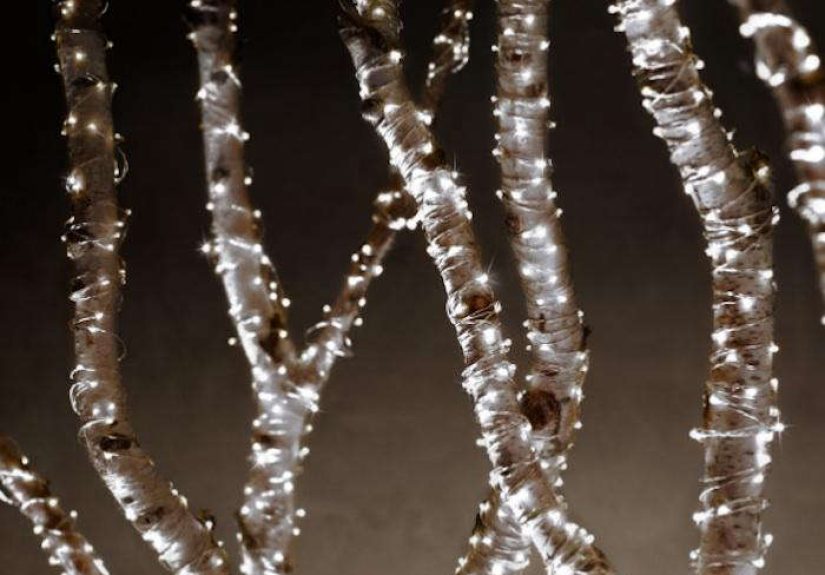
Starry string lights are usually lightweight decorative lights that create a delicate, dotted glow. Many use slim wire strands that can bend around mirrors, shelves, bed frames, centerpieces, and plants. They are often used when you want the light itself to feel almost invisible during the day and softly magical at night.
Diamond lights are a close cousin, but with more attitude. Instead of plain points of light, the bulbs or covers often come in geometric, faceted, caged, or jewel-like shapes. Some look modern and metallic. Others look playful and festive. The result is a string light that feels decorative even before it is plugged in.
In practical terms, the difference is about visual texture. Starry string lights are subtle and dreamy. Diamond lights are a little more sculptural. One whispers. The other says, “Yes, I do have excellent taste, thanks for noticing.”
Why These Lights Keep Winning the Decor Game
They create instant atmosphere
Few decor upgrades work as fast as string lights. You can add them to a blank wall, an empty patio, or a shelf that currently looks emotionally unavailable, and suddenly the whole area feels warmer. That is the magic of ambient lighting. It softens hard edges, adds depth, and makes a space feel lived in.
They work indoors and outdoors
One reason starry string lights and diamond lights are so popular is versatility. Indoors, they can make bedrooms, reading corners, dorm rooms, nurseries, or mantels feel cozy. Outdoors, they can frame patios, balconies, decks, pergolas, and fences. The key is choosing lights rated for the environment where you will use them. Indoor lights are not automatically outdoor lights, and rain has a way of exposing bad decisions.
They pair well with almost every style
Minimalist room? Choose slim warm-white starry lights. Rustic patio? Use diamond lights with black or bronze cages. Glam bedroom? Rose-gold geometric lights will absolutely show up and do the job. Farmhouse, boho, modern, cottagecore, holiday-ready, or “I found this on sale and now it is my whole aesthetic” all work here.
LED options are the smart default
For most people, LED versions are the way to go. They are more energy-efficient, long-lasting, and better suited to decorative use over extended evenings. They also tend to stay cooler than older incandescent styles, which is a big deal for safety and comfort, especially indoors.
How to Choose the Right Starry String Lights or Diamond Lights
1. Decide where they will live
Before you fall in love with the first pretty set you see, ask the unglamorous but necessary question: where are these going? A bedroom headboard needs something different from a pergola or a wedding backdrop. Indoor string lights can prioritize softness, flexibility, and decorative shape. Outdoor lights need weather-minded construction, stronger cords, and proper ratings for exterior use.
2. Pick a power source that matches your setup
Plug-in lights are great for long-term use and bigger areas. Battery-operated starry string lights work well for shelves, centerpieces, mantels, and spots where an outlet is not nearby. Solar options are handy outside if your setup gets enough sun. USB-powered versions are a favorite for desks, dorms, and content-creator corners where every cable is already part of the ecosystem anyway.
3. Choose your light color wisely
Warm white is the classic choice because it feels cozy, flattering, and easy on the eyes. It is the color you want for bedrooms, patios, dinner setups, and reading corners. Cool white feels crisper and more modern, but it can come off slightly blue in some spaces. Multicolor styles are fun for parties, holidays, kids’ rooms, and anyone who believes subtlety is optional.
4. Look at the wire and housing
With starry string lights, the wire matters. A slim copper or silver wire disappears more easily and gives the floating-light effect people love. With diamond lights, look at the bulb covers or cages. Metal geometric shells often lean modern and trendy, while faceted plastic or glass-style covers create more sparkle. The shape should match the room, not fight it.
5. Check length, spacing, and connectability
A short strand might be perfect for a mirror but underwhelming for a patio. Likewise, widely spaced bulbs create a more open, decorative look, while dense spacing feels fuller and more dramatic. For larger outdoor zones, some string lights allow multiple sets to connect end to end. Always follow the product guidance instead of assuming every strand is infinitely stackable. That is how innocent decorating turns into electrical nonsense.
6. Think about brightness and function
Decorative string lights are mostly about mood, not task lighting. They are excellent for atmosphere, not for assembling furniture or reading the fine print on a tax form. If you want a space to be functional after dark, pair string lights with layered lighting such as sconces, lanterns, table lamps, or focused patio lights.
Best Ways to Use Starry String Lights – Diamond Lights at Home
Bedrooms that feel calm instead of clinical
Drape starry string lights above a headboard, across a canopy bed, around a mirror, or along a floating shelf. They create a soft evening glow that makes a room feel calmer without overpowering it. Diamond lights work especially well in teen rooms, dorms, or guest rooms where you want a decorative focal point with a little extra charm.
Living rooms with better evening energy
Wrap a strand inside a lantern, tuck one through open shelving, or style a glass bowl with delicate starry lights for subtle sparkle. This is one of the easiest ways to make a living room feel more layered. Overhead lighting does a job. String lights tell a story.
Patios, balconies, and pergolas
Outdoors is where these lights really flex. String them above a seating area, zigzag them across a pergola, trace a balcony railing, or frame a small bistro table setup. Diamond lights can make a modest patio feel more styled, while traditional starry lights are perfect for wrapping planters, fencing, or trellises. Even a tiny apartment balcony can go from “storage zone” to “evening retreat” with one well-placed strand.
Party and event decor
These lights also shine at celebrations. Use them behind dessert tables, in centerpieces, around signage, along gift tables, or inside jars and vases. Starry wire lights are especially useful for events because they bend into shapes and tuck into decor more easily. Diamond lights add visual personality for photo-worthy setups without demanding a huge budget.
Seasonal decorating that can stay up longer
Holiday lights are great, but the best decorative lights do not look out of place in January. Warm white starry string lights and simple diamond lights can move from holiday decor into year-round use with zero drama. That makes them a better buy than novelty pieces that scream one season and then spend the next eleven months in a tangled storage bin.
How to Hang Them Without Making Your Space Look Messy
Start with a plan. Measure the area first. Sketch the path if needed. Decide whether you want a straight line, a canopy effect, a zigzag pattern, or a soft drape. This matters more than people think. Good lighting looks effortless, but effortless-looking decor usually involved at least one tape measure and a person muttering under their breath.
For indoor setups, clear adhesive hooks are popular because they are simple and renter-friendly. Along ceilings, windows, or mirrors, they help keep the line neat and intentional. For outdoor setups, use hooks, poles, guide wires, or sturdy anchor points appropriate for exterior conditions. Sag can look charming, but uncontrolled droop can quickly cross into “Why is the patio looking tired?”
If you are hanging longer strands outside, tension matters. Pull them too tight and the setup can feel stiff. Leave them too loose and they may sag awkwardly. Aim for a gentle curve that looks relaxed but secure. On patios and decks, a square or crisscross pattern often gives the nicest balance of coverage and style.
Safety Tips That Are Not Boring Because Fire Is Boring
Decorative lighting should be pretty, not dramatic in the emergency sense. Here are the basics that matter:
Use the right rating
Only use outdoor-rated lights outdoors. The same goes for extension cords and accessories. Moisture, temperature swings, and exposure all matter.
Inspect before you install
Check for frayed wires, damaged sockets, cracked covers, or loose connections. If a strand looks questionable, retire it. Decorative lighting is not the place for “it will probably be fine.”
Do not overload outlets
Follow the manufacturer guidance for how many sets can connect together, and avoid turning one outlet into a power-strip octopus. This is especially important for older incandescent sets and larger displays.
Be careful near water
Outdoor lighting near pools, fountains, or areas where water can collect requires extra caution. Battery boxes on some decorative lights are not waterproof even when the light strand itself offers some water resistance. Read the details before placing them outside.
Choose LED when possible
LED decorative light strings are generally more efficient and durable for this kind of use. They also tend to run cooler, which makes them more practical for longer display times.
Are Starry String Lights – Diamond Lights Worth It?
Yes, especially if you want maximum visual payoff for minimum decorating effort. They are affordable, flexible, easy to style, and remarkably good at making ordinary spaces feel intentional. You do not need a major renovation to change the mood of a room or patio. Sometimes you just need a strand of warm lights and the good judgment to stop before the whole place starts looking like a year-round carnival.
The real appeal is that these lights can be both subtle and expressive. You can use them quietly in a reading corner or make them the star of an outdoor gathering. You can go sleek with geometric diamond lights or soft and whimsical with delicate starry strands. Either way, they bring texture, glow, and that elusive “finished” feeling every space wants.
Experiences With Starry String Lights – Diamond Lights
The first time I used starry string lights in a real room instead of admiring them in photos, I understood the obsession immediately. The room itself was nothing fancy: standard walls, regular furniture, and one overhead light that seemed determined to flatten every ounce of personality out of the space. I wrapped a strand of warm starry lights around a mirror and placed another along a shelf, and the whole room changed in about ten minutes. Not subtly, either. It went from “temporary setup” to “someone definitely drinks tea here and has their life together.” That was aspirational, but the lighting sold it.
Diamond lights created a different kind of effect. Instead of disappearing into the background, they added shape during the day and sparkle at night. I used a geometric set on a small balcony once, weaving it around a railing and a plant stand. During daylight, the metallic diamond covers looked decorative enough to feel intentional. At night, the light bounced off the facets and created a slightly more polished, styled look than plain string lights would have. It felt less like generic outdoor lighting and more like an actual design choice.
One of the best things about these lights is how forgiving they are. A shelf can be under-styled, a corner can feel awkward, and a patio can look incomplete, but once you add a strand of lights, the space starts making sense. I have seen starry string lights tucked into glass jars on a dining table, looped through open bookcases, draped over headboards, and wrapped around curtain rods. I have also seen diamond lights used for bridal showers, birthdays, apartment balconies, and holiday mantels. They adapt easily, which is rare in decor. Most things demand the room change for them. These lights are more cooperative.
There is also something emotionally different about using them in everyday life rather than just for events. String lights are often associated with parties, but they are just as satisfying on ordinary weeknights. They make reading feel nicer, make takeout feel less sad, and somehow improve the mood of rainy evenings. That sounds dramatic, but anyone who has eaten pasta under soft warm lights instead of a glaring ceiling fixture knows exactly what I mean.
Of course, experience also teaches restraint. Too many strands can tip a room from cozy to chaotic. The best setups usually have a clear purpose: highlight a nook, soften a wall, frame a seating area, or create a little glow where the room needs it most. Once I learned that, the results got much better. Instead of putting lights everywhere, I started using them strategically. That is when starry string lights and diamond lights really started to look elegant rather than just enthusiastic.
If there is one lasting impression these lights leave, it is this: they make spaces feel kinder. Softer. More welcoming. More human. That may be why people keep coming back to them year after year. They are not just decoration. They are atmosphere you can plug in.