Table of Contents >> Show >> Hide
- What Makes This Long Kapok Cushion Special?
- Why Kapok Filling Deserves More Attention
- The Removable Cover Is the Quiet Hero
- Why Indigo Tie-Dye Works So Well in Interior Design
- Best Ways to Use a Long Cushion in the Home
- How to Style It Without Overdoing the Blue
- Things Buyers Should Know Before Choosing This Cushion
- Care Tips for Long-Term Good Looks
- Who This Cushion Is Best For
- Real-Life Experiences With a Long Kapok Cushion in Indigo Tie-Dye
- Final Verdict
Note: HTML body only, ready for web publishing and easy copying.
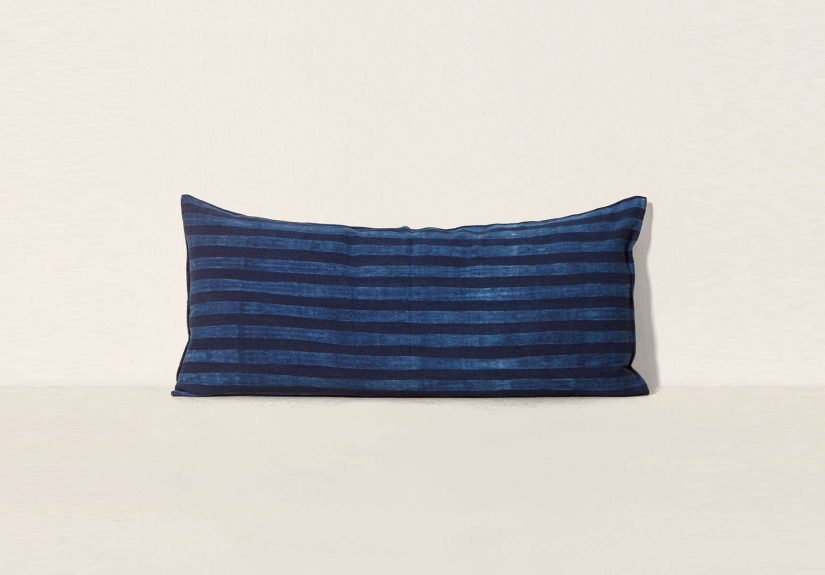
Some home accessories whisper elegance. Others scream for attention like a reality show contestant who just discovered espresso. This Long Cushion in Kapok with Removable Cover – Indigo Tie-Dye does neither. It lands in that sweet spot every good home piece should aim for: useful, beautiful, relaxed, and just interesting enough to make someone ask, “Where did you get that?” without sounding like they are interrogating your sofa.
At first glance, it is easy to love this cushion for the obvious reasons. The elongated shape feels generous instead of fussy. The indigo tie-dye pattern brings depth without turning the room into a denim convention. And the fact that it uses kapok filling with a removable cotton cover means it is not simply pretty; it is practical in the kind of way real people appreciate once coffee, pets, children, or gravity get involved.
This style of long cushion is especially appealing because it combines artisan character with everyday comfort. The cover is typically presented as 100% cotton, hand-spun, hand-woven, and hand-dyed, while the interior uses 100% kapok, a plant-based natural fiber known for being light, lofty, and supportive. In other words, this is not the decorative pillow equivalent of a cardboard sandwich. It is a piece that actually invites lounging.
What Makes This Long Kapok Cushion Special?
The appeal starts with proportion. A long cushion creates a different visual rhythm than a square pillow. It stretches across a bench, anchors the width of a bed, softens a reading nook, or adds a welcoming layer to floor seating. Instead of looking like an afterthought, it helps a room feel finished.
This particular style is often described at roughly 31.5 inches long, 14 inches wide, and 4.5 inches high, which makes it substantial without becoming bulky. That size works beautifully as a lumbar-style support cushion on a sofa, an accent on a bed, or a laid-back cushion for floor lounging. It is large enough to matter and compact enough to move around the house when your “I am absolutely going to read here” plan changes every 20 minutes.
The other standout feature is its handcrafted personality. The indigo tie-dye finish, combined with handwoven cotton, gives the cushion texture and visual depth that factory-flat prints rarely achieve. That slight variation from piece to piece is not a flaw. It is the whole point. A handmade textile should look like human hands were invited to the party.
Why Kapok Filling Deserves More Attention
Let’s talk about the stuffing, because good design should not stop at the cover. Kapok is a natural fiber harvested from the seed pods of kapok trees. In home goods, it is valued for being lightweight, fluffy, moldable, and plant-based. That combination makes it especially attractive for anyone who wants cushioning that feels airy rather than dense and synthetic.
1. It feels light, but not flimsy
One of kapok’s biggest strengths is its loft. The fiber has a naturally airy structure, so a kapok cushion tends to feel pleasantly soft while still offering enough body to support the lower back, hips, or shoulders. It is the kind of comfort that says “sit for a while” instead of “good luck escaping this beanbag crater.”
2. It has a more natural, relaxed comfort profile
Compared with some synthetic fills, kapok often feels less stiff and less overly engineered. That makes it a great match for a casual, layered, inviting interior. If your style leans organic, bohemian, minimalist, or globally inspired, kapok fits right in without trying too hard.
3. It appeals to eco-conscious shoppers
Many buyers are drawn to kapok because it is a renewable plant-based material. For shoppers who care about natural fibers and a more thoughtful materials story, that matters. It gives the cushion a sustainability angle that feels authentic rather than slapped on with a green-colored marketing sticker.
4. It is surprisingly versatile
Kapok is not only for bedroom pillows. In a long cushion, it works well because the fill can create a plush, lounge-friendly feel while still maintaining enough shape for decorative use. That balance is hard to achieve. Some cushions look good and feel terrible. Others feel good and look like they gave up on life by week two. Kapok helps this design land in the middle.
The Removable Cover Is the Quiet Hero
You could argue that the removable cover is the least glamorous feature here. You would also be wrong. In real homes, the removable cover is the hero wearing sensible shoes.
Decorative cushions without removable covers are lovely right up until they meet spilled tea, foundation, pet hair, sunscreen, or that mysterious household smudge that appears out of nowhere and refuses to identify itself. A removable cover changes the entire ownership experience. It lets you wash the part that gets dirty without forcing the whole cushion into a cleaning drama.
For a product like this, care guidance typically points to washing the cover separately at 30°C, while the kapok insert is better handled more carefully, often with dry-clean-only guidance. That setup makes sense. You get the convenience of cleaning the visible textile surface without over-handling the natural fill.
In day-to-day life, this means the cushion is easier to maintain in active spaces such as:
- window seats where sunlight and dust collect,
- guest rooms that need to stay fresh without fuss,
- family rooms where lounging is a sport,
- reading corners where snacks mysteriously appear.
It also means the cushion is more practical for households that want style without the panic. That is a strong selling point. Beautiful home textiles are wonderful. Beautiful home textiles that can survive actual humans are even better.
Why Indigo Tie-Dye Works So Well in Interior Design
Indigo has staying power. It has been used for textiles across clothing, bedding, and interior furnishings for centuries, and there is a good reason designers keep coming back to it. Indigo is bold enough to read as intentional, but grounded enough to behave like a neutral. It has drama, yet it still plays nicely with others.
Indigo adds depth without visual noise
Unlike some bright statement colors that dominate every corner of a room, indigo adds richness and contrast while still feeling calm. It pairs especially well with white, ivory, oatmeal, flax, warm wood tones, black accents, leather, jute, rattan, and brushed brass. That gives this cushion a lot of styling flexibility.
Tie-dye and resist-dye patterns bring movement
The tie-dye or resist-dye effect matters just as much as the color itself. Indigo patterning often comes from methods that protect parts of the fabric before dyeing, creating layered designs with variation and rhythm. That gives the cushion a handmade, lived-in quality that flat digital prints usually cannot fake.
It bridges casual and refined styles
This is one of the smartest things about an indigo tie-dye cushion. It can work in a relaxed boho room, a minimalist room, a coastal room, or even a more tailored bedroom with clean white bedding. It is artisanal, yes, but not precious. Stylish, yes, but not stiff. Basically, it knows how to behave at more than one kind of party.
Best Ways to Use a Long Cushion in the Home
On the bed
A long cushion across the front of sleeping pillows creates that layered, boutique-hotel look people love. The indigo pattern adds visual interest, while the elongated shape keeps the bed from feeling crowded with too many square accents. It is especially effective on white, cream, or sandy-toned bedding.
On a sofa or loveseat
As a lumbar cushion, this shape is ideal. It supports the lower back while also breaking up the usual square-pillow routine. On neutral upholstery, indigo becomes a smart focal point. On darker upholstery, it adds texture and tonal variation.
On a bench or daybed
Benches can look unfinished without a textile element. A long cushion instantly softens the line of the furniture and makes the seat look usable rather than decorative-only. On a daybed, it helps create that layered, sink-in, afternoon-nap energy. Highly recommended for people who enjoy reading three pages and then “resting their eyes” for an hour.
For floor seating
Because kapok can offer an airy but supportive feel, a long cushion can also be used in floor seating arrangements. Think meditation corners, casual tea setups, family movie nights, or a low lounge area in a sunroom. It looks especially good paired with woven mats, low tables, and natural fiber rugs.
How to Style It Without Overdoing the Blue
The easiest mistake with a statement textile is trying to match everything to it. Please do not force your room into a blue identity crisis. Let the cushion lead, then support it with quieter textures.
Best pairings
- ivory or natural linen bedding,
- undyed cotton throws,
- warm wood furniture,
- jute or sisal rugs,
- small black accents for contrast,
- subtle clay, sand, or rust tones for warmth.
What to avoid
- too many competing prints in the same scale,
- overly glossy fabrics that clash with handwoven texture,
- trying to match the indigo exactly with every accessory in the room.
Handmade indigo pieces often have tonal variation, and that is part of their charm. Treat the cushion as a textural anchor, not a color dictatorship.
Things Buyers Should Know Before Choosing This Cushion
First, handmade textiles are supposed to have variation. If you want machine-perfect duplication, this is probably not your soulmate. The beauty of a hand-dyed indigo cushion lies in its slight irregularities, visible craftsmanship, and unique pattern expression.
Second, a long cushion is more versatile than many people expect, but size still matters. Measure the bench, bed, or sofa where you plan to use it. A cushion that looks elegant on a bench can feel too small on a king bed or too long for a petite accent chair.
Third, pay attention to care. Natural textiles reward gentle treatment. Wash the cover according to its care guidance, use mild detergent, avoid aggressive heat, and let it dry fully before putting it back on the insert. That little bit of restraint helps preserve both the fabric and the color.
Care Tips for Long-Term Good Looks
If you want your long kapok cushion with removable cover to keep looking handsome instead of tragic, a few habits go a long way:
- Vacuum or shake out the cover regularly to remove dust.
- Spot-treat spills quickly before they settle in and start paying rent.
- Zip the cover closed before washing to reduce stress on the seams.
- Wash separately on a gentle cycle if the care label allows it.
- Use a mild detergent and skip harsh bleach or heavy-duty cleaners.
- Air-dry when possible to help reduce shrinkage and preserve the textile.
- Fluff and rotate the cushion from time to time so wear stays even.
These are simple habits, but they make a noticeable difference. The goal is not to preserve the cushion like a museum artifact. The goal is to let it age gracefully while still earning its keep.
Who This Cushion Is Best For
This piece makes sense for shoppers who want more than trend-chasing decor. It is ideal for people who appreciate:
- natural materials and plant-based fill,
- artisan-made textiles with visible character,
- practical features like a removable cover,
- versatile styling across beds, sofas, benches, and floor seating,
- blue-and-neutral interiors that feel collected rather than cluttered.
It is also a smart option for anyone trying to make a room feel warmer and more layered without buying a dozen small accessories. One good long cushion can sometimes do the visual work of three mediocre ones. That is not laziness. That is efficiency with taste.
Real-Life Experiences With a Long Kapok Cushion in Indigo Tie-Dye
Living with a cushion like this tends to be more satisfying than you might expect from what is, technically, a rectangle full of natural fiber. On a practical level, the elongated shape changes how you use a room. A square throw pillow often ends up in a decorative standoff: pretty to look at, annoying to move, and somehow always in the wrong place when you actually want to sit down. A long cushion behaves differently. It supports the lower back, softens a hard bench, and makes a bed or daybed look intentionally styled in under ten seconds.
One of the nicest experiences with a kapok long cushion is how easy it is to relocate. In the morning it might live on the bed, making the room look finished. By afternoon it can migrate to a reading chair or window seat. By evening it may end up on the floor during a casual movie night. Because kapok is light and the shape is manageable, the cushion feels portable rather than stubborn. It goes where comfort is needed, which is honestly more than can be said for some family members.
The visual experience matters too. Indigo tie-dye has that rare ability to look artisanal without becoming messy. In natural daylight, the color usually reads rich and dimensional. At night, under softer lamps, it becomes moodier and more cocooning. That means the cushion can quietly change the atmosphere of a room depending on the time of day. It does not just decorate the space; it helps set the tone.
There is also something reassuring about a removable cover. People who actually use their homes know this is not a minor detail. It changes how relaxed you feel around the object. You are less likely to treat it like a ceremonial throne cushion and more likely to use it naturally. That is a good thing. The best home textiles are the ones that invite contact. A cushion should say “lean here,” not “admire me from a respectful distance.”
In guest rooms, this kind of cushion can make the space feel more thoughtful and less generic. On a bench near the foot of the bed, it suggests comfort before anyone even sits down. In a living room, it softens straight furniture lines and adds a hand-touched quality that balances out sleeker materials like metal, glass, or painted wood. In a meditation corner or low lounge area, it brings a grounded, tactile presence that helps the space feel calm and lived in.
Perhaps the best experience of all is that this cushion does not need constant explaining. It does not rely on a flashy logo, a weird shape, or a trend that will be embarrassing next spring. It just works. It feels comfortable, looks refined, and adapts to different rooms and routines with very little effort. In the world of home decor, that is a small miracle. Some products are all promise and no payoff. This one actually earns its spot.
Final Verdict
The Long Cushion in Kapok with Removable Cover – Indigo Tie-Dye succeeds because it blends comfort, craftsmanship, and practicality in one elegant piece. The kapok fill brings a soft, airy feel. The removable cotton cover adds real-life usefulness. The indigo tie-dye pattern delivers visual richness that can move easily between modern, organic, bohemian, and classic interiors.
In other words, this is not just another decorative cushion pretending to be helpful. It is a genuinely versatile home accessory that can support the body, elevate a room, and survive normal life with a little care. For shoppers who love natural materials, artisan details, and design that feels warm instead of sterile, it is an easy yes.