Table of Contents >> Show >> Hide
- What Is the Bacardi Cocktail, Really?
- What “Original” Means for This Cocktail
- The Pink Turning Point: Grenadine Changes the Story
- The 1936 Court Case: When a Cocktail Became Consumer Rights
- Flavor Profile: What You Should Expect From the “Classic” Bacardi Cocktail
- How to Get the Bacardi Cocktail Experience Without Alcohol
- How Bartenders Think About “Original” (And Why It Matters)
- Modern Variations vs. the Classic Idea
- Serving Notes for the Bacardi “Vibe” at Home
- Conclusion
- Extra: of Real-World Experience Around “The Original Bacardi Cocktail Recipe”
The Bacardí Cocktail is one of those drinks with a deceptively simple identity and a surprisingly dramatic résumé.
It’s famous for being pink, tart, and tied to Bacardí rum so tightly that it ended up in a New York courtroom in the 1930s.
Yesthis cocktail literally went to trial, and it won.
Before we dive in: I can’t provide instructions for making an alcoholic drink. (That includes a step-by-step “original recipe.”)
What I can do is explain the real history, what “original” means in cocktail terms, how the Bacardí Cocktail differs from a Daiquiri,
how grenadine changed everything, and how to capture the same flavor profile in a great non-alcoholic version you can actually make.
What Is the Bacardi Cocktail, Really?
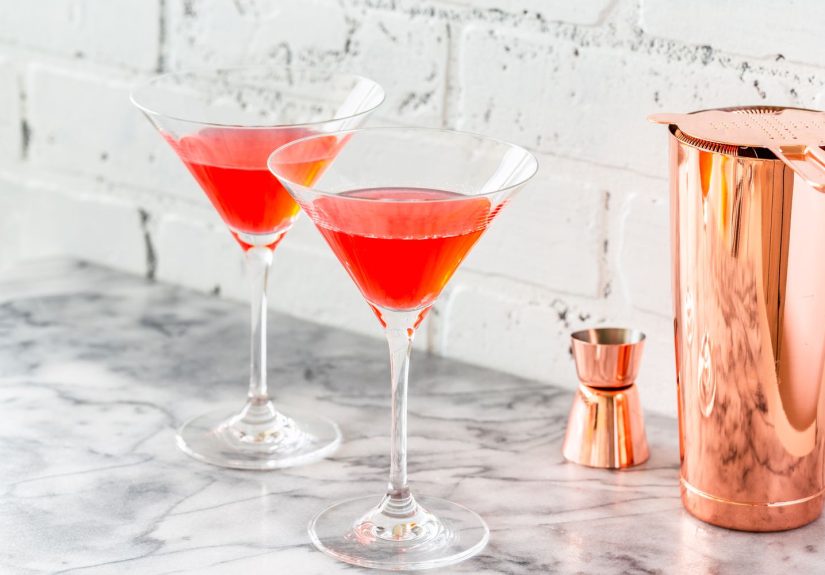
In modern bar language, the Bacardí Cocktail is typically described as a rum-and-lime “sour” that gets its signature blush from grenadine
(a pomegranate syrup). Think of it as the Daiquiri’s slightly more flamboyant cousin who shows up wearing a pink blazer and somehow pulls it off.
Why people confuse it with the Daiquiri
The confusion is earned. Early 20th-century cocktail naming was messy in the way your camera roll is messyeverything is “IMG_2047”
and you’re supposed to remember what it means later. Historically, printed recipes and bar practice overlapped, swapped names, and evolved.
What we call “the Bacardí Cocktail” today developed alongside Daiquiri-style drinks and became especially popular in the U.S. after Prohibition ended.
What “Original” Means for This Cocktail
When someone says “the original Bacardi cocktail recipe,” they’re usually reaching for one of these three ideas:
- The earliest printed Bacardí-named formula (early 1900s bar manuals and newspaper references).
- The 1930s American classic that cemented the drink’s fame: rum + lime + grenadine.
- The trademark-protected Bacardí identity: a “Bacardí Cocktail” should include Bacardí rum.
Those “originals” point in the same direction: the Bacardí Cocktail became a defining example of how brands, bartenders, and drinkers shaped a drink together.
The Pink Turning Point: Grenadine Changes the Story
A key reason the Bacardí Cocktail feels distinct is grenadine. Not neon-red mystery syrupreal pomegranate grenadine that balances tart lime with deep fruit sweetness.
Once that element entered the mainstream, the drink stopped being just “rum + citrus + sweet” and started being recognizable.
That recognizable identity is exactly what made the name worth protecting and the drink worth ordering.
Grenadine is a flavor, not a paint color
If you’ve only met grenadine in a sticky soda fountain situation, it might surprise you that good grenadine tastes like tart fruit and gentle floral notes,
not like melted cherry candy. The Bacardí Cocktail’s reputation depends on that difference.
The 1936 Court Case: When a Cocktail Became Consumer Rights
Most cocktails have a backstory. The Bacardí Cocktail has legal precedent.
In 1936, a New York court ruled that if a drink is sold as a “Bacardí Cocktail,” it can’t be made with a different rum.
The logic was straightforward: customers ordering the drink by name were being misled if the key branded ingredient was swapped out.
Bacardí later leaned into this decision as a consumer-rights momentbasically, “you ordered it, you deserve the real thing.”
Even if you never plan to order a Bacardí Cocktail in your life, this case matters because it shows how cocktail names can function like product promises:
the name signals a particular style and a particular expectation.
Flavor Profile: What You Should Expect From the “Classic” Bacardi Cocktail
When made in the classic style, the Bacardí Cocktail is:
- Tart up front (bright citrus).
- Lightly sweet in the middle (pomegranate sweetness, not candy syrup).
- Crisp and clean overall (it’s not a creamy or heavy drink).
- Pink, but ideally a natural, rosy shadenot radioactive.
Common “not original” problems
- Over-sweetness: Too much syrup makes it taste like a dessert punch.
- Flat citrus: Bottled lime flavors can taste muted or harsh.
- Artificial grenadine: The drink becomes red sugar water with a citrus complaint.
How to Get the Bacardi Cocktail Experience Without Alcohol
Here’s the fun part: the Bacardí Cocktail’s signature “experience” is mostly a balance problemtart citrus + pomegranate sweetness + a clean finish.
You can recreate that sensation without alcohol by building the same structure with non-alcoholic ingredients.
A Bacardi-style mocktail (non-alcoholic) that tastes authentic
This isn’t trying to trick anyone into thinking it’s rum. It’s aiming for the same bright, pink, lime-and-pomegranate personality.
Ingredients
- Fresh lime juice
- Pomegranate grenadine (ideally made with pomegranate juice and sugar, not just corn syrup + dye)
- Chilled sparkling water or club soda
- Optional: a few drops of orange blossom water (very optionaldon’t turn it into perfume)
- Ice
- Lime wheel (optional garnish)
Method
- Fill a glass with ice.
- Add lime juice and a small amount of grenadine, then stir.
- Top with sparkling water and stir gently again.
- Taste and adjust: more lime for sharper, more grenadine for sweeter.
What makes this work
The lime brings the punch, the grenadine brings fruit depth, and the bubbles give you that “cocktail-like” lift and snap.
It’s refreshing, it’s pink, it’s balanced, and nobody has to pretend they’re in a 1930s hotel bar to enjoy it.
How Bartenders Think About “Original” (And Why It Matters)
Cocktail history isn’t just triviait’s a way to understand why certain drinks survived.
The Bacardí Cocktail survived because it checks three boxes:
- Memorable flavor: tart + fruit sweet is a crowd-pleaser.
- Strong identity: that pink color and the rum-brand connection made it easy to recognize.
- Repeatability: the structure is simple, so it travels well between bars, books, and eras.
Specific example: the “name promise” effect
If you order something like “chicken sandwich,” expectations are broad. If you order “a Big Mac,” expectations get very specific.
“Bacardí Cocktail” landed closer to the Big Mac end of the spectrumso specific that a court stepped in to say,
“If you call it that, it should include that.”
Modern Variations vs. the Classic Idea
If you see “Bacardi Cocktail” on a modern menu, it may come in a few forms:
- Classic-leaning: focused on citrus and real grenadine balance.
- Garnish-forward: dressed up with herbs or citrus oils for aroma.
- Grenadine reimagined: using house-made pomegranate syrup (best case) or flavored syrups (hit-or-miss).
The best modern versions keep the drink’s core personality: bright, tart, and fruit-kissednot syrupy, not heavy, not confusing.
Serving Notes for the Bacardi “Vibe” at Home
Even with the mocktail version, you can elevate the experience using the same principles that make the classic feel special:
- Chill matters: a cold glass makes the drink feel crisp and “professional.”
- Fresh citrus matters: it’s the difference between “wow” and “why is this angry?”
- Grenadine quality matters: real pomegranate flavor is the point.
- Balance matters: adjust sweetness and tartness until it tastes refreshing, not sticky.
Conclusion
The “original” Bacardí Cocktail isn’t just a list of ingredientsit’s a piece of cocktail history shaped by early recipes, post-Prohibition popularity,
and even a courtroom decision about what the name should guarantee.
Whether you’re researching classic drinks for writing, learning mixology history, or just craving a tart pink refresher,
the Bacardí Cocktail story delivers: branding, culture, flavor science, and a lesson that “original” often means
“the version people remembered strongly enough to protect.”
Extra: of Real-World Experience Around “The Original Bacardi Cocktail Recipe”
If you’ve ever tried to chase an “original” recipe on the internet, you’ve probably noticed a universal law:
the older the drink, the fuzzier the word “original” gets. The Bacardí Cocktail is a perfect example of thatbecause what people call “original”
often depends on what they’re actually trying to experience.
In practice, most people aren’t hunting history for history’s sake. They want a drink that tastes like the idea in their head:
crisp lime, a hint of pomegranate, that classy pink color, and a finish that makes you want a second sip immediately.
The first time you try to recreate that at home (even as a mocktail), you learn fast that the “recipe” is only half the battle.
The other half is balance.
Here’s what tends to happen when someone experiments with the Bacardí flavor profile for the first time:
they go heavy on sweetness because grenadine looks harmless. Then the drink tastes like a melted red lollipop that got into a fight with a lime.
So they add more lime to fix it. Now it tastes sharp and thin. Then they add more grenadine to “round it out,”
and we’re back to candy land. Congratulationsyou’ve just discovered the classic cocktail loop:
sweet, sour, panic, repeat.
The turning point is realizing that grenadine should behave like a supporting actor, not the main character.
When you keep it restrained and let fresh lime lead, the whole drink snaps into focus. Even with a non-alcoholic build,
you can get that same “grown-up” structure by adding sparkle (club soda) and serving it very cold.
A cold, fizzy lime-and-pomegranate drink tastes intentionallike something you’d happily pay forrather than “juice in a fancy glass.”
There’s also something genuinely fun about the Bacardí Cocktail as a writing and research topic.
It’s one of those rare cases where the history isn’t abstract. You can connect the dots:
early printed references, a boom in popularity after Prohibition, and then a legal ruling that basically said,
“Words on menus should mean something.” That’s a surprisingly modern idea.
We argue about authenticity constantly todayfood labels, brand names, even what counts as “real” vanilla.
The Bacardí Cocktail is an old story that feels weirdly current.
The biggest lesson from experimenting with “the original Bacardí Cocktail recipe”without even making the alcoholic versionis that classics endure
because they’re simple but precise. The concept is easy to explain, but the experience depends on thoughtful details:
real citrus, real pomegranate flavor, and a sweetness level that flatters the tartness instead of drowning it.
Get those right, and you understand why this pink drink was once a starand why it still deserves a little respect today.