Table of Contents >> Show >> Hide
- What Actually Happened in the “Seinfeld” Case?
- How Did the Verdict Reach $26.6 Million?
- Why Mackenzie Ultimately Lost the Money
- What This Case Really Says About Workplace Culture
- Lessons for Employers, Managers, and Employees
- Related Experiences That Make This Story Feel So Familiar
- Conclusion
- SEO Tags
Some lawsuits sound like they were written by a late-night comedy writers’ room after too much coffee and not quite enough adult supervision. This is one of them. A workplace conversation about Seinfeld turned into a firing, then a headline-grabbing jury verdict worth $26.6 million, then an appellate collapse that erased the giant payday almost as dramatically as it arrived. If that sounds like a legal version of “yada yada yada,” not quite. The details matter, and they matter a lot.
The famous headline makes it seem like one sitcom joke triggered a massive jackpot and then a cruel reversal. The real story is messier, more revealing, and far more useful for anyone interested in employment law, workplace culture, office investigations, or the very modern phenomenon of a case becoming simpler in public memory than it ever was in court. In truth, the “Seinfeld case” was not just about one awkward conversation. It was about how employers investigate complaints, how courts separate contract law from tort law, how at-will employment limits recovery, and how a sensational verdict can dissolve once appellate judges start sharpening their pencils.
What Actually Happened in the “Seinfeld” Case?
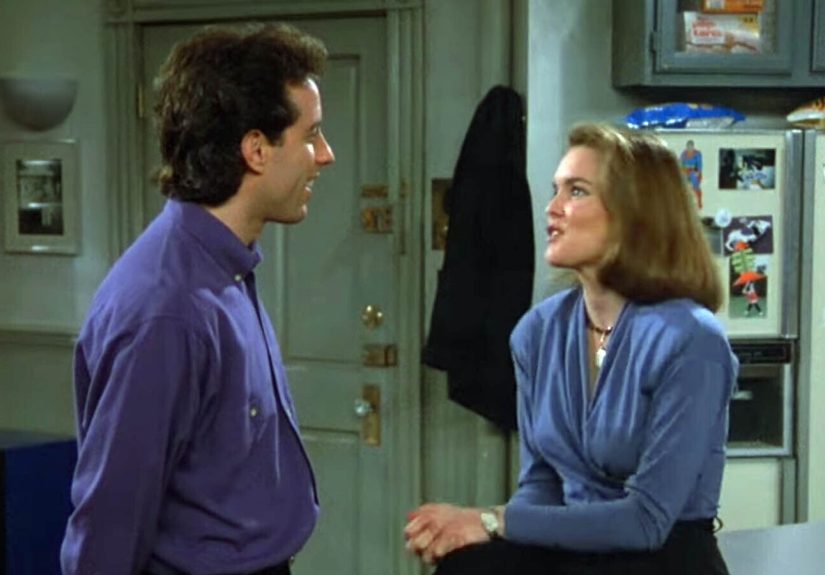
Jerold Mackenzie, a former Miller Brewing executive, was fired after a female colleague complained that he had discussed a Seinfeld episode in a way she found inappropriate. The episode involved suggestive wordplay and references to female anatomy, which is exactly the sort of thing that can sound like harmless sitcom chatter to one person and like a flashing HR alarm to another. In the public imagination, that was the whole case: man tells Seinfeld joke, company panics, jury goes wild.
But the trial record was much broader. Mackenzie argued that Miller and others had misrepresented his standing within the company for years. He claimed he had been misled about his career status and internal grade level, and that those misrepresentations caused him to remain in the job instead of seeking better opportunities elsewhere. He also pursued claims tied to interference with his promotion prospects and claims arising from the complaint that led to his termination.
That distinction is crucial. The huge jury verdict did not materialize because a jury decided sitcom recaps should be protected at the watercooler like a constitutional right. The real money came from the jury accepting broader theories about intentional misrepresentation and related wrongdoing in the employment relationship. The Seinfeld angle made the case famous, but the legal engine under the hood was much larger and more complicated.
The Headline Was Catchy. The Legal Theory Was Not.
This is where many retellings trip over their own loafers. The funny, memorable piece was the TV-show conversation. The expensive piece was the jury’s willingness to award millions on theories connected to Mackenzie’s employment status, future prospects, and punitive damages. In other words, the joke opened the door to headlines, but the damages came from the rest of the house.
That helps explain why the verdict looked enormous in 1997 and much shakier once appellate courts examined the underlying legal framework. A great jury story is not always a durable appellate story. In employment law, those are often two very different movies, and they do not share the same ending.
How Did the Verdict Reach $26.6 Million?
On paper, the 1997 result looked stunning. A jury awarded millions in compensatory damages and even more in punitive damages. The number was big enough to travel nationally, and travel it did. The case became a cultural curiosity because the phrase “fired over a Seinfeld joke” is simply irresistible to headline writers. It has conflict, comedy, workplace anxiety, and the smell of legal absurdity all packed into one sentence.
Yet big jury awards often reflect several stacked findings, not one dramatic event. Here, the award included damages tied to Mackenzie’s claims that he had been intentionally misled about his place in the company and his prospects. That is a very different proposition from saying a court valued one off-color TV conversation at $26.6 million. Jurors may have believed the company handled his status unfairly, acted too quickly, or created a broader pattern of harm. Once that broader theory is understood, the verdict makes more sense, even if the number still feels enormous enough to make most corporate finance teams reach for a paper bag.
Punitive damages also played a major role in inflating the total. Those damages are meant to punish especially wrongful conduct, not simply compensate for loss. When punitive damages enter the room, verdicts can go from “serious” to “headline-shaped” in a hurry. But punitive damages are also frequent targets on appeal, because courts scrutinize them carefully and do not hand them out like promotional tote bags at a conference.
Why the Jury Story Felt Bigger Than the Case Itself
Jurors live in the human drama of a trial. They hear testimony, watch witnesses, absorb emotion, and react to fairness in real time. Appellate judges do something much less cinematic. They ask whether the law actually recognized the claim, whether the evidence fit the required elements, and whether the damages rested on a legally stable foundation. That difference often explains why blockbuster verdicts shrink, wobble, or disappear later.
So yes, the jury’s award was real. But it was also vulnerable from the start because it depended on legal theories that higher courts were not eager to expand, especially in an at-will employment setting.
Why Mackenzie Ultimately Lost the Money
The short version is this: appellate courts decided that the biggest legal theory supporting the massive award did not belong in tort law the way Mackenzie framed it. Wisconsin’s courts drew a firm line between contract-based employment relationships and tort claims for intentional misrepresentation in that at-will context. Once that line was enforced, the foundation of the huge verdict cracked.
In plainer English, the higher courts were not willing to let an at-will employee turn alleged nondisclosure or misleading conduct about job status into the kind of tort claim that could generate massive damages. They worried that doing so would blur the boundary between contract law and tort law and reshape employment-at-will doctrine in a sweeping way. Courts are often reluctant to create new causes of action that would ripple through everyday employer-employee disputes. This case was a prime example of that caution.
The appellate court reversed the judgment, and the Wisconsin Supreme Court later upheld that result. That meant the famous windfall did not survive. The “won, then lost” framing is accurate, but it misses the reason. He did not simply lose because another court disliked the jury’s vibe. He lost because the legal theory behind the most significant part of the verdict did not hold up under appellate review.
At-Will Employment Did a Lot of Heavy Lifting
American employment law contains a deceptively simple rule: in many situations, at-will employment allows termination for good reason, bad reason, or no reason at all, so long as the reason is not unlawful under a recognized exception. That doctrine can feel harsh, but it remains powerful. Mackenzie tried to fit his case into theories that would move beyond that rule. The courts declined to open that door.
That does not mean employers can investigate sloppily or ignore fairness. It means the path to a giant tort recovery in an at-will setting is narrow, and courts are wary of widening it. If trial juries sometimes respond to perceived unfairness, appellate courts tend to respond to categories, boundaries, and precedent. Not as fun, admittedly. But very decisive.
What This Case Really Says About Workplace Culture
The case remains fascinating because it sits at the intersection of humor, power, context, and corporate judgment. One person’s harmless pop-culture banter can be another person’s uncomfortable sexualized conversation, especially when hierarchy, prior workplace history, and repeated comments are involved. The law does not evaluate jokes in a vacuum. It evaluates them in a workplace, with actual people, actual reporting obligations, and actual consequences.
That is why the story still resonates decades later. Offices are full of gray zones. A line from a TV show. A meme in the group chat. A joke told once, then retold after someone has clearly checked out of the conversation. Many workplace disputes begin not with cartoon villainy, but with a mismatch in perception and judgment. Add a previous complaint, an imperfect investigation, and a company worried about liability, and suddenly the sitcom recap is no longer just a sitcom recap.
At the same time, the case is also a reminder that sensational workplace narratives can erase legal nuance. It is easy to walk away thinking, “He got $26.6 million because someone hated a joke.” That version is neat, clickable, and wrong by omission. The deeper story is about employment status, internal communications, conditional privileges around harassment complaints, punitive damages, and the limits of tort law in the at-will setting. Not exactly stand-up comedy material, but much closer to the truth.
Lessons for Employers, Managers, and Employees
1. Investigate First, Theorize Later
Employers should not treat harassment complaints like hot potatoes to be flung across the room. A prompt response matters, but so does a thorough and impartial investigation. Moving too slowly creates risk. Moving too fast without care creates a different kind of risk. The goal is not panic. The goal is process.
2. Context Beats Punchlines
A joke is never just a joke at work if the context suggests discomfort, repetition, power imbalance, or prior warnings. Pop-culture references do not receive diplomatic immunity because they once aired on network television.
3. Big Verdicts Can Be Temporary
Trial victories make noise. Appellate decisions make law. If a case rests on a theory that stretches doctrine, a jury award may be only halftime, not the final score.
4. Headlines Often Oversimplify
Readers love a bizarre legal tale. So do editors. But the catchy version often hides the actual reason money was awarded or taken away. When a case sounds absurdly simple, it almost never is.
Related Experiences That Make This Story Feel So Familiar
One reason the Mackenzie story keeps resurfacing is that it feels strangely recognizable even to people who have never set foot inside a courtroom. Most offices have their own miniature version of this case, minus the millions and the appellate opinions. Someone says something they think is funny. Someone else winces. A third person says, “Come on, it was obviously a joke.” By lunchtime, the room has split into tribes: Team Overreaction, Team Inappropriate, and Team Please Do Not Drag Me Into This.
Another familiar experience is the speed at which a casual workplace moment can become part of an official record. Plenty of employees have lived through that stomach-drop moment when an offhand comment they barely remember is suddenly repeated in a meeting with HR, stripped of tone, timing, facial expression, and all the context that once made it feel harmless. Whether the comment was actually harmless is another question. But the emotional experience is real: a sentence that felt lightweight at 10:14 a.m. can feel like a bowling ball by 3:00 p.m.
Managers often have their own version of the same fear. They know that if they ignore a complaint, they can be accused of tolerating misconduct. If they overreact, they can be accused of unfairness, panic, or using the complaint as a convenient excuse to sideline someone already on thin ice. That tension shows up in real workplaces every day. It is one of the hardest parts of management, because the standard is not simply “do something.” The standard is “do the right thing for the right reason and document it well enough that strangers can understand it years later.” Easy to say. Much harder when people are emotional, facts are incomplete, and everyone wants the problem gone before the next quarterly meeting.
Then there is the experience of watching headlines flatten a complicated event into a one-line morality play. Many people have seen a news item about a lawsuit, celebrated or mocked the result, and then never learned that the appeal changed everything. Trial verdicts are dramatic. Appeals are quieter. They arrive later, with less fanfare, and often without the same public attention. That gap creates a strange cultural afterlife where lots of people remember the explosive number but not the legal reasoning that later took it away.
Finally, this story connects with a broader workplace truth: humor is social, but employment is structural. Those two things do not always get along. Humor depends on shared assumptions, shared timing, and shared trust. Workplaces contain unequal power, clashing personalities, legal duties, and long memories. Put those together and even a sitcom reference can become a test case about judgment. That does not mean offices need to become joyless museums where no one speaks above a whisper. It means people should understand that what feels funny in a living room may feel very different in a workplace, especially when the listener did not choose the audience, the timing, or the speaker.
So the enduring lesson is not “never mention Seinfeld at work,” although that would certainly simplify a few things. The better lesson is that workplaces run on context, credibility, and process. When any of those break down, the result can be a conflict that outlives the joke, outgrows the office, and ends up teaching law students, managers, and headline writers the same basic lesson: what sounds ridiculous from far away can become very serious up close.
Conclusion
The saga behind “Man Fired Over ‘Seinfeld’ Joke Won, Then Lost $26.6 Million” endures because it combines everything readers cannot resist: comedy, money, corporate tension, and a reversal dramatic enough to make a screenwriter jealous. But the lasting value of the story is not the punchline. It is the legal reality underneath it. Mackenzie’s case became famous because of a TV-show conversation, yet the biggest legal fight centered on broader claims about employment status, misrepresentation, and the limits of tort law in an at-will relationship. The jury saw one kind of unfairness. The appellate courts saw a doctrinal boundary they were not willing to cross.
That is why the case remains such a useful reminder for modern workplaces. Humor can misfire. Investigations can go wrong in either direction. Headlines can oversimplify. And a giant verdict can look solid one year and disappear the next. In the end, the story is not merely about a Seinfeld joke. It is about how law, workplace culture, and public storytelling collide when a strange office moment becomes a very expensive national spectacle.