Table of Contents >> Show >> Hide
- What Counts as a Midcentury House (and Why the Term Gets Misused)
- Why Midcentury Houses Still Feel “Right” in 2026
- The Signature Features People Still Chase
- Where Midcentury Houses Show Up Today (Real-World Hotspots)
- Buying a Midcentury House Today: What to Love, What to Inspect
- Renovating Without Erasing the Soul
- Decorating Midcentury Houses Today: Keep It Lived-In, Not Locked-In
- The Case Study Mindset: Why These Homes Still Influence Design
- Midcentury Houses and Sustainability: A Very 2026 Conversation
- FAQ: Midcentury Houses Today
- Real-Life Experiences: What It Feels Like to Live in a Midcentury House Today
- Conclusion: The Modern House That Refuses to Feel Old
Midcentury houses have the rare talent of feeling both nostalgic and suspiciously currentlike a “new” car with a cassette deck that still somehow looks cool. Built in the postwar boom (roughly the mid-1940s through the late 1960s), these homes were designed to make everyday life simpler, brighter, and more connected to the outdoors. Fast-forward to today, and they’re not just survivingthey’re thriving, getting renovated, toured, Instagrammed, and occasionally argued over at home inspections.
This is a practical, no-fluff look at midcentury houses today: what makes them special, where they shine (and where they leak), and how to update them without turning a design classic into a bland box with “modern farmhouse” regret.
What Counts as a Midcentury House (and Why the Term Gets Misused)
“Midcentury” isn’t a single blueprintit’s a family of ideas. The most recognizable midcentury homes share a modernist DNA: clean lines, minimal ornament, and a layout that prioritizes how people actually live. Think open-plan living areas, big glass, and a deliberate relationship with sunlight, landscaping, and patios. The style spread widely across the U.S., from custom architect homes to tract developments, and it still defines entire neighborhoods in places like Southern California.
A quick reality check: not every house with tapered legs and a starburst clock is “midcentury.” True midcentury architecture is less about retro props and more about structure, proportion, and purpose. The good news? You don’t need a museum piece. You need a house that keeps its intent intact.
Why Midcentury Houses Still Feel “Right” in 2026
Midcentury design was basically an early user-experience revolution in residential form. These houses were built around light, flow, and flexibilitythings modern homeowners still pay for, fight for, and knock down walls for. The midcentury approach often makes a home feel larger than its square footage because the plan is efficient, sightlines are long, and indoor-outdoor transitions are baked in.
There’s also a cultural reason: midcentury homes represent optimismnew materials, new ideas, and a belief that good design should serve everyday people, not just the wealthy. Some developers (notably Joseph Eichler in California) pushed modern design into suburban life and became part of a broader social story tied to who got access to those neighborhoods.
The Signature Features People Still Chase
1) Low, horizontal rooflines
Many midcentury houses sit low to the ground with flat or low-slope roofs and strong horizontal lines. The goal wasn’t drama; it was calm. The house is meant to belong to the site rather than dominate it. That same horizontal emphasis is why these homes photograph so welland why roof maintenance matters so much (more on that soon).
2) Post-and-beam construction (aka “the reason your floor plan feels open”)
In many midcentury designsespecially Eichler-style homespost-and-beam framing carries roof loads so interior walls can be fewer and more flexible. Translation: flowing living spaces, fewer chopped-up rooms, and the freedom to rework layouts (carefully) without turning the house into a structural panic attack.
3) Glass that behaves like a design philosophy
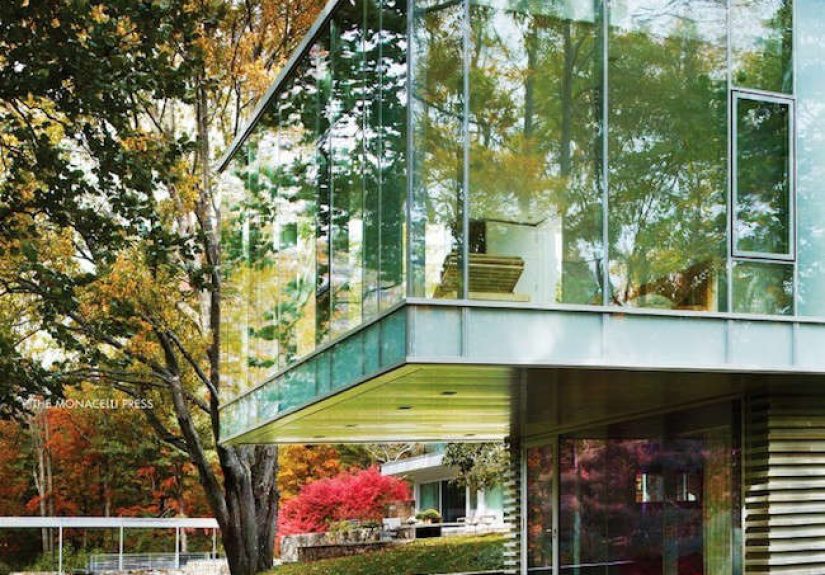
Floor-to-ceiling windows, sliding doors, clerestory windows, and courtyards aren’t decorationthey’re the house’s operating system. Natural light becomes a design material. Views become “art.” And patios become legitimate living rooms, especially in mild climates.
4) Honest materials (wood, brick, concrete, and the occasional breeze block)
Midcentury houses often let materials speak plainly: exposed beams, warm wood ceilings, brick fireplace masses, concrete slab floors, and geometric block screens. Today, homeowners tend to value those original finishes because they’re difficult (and expensive) to replicate convincingly.
Where Midcentury Houses Show Up Today (Real-World Hotspots)
If midcentury modern had a theme park, Palm Springs would be the front gate. The city’s modernist neighborhoods are celebrated through tours and festivals, and events like Modernism Week continue to attract visitors who want to see how these homes were designedand how they’re lived in now.
Northern California also has major concentrations of postwar modern neighborhoods, including many Eichler communities. In these areas, midcentury houses aren’t rare collectibles; they’re everyday homes that families upgrade, preserve, and adapt.
Outside California, you’ll find midcentury housing stock across the countryoften in suburbs that boomed after World War II. You might not get an atrium, but you’ll see the same fundamentals: big windows, pragmatic plans, and a “less fuss, more living” attitude.
Buying a Midcentury House Today: What to Love, What to Inspect
Midcentury houses can be a dreamuntil your inspector starts speaking in polite, ominous poetry. Here’s where to focus your attention.
Roof details and drainage
Low-slope roofs can be totally reliable, but they’re less forgiving when maintenance slips. Look for proper slope, drainage, flashing, and a history of repairs. A “flat roof” isn’t automatically a problem; a neglected one is.
Windows: the beauty-and-bills balancing act
Original glazing is part of the magic, but older windows can be energy weak points. U.S. energy guidance consistently points out that windows play an outsized role in heating/cooling loads. The modern solution is rarely “replace everything with something bulky and wrong.” Instead, aim for upgrades that respect proportions and sightlines while improving performance (for example, high-performance glass in slim profiles, or targeted replacements in the worst areas).
Insulation gaps and thermal surprises
Many midcentury walls and ceilings were built before today’s expectations for insulation and air sealing. You might see beautiful wood paneling on the inside and… not much between that and the outside world. A good energy audit can reveal where improvements will matter most without wrecking original finishes.
Radiant floor heating (common in Eichler-style slabs)
Radiant heat can be wonderfully comfortable, but older systems may require careful troubleshooting or modernization. If you’re buying a slab-with-radiant home, ask for documentation, testing, and a realistic planbecause “it probably works” is not a plan.
Renovating Without Erasing the Soul
The best midcentury renovations don’t shout. They clarify. They keep what’s essentiallines, light, materials, and layout logicwhile updating what actually affects daily life: comfort, durability, and function.
Start by defining “character-defining features”
Before you move anything, identify what makes the house itself: original beam work, ceiling treatments, brick or stone masses, built-ins, window rhythms, courtyard relationships, and street-facing privacy strategies. Preservation guidance in the U.S. often emphasizes repairing and retaining significant features where feasible, rather than swapping them out for generic replacements.
Kitchen and bath updates: make them feel period-aware, not frozen in time
You can add storage, improve layouts, and upgrade appliances while staying midcentury in spirit. Think flat-front cabinetry, warm woods, simple hardware, and lighting that feels architectural rather than ornamental. The goal is not “1957 cosplay.” It’s a kitchen that looks like it belongs in the house’s ecosystem.
Energy upgrades that don’t wreck the look
- Windows: prioritize performance while keeping slender frames and clean geometry.
- Roof/ceiling insulation: often the biggest comfort win, especially under low-slope roofs.
- HVAC electrification: heat pumps can improve comfort without adding visual clutter.
- Lighting: layer itambient plus taskso glass-heavy spaces feel cozy at night.
One underrated tactic: do fewer, better changes. A thoughtful, house-specific plan will outperform a long list of trendy upgrades every time.
Decorating Midcentury Houses Today: Keep It Lived-In, Not Locked-In
Midcentury interiors are easy to over-theme. The house already has a strong point of view; your job is to support it, not compete with it. A few guidelines:
- Let architecture lead: emphasize sightlines, keep window areas uncluttered, and avoid heavy visual noise on beam ceilings.
- Mix eras intentionally: midcentury pieces pair well with contemporary sofas, modern art, and even vintage textiles.
- Use color strategically: one confident color moment beats five “fun” accents that fight each other.
- Choose materials that belong: wood, leather, linen, wool, and stone tend to look at home in these spaces.
The Case Study Mindset: Why These Homes Still Influence Design
Midcentury houses weren’t just stylishthey were experimental. The famous Case Study House program, launched by Arts & Architecture magazine in 1945, asked leading architects to imagine affordable, efficient modern living for postwar America. The homes showcased open plans, industrial materials, and indoor-outdoor flowand their influence is still visible in contemporary residential design.
Iconic examples, like Pierre Koenig’s glass-and-steel Stahl House (Case Study House #22), became cultural symbols of West Coast modernism but they were also meant to be lived in. That blend of aspiration and practicality is exactly what today’s homeowners want when they buy a midcentury house: a place that looks incredible and functions for real life.
Midcentury Houses and Sustainability: A Very 2026 Conversation
Midcentury homes weren’t designed for today’s energy expectations, but they can be upgraded intelligently. The trick is to treat sustainability as a design problem, not a sticker package.
Start with comfort and building science: air sealing, insulation strategy, and window performance. Then move to systems: efficient heating/cooling, smarter ventilation, and electrification where it makes sense. Finally, consider renewables like solarintegrated thoughtfully so the roofline stays clean. The best upgrades feel invisible: the house looks the same, but it lives better.
FAQ: Midcentury Houses Today
Are midcentury houses energy efficient?
Some are surprisingly good thanks to orientation, shading, and cross-ventilationbut many need upgrades. Windows, insulation, and older mechanical systems are common improvement areas.
Do renovations hurt resale value?
Renovations that erase character can. Renovations that preserve what makes the house specialwhile improving comfort and performanceoften strengthen value. Buyers looking for midcentury homes usually want authenticity and livability.
What’s the biggest mistake people make?
Replacing distinctive elements with generic ones: bulky windows, mismatched doors, overly ornate finishes, or chopping up open plans without a clear reason. Midcentury houses don’t need to be preciousbut they do need to stay coherent.
Real-Life Experiences: What It Feels Like to Live in a Midcentury House Today
People who move into midcentury homes often describe a shift that has nothing to do with furniture and everything to do with rhythm. The house changes how you notice the day. Morning light doesn’t just enter; it arrives on schedule, sliding across a ceiling plane, catching the grain of exposed beams, then bouncing deeper into the room as the sun rises. In a glass-forward living area, you start to recognize seasons by shadows instead of calendars. Summer looks like longer, sharper lines. Winter looks like softer daylight and the comfort of a warm rug in exactly the spot the sun hits at 3 p.m.
There’s also an emotional “exhale” that comes with the layout. Many midcentury homes are planned so the social spaces feel open and connected, while bedrooms and private areas stay quieter. Homeowners often say they entertain more because the flow makes it easy: the kitchen faces the living area, the patio feels like an extension of the room, and suddenly you’re hosting without constantly zig-zagging around walls. Even modest houses can feel generous because the sightlines are long and the transitions are cleaninside to outside, public to private, work to rest.
But living in a midcentury house today isn’t all glowing magazine spreads and perfect angles. It can be a relationship. You learn what the house is sensitive about. Maybe it’s the roof: you become the kind of person who cares about drainage and flashing (a thrilling personality trait, truly). Maybe it’s the windows: you become fluent in the language of seals, glazing options, and how to improve comfort without turning the frames into chunky distractions. If you have radiant floor heating, you might experience the strange joy of warm floors on a cold morningand the strange anxiety of wondering how the system is doing under that slab.
Midcentury homeowners also talk about “editing” their stuff. These houses have strong architecture, and clutter shows up like a loud ringtone in a quiet room. Many people end up keeping fewer but better items, choosing storage that blends in, and letting the architecture be the hero. That doesn’t mean the home has to feel sterile. Quite the opposite: midcentury houses can feel deeply personal because the framework is calm. Art, textiles, and collected objects stand out more, not less, against simple surfaces and warm materials.
Finally, there’s pridesometimes quiet, sometimes loudof being a caretaker of a design era that still matters. Owners often describe renovations as a balancing act between stewardship and modern life: adding insulation without trapping moisture, upgrading systems without ruining clean lines, improving efficiency while keeping the “thin and light” feeling that makes the home special. When it works, the experience is the best kind of modern: a house that looks like it belongs to its time, but lives like it belongs to yours.
Conclusion: The Modern House That Refuses to Feel Old
Midcentury houses today aren’t just surviving on nostalgia. They’re earning their place in the present by offering something many newer homes struggle to match: a clear architectural idea, a human-centered plan, and a daily relationship with light and landscape. With smart preservation choices and performance upgrades that respect the original design, these homes can stay timelessand genuinely comfortable for decades to come.