Table of Contents >> Show >> Hide
- Why a Mismatched Dining Set Can Look Better Than a Matching One
- Start With a Vision, Not a Paintbrush
- The Golden Rule: Find a Common Denominator
- Choose Your Transformation Strategy
- How to Refinish a Table Without Losing Your Mind
- How to Upgrade Mismatched Dining Chairs
- Don’t Forget the Room Around the Set
- Budget-Friendly Examples of a Dining Set Transformation
- Mistakes That Can Ruin the Look
- How the Transformation Changes the Feel of a Home
- Experiences From Real Dining Set Transformations
- Conclusion
- SEO Tags
Some dining sets arrive in your home like polished celebrities. Others show up like a group project that clearly lacked supervision: one oak chair, one painted chair, one chair with suspicious wobble, and a table that has seen things. The good news? A mismatched dining set transformation can turn that chaotic lineup into a collected, stylish, and surprisingly sophisticated focal point.
The secret is not making every piece look identical. That is the old playbook. Today’s best dining spaces feel layered, personal, and intentional. A smart dining set transformation respects the character of older pieces while giving them enough visual connection to feel like they belong in the same room, at the same table, and preferably at the same dinner party.
Whether you found your furniture at thrift stores, inherited it from family, or assembled it one lucky curbside rescue at a time, this guide will show you how to move from random to refined. We will cover planning, paint and stain ideas, upholstery upgrades, layout tips, styling tricks, and the real-life experience of making a mismatched setup look elevated without draining your wallet or your will to live.
Why a Mismatched Dining Set Can Look Better Than a Matching One
A perfectly matching dining set can be beautiful, but it can also feel a little too safe. In some rooms, it reads polished. In others, it reads “furniture showroom, aisle seven.” A thoughtfully mixed dining area feels more personal because it suggests that the room evolved over time instead of being delivered in one giant cardboard box.
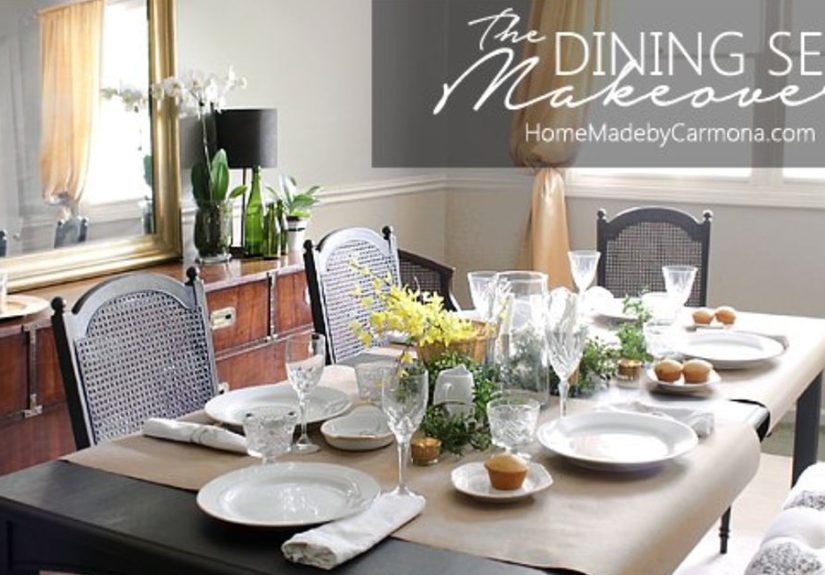
That is why the best mismatched dining chairs and tables share a few visual anchors instead of a strict uniform. Maybe the chairs are different shapes but all have warm wood tones. Maybe the table is modern while the chairs are vintage, but they all repeat a black finish, curved lines, or woven texture. The room still feels cohesive, but it also feels alive.
There is another benefit too: flexibility. A dining room is no longer only for formal meals and dramatic napkin folding. It may host homework, laptop time, birthday cake, takeout containers, and the occasional puzzle that nobody finishes. A transformed dining set works harder when it is comfortable, durable, and designed for real life instead of only holiday photos.
Start With a Vision, Not a Paintbrush
Before you sand anything, decide what “sophisticated” means in your space. For one home, that could be a moody European look with dark wood, cane chairs, and antique brass accents. For another, it could be modern farmhouse with a natural wood table, painted white chairs, and a woven pendant light. The important thing is choosing a direction before you start changing pieces one by one.
Ask These Questions First
How many people need to sit here on a normal day? Is this dining area formal, casual, or somewhere in that wonderfully messy middle? Do you want the table to be the star, or should the chairs do the heavy lifting? Will kids, pets, spills, and spaghetti be involved? Your answers will shape the finishes, fabrics, and layout choices you make.
Make a mini style board before shopping for supplies. Pull together a few inspiration images, then look for patterns. You may notice that the rooms you love repeat certain features: black-painted legs, pale oak tops, spindle-back chairs, linen seats, matte finishes, or sculptural lighting. Those repeated details are your roadmap.
The Golden Rule: Find a Common Denominator
The easiest way to make a mismatched dining set look intentional is to give every piece at least one thing in common. Think of it as casting a movie ensemble. The characters can be wildly different, but they still need to look like they belong in the same film.
Common Elements That Create Cohesion
You can unify your dining set through color, material, finish, silhouette, era, or texture. For example, four different chair styles can work beautifully if they are all painted charcoal. Mixed wood chairs can look sophisticated around one table if their tones stay in the same warm family. Upholstered chairs and wood chairs can coexist if they repeat a similar curve or leg shape.
If your set feels too chaotic, narrow your variation. Instead of using six completely different chairs, keep four side chairs similar and let the two end chairs be the statement pieces. That small dose of contrast often looks more polished than trying to win a design medal for maximum unpredictability.
Mind the Heights
Style matters, but comfort and proportion matter more. A transformation goes sideways fast when chair seats sit at different levels and guests feel like they are dining on a staircase. Back heights do not have to match perfectly, but they should feel balanced. If one chair towers over the others like it has political ambitions, move it elsewhere.
Choose Your Transformation Strategy
Not every piece needs the same treatment. In fact, a sophisticated dining set transformation usually mixes methods. One table may be refinished to highlight wood grain, while the chairs get paint, new fabric, or subtle hardware updates. The goal is balance, not total sameness.
Option 1: Keep the Table Natural, Paint the Chairs
This is one of the most reliable combinations because it gives the room warmth and contrast. A natural wood table grounds the space, while painted chairs bring order to a mixed collection. Black, warm white, olive, greige, and deep navy all create a tailored look without feeling too trendy.
Option 2: Paint Everything One Color
If your chairs are wildly different and the table has seen better centuries, painting the full set one color can instantly unify the group. This works especially well in cottage, traditional, and country-inspired interiors. Just remember that one-color sets look most elevated when you vary the textures around them with a rug, chandelier, art, or table linens.
Option 3: Mix Finishes on Purpose
For a designer look, combine a stained table with painted chair frames and upholstered seats. Or pair dark-stained end chairs with lighter side chairs that share the same seat fabric. The contrast feels thoughtful when it repeats elsewhere in the room, like in art frames, lighting, or a sideboard.
How to Refinish a Table Without Losing Your Mind
A dining table takes the most abuse, so improving it has the biggest visual payoff. If the wood is solid and the shape is good, refinishing is often smarter than replacing. Scratches, orange-toned stain, water rings, and outdated sheen can all be corrected with prep and patience.
Step 1: Clean and Assess
Start by cleaning the surface thoroughly so you can see the true condition of the piece. Grease, wax, and mystery grime can hide damage and ruin a new finish. If the veneer is lifting or the table is structurally weak, fix that before moving to cosmetics.
Step 2: Sand Smart
Sanding is less glamorous than choosing colors, but it is what separates “beautifully restored” from “why is the finish bubbling?” Sand evenly, follow the grain, and do not rush the dust removal. Furniture refinishing rewards patience and punishes shortcuts with the confidence of a reality show judge.
Step 3: Stain or Paint
If the wood has attractive grain, a medium brown, walnut, or light natural finish can make the table look timeless. If the top is patched, inconsistent, or just plain unattractive, paint may be the better route. Matte and satin finishes tend to look more current than heavy gloss in most homes.
Step 4: Protect the Surface
A dining table is a workhorse. Use a durable topcoat suitable for frequent cleaning and everyday use. This is not the moment to whisper, “I’m sure one coat is enough.” It is not enough. Future-you, armed with a damp cloth and a bowl of pasta, will appreciate the extra effort.
How to Upgrade Mismatched Dining Chairs
Chairs are where transformation gets fun. They are easier to move, easier to paint, and dramatically change the overall mood of the room. Even a quirky mix can look sophisticated with the right edits.
Paint for Unity
If your chairs differ in style but feel close in scale, paint is your best friend. A single color can smooth out visual differences and make flea-market finds look curated. Black adds drama, white feels fresh, and earthy colors like sage, mushroom, and clay make the set feel collected rather than precious.
Reupholster for Comfort and Polish
Replacing old seat fabric is one of the fastest ways to modernize dining chairs. Performance fabric, faux leather, and tightly woven textiles handle spills better than delicate materials. If your chairs are a mix of wood and upholstery, use one fabric across all seats to tie them together instantly.
Try Two Statement End Chairs
If you want a higher-end look, use more substantial chairs at the heads of the table. Upholstered armchairs, cane-back chairs, or vintage finds can anchor the arrangement and make the whole set feel intentional. It is the design version of wearing great shoes with a simple outfit.
Don’t Forget the Room Around the Set
A dining set rarely transforms well in isolation. The room around it helps sell the final result. Even the most improved table and chairs can look unfinished if the lighting is harsh, the rug is too small, or the walls are visually disconnected from the furniture.
Use Lighting to Add Instant Sophistication
A pendant or chandelier above the table acts like a period at the end of a sentence. It finishes the thought. Choose a fixture that feels proportional to the table and install a dimmer if possible. Soft, warm lighting makes almost any dining set look more expensive, and it is kinder to both paint colors and dinner guests.
Ground the Set With a Rug
A rug helps mixed furniture feel like one composition. Choose a size large enough that chairs remain on the rug when pulled out. This is not just about looks. It also prevents that awkward half-on, half-off wobble that makes every meal feel like a trust exercise.
Add One Supporting Piece
A sideboard, bar cart, art grouping, or mirror can reinforce your chosen style. Repeat your finish colors and materials there. If your chairs are black and your table is warm wood, a black-framed mirror or wood-toned buffet will make the whole room feel deliberate.
Budget-Friendly Examples of a Dining Set Transformation
Example 1: Farmhouse but Grown-Up
Start with a chunky pine table and six thrifted chairs in different styles. Sand and stain the table a medium walnut. Paint all chairs a soft creamy white, then recover the two host chairs in striped performance fabric. Add a woven pendant and a muted vintage-look rug. The result feels warm, welcoming, and polished.
Example 2: Modern Eclectic
Use a simple rectangular table with clean lines. Keep the top natural or refinish it in a matte espresso tone. Paint four spindle-back side chairs matte black, then add two sculptural end chairs in a caramel faux leather. Finish with oversized art and a minimal chandelier. The room looks intentional, not random.
Example 3: Small-Space Sophistication
In a tight dining nook, use a round pedestal table and mix four chairs with similar seat heights. Paint them all the same muted color, then add a bench on one side if space is limited. A wall sconce, a round mirror, and a slim runner can make the area feel tailored without crowding it.
Mistakes That Can Ruin the Look
Too Many Differences at Once
Different heights, different wood tones, different eras, different finishes, different fabrics, and different scales all at once is not eclectic. It is visual static. Pick two areas for variation and keep the rest consistent.
Ignoring Comfort
A sophisticated dining room should still allow people to eat without performing advanced core exercises. Make sure seats are comfortable, chairs fit under the table, and traffic flow around the set feels easy.
Using Trendy Finishes With No Long-Term Plan
There is nothing wrong with trend-inspired color, but choose one you can live with past next season. A dining set transformation takes work. Repainting six chairs because you had a brief “mustard lacquer” phase is character-building, but not in a fun way.
How the Transformation Changes the Feel of a Home
The most satisfying part of a dining set transformation is not the before-and-after photo, though that is admittedly a strong moment. It is the way the room starts behaving differently afterward. A mismatched setup that once looked accidental begins to feel inviting. Family members linger. Guests compliment the space. You stop apologizing for the table and start setting it with actual confidence.
That is the deeper power of design. A transformed dining set does not just improve furniture. It changes the mood of the room. It adds identity. It turns a practical eating area into a place that feels curated, comfortable, and yours.
Experiences From Real Dining Set Transformations
One of the most interesting things about a mismatched to sophisticated dining set transformation is how emotional the process can be. On paper, it sounds simple: find a table, gather chairs, paint a few pieces, maybe staple on some new fabric, and call it a day. In real life, it feels more personal than that. Furniture carries memory. A scratched table might remind someone of family dinners, school projects, or years spent in a first apartment. A set of odd chairs can represent moves, hand-me-downs, bargain hunts, and small decisions made over time. Transforming the set often means deciding what to preserve and what to change.
Many people start the process because they are tired of the room looking unfinished. They may have one solid chair from a relative, two secondhand chairs from a yard sale, and a table bought in a hurry because everybody needed somewhere to eat. The setup works, technically, but it never feels cohesive. Once they begin editing the mix, something shifts. They realize the problem was not that the pieces were mismatched. The problem was that the mismatching had no direction. As soon as there is a plan, the room starts to calm down visually.
Another common experience is surprise at how little changes can make a huge difference. Repainting chair frames in one consistent color often creates instant harmony. Swapping loud seat cushions for one neutral fabric can make the group look custom. Even changing only the end chairs can make the whole arrangement feel more expensive. People often expect a full replacement to be necessary, then discover that a thoughtful makeover gives the room far more personality than a new boxed set ever could.
There is also a practical side to the experience. A dining set transformation teaches people quickly which details matter in daily life. A beautiful chair is not successful if it is uncomfortable after twenty minutes. A gorgeous table finish is not a win if every water glass leaves a ghost ring. A pale upholstered seat can be lovely in theory and terrifying in a house with children, red sauce, and a dog who believes every chair is emotionally his. Through the process, homeowners tend to become less focused on perfection and more focused on durability, comfort, and ease.
Perhaps the best experience comes after the makeover is done. The room begins to get used more often. Breakfast feels nicer. Holiday meals feel a little more special. Even ordinary Tuesday takeout looks better when it lands on a table that finally feels intentional. Guests notice the mix of finishes, the balance of old and new, and the sense that the room has been assembled with care instead of copied from a catalog. That is often when people realize the transformation was not really about making everything match. It was about making everything belong.
And that, more than any single paint color or chair shape, is what takes a dining set from mismatched to sophisticated. The final look is stylish, yes, but it is also lived-in, believable, and personal. It proves that good design is not about buying perfection. It is about editing with intention, preserving what has character, and giving everyday furniture a second chance to become something quietly impressive.
Conclusion
A successful dining set transformation is less about replacing everything and more about revealing the potential of what you already have. When you create a shared thread between the pieces, improve the finish, respect proportion, and style the room thoughtfully, a mismatched set can become one of the most elegant spots in the house.
So if your dining area currently looks like six chairs met online and decided to try co-parenting a table, do not panic. With a smart plan, a little elbow grease, and a firm commitment to visual harmony, you can turn the whole thing into a sophisticated space that feels collected, comfortable, and very much your own.