Table of Contents >> Show >> Hide
- Why This Stew Tastes Like You Tried Harder Than You Did
- Ingredients
- Step-by-Step: One Pot, Big Energy
- Pro Tips for A+ Stew Without a Culinary Degree
- Variations (Because Your Pantry Has Opinions)
- What to Serve With Moroccan Chicken and Cauliflower Stew
- Storage, Reheating, and Meal Prep
- FAQ: Quick Answers to Very Reasonable Questions
- Conclusion
- My Real-Life Experiences With Moroccan Chicken and Cauliflower Stew (500-ish Words of Honest Food Feelings)
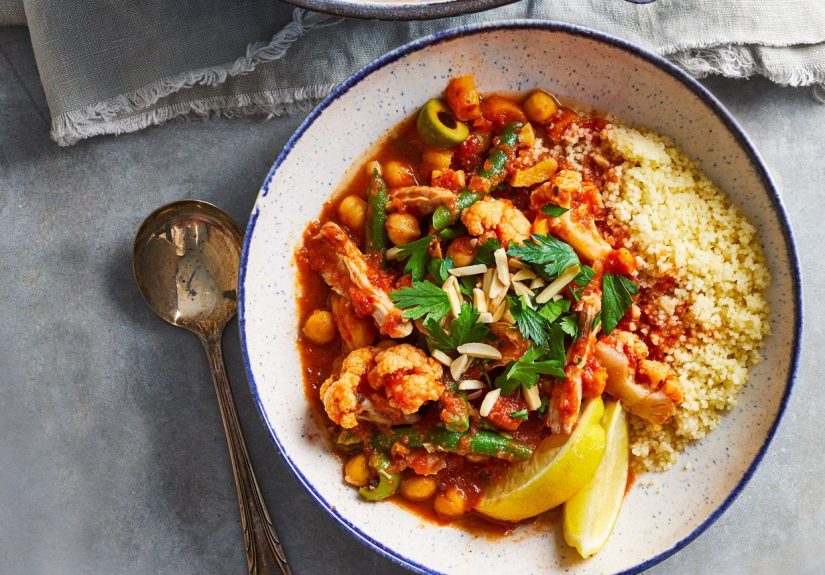
If your dinner routine feels like it’s stuck on “chicken again?” mode, this Moroccan-inspired chicken and cauliflower stew is your one-pot permission slip to break out of culinary autopilot. It’s cozy, tomato-rich, and perfumed with warm spices (think cumin, ginger, cinnamon), with tender chicken, sweet pops of dried fruit, briny olives, and cauliflower florets that soak up all that saucy goodness without turning into sad little clouds of mush.
You don’t need a tagine, a passport, or a spice merchant named Hassan who calls you “my friend” and offers you a “special price” (although that does sound fun). A Dutch oven or heavy pot does the job beautifully, and the ingredient list is mostly pantry-friendly. This recipe borrows the classic Moroccan flavor playbookaromatics, gentle heat, sweet-salty contrast, and slow-simmered comfortthen makes it weeknight-realistic.
Why This Stew Tastes Like You Tried Harder Than You Did
Moroccan stews and tagines are all about layered flavor: spices warmed in oil, onions softened into sweetness, and a braise that turns simple ingredients into something that tastes like it had a plan. The signature vibe usually includes:
- Warm spices (cumin, ginger, cinnamon, turmeric, paprika, coriander)
- Sweet + savory contrast (dried apricots or raisins against olives and tomatoes)
- Bright finishing notes (lemonpreserved lemon if you have itor fresh lemon juice)
- Slow simmering to make chicken tender and sauce deeply flavored
Cauliflower fits right in: it’s mild, absorbs sauce like a sponge, and helps the stew feel hearty without requiring a second pot of rice “just in case.” (Though… couscous is never a bad idea.)
Ingredients
This makes about 6 servings. The flavor is bold but balanced; you can dial the heat up or down without breaking the spell.
Spice Mix
- 1 teaspoon ground cumin
- 1 teaspoon ground ginger
- 1/2 teaspoon ground cinnamon
- 1 teaspoon sweet paprika (or smoked paprika for extra depth)
- 1/2 teaspoon ground coriander (optional but excellent)
- 1/4 teaspoon cayenne or 1/2 teaspoon crushed red pepper (adjust to taste)
- 1 to 1 1/4 teaspoons kosher salt (start lower if your broth/olives are salty)
- Freshly ground black pepper
Stew
- 2 pounds bone-in chicken thighs and/or drumsticks (skin removed if you want less fat; boneless thighs also work)
- 1 tablespoon olive oil (or coconut oil)
- 1 large onion, chopped
- 3 cloves garlic, minced
- 1 tablespoon tomato paste (optional, but boosts “slow-cooked” flavor fast)
- 1 (28-ounce) can crushed tomatoes
- 1 1/2 cups low-sodium chicken broth
- 1 small head cauliflower, cut into small florets (about 4 to 5 cups)
- 1 (15-ounce) can chickpeas, rinsed and drained
- 1/2 cup dried apricots, chopped (or raisins)
- 1/3 to 1/2 cup green olives, pitted (or leave pits if you like living dangerouslyjust warn your guests)
- 1 to 2 teaspoons harissa (optional, for heat and complexity)
- 1 to 2 tablespoons lemon juice (or a little chopped preserved lemon peel if available)
- Chopped fresh cilantro or parsley, for serving
- Toasted sliced almonds, for serving (optional but very “restaurant”)
Step-by-Step: One Pot, Big Energy
1) Prep (5–10 minutes)
Pat the chicken dry with paper towels (skip rinsingwater doesn’t “clean” chicken, it just spreads germs). Season chicken with salt, pepper, and about half the spice mix.
2) Sear the chicken (8–10 minutes)
- Heat oil in a Dutch oven or heavy pot over medium-high heat.
- Add chicken in a single layer (work in batches if needed). Brown 3–4 minutes per side.
- Transfer chicken to a plate. Don’t worry about cooking it through yetthat’s the stew’s job.
Why sear? Browning builds flavor (and those browned bits on the pot bottom are basically edible gold once you deglaze them with tomatoes and broth).
3) Build the flavor base (6–8 minutes)
- Reduce heat to medium. Add onion and cook until softened, 4–5 minutes.
- Add garlic and cook 30 seconds, just until fragrant.
- Stir in the remaining spice mix and tomato paste (if using). Cook 30 seconds to 1 minute.
This quick “spice bloom” step is a secret handshake in many cuisines: warming spices in oil helps them release fat-soluble aromas so the stew tastes deeper, not dusty.
4) Simmer the stew (30–40 minutes)
- Add crushed tomatoes and broth, scraping up browned bits from the bottom of the pot.
- Stir in chickpeas and dried apricots (or raisins). Add harissa if using.
- Return chicken (and any juices on the plate) to the pot. Bring to a simmer.
- Cover, reduce heat to low, and simmer 25–30 minutes, until chicken is tender.
5) Add cauliflower at the right time (10–12 minutes)
Stir in cauliflower florets, cover again, and simmer 10–12 minutes more until cauliflower is tender but still holding its shape. (Translation: not baby food.)
Food safety note: Chicken is done when the thickest part reaches 165°F. Use a thermometer if you canconfidence tastes great, but salmonella does not.
6) Finish like you meant to do this all along (2 minutes)
- Stir in lemon juice (start with 1 tablespoon, then adjust).
- Taste and adjust saltolives can be salty, so add slowly.
- Top with chopped herbs and toasted almonds.
Pro Tips for A+ Stew Without a Culinary Degree
Keep cauliflower from going mushy
The easiest fix is timing: add cauliflower near the end. Want extra flavor and a firmer bite? Roast cauliflower at 425°F until lightly browned, then stir it in for the last 5 minutes. You get caramelized edges and stew-soaked centersbest of both worlds.
Preserved lemon is optional, not a personality test
Preserved lemon adds a salty, floral punch. If you don’t have it, use thin lemon slices while simmering and finish with lemon juice. You’ll still get that bright lift that makes the stew feel “alive.”
Want thicker sauce?
- Simmer uncovered for 5–10 minutes.
- Or mash a small scoop of chickpeas into the sauce for natural thickening.
- Or stir in 1 tablespoon almond butter for a subtly nutty, velvety finish (surprisingly excellent).
Don’t let olives hijack the whole pot
If your olives are super salty, rinse them. If they’re aggressively briny, add them closer to the end so they stay punchy without overpowering the sauce.
Variations (Because Your Pantry Has Opinions)
Slow cooker version
Sear the chicken first if you can (big flavor payoff). Then add everything except cauliflower, lemon, and herbs. Cook on LOW 6–7 hours or HIGH 3–4 hours. Add cauliflower in the last 30–45 minutes. Finish with lemon and herbs.
Pressure cooker / Instant Pot version
Use sauté mode to sear chicken and soften onions. Add tomatoes, broth, chickpeas, apricots, and chicken. Pressure cook 10–12 minutes for boneless thighs or 12–15 minutes for bone-in (plus natural release). Add cauliflower after pressure cooking and simmer on sauté 5–8 minutes until tender.
Ras el hanout shortcut
If you have ras el hanout, swap it in (about 1 1/2 to 2 teaspoons) and keep cumin + ginger as supporting actors. Ras el hanout blends vary, so taste and adjust.
Vegetarian-friendly
Replace chicken with more chickpeas (two cans total) and add diced sweet potato early in the simmer. Use vegetable broth. Finish with lemon and herbs the same way.
What to Serve With Moroccan Chicken and Cauliflower Stew
- Couscous (classic, quick, and basically designed for saucy stews)
- Rice (especially if you love a brothier stew)
- Crusty bread (the unofficial sauce-delivery system)
- Simple salad (cucumber + lemon + olive oil = refreshing sidekick)
Storage, Reheating, and Meal Prep
This stew gets even better after a night in the fridgespices mingle, sauce deepens, and you feel smug at lunchtime. Store in an airtight container up to 4 days. Reheat gently on the stove (add a splash of broth if it thickens). Freeze up to 2–3 months for best texture; thaw overnight in the fridge and reheat until steaming hot.
FAQ: Quick Answers to Very Reasonable Questions
Can I use chicken breast?
You can, but thighs are more forgiving in a simmer (they stay juicy). If using breast, add it later and simmer just until cooked through to avoid dryness.
Is this a “real” tagine?
Tagine is both a dish style and a pot. This stew uses tagine-style flavors and technique in a Dutch oven, which is exactly what many reputable test kitchens recommend for home cooks who don’t own the traditional vessel.
How spicy is it?
Mild-to-medium if you stick with a little cayenne. Make it gentler by skipping cayenne/harissa; make it bolder with extra harissa and a pinch more crushed red pepper.
Can I add other vegetables?
Absolutely. Carrots, sweet potato, zucchini, green beans, or bell peppers all play well. Add sturdy veg early; quick-cooking veg (zucchini) near the end.
What if I don’t like olives?
First: who hurt you? (Kidding.) Skip olives and add a little extra lemon plus a pinch more salt. You’ll miss some briny depth, but the stew will still be delicious.
Conclusion
This Moroccan chicken and cauliflower stew is the kind of dinner that makes your kitchen smell like a tiny, delicious spice market and makes you look like someone who “really has it together.” It’s flexible, freezer-friendly, and full of those sweet-salty-warm flavors that keep you going back for “just one more spoonful” until suddenly the pot is… mysteriously low. Serve it with couscous, finish with herbs and lemon, and enjoy the fact that you made something that tastes slow-cooked even if you were doing three other things at the same time.
My Real-Life Experiences With Moroccan Chicken and Cauliflower Stew (500-ish Words of Honest Food Feelings)
The first time I made a Moroccan-style chicken stew, I did what many brave home cooks do: I looked at the spice list and thought, “That seems… excessive.” Six spices? In this economy? Then I smelled the pot about five minutes later and realized the spice list wasn’t excessiveit was the whole point. Moroccan-inspired food isn’t about one loud flavor; it’s about a chorus. Cumin gives earthiness, ginger adds warmth without heat, cinnamon brings that cozy sweetness, and paprika fills in the background like a bass line you didn’t know you needed.
Cauliflower was a later addition to my routine. I used to treat it like a polite side dish: steam it, salt it, move on. But cauliflower in a stew is a different personalitysuddenly it’s soaking up tomatoes, broth, and spices like it’s auditioning for the lead role. The trick I learned the hard way: timing is everything. Add it too early and it dissolves into the sauce (not always bad, but not the vibe if you want distinct pieces). Add it late and it stays tender with a little bite, which makes each spoonful more interesting.
One week I tried roasting the cauliflower first because I was feeling ambitious (or avoiding folding laundrysame thing). Roasting gave it nutty browned edges, and when I stirred it into the stew at the end, it tasted like I had two dishes going. It’s now my favorite “I’m trying” move for guests: roast cauliflower, toast almonds, sprinkle herbs, and suddenly you’re serving a dinner that looks like it came with a menu.
I’ve also learned that olives are the drama queens of this recipein a good way. A handful of green olives can make the whole pot taste brighter, saltier, and more complex, but too many and they take over like they’re paying rent. When I’m not sure how salty they are, I add them later and taste as I go. Dried apricots are the quiet heroes: they soften into little sweet pockets that balance the tomatoes and spices. If you’ve ever thought “fruit in stew is weird,” this is the conversion experience. It’s not dessert; it’s contrast.
The biggest personal win with this stew is how it behaves as leftovers. Day one tastes great. Day two tastes like it had time to reflect on its choices and become a better version of itself. The sauce thickens a little, the spices mellow and blend, and the chicken somehow gets more tender. It’s the rare meal that makes you excited to open the fridgelike a tiny reward for Past You who actually cooked.
If you’re new to Moroccan-inspired cooking, consider this stew a friendly entry point. No specialty pot required, no intimidating techniques, just a simple pattern: sear, sauté, bloom spices, simmer, finish with lemon and herbs. Once you get that rhythm down, you’ll start seeing Moroccan-style possibilities everywherechickpeas, sweet potatoes, carrots, lentils, even leftover roasted vegetables. And that’s when your weeknight dinner rotation stops feeling like a loop and starts feeling like a playlist.