Table of Contents >> Show >> Hide
- The Viral Affair Story: A Marriage Built on Secrets Finally Cracks
- Why Readers Reacted So Strongly
- Infidelity Is Not Just About Sex
- The Psychology of the Double Standard
- Why Long-Term Affairs Are Especially Destructive
- Can a Marriage Survive Infidelity?
- Why the Wife’s Reaction Changed the Whole Story
- The Difference Between Regret and Remorse
- What This Story Teaches About Marriage
- Practical Advice for Anyone Facing Infidelity
- Experiences and Reflections Related to This Topic
- Conclusion
A marriage can survive a lot: bad haircuts, burnt Thanksgiving turkey, one partner loading the dishwasher like they are playing Tetris blindfolded. But a six-year affair? That is not a “rough patch.” That is a second relationship wearing a trench coat and sneaking through the side door.
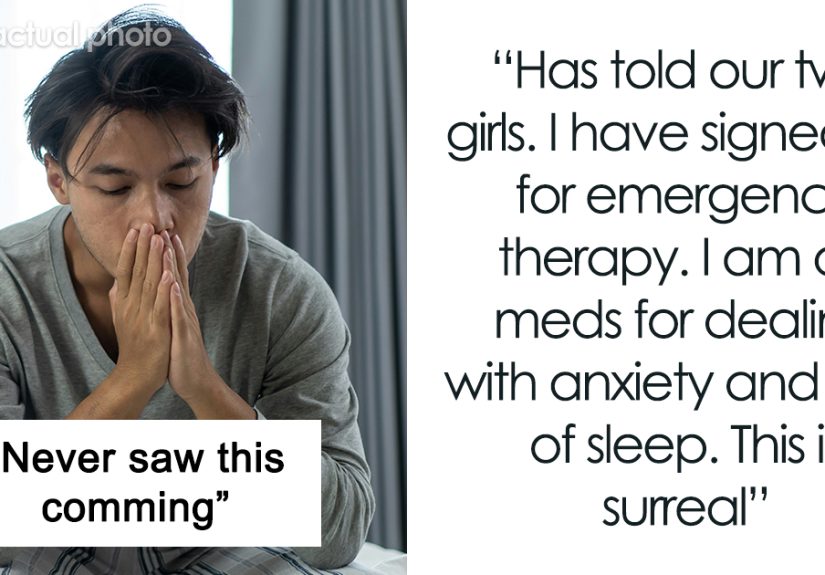
The viral story behind “My Marriage Seems To Be Over”: Man Admits To A 6-Year Affair, Learns Truth About Wife has everything the internet cannot resist: hypocrisy, panic, emotional whiplash, and the kind of karma that enters the room, pulls up a chair, and orders appetizers. A husband confessed online that he had been unfaithful to his wife for six years. He was worried the affair would be exposed. Then, after trying to confront his wife about her own alleged affair, he learned she already knew about his betrayaland she wanted a divorce.
On the surface, it sounds like a messy relationship drama. Underneath, it is a sharp case study in infidelity, denial, double standards, and what happens when someone treats marriage like a permanent safety net while secretly building an escape tunnel.
The Viral Affair Story: A Marriage Built on Secrets Finally Cracks
The man at the center of the story described himself as someone who loved his family and valued his life at home. Yet for six years, he maintained an affair outside his marriage. That timeline matters. A one-time betrayal can be devastating, but a long-term affair is not a single bad decision. It is an ongoing pattern of planning, hiding, emotional management, and selective honesty.
According to the public posts that circulated online, the husband became anxious when he believed his affair partner’s husband might expose the situation. In other words, the moral crisis did not fully arrive when he betrayed his wife. It arrived when consequences began putting on shoes.
Then came the twist. He suspected his wife was also having an affair. Instead of beginning with a full confession about his own six-year betrayal, he confronted her. His wife, caught off guard at first, reportedly told him she already knew about his affair, had known for some time, loved the other man, and wanted a divorce.
That is the emotional equivalent of walking into court as the prosecutor and discovering you are also the defendant, the evidence, and possibly the cautionary pamphlet in the lobby.
Why Readers Reacted So Strongly
Online readers were not merely shocked that both spouses may have been unfaithful. They were fascinated by the husband’s reaction. He seemed devastated by his wife’s betrayal while still trying to frame his own long affair as something separate from his love for her.
This is where the story becomes bigger than one marriage. Many people are capable of creating two moral rulebooks: one for themselves and one for everyone else. In the husband’s mind, his affair could be minimized, explained, or tucked away in a private emotional drawer. His wife’s affair, however, felt like a direct attack on the marriage.
That contradiction is one reason infidelity stories go viral. They reveal the strange gymnastics people perform when they want sympathy without accountability. The internet may disagree on almost everything, but it can unite briefly around one sacred principle: if you cheat for six years, do not act like betrayal just got invented when it happens to you.
Infidelity Is Not Just About Sex
One of the biggest myths about affairs is that they are only physical. In reality, infidelity often damages a relationship because it redirects loyalty, secrecy, attention, and emotional intimacy away from the marriage. A secret sexual relationship is obviously a betrayal, but an emotional affair can also break trust when it becomes hidden, intense, and prioritized over the spouse.
That is why the phrase “my heart never strayed” rarely lands well after an affair. A partner does not only experience betrayal as a physical act. They experience the deleted messages, the private jokes, the hidden schedule changes, the emotional energy spent elsewhere, and the fact that their reality was quietly edited without consent.
When someone has an affair for years, they are not just sharing time with another person. They are making hundreds of tiny decisions that say, “My comfort matters more than your right to know the truth.” That is why the injured spouse often grieves not only the affair itself, but the version of the marriage they thought they were living in.
The Psychology of the Double Standard
So why would someone who cheated feel blindsided after discovering their partner did the same? The answer often lies in compartmentalization. People can divide their lives into mental rooms. In one room, they are a devoted spouse and parent. In another, they are pursuing secrecy, validation, excitement, or escape. As long as the doors stay closed, they convince themselves the rooms do not affect each other.
But marriage does not work like a storage unit. You cannot keep betrayal in one locked compartment forever and expect the rest of the house not to smell funny.
Cheaters may also rely on intention as a shield. They tell themselves, “I did not mean to hurt my spouse,” as if harm requires a signed permission slip. But betrayal is not measured only by intention. It is measured by impact. A reckless driver may not intend to crash into a mailbox, but the mailbox is still lying in the street, deeply reconsidering its life choices.
In this story, the husband appeared to interpret his own affair through his feelings and his wife’s affair through her actions. That is a classic human bias. We judge ourselves by our explanations and others by their behavior. The problem is that marriage requires both people to live in reality, not in one partner’s private courtroom.
Why Long-Term Affairs Are Especially Destructive
A six-year affair changes the emotional math. It means birthdays, anniversaries, family milestones, ordinary Tuesdays, and possibly hard seasons were all happening alongside deception. The betrayed spouse may start reviewing years of memories and wondering what was real.
Was that vacation genuine? Was that affectionate text sent before or after meeting the affair partner? Were the late nights actually work? Did friends know? Did the children sense tension? This kind of mental replay can be exhausting.
Relationship professionals often describe affair discovery as a traumatic rupture because it shatters assumptions. The betrayed partner may have believed, “I know this person. I know my life. I know where I stand.” Discovery replaces that with uncertainty. Suddenly, the marriage is not just damaged; the past has been rewritten.
Can a Marriage Survive Infidelity?
Yes, some marriages survive infidelity. But survival is not the same as pretending nothing happened. Repair usually requires full accountability, transparency, patience, and professional help. The unfaithful partner must stop minimizing the betrayal and start answering the painful questions honestly. The betrayed partner must be allowed to feel anger, grief, confusion, and ambivalence without being rushed into forgiveness.
Healthy affair recovery does not begin with “Can we move on already?” It begins with “Can we tell the truth now?”
In many cases, couples therapy helps because it gives the conversation structure. Without structure, affair discussions can turn into courtroom cross-examinations, emotional shutdowns, or circular arguments that last until both people are too tired to remember what day it is.
However, not every marriage should be saved. If the unfaithful partner remains defensive, keeps contact with the affair partner, blames the spouse, hides more information, or demands quick forgiveness, reconciliation becomes nearly impossible. Forgiveness cannot grow in the same soil as ongoing deception.
Why the Wife’s Reaction Changed the Whole Story
The wife’s response struck readers because she did not collapse into the role the husband expected. She did not simply defend herself, beg, or accept his framing. Instead, she revealed that she already knew about his affair and had emotionally moved toward divorce.
That detail matters because betrayed spouses do not always react immediately. Some investigate quietly. Some detach slowly. Some stay for children, finances, fear, timing, or shock. Some appear calm because they have already cried in the shower, in the car, in the grocery store parking lot, and while pretending to compare yogurt brands.
By the time the husband confronted her, she may have already passed through the first waves of grief. To him, the marriage seemed to end suddenly. To her, it may have been ending for a long time.
The Difference Between Regret and Remorse
This story also highlights the difference between regret and remorse. Regret says, “I hate what this cost me.” Remorse says, “I understand what I did to you.”
Regret is often loud after consequences arrive. It worries about divorce, reputation, finances, children, loneliness, and losing the comfortable parts of the old life. Remorse is deeper. It is concerned with the injured partner’s pain, confusion, humiliation, and loss of trust.
A person who is truly remorseful does not center themselves as the main victim of the exposure. They do not ask for sympathy while skipping accountability. They do not say, “But I still loved you,” as if love cancels a six-year secret. Love is not a coupon code for betrayal.
What This Story Teaches About Marriage
The biggest lesson is simple: secrecy compounds interest. A lie told once is damaging. A lie maintained for years becomes architecture. It changes routines, emotional patterns, and the balance of power in a relationship.
Another lesson is that unmet needs should be addressed before they become excuses. Every marriage has seasons of distance, stress, boredom, or frustration. That does not make infidelity inevitable. It means the couple needs honest conversations, boundaries, support, or sometimes a respectful separation. Cheating is not communication. It is avoidance dressed as excitement.
Finally, the story reminds us that people notice more than we think. A spouse may not confront every suspicious behavior immediately, but that does not mean they are unaware. Emotional distance, phone secrecy, schedule changes, defensiveness, and sudden mood shifts often leave a trail.
Practical Advice for Anyone Facing Infidelity
1. Do not rush major decisions in the first emotional storm
Discovery can trigger panic, rage, numbness, and obsessive thinking. Unless safety is at risk, it is often wise to slow down long enough to gather facts, stabilize emotionally, and speak with a qualified therapist or attorney if divorce is possible.
2. End the affair completely before discussing reconciliation
Rebuilding trust while keeping the affair partner nearby is like trying to dry the floor while the sink is still overflowing. Contact must stop, boundaries must become clear, and transparency must be consistent.
3. Do not weaponize children
Children should not become messengers, judges, emotional support partners, or revenge tools. They need age-appropriate honesty and stability, not front-row seats to every adult detail.
4. Get professional help
Infidelity often brings grief, anxiety, sleep problems, anger, shame, and intrusive thoughts. Therapy can help individuals and couples decide whether to rebuild or separate with less destruction.
5. Watch actions, not speeches
After betrayal, words are cheap. Consistent behavior is the currency. Apologies matter, but changed habits matter more.
Experiences and Reflections Related to This Topic
Many people who read stories like this immediately think of someone they know. Maybe it was the coworker who claimed his marriage was “basically over” but still went home every night to a spouse who had not received that memo. Maybe it was the friend who discovered years of secret messages and suddenly understood why her partner had been guarding his phone like it contained nuclear launch codes. Or maybe it was someone who stayed after betrayal and learned that rebuilding trust is less like flipping a switch and more like rebuilding a bridge during bad weather.
One common experience among betrayed spouses is the feeling of becoming a detective against their will. They notice a changed password, a strange receipt, a defensive answer, or a sudden enthusiasm for “working late” that would impress even the most ambitious office intern. At first, they may dismiss it. Nobody wants to believe the person they love is lying. But suspicion has a way of collecting small details until the truth becomes too heavy to ignore.
Another common experience is emotional self-blame. Betrayed partners often ask, “Was I not attractive enough? Was I too busy? Did I miss something?” While every relationship has two people and every marriage has problems, the decision to cheat belongs to the person who cheated. Relationship dissatisfaction can explain vulnerability, but it does not excuse deception. There were always other choices: conversation, counseling, separation, honesty. None of those require secret hotel rooms, hidden apps, or creative calendar fiction.
People who have been unfaithful also describe a split life. At first, the affair may feel thrilling because it is separate from bills, parenting, chores, and real-life stress. The affair partner sees the edited version: charming, available, interesting, lightly filtered. Meanwhile, the spouse gets the tired version who forgot to buy paper towels again. That contrast can make the affair seem magical, but often it is not magic. It is limited exposure plus secrecy plus novelty. Real life eventually arrives with laundry and dental appointments.
For couples who try to rebuild, one of the hardest parts is accepting that the old marriage is gone. That does not always mean the relationship must end, but it does mean the previous version cannot be restored exactly. A new relationship has to be built with clearer boundaries, more honest communication, and a willingness to face uncomfortable truths. Trust may return, but it returns through repeated evidence, not dramatic declarations.
For couples who separate, healing can still happen. Divorce after infidelity is painful, especially when children, finances, and years of shared memories are involved. But some people discover that leaving a dishonest relationship gives them back their sense of reality. They no longer have to decode moods, monitor phones, or live inside a story that keeps changing. Peace can feel strange at first when chaos has been normal for years, but strange does not mean wrong.
The most useful takeaway from this viral marriage story is not “cheaters always get what they deserve,” even if the internet enjoys that version with popcorn. The deeper takeaway is that betrayal forces truth into the open. It reveals who takes responsibility, who rewrites history, who wants repair, and who only wants comfort restored. A marriage can survive many things, but it cannot survive forever on secrecy, entitlement, and one-sided rules.
Conclusion
“My Marriage Seems To Be Over”: Man Admits To A 6-Year Affair, Learns Truth About Wife is more than a viral cheating story. It is a reminder that betrayal rarely stays neatly hidden, and double standards have a way of collapsing at the worst possible moment. A six-year affair is not a harmless private mistake; it is a sustained breach of trust that reshapes the emotional foundation of a marriage.
The husband’s shock may be understandable on a human level, but it is also the very reason the story resonated. He wanted his own betrayal judged by intention and his wife’s judged by impact. Real accountability requires both. Whether a couple rebuilds or separates, healing begins when the truth is no longer negotiated like a public relations statement.