Table of Contents >> Show >> Hide
- What Is Nargisi Kofta?
- Why You Will Love This Indian Lamb and Egg Curry
- Ingredients for Nargisi Kofta
- How to Make Nargisi Kofta
- Serving Suggestions
- Recipe Tips for Tender, Flavorful Kofta
- Variations
- Storage and Make-Ahead Tips
- Common Mistakes to Avoid
- My Cooking Experience With Nargisi Kofta
- Conclusion
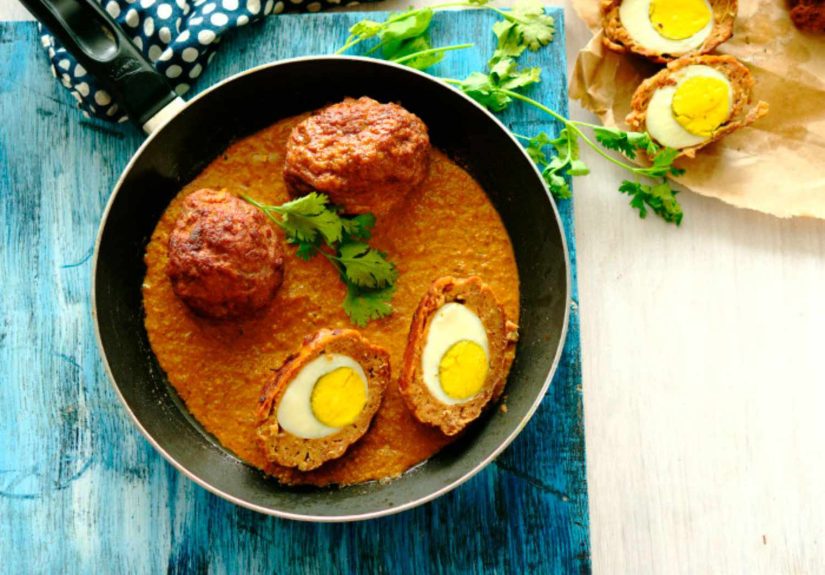
If a Scotch egg walked into an Indian royal kitchen, put on a silk sherwani, and took a long, luxurious bath in spiced tomato-yogurt gravy, you would get Nargisi Kofta. This spectacular Indian lamb and egg curry features hard-boiled eggs wrapped in a flavorful ground lamb mixture, browned until beautifully firm, and simmered in a rich curry sauce scented with ginger, garlic, cumin, coriander, turmeric, chili, and garam masala.
The name “Nargisi” is often linked to the nargis, or narcissus flower, because once the kofta is sliced open, the golden yolk and white egg look like a blooming flower. Dramatic? Yes. Delicious? Very much yes. This is the kind of dish that makes dinner guests pause for a moment before eating, partly because it looks impressive and partly because they are calculating how quickly they can claim seconds without appearing greedy.
This recipe keeps the traditional soul of Nargisi Kofta curry while making it approachable for a home kitchen. You will build tender lamb kofta around boiled eggs, prepare a deeply flavored onion-tomato masala, and finish everything in a creamy, tangy gravy. Serve it with basmati rice, naan, roti, chapati, or paratha, and you have a meal that feels festive without requiring a palace staff.
What Is Nargisi Kofta?
Nargisi Kofta is a South Asian meat-and-egg curry made by wrapping boiled eggs in spiced ground meat, usually lamb, mutton, goat, beef, or chicken. The wrapped eggs are shaped into oval kofta, then fried, baked, or pan-browned before being served in a curry gravy.
In this version, ground lamb brings richness and a slightly sweet, savory depth that works beautifully with warm Indian spices. The gravy is tomato-forward, lightly creamy, and balanced with yogurt. It is not meant to taste flat or heavy. A good Nargisi Kofta sauce should be bold enough to hug the kofta but smooth enough to scoop with bread.
Why You Will Love This Indian Lamb and Egg Curry
- It looks restaurant-worthy: Slice the kofta open and the hidden egg gives instant “main character energy.”
- It is rich in protein: Lamb and eggs make this a hearty, satisfying meal.
- The gravy is deeply flavorful: Onion, tomato, ginger, garlic, yogurt, and spices create a balanced curry base.
- It is flexible: You can deep-fry, shallow-fry, or bake the kofta.
- It is perfect for special meals: Make it for holidays, dinner parties, Sunday cooking, or anytime rice needs a dramatic best friend.
Ingredients for Nargisi Kofta
For the Lamb and Egg Kofta
- 6 large eggs, hard-boiled and peeled
- 1 pound ground lamb
- 1 small onion, grated or very finely minced
- 1 tablespoon ginger-garlic paste
- 1 green chili, finely minced
- 2 tablespoons chopped cilantro
- 1 teaspoon ground coriander
- 1 teaspoon ground cumin
- 1/2 teaspoon turmeric
- 1 teaspoon garam masala
- 1/2 teaspoon Kashmiri chili powder or mild paprika
- 1 teaspoon kosher salt, plus more to taste
- 1/4 cup breadcrumbs, panko, roasted gram flour, or rice flour
- 1 raw egg, beaten, for binding
- 2 tablespoons oil for shallow-frying, or more if deep-frying
For the Curry Gravy
- 3 tablespoons neutral oil or ghee
- 2 medium onions, finely chopped
- 1 tablespoon ginger-garlic paste
- 2 medium tomatoes, pureed, or 1 cup canned crushed tomatoes
- 1 tablespoon tomato paste
- 1 teaspoon ground coriander
- 1 teaspoon ground cumin
- 1/2 teaspoon turmeric
- 1/2 teaspoon red chili powder, or to taste
- 1/2 teaspoon garam masala
- 1/2 cup plain whole-milk yogurt, whisked until smooth
- 3/4 to 1 cup water or low-sodium stock
- Salt, to taste
- Fresh cilantro, for garnish
- Optional: 2 tablespoons heavy cream or cashew cream for a richer finish
How to Make Nargisi Kofta
Step 1: Boil the Eggs
Place the eggs in a saucepan and cover them with water. Bring to a boil, then reduce the heat and simmer for 9 to 10 minutes. Transfer the eggs to ice water, cool completely, and peel. Pat the eggs dry with paper towels. This small step helps the lamb mixture stick instead of sliding around like it is trying to escape responsibility.
Step 2: Make the Lamb Mixture
In a large bowl, combine ground lamb, grated onion, ginger-garlic paste, green chili, cilantro, coriander, cumin, turmeric, garam masala, chili powder, salt, breadcrumbs, and the beaten raw egg. Mix gently with your hands until just combined. Do not overwork the meat. Overmixing can make kofta dense and bouncy instead of tender.
If the mixture feels too soft, add another tablespoon of breadcrumbs or rice flour. If it feels dry, add one teaspoon of yogurt or water. The texture should be sticky enough to hold shape but not so wet that it clings to your hands like culinary glue.
Step 3: Wrap the Eggs
Divide the lamb mixture into 6 equal portions. Flatten one portion in your palm into an oval patty. Place one boiled egg in the center and gently bring the lamb mixture around it, sealing the edges until the egg is fully covered. Smooth it into an oval shape. Repeat with the remaining eggs.
For easier shaping, lightly oil your hands or wet them with cold water. Make sure there are no cracks in the meat casing. Cracks can open during cooking, and nobody invited the egg to make an early appearance.
Step 4: Brown the Kofta
Heat 2 tablespoons oil in a large skillet over medium heat. Add the kofta and brown them gently on all sides, turning carefully with tongs or a spoon. This takes about 8 to 10 minutes. You are not trying to cook them completely at this stage; you are building color, structure, and flavor.
For a more traditional finish, deep-fry the kofta in hot oil until golden. For a lighter version, bake them at 400°F for 20 to 25 minutes, turning once halfway through. However you cook them, ground lamb should reach an internal temperature of 160°F for food safety.
Step 5: Build the Onion-Tomato Masala
In a deep skillet or Dutch oven, heat oil or ghee over medium heat. Add the chopped onions and cook until golden, about 10 to 12 minutes. Do not rush this step. Properly browned onions create sweetness and body in the curry gravy.
Add ginger-garlic paste and cook for 1 minute, stirring constantly. Add tomato puree and tomato paste, then cook until the mixture thickens and the oil begins to separate at the edges. This is the moment when the masala stops tasting raw and starts tasting like dinner.
Step 6: Add the Spices and Yogurt
Stir in coriander, cumin, turmeric, chili powder, garam masala, and salt. Cook for 30 to 60 seconds, just until fragrant. Lower the heat and add the whisked yogurt a spoonful at a time, stirring well after each addition. Adding yogurt slowly helps prevent curdling and gives the sauce a silky texture.
Pour in water or stock and bring the gravy to a gentle simmer. If you prefer a smoother curry, blend the gravy before adding the kofta. If you like texture, leave it rustic and onion-rich.
Step 7: Simmer the Kofta in the Curry
Gently nestle the browned kofta into the gravy. Spoon sauce over the top, cover, and simmer on low heat for 10 to 15 minutes. Turn them carefully once if needed. The sauce should thicken, the kofta should finish cooking, and your kitchen should smell like you made excellent life choices.
Finish with fresh cilantro and, if desired, a swirl of cream or cashew cream. Slice each kofta in half lengthwise before serving to show off the beautiful egg center.
Serving Suggestions
Nargisi Kofta is rich, so it loves simple sides. Serve it with steamed basmati rice, jeera rice, naan, roti, chapati, or paratha. A cucumber salad, sliced red onion with lemon, or a quick mint raita brings freshness to the plate.
For a dinner-party presentation, spread the curry gravy on a platter, arrange halved kofta on top, and garnish with cilantro, ginger matchsticks, and a light drizzle of cream. It looks fancy, but the secret is simple: cut-side-up kofta do most of the decorating for you.
Recipe Tips for Tender, Flavorful Kofta
Use Lamb With Some Fat
Very lean meat can make dry kofta. Ground lamb naturally has enough richness to stay juicy, especially when wrapped around an egg and simmered in curry. If your lamb is extremely lean, add a tablespoon of yogurt or a teaspoon of ghee to the mixture.
Do Not Skip the Binder
Breadcrumbs, panko, roasted gram flour, or rice flour help absorb moisture and hold the kofta together. Without a binder, the meat mixture may crack or slide off the egg.
Cook the Masala Properly
The curry gravy gets its depth from cooking onions and tomatoes until they lose their raw edge. If the sauce tastes sharp or flat, it probably needs more time, not more spices.
Add Yogurt on Low Heat
Yogurt can split if added to very hot sauce. Lower the heat, whisk the yogurt first, and stir it in gradually. Full-fat yogurt is more stable and gives the best texture.
Variations
Chicken Nargisi Kofta
Use ground chicken instead of lamb for a lighter version. Add one extra tablespoon of breadcrumbs because chicken tends to be softer and wetter than lamb.
Beef Nargisi Kofta
Ground beef also works well. Choose a blend that is not too lean, and season boldly with ginger, garlic, cumin, and garam masala.
Baked Nargisi Kofta
Place the wrapped eggs on a parchment-lined baking sheet, brush lightly with oil, and bake at 400°F until browned and cooked through. Then simmer them in the gravy for a shorter time so they do not dry out.
Restaurant-Style Creamy Kofta Curry
Add cashew paste, almond paste, or a splash of heavy cream to the gravy. This creates a richer, smoother sauce that pairs beautifully with naan.
Storage and Make-Ahead Tips
You can boil the eggs one day ahead and refrigerate them. The lamb mixture can also be prepared several hours in advance and chilled until ready to shape. Cooked Nargisi Kofta keeps well in the refrigerator for up to 3 days in an airtight container.
Reheat gently on the stovetop over low heat. Add a splash of water if the gravy has thickened too much. Avoid aggressive boiling, which can toughen the meat and make the eggs rubbery. Freezing is possible, but the texture of boiled eggs may become slightly firm after thawing, so fresh is best when presentation matters.
Common Mistakes to Avoid
Wrapping wet eggs: Dry the boiled eggs before covering them with lamb. Moisture can weaken the seal.
Making the meat layer too thick: A thick layer takes longer to cook and can feel heavy. Aim for an even coating, about 1/3 inch thick.
Cooking on high heat: High heat can burn the outside before the meat cooks through. Moderate heat gives better color and texture.
Adding yogurt too quickly: Stir yogurt into the gravy slowly on low heat for a smooth curry.
Skipping the rest before slicing: Let the kofta sit for 5 minutes before cutting. This helps the juices settle and keeps the slices neat.
My Cooking Experience With Nargisi Kofta
The first time you make Nargisi Kofta, you may feel like you are doing a small kitchen magic trick. You start with ordinary boiled eggs and ground lamb, and suddenly you are holding these grand, oval parcels that look like they belong at a royal banquet. The process is hands-on, slightly messy, and honestly pretty fun. It is the kind of recipe that reminds you cooking is not just about getting dinner on the table; sometimes it is about building something memorable layer by layer.
One of the most useful lessons is patience. If you rush the onion-tomato gravy, the curry will taste unfinished. When the onions are properly golden and the tomatoes cook down until glossy, the flavor changes completely. The sauce becomes rounder, deeper, and more comforting. It is the difference between “nice curry” and “please pass the rice immediately.”
Another experience worth mentioning is the shaping. At first, wrapping lamb around an egg can feel awkward. The meat may stick to your fingers, the egg may slide, and you may question every decision that led to this moment. Then you wet your hands, slow down, and realize the mixture behaves much better. By the third kofta, you feel like a professional. By the sixth, you may start giving the kofta encouraging words. No judgment; they are doing their best.
The reveal is the best part. When the kofta are finished and rested, slicing one open feels ceremonial. The yellow yolk, white egg, and spiced lamb form beautiful rings, and the curry sauce around them makes the whole plate look warm and generous. This is why Nargisi Kofta works so well for guests. It has built-in drama without needing complicated garnishes or fancy equipment.
Flavor-wise, the dish is all about balance. Lamb brings richness, eggs bring comfort, yogurt brings tang, tomatoes bring brightness, and spices bring warmth. If the curry tastes too heavy, add lemon juice or fresh cilantro. If it tastes too sharp, simmer it longer or add a spoonful of cream. If it tastes flat, it likely needs salt. Tiny adjustments make a big difference.
This recipe also teaches you how forgiving Indian home cooking can be. You can shallow-fry instead of deep-fry. You can use canned tomatoes when fresh ones are not great. You can make the gravy smooth or chunky. You can serve it with rice on a quiet weeknight or dress it up with naan, raita, and salad for a celebration. Nargisi Kofta may look fancy, but at its heart, it is comfort food with a surprise inside. And frankly, dinner could use more surprises that involve curry.
Conclusion
Nargisi Kofta (Indian Lamb and Egg Curry) is a showstopping recipe that combines tender boiled eggs, juicy spiced lamb, and a rich tomato-yogurt curry into one unforgettable dish. It is bold, aromatic, satisfying, and surprisingly manageable once you break it into simple steps: boil the eggs, season the lamb, wrap, brown, simmer, and serve.
This Indian lamb and egg curry is perfect when you want something more exciting than everyday meatballs but still deeply comforting. Serve it with basmati rice or warm flatbread, garnish it generously, and slice the kofta open at the table for maximum applause. Or at least maximum silence, because everyone will be busy eating.