Table of Contents >> Show >> Hide
- What Is Nettle Tea?
- Why Nettle Tea Gets So Much Attention
- Potential Nettle Tea Benefits
- Nutritional Highlights of Nettle
- What Nettle Tea Probably Can’t Do
- How to Drink Nettle Tea
- Possible Side Effects and Safety Concerns
- Who Might Enjoy Nettle Tea Most?
- Final Thoughts on Nettle Tea Benefits
- Experiences With Nettle Tea Benefits: What People Often Notice Over Time
- SEO Tags
Note: This article is for informational purposes only and is not a substitute for medical advice.
If herbal tea had a mysterious cousin who shows up wearing hiking boots and smelling faintly of a meadow, it would be nettle tea. Made from the leaves of Urtica dioica, or stinging nettle, this earthy herbal drink has gone from old-school folk remedy to modern wellness favorite. And unlike some wellness trends that disappear faster than your motivation after leg day, nettle tea has stuck around for centuries.
So, what’s the deal with nettle tea benefits? People drink it for everything from seasonal sniffles to urinary support to a general “I should probably be nicer to my body” kind of health kick. The catch is that the research is promising but uneven. Some studies focus on nettle extracts, capsules, or the whole plant rather than the tea itself. That means nettle tea may offer real perks, but it should not be treated like a miracle in a mug.
Still, this humble herbal tea does bring a lot to the table. It contains plant compounds with antioxidant activity, offers a surprising nutritional profile, and may support several aspects of health when used sensibly. Here’s what nettle tea can potentially do, what it probably cannot do, and why this prickly plant has earned a much gentler reputation once it hits hot water.
What Is Nettle Tea?
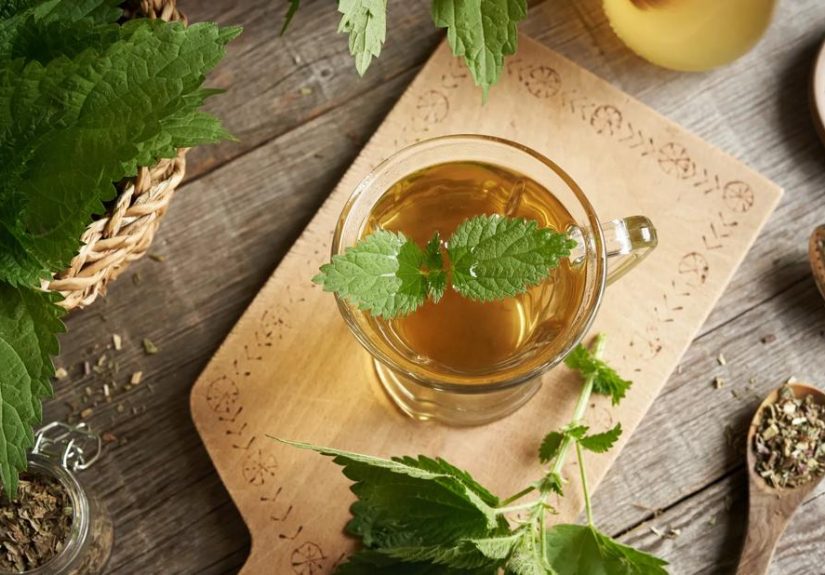
Nettle tea is brewed from dried or fresh nettle leaves, most commonly from stinging nettle. The fresh plant is famous for causing a burning, itchy sting when touched, thanks to tiny hair-like structures on the leaves and stems. Thankfully, once the plant is dried, steeped, or cooked, it loses that dramatic personality and becomes much more kitchen-friendly.
The flavor is often described as grassy, earthy, and slightly spinach-like. In other words, it tastes like something a very healthy forest would drink. Some people love it plain, while others add lemon, honey, or mint to make it friendlier for beginner taste buds.
Why Nettle Tea Gets So Much Attention
The appeal of nettle tea starts with its nutrient density. Nettle leaves contain vitamins, minerals, carotenoids, polyphenols, and other bioactive plant compounds. Depending on how the tea is prepared, some of those compounds make their way into the cup. While a mug of nettle tea is not the same as eating a giant salad, it can still be a useful addition to an overall healthy eating pattern.
That said, it is important to keep expectations realistic. Nettle tea is not a replacement for prescription treatment, and it is definitely not a magical shortcut to perfect health. It is better understood as a potentially beneficial herbal beverage that may support wellness in specific ways.
Potential Nettle Tea Benefits
1. It provides antioxidant plant compounds
One of the biggest reasons nettle tea gets praise is its antioxidant content. Nettle contains flavonoids, carotenoids, phenolic acids, and other compounds that help the body deal with oxidative stress. Oxidative stress sounds like a buzzword invented by a supplement ad, but it is a real process linked to cell damage and aging.
Drinks and foods rich in antioxidants may help support long-term wellness by reducing the burden of free radicals in the body. This does not mean nettle tea can stop aging, sadly, because the internet would be insufferable if it could. But it does mean nettle tea can fit nicely into a health-conscious routine built around fruits, vegetables, legumes, whole grains, and other antioxidant-rich choices.
2. It may help calm inflammation
Nettle has long been associated with inflammation support, especially in traditional use for joint discomfort and arthritis-related complaints. Some lab and clinical research suggests compounds in nettle may influence inflammatory pathways. That makes nettle tea an interesting choice for people looking to add more anti-inflammatory foods and drinks to their routine.
Still, this is where nuance matters. Many of the stronger studies focus on extracts, supplements, or even topical preparations rather than a basic brewed tea. So while nettle tea may support an anti-inflammatory lifestyle, it should not be viewed as a stand-alone treatment for arthritis or chronic pain.
A better way to think about it is this: if your daily habits are a band, nettle tea can be a decent backup singer. It should not be expected to headline the concert by itself.
3. It may offer mild support for seasonal allergies
This is one of the most talked-about nettle tea benefits. Nettle has been studied for allergic rhinitis, also known as seasonal allergies. Researchers think it may influence histamine-related activity and inflammatory responses, which is why some people reach for nettle tea when pollen starts attacking their face.
The keyword here is may. Some studies show positive effects, while others find that improvements are similar to placebo. In plain English, the evidence is mixed. If you have very mild seasonal symptoms, nettle tea might be a pleasant add-on to your routine. But if your allergies turn you into a sneezing fountain every spring, standard treatments and medical advice still matter far more.
4. It may support urinary and prostate health
Nettle is frequently discussed in relation to urinary function and benign prostatic hyperplasia, or BPH, which is a noncancerous enlargement of the prostate. This is one of the areas where nettle has the most serious traditional and clinical interest. Some studies on nettle root extracts suggest they may help improve urinary symptoms linked to BPH.
Now for the important fine print: research here often focuses on nettle root extract, not nettle leaf tea. That means drinking nettle tea is not exactly the same thing as using the forms studied in clinical trials. Even so, people interested in herbal support for urinary wellness often include nettle tea as part of a broader routine.
If urinary symptoms are new, worsening, or bothersome, do not self-diagnose with a teacup. Get checked by a healthcare professional first.
5. It may help support healthy blood sugar
Another area of growing interest is blood sugar management. Some early research suggests nettle may have effects on glucose control, insulin sensitivity, or related metabolic markers. There are even small human studies involving nettle preparations that show encouraging results.
But again, the tea itself has not been studied nearly as well as extracts or supplements. That means nettle tea may be a useful complementary drink for some people, but it should never replace diabetes medication, monitoring, or medical care. If you already take blood sugar-lowering medication, adding nettle products without guidance is a bad idea because herb-drug interactions are very real and not nearly as fun as they sound.
6. It may help support healthy blood pressure
Some evidence suggests nettle may help support healthy blood pressure levels, possibly through diuretic effects or by influencing blood vessel function. This is one reason nettle tea often appears on lists of “heart-friendly” herbal drinks.
Still, it is not an approved treatment for hypertension, and anyone taking blood pressure medication should be careful. Combining herbs and medication without guidance can lead to effects that are too strong, too weak, or simply too unpredictable. In health, surprises are overrated.
7. It may contribute to eye health
Nettle contains carotenoids such as lutein and zeaxanthin, which are associated with eye health. These compounds are also found in leafy greens and are commonly discussed in relation to long-term vision support. Nettle tea is not a substitute for eye exams, glasses, or medically necessary treatment, but it may contribute a little extra nutritional value for people trying to build a healthier diet overall.
Nutritional Highlights of Nettle
Nettle has been noted for containing vitamins A, C, and K, along with minerals such as calcium, iron, magnesium, and potassium. It also contains amino acids and various plant chemicals with biological activity. Because tea is an infusion rather than a full serving of the leaf, the exact nutrient amount in your mug depends on the product, steeping time, and preparation method.
In other words, nettle tea is nutritious, but it is not a loophole that lets you skip vegetables. Nice try, though.
What Nettle Tea Probably Can’t Do
Let’s gently bring the hype balloon back down to earth. Nettle tea is not proven to cure arthritis, reverse diabetes, eliminate allergies, shrink every enlarged prostate, or detox your body in some dramatic influencer-approved fashion. Your liver and kidneys are already doing the heavy lifting in the detox department.
Most of the strongest claims around nettle come from traditional use, early studies, or research on concentrated extracts. That does not make nettle tea useless. It just means the smart, evidence-based position is that nettle tea is promising, not magical.
How to Drink Nettle Tea
Nettle tea is sold in tea bags, loose-leaf blends, and dried herb form. A common method is to steep the herb in hot water for 5 to 10 minutes, then strain and drink. A longer steep may produce a stronger flavor and potentially a more robust infusion.
Many people enjoy it on its own, but it also plays well with lemon, ginger, peppermint, or a small amount of honey. If plain nettle tea tastes like you accidentally brewed a garden, try one of those additions before giving up on it entirely.
Possible Side Effects and Safety Concerns
For most healthy adults, nettle tea is generally considered safe in moderate amounts. But “natural” does not automatically mean risk-free. Side effects can include stomach upset, sweating, diarrhea, rashes, or urinary effects. Fresh raw nettle can irritate the skin and should not be eaten carelessly.
Nettle may also interact with certain medications, including blood thinners, blood pressure drugs, diabetes medications, diuretics, aspirin, and lithium. Pregnant people are usually advised to avoid nettle unless a healthcare professional specifically recommends it. People with kidney issues, complicated medical conditions, or multiple medications should get professional guidance before making nettle tea a daily habit.
Who Might Enjoy Nettle Tea Most?
Nettle tea may appeal to people who want a caffeine-free herbal drink with a strong nutritional reputation and possible wellness benefits. It can be a good fit for tea drinkers who enjoy earthy flavors, people looking to expand their herbal routine, and anyone interested in gentle, food-first ways to support overall health.
It may be especially attractive during allergy season, as part of a broader anti-inflammatory eating pattern, or as a cozy alternative to sugary drinks. The key is to see nettle tea as one useful habit among many, not a one-cup fix for complex health issues.
Final Thoughts on Nettle Tea Benefits
Nettle tea benefits are real enough to be interesting, but not so proven that anyone should toss common sense out the window. The tea offers antioxidants, nutrients, and possible support for inflammation, mild seasonal allergies, urinary wellness, blood sugar, blood pressure, and eye health. At the same time, most of the evidence points to the nettle plant more broadly or to concentrated extracts rather than the tea alone.
That makes nettle tea best viewed as a helpful supporting player. It can absolutely earn a place in a healthy routine, especially if you enjoy the taste and tolerate it well. Just do not expect one mug to transform your life, reorganize your pantry, and answer your emails. Herbal tea is good, but it is not that good.
Experiences With Nettle Tea Benefits: What People Often Notice Over Time
When people talk about their real-life experiences with nettle tea, the first thing they usually mention is not a dramatic health transformation. It is the taste. Nettle tea tends to surprise first-time drinkers because it tastes green, earthy, and clean, almost like a lighter cousin of spinach and green tea. Some people love that immediately. Others take a sip, blink twice, and decide the mug needs lemon, honey, or a little peppermint backup. That first impression matters because nettle tea is the kind of drink people usually grow into rather than instantly obsess over.
For many regular drinkers, the biggest experience is not one giant before-and-after moment but a collection of smaller, steadier changes. Some say they start reaching for nettle tea in the spring when pollen is everywhere and their sinuses are staging a rebellion. They may not describe it as a miracle cure, but they often say it feels soothing, hydrating, and like a smart extra step in an overall allergy routine. Others enjoy it during cooler months simply because it feels grounding and nourishing, especially when they are trying to cut back on coffee or sugary drinks.
Another common experience is that nettle tea becomes less about chasing a specific benefit and more about building a ritual. A warm mug in the morning or afternoon can make healthy habits feel easier. People who are trying to drink more water, slow down in the middle of a hectic day, or replace a second or third caffeinated beverage often find nettle tea useful because it feels purposeful. It has a stronger personality than plain hot water, but it is still gentle enough for a daily routine if tolerated well.
Some drinkers also report that nettle tea feels especially appealing when they are focused on seasonal wellness, balanced eating, or a general “clean up my habits” phase. It tends to attract the same crowd that buys leafy greens with optimism and keeps promising to become the kind of person who meal preps on Sunday. In that setting, nettle tea works well because it feels nutrient-rich and practical, not flashy. It is not trying to be trendy. It is just over there quietly being an herb.
Of course, not every experience is glowing. Some people find that nettle tea makes them urinate more often, especially if they drink it later in the day. Others notice mild stomach discomfort or simply decide the flavor is not for them. And people taking medications often realize quickly that herbal teas are not something to experiment with casually. That is why the most balanced experiences usually come from people who treat nettle tea as one helpful tool rather than a cure-all.
Overall, the most believable nettle tea stories are the least dramatic ones. People often describe feeling supported, comforted, and a little more consistent with their health habits. That may sound modest, but honestly, modest is underrated. A tea that encourages better routines, adds plant compounds to your day, and gives you one more reason to sit down for ten calm minutes is already doing more than enough.