Table of Contents >> Show >> Hide
- Quick takeaways (for people who read like they scroll)
- What Schwab means by “Generation Investor”
- Why the pandemic minted new investors
- Gen I didn’t just trademany grew up fast as investors
- The flip side: meme stocks, options buzz, and market plumbing
- How the industry changed to meet Gen I
- What “Generation Investor” means for the future
- A practical “new investor” playbook (no gimmicks, no confetti)
- Conclusion: the pandemic didn’t just disrupt livesit reshaped financial behavior
- Experiences from the “Generation Investor” era
- Experience #1: “I started with $50… and a lot of confidence I hadn’t earned yet.”
- Experience #2: “The meme-stock week taught me what risk actually feels like.”
- Experience #3: “The pandemic made me track my moneyand that changed everything.”
- What many Gen I investors say they wish they’d known sooner
In 2020, a lot of people learned how to bake sourdough, cut their own hair, and aggressively refresh the “cases” dashboard.
A surprising number also learned something else: how to invest.
Charles Schwab put a name on this wave“Generation Investor” (aka “Gen I”)and the label fits because it isn’t about birth year.
It’s about a shared origin story: starting to invest during the pandemic era, when the world felt uncertain and the stock market felt like
it was doing parkour.
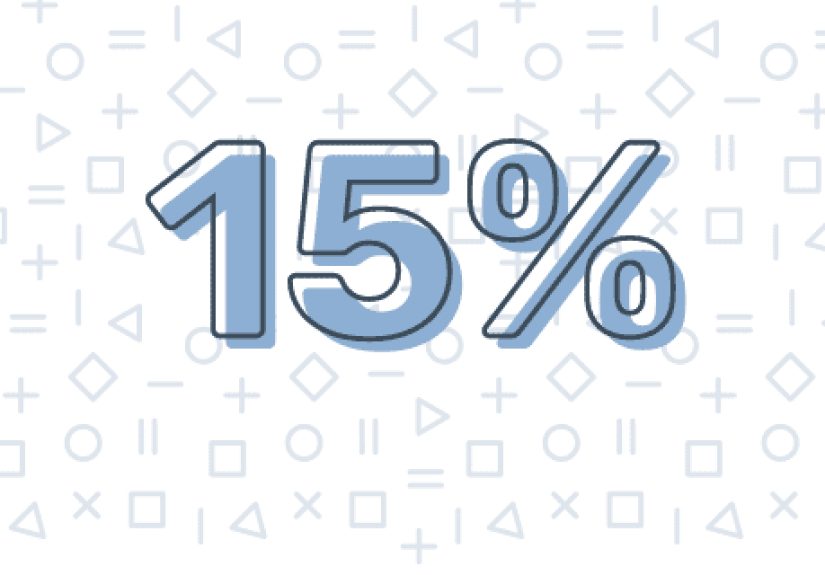
Schwab’s research captured a headline that still turns heads: 15% of current U.S. stock market investors say they first began investing in 2020.
That’s not a niche trend. That’s a meaningful new class of market participantspeople who went from “What’s an ETF?” to “Wait, what’s a wash sale?” in record time.
Quick takeaways (for people who read like they scroll)
- Gen I is real: Schwab found 15% of investors got their start in 2020.
- Not just young thrill-seekers: New investors included Millennials, Gen X, and Boomers.
- The vibe shifted fast: Many new investors moved away from short-term trading toward long-term investing plans.
- Education matters: New investors strongly value research tools, easy-to-use platforms, and access to learning.
- Risk is the trade-off: The era also featured meme stocks, options hype, and social-media “advice” that aged like milk.
What Schwab means by “Generation Investor”
Schwab’s “Generation Investor” label refers to people who started investing in 2020right in the middle of pandemic disruption,
market volatility, and a massive shift toward digital money management.
Who is Gen I, according to Schwab?
One of the most useful parts of Schwab’s work is what it doesn’t say. It doesn’t say “this is all Gen Z doing meme trades.”
Gen I includes a wide mix of adults.
- Gender split: roughly 40% women and 59% men in Schwab’s Gen I profile.
- Income snapshot: mean household income around $76K; median around $55K.
- Life stage: many are partnered, many have children, and over half are homeowners.
- Generations: Gen I includes Gen Z, Millennials, Gen X, and Boomers (not a one-age story).
In other words: Gen I isn’t just a new set of “market bros.” It’s teachers, nurses, project managers, retail workers, accountants,
and people who saw the same chaos you did and decided, “Maybe I should learn how money works.”
Why the pandemic minted new investors
The pandemic didn’t magically turn everyone into Warren Buffett. It created conditions that made investing feel more accessible,
more urgent, and (sometimes) more entertaining than it should be.
1) Time, attention, and the “I should probably do something” moment
When normal routines disappeared, people had extra time to learn. Also, economic uncertainty has a way of making retirement plans feel less like
a “future you” problem and more like a “current you” project. Schwab’s findings suggest many Gen I investors became more intentional about tracking
savings and finances during the pandemic period.
2) A market drop that looked like a “sale”
The early-2020 market shock was scarybut it also created a psychological opening: “Is this a once-in-a-decade chance?”
That “buy the dip” impulse showed up across investing commentary, and research from large firms observed that many investors
didn’t flee the market long-term during the volatility.
3) Friction fell: commission-free trades, fractional shares, and phone-first platforms
The modern brokerage experience is designed to feel easy. Sometimes too easy. In a few taps, a person can open an account,
buy a slice of a stock, and get a confetti-style dopamine hit (depending on the app). That ease helped bring in first-time investors
and it also raised questions about investor protection, market structure, and how orders get executed.
4) Stimulus checks and “found money” behavior
Academic research has found evidence that U.S. stimulus payments were associated with increased retail buying and higher trading activity around
disbursement datesespecially in stocks popular with retail investors. The important nuance: this doesn’t mean everyone used stimulus to trade,
but it supports the idea that direct payments contributed to the retail-investing surge.
5) Social media made investing feel like a team sport
Communities can be helpfulexplaining terms, sharing resources, and normalizing long-term investing.
But the same channels can also amplify hype, FOMO, and “guaranteed” picks that are… not guaranteed.
The pandemic era proved that narratives move fast, and money can move faster.
Gen I didn’t just trademany grew up fast as investors
Here’s where Schwab’s data gets especially interesting: Gen I appears to have evolved.
In Schwab’s survey findings, 44% of Gen I said their 2020 investing involved trading for short-term gains,
but only 28% planned to keep doing that in 2021while 72% said they planned to focus on buying and holding for long-term gains.
That’s a meaningful shift from “quick wins” to “long game.”
They wanted tools and education (not just hot tips)
Schwab’s results also highlight how strongly Gen I values practical support:
access to research tools, easy-to-use trading platforms, and educational resources to improve investing skills.
New investors weren’t saying “give me a meme.” They were saying “give me a way to learn.”
They discovered the “boring” stuff that actually matters
Many first-time investors reported surprises that sound painfully familiar to anyone who has ever Googled “capital gains tax” after selling a stock:
investing is more about long-term gains than short-term wins, diversification matters, research takes time, and taxes are real (rude, but real).
Schwab’s survey also suggests many Gen I investors didn’t fully understand fees and costs, and a sizable share weren’t factoring taxes into decisions
classic early-stage learning curves.
The flip side: meme stocks, options buzz, and market plumbing
The pandemic investing boom had a highlight reeland a blooper reel.
The meme-stock events of early 2021 became the most famous example of retail investor power colliding with market structure realities.
The SEC later published a detailed staff report examining what happened in the equity and options markets, including the role of social media,
trading restrictions at some brokers, and broader market dynamics.
Why this matters for everyday investors
- Volatility is a teacher, but it charges tuition. Fast price swings can educate you quicklyor punish you quickly.
-
Options and margin are not “level one.” They can magnify outcomes, including losses. Many new investors encountered these tools early
because they were visible and easy to access. -
Execution and incentives are complicated. The “free trade” era involves questions about how brokers make money and how orders get routed.
This doesn’t automatically make a platform “bad,” but it does mean investors should understand what they’re using.
How the industry changed to meet Gen I
Gen I didn’t just join the market; it changed what the market expects from financial companies:
faster onboarding, clearer education, better mobile experiences, and more transparency about costs and risk.
Tech-first, but not “human-free”
Schwab’s research on investing and technology suggests many newer investors are comfortable interacting digitally and believe a “relationship” with a financial firm
can exist through an appyet they still value having access to a professional for complex questions. That’s a key insight:
digital convenience doesn’t eliminate the need for real guidance; it changes when people seek it.
What “Generation Investor” means for the future
The big question isn’t whether Gen I showed up. It’s whether Gen I sticks aroundthrough boring markets, through down years,
and through the moment every investor eventually faces: “Wait, this isn’t always green candles?”
Reasons Gen I may last
- Earlier starts compound: Investing earliereven modestlycan meaningfully change long-term outcomes.
- Better access to education: Quality investing education is more available than ever (the trick is filtering it well).
- Broader participation: Retail investors are now a more visible, persistent part of market activity.
Reasons Gen I may struggle (and how to counter them)
- Chasing hype: Counter with a written plan, diversification, and a “cool-off” rule before big moves.
- Overconfidence after a good run: Counter with risk management basicsposition sizing, time horizon, and realistic expectations.
- Underestimating cash needs: Counter with emergency savings and avoiding investing money needed soon.
A helpful mindset: Investing is not a test of how smart you are; it’s a test of how consistent you can be.
The pandemic created many first-time investors. The next decade will decide who becomes a lifelong one.
A practical “new investor” playbook (no gimmicks, no confetti)
This isn’t personalized financial advicejust durable principles that apply to most people who want investing to be a tool, not a stress hobby.
Start with your “financial base layer”
- Emergency fund: If an unexpected expense would force you to sell investments at a bad time, build cash reserves first.
- High-interest debt: Paying down high APR debt can be a “return” that’s hard to beat with investments.
- Goals and time horizon: Money needed soon shouldn’t be exposed to stock-market mood swings.
Make diversification your default
Many Gen I investors reported learning the importance of diversification the hard way. You don’t need a complex portfolio to be diversified.
Broad index funds and diversified ETFs exist for a reason: they spread risk across many companies instead of betting the farm on one.
Assume taxes and fees matter (because they do)
Schwab’s survey suggests many new investors weren’t consistently thinking about tax implications or fully understanding fees.
You don’t need to become a tax pro, but you do want basic awareness: holding periods, capital gains, tax-advantaged accounts,
and the difference between an expense ratio and a one-time commission.
Be skeptical of “guaranteed” anything
If someone promises guaranteed returns, they’re either mistaken, selling something, or auditioning for a future documentary.
Build a plan that survives reality: markets go up, markets go down, and occasionally markets go sideways while making everyone grumpy.
Conclusion: the pandemic didn’t just disrupt livesit reshaped financial behavior
Schwab’s “Generation Investor” framing captures a lasting shift: millions of Americans began investing during one of the most turbulent periods in recent history.
They came in through apps, through curiosity, through necessity, and sometimes through boredom. They encountered volatility, learned about long-term thinking,
and discovered that investing isn’t a quick sprintit’s a habit.
The most encouraging part? Gen I doesn’t look like a one-year fad. The data suggests many new investors moved toward longer-term strategies and actively sought
education and better tools. If that learning continues, “Generation Investor” won’t just be a pandemic artifactit’ll be a financial turning point.
Experiences from the “Generation Investor” era
Below are composite experiencesbased on widely reported patterns from surveys, market events, and common investor learning curvesdesigned to feel like the
real stories many new investors lived through.
Experience #1: “I started with $50… and a lot of confidence I hadn’t earned yet.”
A first-time investor opens an account during lockdown with a small depositsomething that feels safe enough to risk, but meaningful enough to pay attention to.
At first, the process feels almost suspiciously easy: link a bank account, choose a stock, press buy. The app’s charts look like a video game.
The investor feels a little thrilllike they’ve finally joined the “adult money” club.
Then the market does what markets do: it moves. A stock drops 8% in a day. The investor panic-googles “is this normal” and gets 12 different answers,
including one from a stranger on the internet who says, “Just average down bro,” which is somehow both advice and a lifestyle.
The real lesson arrives: investing isn’t just math; it’s emotion management. The investor starts setting rulesno checking prices before breakfast,
no buying anything they can’t explain in two sentences, and no “revenge trades” after a red day.
Experience #2: “The meme-stock week taught me what risk actually feels like.”
Another new investor enters the market during the surge of social-media-driven trading. The community aspect feels powerful:
people explain jargon, share screenshots, and talk about beating “the system.” The investor buys in, not necessarily with rent money,
but with enough to care. The price rockets up, and for a moment, it feels like the market has finally become fair, fun, and predictable.
(That last one is adorable in hindsight.)
When volatility spikes, the investor experiences a new kind of stress: the constant pull to refresh, the fear of missing the top,
and the uncomfortable realization that “everyone’s a genius in a rising chart.” After it’s over, the investor does something that actually signals growth:
they reflect. They recognize how narratives can overpower fundamentals, how leverage and options can turbocharge mistakes,
and how important it is to have a plan before emotions start driving the car.
Experience #3: “The pandemic made me track my moneyand that changed everything.”
Many Gen I investors didn’t start with a hot-stock obsession; they started with budgeting. They saw layoffs, uncertainty, rising costs,
and the fragility of “I’ll deal with it later.” They began tracking spending, building a small emergency fund, and thenonly theninvesting.
Their investing style leans “boring” in the best way: diversified funds, automatic contributions, and fewer dramatic decisions.
Over time, this investor learns the quiet power of consistency. Some months are great. Some months are ugly.
But because the plan isn’t built on predicting the future, it doesn’t collapse when the future gets weird.
The biggest emotional shift is subtle: investing stops feeling like gambling and starts feeling like ownershipowning tiny pieces of businesses,
and owning a process that doesn’t require perfect timing.
What many Gen I investors say they wish they’d known sooner
- Volatility is normal: big moves feel personal, but they’re not.
- Long-term beats loud-term: the best strategy often looks boring in the moment.
- Costs compound too: fees, taxes, and bad habits add up.
- Social proof isn’t proof: a trending trade isn’t the same thing as a good trade.
- A plan reduces panic: writing down rules helps you follow them when emotions spike.
If the pandemic created a “Generation Investor,” the most valuable outcome isn’t that people traded more.
It’s that many people started paying attentionlearning, asking better questions, and building habits that can outlast the moment that created them.