Table of Contents >> Show >> Hide
- Why Roof Maintenance Matters More Than You Think
- 12 Bad Roof Maintenance Habits to Stop Right Now
- 1. Delaying Necessary Repairs
- 2. Ignoring “Tiny” Leaks and Stains
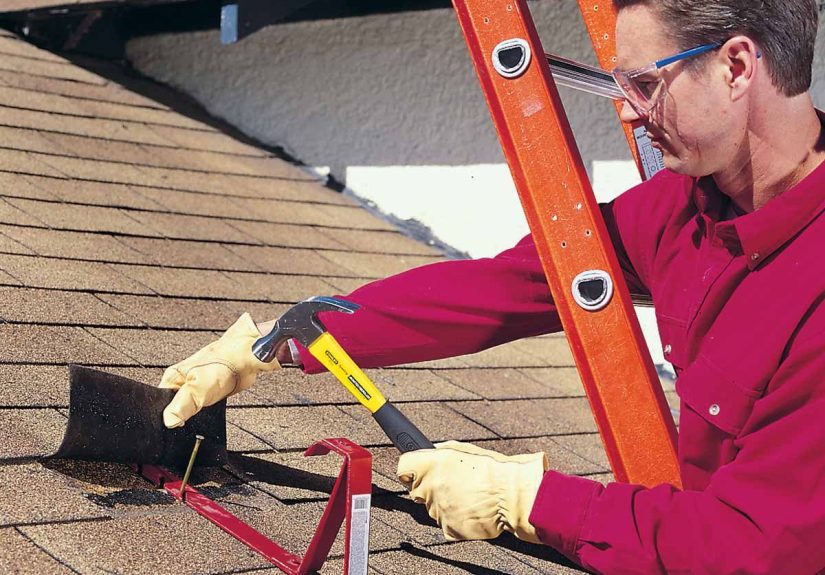
- 3. Not Replacing Missing or Damaged Shingles
- 4. Walking on the Roof for No Good Reason
- 5. Using a Pressure Washer or Harsh Cleaning Methods
- 6. Skipping Regular Roof Inspections
- 7. Neglecting Gutter Cleaning and Drainage
- 8. Letting Debris, Moss, and Overhanging Branches Take Over
- 9. Attempting Complex DIY Repairs Without Expertise
- 10. Choosing Cheap Materials or Contractors Just to Save Money
- 11. Ignoring Ventilation and Attic Issues
- 12. Overusing Caulk and Sealant as a “Fix-All”
- How to Build Better Roof Maintenance Habits
- Real-World Roof Maintenance Experiences: Lessons You Don’t Want to Learn the Hard Way
- Conclusion: Be the Homeowner Your Roof Deserves
If your roof could talk, it would probably say something like, “Hey, I’m the only thing standing between you and a very soggy living room. Maybe stop ignoring me?” Roofs fail quietly at firstone loose shingle here, a little moss thereand then, suddenly, you’re pricing out a new roof instead of a weekend getaway.
Roof maintenance doesn’t have to be dramatic, dangerous, or expensive. In fact, most of the catastrophic roof problems pros see started as tiny, fixable issues that got ignored for months or years. Home service platforms and roofing contractors agree that simple habits like regular inspections, keeping gutters clean, and fixing small leaks early can add years to your roof’s life and save thousands of dollars in repairs over time.
Family Handyman and other experts emphasize that the worst roof problems are often self-inflicted: walking on shingles for no reason, pressure-washing the roof, putting off repairs “until next season,” or choosing the cheapest possible materials. The good news? You can fix all of these habits starting today.
Let’s walk through 12 bad roof maintenance habits you should stop doing immediatelyand what to do instead to keep your roof strong, dry, and drama-free.
Why Roof Maintenance Matters More Than You Think
Your roof does much more than keep rain off your head. It protects the structure of your home, your insulation, your wiring, and even your health. When water gets in, it doesn’t politely drip in the middle of the room where you can see it. It creeps along rafters, soaks insulation, feeds mold, and quietly rots wood long before you notice a stain on the ceiling.
Experts warn that ignoring small leaks or missing shingles can lead to:
- Structural damage: rotting roof decking, weakened rafters, and sagging ceilings.
- Mold and mildew growth: which can trigger allergies, asthma, and other respiratory issues.
- Ruined insulation: wet insulation loses R-value and can drive up your heating and cooling costs.
- Insurance headaches: some insurers may deny or reduce claims if damage is clearly due to neglect.
On the flip side, routine roof maintenancelike twice-yearly inspections, prompt repairs, and gentle cleaningcan dramatically extend your roof’s life and protect your home’s value.
12 Bad Roof Maintenance Habits to Stop Right Now
1. Delaying Necessary Repairs
“I’ll call a roofer next month” is the most expensive sentence in home maintenance. Small issueslike a lifted shingle, a bit of cracked flashing, or a minor leak after a stormrarely stay small. Water follows gravity and path-of-least-resistance rules, not your budget. Contractors report that many major roof replacements could have been avoided if homeowners had addressed damage when it first appeared.
Better habit: Treat roof problems like medical issues: earlier is cheaper and less painful. If you notice missing shingles, loose flashing, or a leak, schedule an inspection or repair as soon as possibleideally within days, not months.
2. Ignoring “Tiny” Leaks and Stains
That small brown ring on your ceiling? It’s not a cosmetic problem; it’s a symptom. Roofers regularly see homes where a “little” stain turned out to be the tip of a very expensive iceberg: soaked insulation, moldy framing, even damaged wiring and light fixtures.
Better habit: Investigate any ceiling stain, musty attic smell, or peeling paint near the top of walls. A professional can trace the source of the moisture and stop it before it spreads.
3. Not Replacing Missing or Damaged Shingles
One missing shingle may not look like a big deal from the ground, but that single gap can let wind-driven rain work its way under the surrounding shingles and into the roof deck. Over time, water intrusion leads to rot, mold, and premature aging of the roof.
Better habit: After heavy storms or high winds, do a visual inspection from the ground with binoculars. If you see curling, cracked, or missing shingles, get them replaced promptly by a pro who can match materials and install them correctly.
4. Walking on the Roof for No Good Reason
Here’s a bad combo: steep slopes, brittle shingles, and a homeowner in sneakers. Unnecessary foot traffic can crush granules, crack shingles, and create weak spots where leaks start later. Roofing pros warn that untrained walking on the roof is one of the sneaky causes of premature wear.
Better habit: Stay off the roof unless you absolutely must go up there, and even then, consider whether a licensed roofer should handle it instead. Use binoculars, a drone, or professional inspections to monitor your roof from a safe distance.
5. Using a Pressure Washer or Harsh Cleaning Methods
It’s oddly satisfying to blast moss and stains off shingles with a pressure washerbut your roof hates it. High-pressure water can strip away protective granules, loosen shingles, and even force water underneath them. Cleaning methods that rely on strong chemicals can also damage materials or void warranties if they don’t follow manufacturer guidelines.
Better habit: If your roof needs cleaning, follow the shingle manufacturer’s recommendations or hire a contractor who uses low-pressure, roof-safe methods approved by industry groups.
6. Skipping Regular Roof Inspections
If your roof only gets attention when water is actively dripping into a bucket, it’s already too late. Many roofing and home maintenance experts recommend at least one professional inspection per yeartwo if you live in an area with harsh weather or lots of trees.
Better habit: Put roof inspections on your calendar for spring and fall. Between professional visits, do quick visual checks from the ground after big storms to spot obvious damage early.
7. Neglecting Gutter Cleaning and Drainage
Clogged gutters are basically bathtubs along your roofline. When they overflow, water backs up under shingles, soaks fascia boards, and can even find its way into your attic or walls. Home improvement sites repeatedly call neglected gutters one of the top causes of roof leaks and wood rot.
Better habit: Clean gutters at least twice a yearand more often if you have lots of trees. Make sure downspouts are clear and direct water several feet away from your foundation.
8. Letting Debris, Moss, and Overhanging Branches Take Over
Leaves, pine needles, and branches look innocent, but they trap moisture against shingles, accelerate wear, and create cozy pockets for moss and algae. Overhanging trees can also scrape shingles in the wind or drop limbs onto the roof during storms.
Better habit: Trim branches back so they don’t hang over the roof. Periodically remove debris with a roof-safe method (or hire pros) and address moss growth early using products and techniques approved for your roofing material.
9. Attempting Complex DIY Repairs Without Expertise
There’s DIY, and then there’s “I just turned my small leak into a large, weirdly shaped leak.” Roofing contractors report that many of their repair calls start with, “Well, I tried to fix it myself…” and end with more damage than if a pro had been called in the first place. Using the wrong nails, sealing the wrong areas, or covering symptoms without fixing the source can all make the situation worse.
Better habit: Limit your DIY to safe, simple tasks like cleaning gutters or gently clearing debris. For anything involving flashing, penetrations (vents, chimneys), or structural issues, hire a qualified roofer.
10. Choosing Cheap Materials or Contractors Just to Save Money
A bargain roof that fails early is not actually a bargain. Choosing the cheapest shingles, underlayment, or contractor often means sacrificing quality, proper installation, or warranty coverage. Roofing experts consistently warn that low-quality materials and cut-rate labor tend to deteriorate faster and require more frequent repairs.
Better habit: Get multiple quotes, check references and reviews, and focus on value, not just price. Ask about materials, installation details, and warranties so you understand what you’re paying for.
11. Ignoring Ventilation and Attic Issues
Your roof’s biggest support system is actually underneath it. Poor attic ventilation can cook shingles from below in summer and cause condensation problems in winter. That extra heat and moisture shortens the life of your roof and can lead to mold, ice dams, and warped decking. Roofing pros list “ignoring ventilation” as one of the most commonand most overlookedmaintenance mistakes.
Better habit: Make sure your attic has proper intake and exhaust vents. Look for signs of trouble like rusted nails, condensation, mold, or extreme heat buildup. A roofing or insulation contractor can evaluate your current setup and suggest upgrades.
12. Overusing Caulk and Sealant as a “Fix-All”
Caulk is not a magic forcefield. Slathering sealant over every suspicious seam might feel proactive, but overuse can block drainage pathways and trap water where it should be able to escape. It can also hide underlying problems that need real repairs, not just a bead of goop.
Better habit: Use sealant only where recommended, and never as a substitute for actual repairs or replacement. If you’re not sure whether something needs caulk, flashing, or new materials altogether, ask a pro.
How to Build Better Roof Maintenance Habits
Breaking bad habits is easier when you replace them with simple, repeatable routines. Here’s a basic, Family Handyman–style roof care game plan you can adapt to your home:
- Twice a year: Do a visual roof check from the ground and schedule a professional inspection if your roof is aging or you notice anything suspicious.
- Every season: Clean gutters and downspouts, remove roof debris, and look for signs of damage after major storms.
- After extreme weather: Check for missing shingles, damaged flashing, or fallen branches. Document anything you see with photos for potential insurance claims.
- Every few years: Have a pro evaluate ventilation, flashing, and overall roof health, especially as the roof nears the end of its expected lifespan.
A little attention now keeps your roof out of the “emergency project” category and firmly in the “quietly doing its job” categorywhich is exactly where you want it.
Real-World Roof Maintenance Experiences: Lessons You Don’t Want to Learn the Hard Way
To drive these points home, let’s look at some realistic scenarios based on what roofers and home inspectors report seeing all the time. Consider these the “story time” version of the 12 bad habits above.
The $300 Leak That Turned into a $12,000 Remodel
A homeowner notices a small water stain in the corner of the guest bedroom ceiling after a heavy storm. It’s faint, doesn’t grow quickly, and the room barely gets usedso they ignore it. Over the next year, the stain darkens and starts to spread. When they finally call a roofer, the inspection reveals a cracked flashing boot around a vent pipe that has been letting water in every time it rains.
By that point, the damage isn’t limited to the roof. The attic insulation is soaked and moldy, the roof decking around the vent is soft and rotted, and the ceiling drywall needs to be replaced. What could have been a simple, sub-$500 repair turns into a multi-thousand-dollar project involving roofing, insulation, mold remediation, and interior repairsall because the “little” stain got brushed off as no big deal.
Takeaway: Ceiling stains and occasional drips are never cosmetic. They’re early warning signs that your roof’s protective envelope has been breached. Treat them with the urgency they deserve.
The Pressure Washer That Voided a Warranty
Another homeowner decides it’s time to “freshen up” the roof before putting the house on the market. They rent a pressure washer, climb up, and start blasting away years of algae streaks and grime. The roof looks fantastic when they’re doneclean, uniform, and bright.
Fast-forward two years, and the new owners start noticing granules piling up in the gutters and bare-looking patches on the shingles. A roofer explains that the pressure washing stripped away the protective granule layer that shields asphalt shingles from UV rays and weather. The roof is now aging rapidly, and the shingle warranty is void because non-approved cleaning methods were used.
Takeaway: A clean roof is good; a damaged roof that looks clean is not. Always follow manufacturer-approved cleaning methods or hire pros who know how to clean without destroying the material.
The Tree Branch That Invited Squirrels (and Water)
In a leafy neighborhood, a big, beautiful oak tree stretches over a home, providing shade and curb appeal. Its branches also lie directly on the roof in a few spots. During windy days, the branches gently scrape across the shingles. It doesn’t seem like muchuntil a storm breaks a limb, which lands hard and cracks several shingles.
Over time, the scraped areas become weak spots where granules are worn away and water starts to work under the shingles. Squirrels use the overhanging branches as a highway and eventually find one of those weak spots, chewing through the softened area to get into the attic. Now the homeowner isn’t just dealing with moisturethey’re also dealing with pests, droppings, and chewed insulation.
Takeaway: Overhanging branches are more than a leaf problem. They’re a physical and structural risk to your roof, especially during storms. Trimming trees back from the roofline is a maintenance task, not an optional cosmetic job.
The “I’ll Fix It Myself” Vent Flashing Fail
A handy homeowner spots a small leak around a bathroom vent. Confident in their DIY skills, they head to the hardware store, buy a tube of generic roofing sealant, and generously smear it around the vent flange. The leak seems to stopfor a while.
What they don’t realize is that the underlying flashing is cracked and improperly installed. The sealant they used temporarily diverts water, but also blocks some of the natural drainage paths. Months later, water finds its way under the sealant and begins pooling in places it shouldn’t. By the time they call a roofer, not only does the vent area need proper flashing replacement, but there’s hidden damage under the shingles that has to be cut out and replaced.
Takeaway: Sealant is not a permanent solution and shouldn’t cover up underlying issues. If you’re patching the same spot more than once, or if you’re working around roof penetrations (vents, chimneys, skylights), it’s time to bring in a professional.
The “Out of Sight, Out of Mind” Attic
Many homeowners rarely enter their atticsif ever. One family notices that their upstairs feels hotter than usual in summer and that ice dams form along the eaves in winter, but they assume it’s just “old house problems.” Years later, when they finally have an energy audit done, the auditor discovers poor ventilation and signs of long-term condensation: rusted nail tips, damp insulation, and mold starting on the underside of the roof decking.
Correcting the problem requires improving attic ventilation, replacing portions of the roof decking, and addressing mold. All of it could have been minimized or avoided if someone had looked in the attic once or twice a year and taken action early.
Takeaway: Your attic is your roof’s report card. A quick look a couple of times a year can reveal ventilation problems, moisture issues, and leaks long before they show up inside your living space.
All of these stories share the same theme: small, preventable issues turning into major headaches because of a few avoidable habits. If you change how you treat your roofrespecting it as the critical system it isyou dramatically lower your odds of surprise leaks, emergency repairs, and budget-busting replacements.
Conclusion: Be the Homeowner Your Roof Deserves
Your roof doesn’t need constant pampering, but it does need respect. Stop walking on it for no reason, stop ignoring suspicious stains, stop letting gutters and branches run wild, and definitely stop thinking of caulk as a cure-all. Instead, build a routine: inspect, clean, repair early, and call pros when the job is bigger than your ladder and a Saturday afternoon.
Break these 12 bad roof maintenance habits now and your reward will be a quieter, drier, more efficient homeand a roof that quietly does its job for years longer than it would have otherwise.